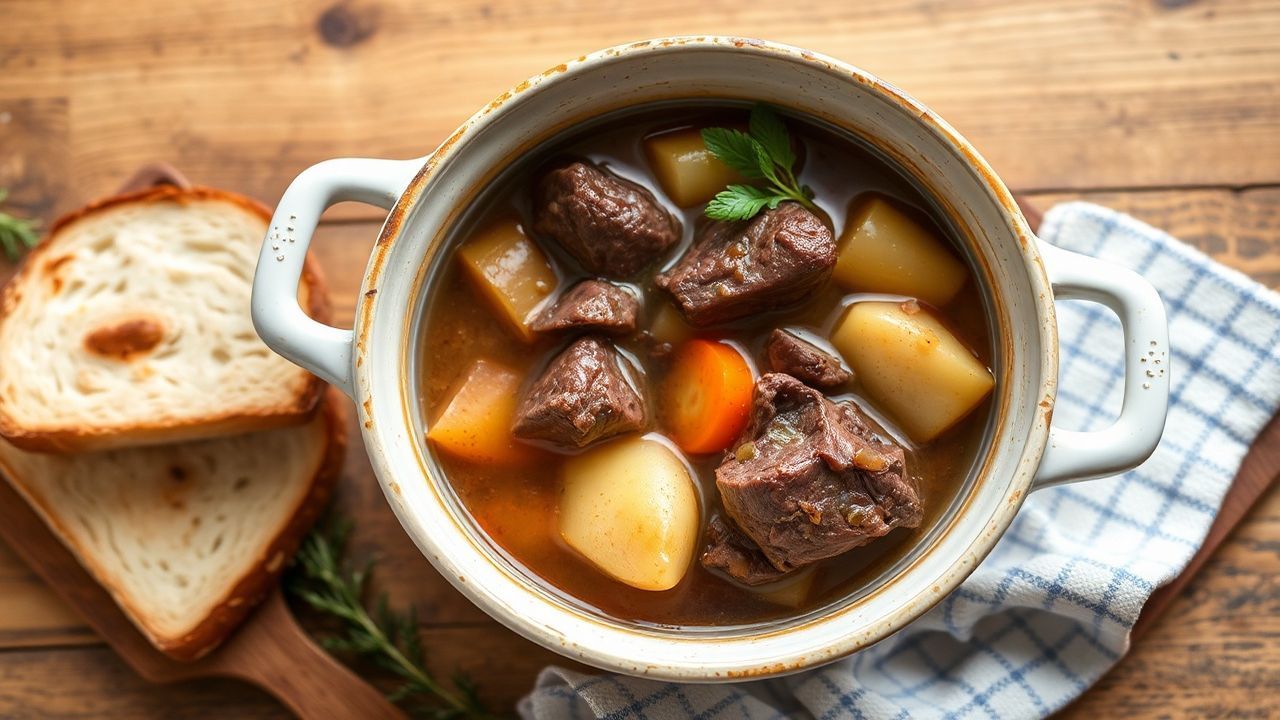

The scent of slow-cooked beef and earthy root vegetables, a subtle perfume of simmering stock carrying whispers of bay leaf and thyme – this is the olfactory prelude to a true pot-au-feu. It’s a dish that transcends mere sustenance; it is a weekly ritual in many French households, proof of the profound comfort and soul-satisfying depth achievable with simple, high-quality ingredients and patient, unhurried cooking. More than just a stew, the pot-au-feu is a cornerstone of French culinary identity, a dish that speaks of family, tradition, and the art of extracting maximum flavour from humble beginnings. Its essence lies in the transformative power of time and temperature, coaxing out the marrow-rich essence of beef and the sweet, grounding notes of winter vegetables into a broth that is as nourishing as it is profoundly delicious.
- The Enduring Appeal of Pot-au-feu
- Crafting the Perfect Pot-au-feu: A Symphony of Ingredients
- Choosing Your Beef: The Foundation of Flavour
- The Root Vegetable Chorus: Earthy Sweetness and Texture
- The Method: Patience as the Primary Ingredient
- Serving Pot-au-feu: A Multi-Sensory Experience
- Nutritional Snapshot: Wholesome Comfort
- Expert Pro-Tips for Elevating Your Pot-au-feu
- FAQs about Pot-au-feu
At a Glance: Unlocking the Pot-au-feu
- The Art of the Broth: The foundation of an exceptional pot-au-feu is a meticulously prepared, clear, and flavourful broth, achieved through a long, gentle simmer with aromatics and well-chosen beef cuts.
- Ingredient Harmony: The selection and preparation of root vegetables are crucial, ensuring they are tender but not mushy, absorbing the broth’s essence while contributing their unique sweetness and texture.
- Versatile Serving: Pot-au-feu is not a single-stage event; its components can be enjoyed in various ways, from the initial clear broth to the succulent meat and tender vegetables, often served with accompaniments that enhance its natural flavours.
- A Lesson in Patience: This dish is a masterclass in slow cooking, where time is the most important ingredient, allowing flavours to meld and develop into a complex, comforting whole.
The Enduring Appeal of Pot-au-feu
In a culinary landscape often dominated by fleeting trends and elaborate presentations, the pot-au-feu stands as a steadfast beacon of classic French cooking. It embodies a philosophy that prioritizes substance over flash, favouring the deep, resonant flavours that only time and careful attention can yield. This dish, often translated literally as “pot on the fire,” has graced French tables for centuries, evolving from a peasant staple into a beloved national dish. Its enduring appeal lies in its inherent simplicity, its adaptability, and its uncanny ability to evoke a sense of home and well-being, regardless of the season. The aroma alone is enough to transport one to a rustic French farmhouse kitchen, where the hearth crackles and the comforting scent of simmering goodness fills the air.
Consider the historical context: in times when refrigeration was rudimentary, preserving meat was a primary concern. Boiling tougher cuts of beef for extended periods not only rendered them tender but also produced a nutrient-rich broth that could be stored and utilized in numerous ways. This practical origin story underscores the dish’s innate resourcefulness. It’s a culinary alchemy where less desirable cuts of meat, through the magic of low and slow cooking, are transformed into something truly extraordinary. This transformation is not just about texture; it’s about unlocking a profound depth of flavour that leaner, faster-cooking cuts simply cannot offer. The pot-au-feu, therefore, is not merely a recipe; it is a culinary philosophy, proof of making the most of every ingredient.
Crafting the Perfect Pot-au-feu: A Symphony of Ingredients
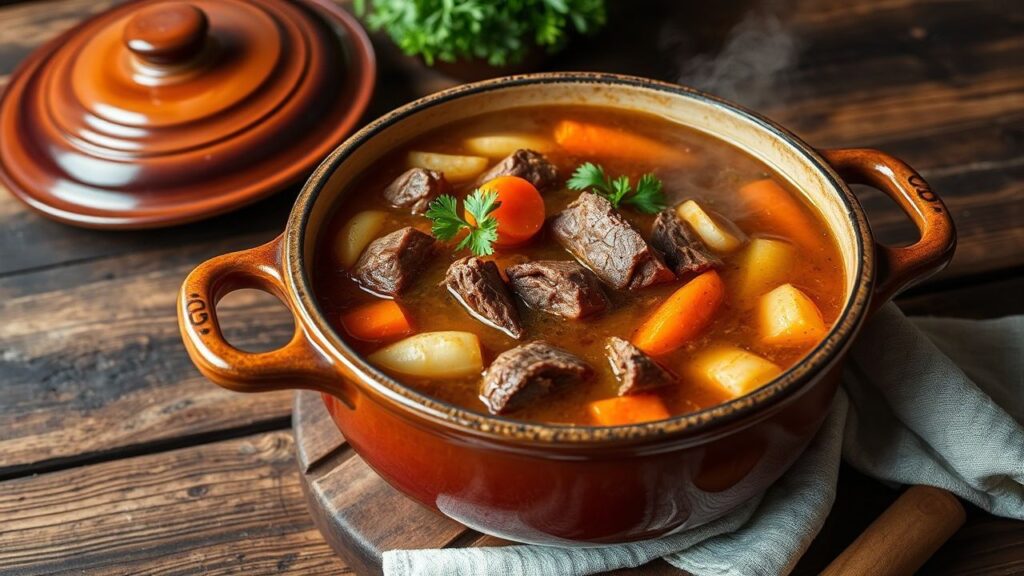
The success of a truly exceptional pot-au-feu hinges on the judicious selection of its components. This is not a dish where quality can be masked; each element must sing its part in the symphony of flavours. The beef, the undisputed star, requires careful consideration. A combination of cuts is often preferred to achieve both rich flavour and varied texture. The shank (jarret) provides gelatinous richness and deep beefy notes, while the brisket (poitrine) offers succulent, tender meat. Oxtail adds an unparalleled depth of collagen, contributing significantly to the body of the broth. Even a humble piece of beef fat, like a suet or a piece of unrendered fatback, can be invaluable for enriching the stock and preventing it from becoming too lean.
The aromatic base is equally critical. A generous quantity of onions, studded with cloves, forms the initial layer of flavour. Leeks, their subtle sweetness and green stalks adding a verdant aroma, are indispensable. Carrots, parsnips, and turnips contribute their earthy sweetness and distinct textures, absorbing the broth’s essence. Celery adds a subtle herbaceous note, while a bouquet garni – typically consisting of thyme, bay leaves, and parsley stems – imparts a quintessential French herbaceous perfume. The careful balance of these elements, simmered gently for hours, is what elevates the pot-au-feu from a simple stew to a masterpiece of slow cooking.
Choosing Your Beef: The Foundation of Flavour
The choice of beef is paramount to the success of your pot-au-feu. For optimal results, a blend of tougher, collagen-rich cuts is recommended. These cuts, when subjected to long, slow cooking, break down beautifully, releasing their flavour into the broth and becoming meltingly tender. My personal preference leans towards a combination that includes:
- Beef Shank (Jarret de Boeuf): Rich in marrow and connective tissue, this cut provides a wonderfully gelatinous texture and a deep, satisfying beef flavour.
- Beef Brisket (Poitrine): Known for its slightly fattier composition, brisket offers succulent, tender meat that shreds beautifully.
- Oxtail: Essential for its collagen content, oxtail contributes significantly to the richness and mouthfeel of the broth.
- Chuck Roast (Paleron): A good source of flavour and tenderness, it complements the other cuts well.
Avoid using overly lean cuts like sirloin or tenderloin, as they will dry out during the long cooking process and lack the collagen necessary for a truly unctuous broth. The ideal scenario is to source these cuts from a reputable butcher who can advise on the best quality and preparation.
The Root Vegetable Chorus: Earthy Sweetness and Texture
While the beef provides the soul, the root vegetables are the vibrant chorus that harmonizes with it. Their sweetness intensifies as they cook, and their varying textures prevent the dish from becoming monotonous. The traditional ensemble includes:
- Carrots: Peeled and cut into large chunks, they offer a familiar sweetness and a tender bite.
- Turnips: Their slightly peppery, earthy flavour adds complexity. Ensure they are peeled to avoid a bitter outer skin.
- Parsnips: Sweeter and more aromatic than carrots, parsnips lend a delightful, nutty undertone.
- Potatoes: Waxy varieties like Yukon Gold or fingerlings hold their shape well and absorb the broth beautifully.
- Leeks: The white and light green parts are essential for their mild oniony sweetness. Ensure they are thoroughly washed to remove grit.
It is crucial to cut the vegetables into substantial pieces. This prevents them from disintegrating into the broth and allows them to retain their distinct character. The timing of their addition is also important; they should be added in stages to ensure they are perfectly tender but not overcooked.
The Method: Patience as the Primary Ingredient
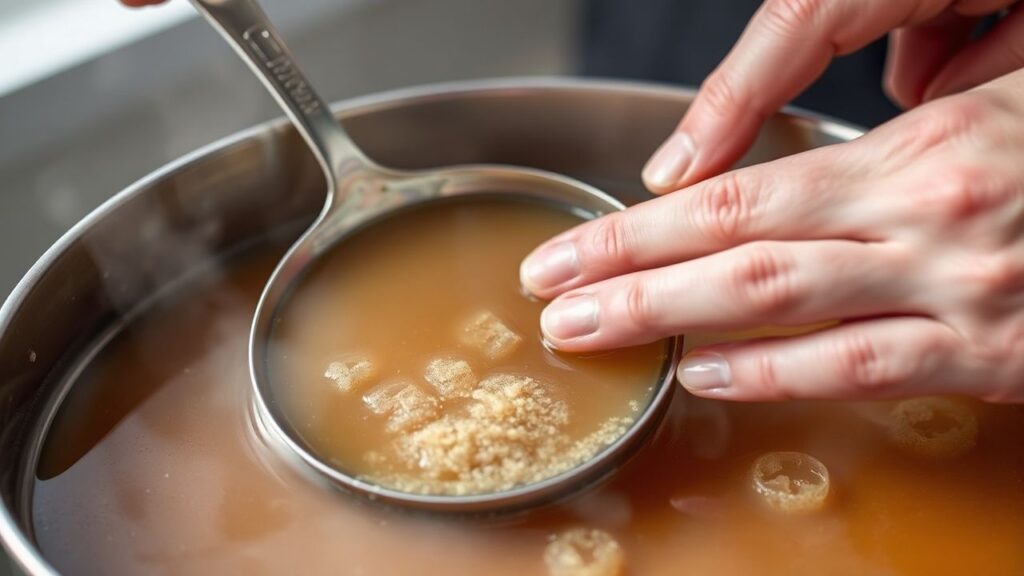
The preparation of pot-au-feu is proof of the virtues of slow cooking. It is not a dish to be rushed, but rather one to be nurtured. The process begins with searing the beef, a crucial step that builds a foundational layer of flavour through the Maillard reaction. This caramelization of the meat’s surface creates complex aromatic compounds that will enrich the final broth. Following the sear, the meat is submerged in cold water – another vital technique. Starting with cold water allows impurities to be drawn out gradually as the water heats, resulting in a clearer, cleaner-tasting broth. Skimming diligently during the initial stages of simmering is non-negotiable; it removes the scum and fat that can cloud the broth and impart unwanted flavours.
The vegetables are then introduced, their earthy sweetness slowly infusing the simmering liquid. The bouquet garni, tied with kitchen twine, releases its aromatic oils gradually, perfuming the entire pot. The duration of the simmer is key – typically three to four hours, or until the beef is exceptionally tender. This extended cooking period is what transforms tough cuts into succulent morsels and allows the flavours to meld into a harmonious whole. The final stages involve carefully removing the meat and vegetables, straining the broth, and then reintroducing the components for serving. This separation ensures that each element is presented at its best, allowing the diner to appreciate the individual textures and flavours before they are combined.
Step-by-Step: A Culinary Journey
- Prepare the Beef: Rinse the beef cuts under cold water. In a very large, heavy-bottomed pot or Dutch oven, heat a tablespoon of neutral oil over medium-high heat. Sear the beef pieces in batches until deeply browned on all sides. This step is critical for developing flavour. Remove the seared beef and set aside.
- Build the Broth Base: Drain off excess fat from the pot, leaving about a tablespoon. Add the roughly chopped onions (studded with cloves) and leeks to the pot. Sauté for 5-7 minutes until softened and lightly caramelized.
- The Long Simmer: Return the seared beef to the pot. Add enough cold water to generously cover the meat by at least two inches. Bring the water slowly to a simmer over medium-high heat. As it heats, diligently skim off any foam or scum that rises to the surface. This is crucial for a clear broth.
- Aromatics and Seasoning: Once the initial scum has been removed, add the bouquet garni (thyme, bay leaves, parsley stems tied together) and a teaspoon of whole black peppercorns. Season with salt, but be judicious; you can adjust it later. Reduce the heat to low, cover the pot, and let the pot-au-feu simmer gently for at least 3 hours, or until the beef is fork-tender. Check periodically to ensure it is simmering very gently, not boiling.
- Add the Root Vegetables: About 45 minutes to 1 hour before the beef is expected to be fully tender, add the prepared carrots, turnips, parsnips, and potatoes to the pot. Ensure they are submerged in the broth. If necessary, add a little more hot water.
- Finishing Touches: Once the vegetables are tender and the beef is meltingly soft, carefully remove the beef and vegetables from the pot using a slotted spoon. Place them on a warm platter. Discard the bouquet garni. Strain the broth through a fine-mesh sieve lined with cheesecloth into a clean pot or container. Taste the broth and adjust seasoning with salt and pepper as needed.
Serving Pot-au-feu: A Multi-Sensory Experience
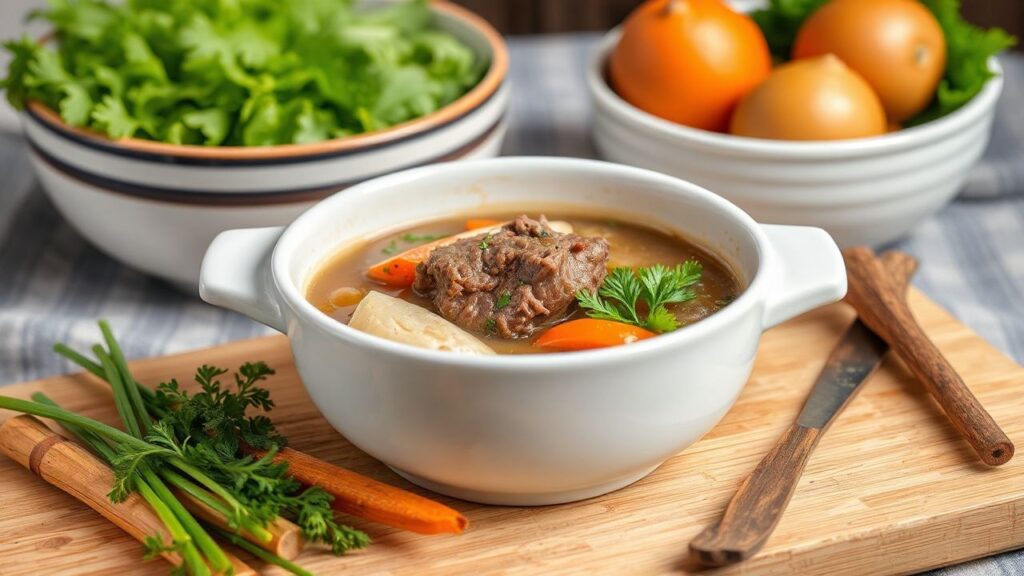
The presentation of pot-au-feu is as much a part of its charm as its flavour. Traditionally, the dish is served in stages, allowing each component to be savoured individually before being enjoyed together. The initial offering is typically the clear, flavourful broth, often served in delicate porcelain cups or small bowls. This broth, a liquid gold of beefy essence, is proof of the patient extraction of flavour. It is often seasoned simply with a pinch of salt and perhaps a scattering of fresh chives or parsley, allowing its pure, unadulterated taste to shine.
Following the broth, the succulent beef and tender root vegetables are presented. The beef is usually carved or pulled into generous portions, showcasing its tender, yielding texture. The vegetables, vibrant and infused with the broth’s essence, are arranged artfully around the meat. Accompaniments matter significantly in enhancing the experience. Coarse grain mustard provides a sharp, piquant counterpoint to the richness of the beef. Cornichons, those tiny, tart gherkins, offer a delightful acidity that cuts through the fat. A dollop of horseradish sauce can add a fiery kick, while crusty baguette is essential for sopping up every last drop of precious broth. Some variations even include bone marrow, served scooped directly from the bone, a true delicacy for those who appreciate its unctuous richness.
Accompaniments: The Perfect Counterpoints
The traditional accompaniments for pot-au-feu are not mere afterthoughts; they are integral to balancing the richness and deepening the flavour profile of the dish. Each element is chosen to provide a contrasting or complementary note:
- Coarse Grain Mustard (Moutarde à l’Ancienne): This mustard, with its whole mustard seeds, provides a pleasing texture and a sharp, pungent kick that cuts through the richness of the beef.
- Cornichons: These small, tart gherkins are essential for their acidity. Their briny, vinegary tang offers a refreshing contrast to the savoury depth of the stew.
- Horseradish Sauce: For those who enjoy a bit of heat, a homemade or good-quality store-bought horseradish sauce can add a delightful spicy warmth.
- Freshly Baked Baguette: A crusty baguette is a non-negotiable. Its primary purpose is to soak up the glorious broth, ensuring no drop is wasted.
- Gremolata (Optional): While not strictly traditional, a simple gremolata of finely chopped parsley, garlic, and lemon zest can add a burst of freshness and brightness, particularly if the broth feels a touch too heavy.
The act of building one’s own plate, combining the tender beef, soft vegetables, and a smear of mustard on a piece of baguette, is part of the ritualistic pleasure of eating pot-au-feu.
Nutritional Snapshot: Wholesome Comfort
While pot-au-feu is undeniably a comforting and hearty dish, it is also surprisingly nutritious, particularly when prepared with a focus on lean beef cuts and a variety of vegetables. The long, slow cooking process in water helps to leach out some of the fat, and the inclusion of ample root vegetables provides essential vitamins, minerals, and dietary fibre. The broth itself is a valuable source of hydration and electrolytes, making it particularly beneficial during colder months or when feeling under the weather.
A typical serving (approximately 1.5 cups of broth and a portion of meat and vegetables) can offer a significant amount of protein, essential for muscle repair and satiety. The root vegetables contribute a range of micronutrients: carrots are rich in Vitamin A (beta-carotene), essential for vision and immune function; turnips and parsnips provide Vitamin C and potassium, important for blood pressure regulation and antioxidant defence; and potatoes offer complex carbohydrates for energy. While the dish can be high in sodium if too much salt is added, controlling this through judicious seasoning and opting for lower-sodium broths where possible can create a well-balanced meal. The gelatin from the beef and marrow also contributes collagen, which is beneficial for skin, joint, and gut health.
Estimated Nutritional Information (Per Serving – approximate)
| Nutrient | Amount |
|---|---|
| Calories | 400-600 kcal |
| Protein | 30-45 g |
| Fat | 20-35 g |
| Saturated Fat | 8-15 g |
| Carbohydrates | 20-30 g |
| Fibre | 4-6 g |
| Sodium | 400-800 mg (highly variable based on salt added) |
| Vitamin A | 20-30% DV |
| Vitamin C | 15-25% DV |
| Potassium | 10-15% DV |
Note: These values are estimates and can vary significantly based on the specific cuts of beef used, the amount of fat rendered, and the quantity of salt added.
Expert Pro-Tips for Elevating Your Pot-au-feu
To elevate your pot-au-feu from a good home-cooked meal to something truly exceptional, consider a few nuanced techniques. The quality of your water, for instance, can subtly impact the clarity and taste of the broth. Using filtered or spring water can make a discernible difference compared to heavily chlorinated tap water, especially in regions where water quality is a concern. Furthermore, the temperature of the simmer is not a suggestion but a commandment: a rolling boil is the enemy of a clear, delicate broth. Maintain the lowest possible heat that allows for the gentlest of simmers, a whisper of activity on the surface. This patience is rewarded with unparalleled clarity and a more refined flavour profile.
The practice of “degraissage,” or removing excess fat from the broth after chilling, is a crucial step for achieving a cleaner, lighter final product. After the pot-au-feu has cooled, the fat solidifies on the surface and can be easily scooped away. This is particularly important if you’ve used fattier cuts of beef. For an even more refined flavour, some chefs advocate for a double straining of the broth, first through a coarse sieve and then through a fine-mesh sieve lined with cheesecloth. This ensures absolute clarity, making the broth visually as appealing as it is delicious. Finally, consider adding a small piece of beef marrow bone to the simmering pot for the last hour. This adds an exquisite richness and depth that is hard to replicate otherwise.
The quality of your aromatics also plays a significant role. While dried herbs are convenient, using fresh thyme sprigs, whole bay leaves, and parsley stems will impart a more vibrant and nuanced flavour. Ensure your leeks are meticulously washed; the sandy grit often hidden between their layers can ruin an otherwise perfect broth. A good trick is to slice them lengthwise and then fan them out under running water. The onions, studded with cloves, are a classic for a reason – the cloves add a subtle, warming spice that complements the sweetness of the onion and the richness of the beef.
The vegetables themselves can be treated with a degree of finesse. While the recipe calls for larger chunks, consider par-boiling the harder root vegetables (carrots, turnips, parsnips) for 10-15 minutes before adding them to the main pot. This ensures they cook through evenly without becoming mushy and also allows you to control their tenderness more precisely. Similarly, some chefs prefer to cook the potatoes separately and add them just before serving, preventing them from absorbing too much liquid and becoming waterlogged.
FAQs about Pot-au-feu
What are the best cuts of beef for pot-au-feu?
The ideal cuts for pot-au-feu are those rich in connective tissue and collagen, as these break down during the long, slow cooking process to create a tender texture and a gelatinous, flavourful broth. Excellent choices include beef shank (jarret), brisket (poitrine), oxtail, and chuck roast (paleron). A combination of these cuts will yield the most complex flavour and desirable texture. Leaner cuts like sirloin or tenderloin are not recommended as they will become dry and tough during the extended cooking time.
How long does pot-au-feu typically cook?
The cooking time for pot-au-feu is substantial, proof of its slow-cooking nature. The beef alone generally requires a minimum of 3 to 4 hours of gentle simmering to become fork-tender. The root vegetables are added in the latter stages, typically for the final 45 minutes to 1 hour, depending on their size and type, to ensure they are tender but not overcooked. The total active cooking time might seem long, but the actual hands-on work is minimal; the magic happens with patient, low heat.
Can pot-au-feu be made ahead of time?
Yes, pot-au-feu is an excellent candidate for making ahead. In fact, many argue that it tastes even better on the second day, as the flavours have more time to meld and deepen. Once cooled, the pot-au-feu can be refrigerated for 2-3 days. When reheating, gently warm the broth and meat over low heat. If you have chilled the broth separately, you can easily remove the solidified fat (degraissage) from the surface before reheating for a lighter result. The vegetables are best added or reheated separately to maintain their texture.
How can I make my pot-au-feu broth clearer?
Achieving a crystal-clear broth is a hallmark of a well-executed pot-au-feu. Several techniques contribute to this: 1. Rinse the meat: Always start by rinsing your beef cuts under cold water. 2. Start with cold water: Submerging the meat in cold water and bringing it to a simmer slowly allows impurities to rise to the surface. 3. Diligent skimming: This is paramount. As the broth heats, meticulously skim off any foam, scum, or impurities that rise to the surface using a fine-mesh skimmer. 4. Gentle simmer: Avoid a rolling boil; a very gentle simmer is key. Vigorous boiling can emulsify fats and solids, making the broth cloudy. 5. Strain: After cooking, strain the broth through a fine-mesh sieve, ideally lined with cheesecloth, for maximum clarity. 6. Degraissage: Chilling the broth allows the fat to solidify on top, which can then be easily removed.
Pot-au-feu is more than just a recipe; it’s an edible embodiment of French culinary heritage, a dish that nourishes the body and soul with its profound, unpretentious comfort. It’s a reminder that the most satisfying meals are often born from patience, respect for ingredients, and the simple act of bringing good food to the table.
See also: Pot-au-feu