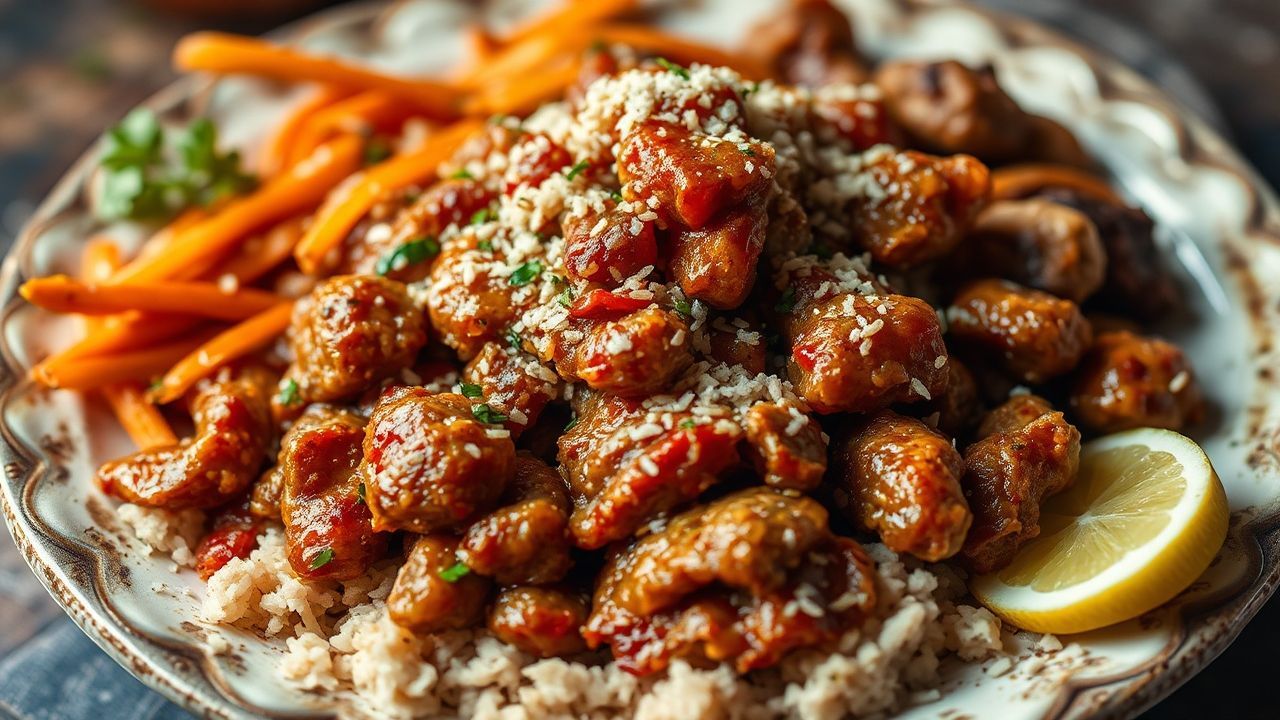

What truly transforms a meal from sustenance to a soul-stirring experience? In the heart of Saudi Arabia, that question finds its most profound answer in Kabsa, a dish that is far more than mere sustenance – it’s a cultural cornerstone, a celebration on a plate, and an enduring symbol of hospitality.
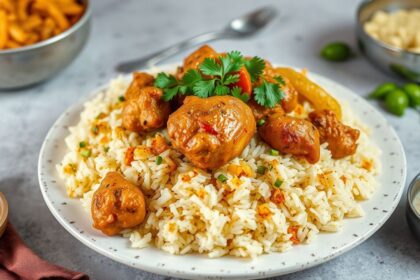
Kabsa, the undisputed king of Saudi Arabian cuisine, is a fragrant, richly spiced rice and meat dish that embodies the warmth and generosity of the Arabian Peninsula. Its origins are deeply rooted in the nomadic Bedouin traditions, where the harmonious blend of local spices, tender meat, and aromatic rice cooked to perfection was proof of resourcefulness and community. This iconic dish, often served as the centerpiece of family gatherings and special occasions, has transcended its regional boundaries to become a beloved staple across the Middle East and beyond, celebrated for its comforting flavors and its ability to bring people together. Understanding the nuances of its preparation is key to unlocking its true culinary magic.
Kabsa isn’t just a recipe; it’s a narrative of Saudi heritage, woven with the fragrant threads of tradition and shared moments.
The Soul of Saudi Cuisine: Understanding Kabsa
Kabsa is not a monolithic entity; rather, it is a tapestry of regional variations, each reflecting the unique agricultural bounty and cultural nuances of different areas within Saudi Arabia and the wider Gulf region. While the core components – rice, meat, and a distinctive spice blend – remain constant, the specific types of rice, the preferred protein, and the subtle adjustments in spice profiles create a spectrum of flavors and textures. At its most fundamental, Kabsa is a celebration of simplicity elevated by masterful technique and a profound understanding of flavor. The choice of rice, often a long-grain variety like Basmati or fragrant Saudi rice, is crucial for achieving the perfect fluffy texture that absorbs the rich broths without becoming mushy. The meat, traditionally chicken, lamb, or even camel, is typically slow-cooked to achieve exceptional tenderness, its essence infusing the entire dish.
The true artistry of Kabsa lies in its *baharat*, the complex spice mixture that forms its aromatic soul. This blend is a carefully guarded secret for many families, passed down through generations, and typically includes a harmonious symphony of cumin, coriander, black pepper, cardamom, cloves, cinnamon, and dried lime (*loomi*). The addition of *loomi*, a sun-dried lime, imparts a unique tangy, slightly bitter, and deeply savory note that cuts through the richness of the meat and rice, adding a layer of complexity that is quintessential to authentic Kabsa. Understanding these foundational elements is the first step towards mastering this iconic dish.
Crafting the Perfect Kabsa: An Essential Recipe
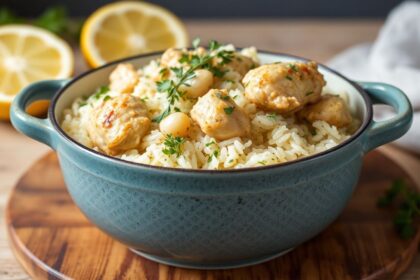
To truly appreciate Kabsa, one must engage with its creation. This recipe offers a gateway to experiencing the authentic flavors, designed for the home cook seeking to recreate this Saudi Arabian masterpiece. We will focus on a classic Chicken Kabsa, a widely beloved rendition that offers a superb balance of tradition and accessible ingredients.
Ingredients: A Symphony of Flavors
For the Chicken and Marinade:
- 1 whole chicken (approximately 1.5 kg / 3.3 lbs), cut into 4-6 pieces
- 2 tablespoons olive oil
- 1 tablespoon lemon juice
- 1 teaspoon ground cumin
- 1 teaspoon ground coriander
- ½ teaspoon turmeric powder
- ½ teaspoon ground black pepper
- ¼ teaspoon ground cardamom
- Salt to taste
For the Rice:
- 2 cups (400g) long-grain Basmati rice, rinsed thoroughly and soaked in water for 30 minutes
- 4 tablespoons ghee or unsalted butter
- 1 large onion, finely chopped
- 3 cloves garlic, minced
- 1-inch piece of ginger, grated
- 2-3 whole dried limes (*loomi*)
- 2-3 green cardamom pods
- 1-2 cloves
- 1 cinnamon stick
- 1 bay leaf
- ½ teaspoon ground cumin
- ½ teaspoon ground coriander
- ¼ teaspoon ground black pepper
- 4 cups (950ml) chicken broth or water
- Salt to taste
For Garnish (Optional but Recommended):
- ¼ cup (30g) toasted slivered almonds
- ¼ cup (30g) toasted pine nuts
- 2 tablespoons chopped fresh parsley or cilantro
The Art of Preparation: Step-by-Step Mastery
This is where the magic happens, transforming simple ingredients into a culinary triumph. Patience and attention to detail are your most important tools.
1. Marinate the Chicken: In a large bowl, combine the chicken pieces with olive oil, lemon juice, cumin, coriander, turmeric, black pepper, cardamom, and salt. Mix well to ensure each piece is evenly coated. Let it marinate for at least 30 minutes at room temperature, or up to 4 hours in the refrigerator. 2. Sauté Aromatics for Rice: In a large, heavy-bottomed pot or Dutch oven, melt the ghee over medium heat. Add the chopped onion and sauté until golden brown and softened, about 8-10 minutes. This caramelization is crucial for developing the base flavor. 3. Infuse the Spices: Add the minced garlic and grated ginger to the pot and cook for another minute until fragrant. Stir in the whole dried limes, cardamom pods, cloves, cinnamon stick, bay leaf, ground cumin, ground coriander, and black pepper. Toast these spices for about 1-2 minutes, stirring constantly, until their aroma is released.
Be careful not to burn them. 4. Sear the Chicken: Add the marinated chicken pieces to the pot and sear them on all sides until lightly browned. This step helps to lock in the juices and build flavor. 5. Simmer the Chicken: Pour in the chicken broth or water. Bring the mixture to a boil, then reduce the heat to low, cover the pot, and let it simmer for 30-40 minutes, or until the chicken is almost cooked through. Skim off any impurities that rise to the surface during this process. 6. Prepare the Rice: While the chicken simmers, drain the soaked Basmati rice. 7. Add Rice to the Pot: Once the chicken has simmered for the allotted time, carefully remove the chicken pieces from the pot and set them aside. Add the drained rice to the simmering broth, ensuring it is submerged.
Add salt to taste, remembering that the broth will reduce and concentrate. 8. Cook the Rice: Bring the mixture back to a gentle boil, then reduce the heat to the lowest setting. Cover the pot tightly, ensuring no steam escapes. Cook for 15-20 minutes, or until the rice is tender and has absorbed all the liquid. Avoid lifting the lid during this time. 9. Broil the Chicken (Optional for Crispy Skin): While the rice is cooking, preheat your broiler. Place the seared chicken pieces on a baking sheet and broil for 3-5 minutes, or until the skin is golden brown and slightly crispy. Keep a close eye to prevent burning. 10. Assemble and Rest: Once the rice is cooked, gently fluff it with a fork. Arrange the broiled chicken pieces on top of the rice. Cover the pot again and let it rest for 10 minutes off the heat.
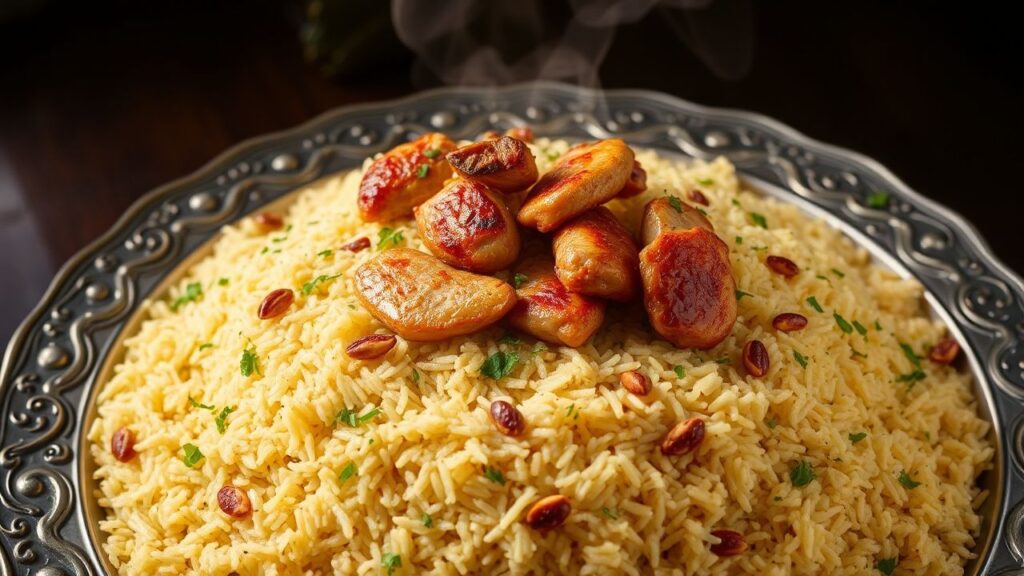
This allows the flavors to meld beautifully. 11. Garnish and Serve: Before serving, garnish generously with toasted almonds, pine nuts, and fresh parsley or cilantro.
Nutritional Insights: A Wholesome Indulgence
Kabsa, while a hearty and satisfying meal, offers a surprisingly balanced nutritional profile when prepared with care. A typical serving (approximately 1/6th of the recipe, including chicken and rice) provides:
- Calories: 550-700 kcal (depending on the amount of ghee/oil and the cut of chicken)
- Protein: 35-45g (primarily from the chicken)
- Carbohydrates: 60-75g (from the rice)
- Fat: 20-30g (from ghee, oil, and chicken fat)
- Fiber: 3-5g (from rice and spices)
It’s also a good source of essential micronutrients, including iron, B vitamins, and selenium, largely attributed to the chicken and the beneficial properties of the spices. The inclusion of whole spices like cardamom and cinnamon is also noted for their potential antioxidant properties. Research published in the *Journal of Food Science and Technology* has explored the antioxidant capacity of various spices commonly found in Kabsa, highlighting their role in contributing to the overall healthfulness of the dish.
The subtle tang of dried lime in Kabsa is a masterstroke, balancing richness and elevating the entire flavor profile with a distinct, unforgettable character.
Elevating Kabsa: Expert Tips for Culinary Excellence
Achieving that truly restaurant-quality Kabsa at home is within reach with these expert insights. These are the nuances that separate a good dish from an extraordinary one.
- The Spice Blend is Key: While the provided spice mix is excellent, don’t be afraid to experiment with your *baharat*. Some prefer a more pronounced cinnamon or cardamom note, while others might add a pinch of nutmeg or allspice. Toasting whole spices before grinding them can intensify their flavor significantly.
- Rice Rinsing and Soaking: Do not skip the thorough rinsing and soaking of your Basmati rice. This process removes excess starch, preventing the grains from clumping together and ensuring a fluffy, separate texture. The soaking also allows the grains to hydrate, leading to a more even cook.
- The Magic of *Loomi*: Dried limes, or *loomi*, are indispensable for authentic Kabsa. Puncture them a few times with a fork or knife before adding them to the pot to allow their intense flavor to release more effectively. If you can’t find them, a squeeze of fresh lemon juice at the end of cooking can offer a similar brightness, though the complex tang of *loomi* is unique.
- Toasting Nuts: Always toast your almonds and pine nuts. This simple step unlocks their nutty aroma and adds a delightful crunch that contrasts beautifully with the soft rice and tender chicken. You can toast them in a dry skillet over medium heat until golden, or spread them on a baking sheet and toast in a low oven.
- Presentation Matters: A beautifully presented Kabsa is a feast for the eyes as well as the palate. Serve it on a large, communal platter to encourage sharing and family interaction. The vibrant colors of the garnish add a final, appealing touch.
The Cultural Significance of Kabsa
Beyond its delectable taste, Kabsa holds profound cultural significance in Saudi Arabia and across the Arabian Peninsula. It is more than just a meal; it is a symbol of unity, generosity, and tradition. The act of preparing and sharing Kabsa is often a communal affair, with families gathering to cook and enjoy the dish together, reinforcing bonds and passing down culinary heritage. Its presence at celebrations, holidays, and important gatherings underscores its role as a dish that brings people together, fostering a sense of belonging and shared identity. In a study on food and cultural identity in the Middle East, researchers noted that dishes like Kabsa serve as “edible narratives,” carrying stories of history, migration, and adaptation within their very ingredients and preparation methods.
The communal serving style, where guests often eat from a single large platter using their right hand, further emphasizes the spirit of togetherness and hospitality deeply ingrained in Arab culture.
Frequently Asked Questions about Kabsa
What is the best type of rice for Kabsa?
The most traditional and highly recommended rice for authentic Kabsa is long-grain Basmati rice. Its ability to remain fluffy and separate after cooking, while absorbing the rich flavors of the broth, is unparalleled. Other long-grain varieties can be used, but Basmati is preferred for its aroma and texture.
Can I make Kabsa with lamb or beef instead of chicken?
Absolutely. While chicken Kabsa is very popular, lamb and beef are also traditional choices. When using lamb or beef, the cooking time will need to be extended to ensure the meat becomes exceptionally tender. Often, tougher cuts are preferred for their richer flavor, and they benefit from slow simmering for several hours.
What are dried limes (*loomi*) and where can I find them?
Dried limes, known as *loomi* or *limoo omani*, are a staple in Middle Eastern cooking. They are whole, sun-dried limes that have a unique tangy, slightly bitter, and earthy flavor. They are essential for authentic Kabsa, adding a distinctive depth. You can typically find them in Middle Eastern grocery stores, specialty spice shops, or online.
How can I make Kabsa spicier?
To add more heat to your Kabsa, you can incorporate fresh green chilies (like jalapeños or serranos) or a pinch of chili powder into the spice base along with the garlic and ginger. You can also add a few whole dried red chilies to the simmering broth for a subtler heat that infuses throughout the dish.
What are some common side dishes served with Kabsa?
Kabsa is often served on its own as a complete meal. However, it is sometimes accompanied by a simple fresh salad, a dollop of plain yogurt, or a spicy tomato salsa known as *daqoos*. The richness of the Kabsa often means that extensive side dishes are unnecessary, allowing the star of the show to shine.
See also: Kabsa