
“There are no good or bad foods, only good or bad cooks.” – Julia Child
- The Genesis of Kimchi Bokkeumbap: A Story of Necessity and Flavor
- Mastering the Art: An Authentic Kimchi Fried Rice Recipe
- Nutritional Snapshot: The Wholesome Heart of Kimchi Bokkeumbap
- Elevating Kimchi Fried Rice: Pro-Tips for Restaurant-Quality Results
- The Rice Factor: Not All Rice is Created Equal
- The Kimchi’s Song: Fermentation and Flavor Development
- The Maillard Reaction: The Secret to Crispy Rice
- The Umami Boost: Beyond the Kimchi
- The Egg’s Embrace: A Crown of Creaminess
- The Enduring Appeal of Kimchi Fried Rice
- Frequently Asked Questions about Kimchi Fried Rice
The humble act of transforming yesterday’s rice and a jar of fermented cabbage into a dish as vibrant and soul-satisfying as Kimchi fried rice is a profound testament to the ingenuity of Korean home cooking. Far from being a mere afterthought, this iconic dish, known affectionately as *kimchi bokkeumbap* (김치볶음밥), represents a philosophy of culinary resourcefulness, a celebration of fermentation’s transformative power, and a comforting embrace of familiar flavors. It’s a dish that speaks of shared meals, of making do with what you have, and of creating something truly extraordinary from the seemingly ordinary. The tang, the spice, the umami – all coalesce in a symphony that has captivated palates worldwide, transcending its humble origins to become a global comfort food staple.
- Culinary Alchemy: Kimchi fried rice transforms simple leftovers into a complex, flavorful dish.
- Cultural Significance: It embodies Korean resourcefulness and the appreciation of fermented ingredients.
- Versatility: Adaptable to various proteins and spice levels, it caters to diverse preferences.
- Sensory Experience: The dish offers a delightful interplay of textures and a robust flavor profile.
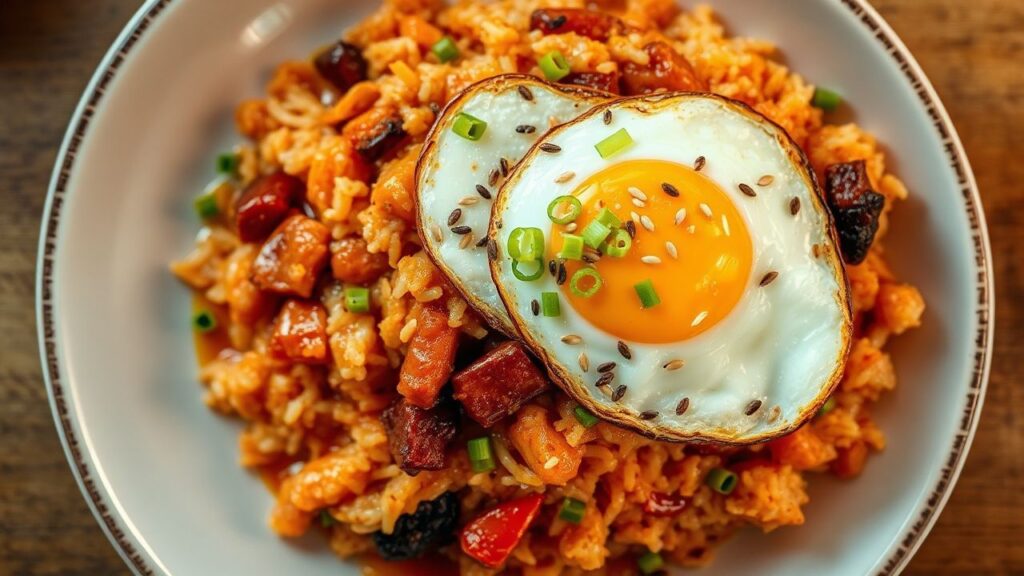
The Genesis of Kimchi Bokkeumbap: A Story of Necessity and Flavor
The origins of kimchi fried rice are deeply rooted in the practicalities of Korean domestic life. Historically, rice has been the bedrock of the Korean diet, and like any staple grain, leftover rice often found its way into subsequent meals. Kimchi, the ubiquitous fermented staple, with its distinctive pungent, spicy, and sour notes, proved to be the ideal companion for this repurposed rice. The combination likely emerged organically, as cooks sought to revive slightly hardened day-old rice and imbue it with the vibrant character of their beloved *kimchi*. This practice gained particular traction during periods of scarcity, where minimizing food waste was not just a virtue but a necessity.
The evolution of kimchi fried rice mirrors the broader trajectory of Korean cuisine, absorbing influences and adapting to changing times. While the core ingredients – rice and kimchi – remain constant, the additions and preparations have diversified. Early versions might have been simpler, focusing on the essential marriage of rice and well-fermented kimchi. Over time, the inclusion of various proteins like spam, canned tuna, or even thinly sliced pork belly became commonplace, adding richness and depth. The addition of a fried egg, with its unctuous yolk that melds beautifully with the rice, is a relatively more recent, yet now indispensable, embellishment that elevates the dish to iconic status. This adaptability is key to its enduring appeal; it’s a dish that welcomes personalization, allowing each cook to imprint their own story onto its familiar canvas.
Mastering the Art: An Authentic Kimchi Fried Rice Recipe
Crafting an exceptional kimchi fried rice requires attention to detail, from the quality of your kimchi to the technique of frying. This recipe aims to capture the essence of a truly authentic and deeply satisfying *kimchi bokkeumbap*.
Ingredients: The Foundation of Flavor
For truly remarkable kimchi fried rice, the quality of your ingredients is paramount. Opt for well-fermented, aged kimchi for the most profound flavor and a tender, slightly softened texture that fries beautifully.
Yields: 2-3 servings
Prep time: 15 minutes
Cook time: 15-20 minutes
- Kimchi: 1.5 cups (about 300g) well-fermented napa cabbage kimchi, chopped into bite-sized pieces. Reserve 2-3 tablespoons of the kimchi juice.
- Rice: 3 cups (about 500g) cooked short-grain rice, preferably day-old and slightly chilled. This ensures the grains remain separate and absorb flavors better.
- Protein (Optional):
- 150g pork belly, thinly sliced
- OR 1 can (150g) spam, diced
- OR 1 can (150g) tuna, drained and flaked
- Aromatics:
- 1 tablespoon neutral cooking oil (e.g., canola, vegetable)
- 1/2 medium onion, finely chopped
- 2 cloves garlic, minced
- Seasonings:
- 1 tablespoon gochujang (Korean chili paste) – adjust to your spice preference
- 1 teaspoon gochugaru (Korean chili flakes) – optional, for extra heat and color
- 1 teaspoon soy sauce
- 1/2 teaspoon sugar (to balance the acidity of the kimchi)
- 1 teaspoon sesame oil
- Garnishes:
- 2 large eggs
- 2 tablespoons chopped fresh green onions
- 1 teaspoon toasted sesame seeds
- Optional: a drizzle of extra sesame oil
The Culinary Process: From Humble Ingredients to Masterpiece
The magic of kimchi fried rice lies in the skillful interplay of heat and ingredients. A well-seasoned wok or a sturdy non-stick pan is your best ally here.
- Prepare the Kimchi and Rice: If your kimchi is in large pieces, chop it into roughly ½-inch squares. Ensure your cooked rice is cool; this prevents it from becoming mushy. If using day-old rice, gently break up any clumps with your hands.
- Cook the Protein (if using): Heat 1 tablespoon of neutral oil in a large skillet or wok over medium-high heat. If using pork belly, cook until rendered and slightly crispy. Remove the pork and set aside, leaving about 1 tablespoon of rendered fat in the pan. If using spam, cook until golden brown and slightly crisp; remove and set aside. If using tuna, you will add it later.
- Sauté the Aromatics: Add the chopped onion to the skillet and sauté for 2-3 minutes until softened and translucent. Add the minced garlic and cook for another 30 seconds until fragrant, being careful not to burn it.
- Incorporate the Kimchi: Add the chopped kimchi and the reserved kimchi juice to the skillet. Stir well and cook for 5-7 minutes, allowing the kimchi to soften further and caramelize slightly. This step is crucial for developing a deeper flavor profile.
- Build the Flavor Base: Stir in the gochujang, gochugaru (if using), soy sauce, and sugar. Cook for another 1-2 minutes, stirring constantly, until the sauces are well combined and fragrant.
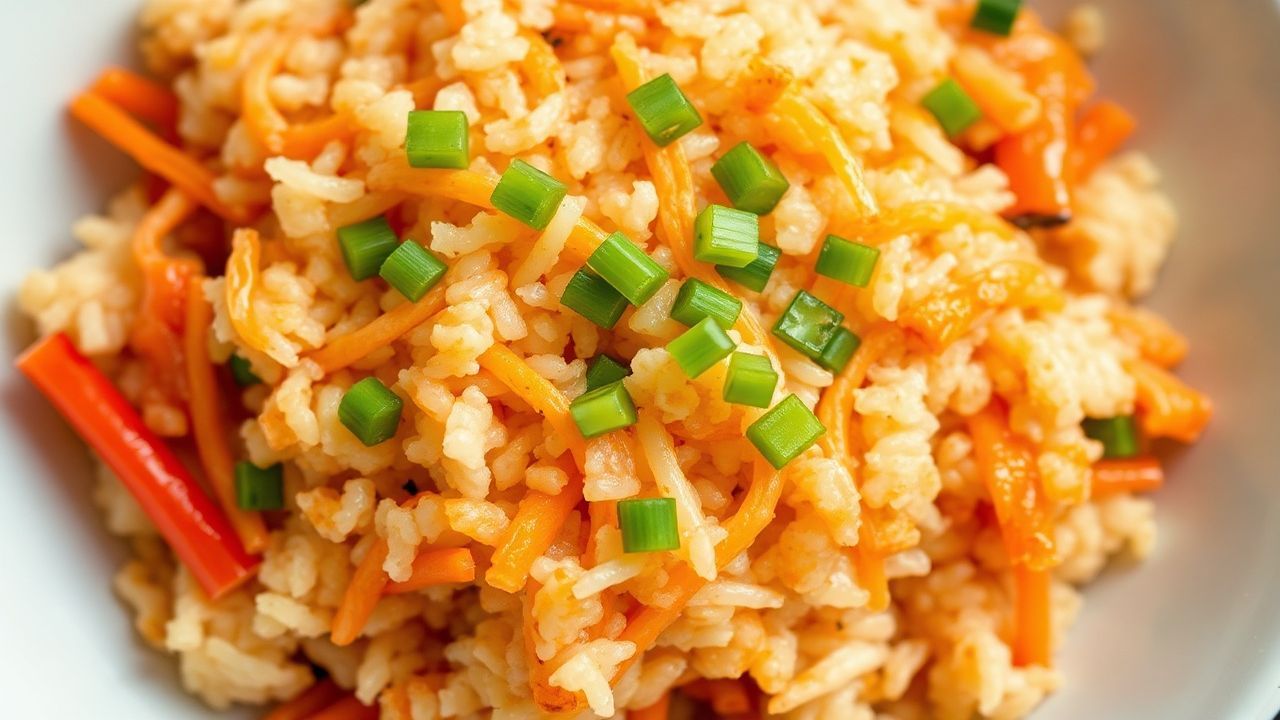
- Add the Rice and Protein: Add the cooked rice to the skillet. If you are using tuna, add it now. Toss everything together thoroughly, ensuring the rice is evenly coated with the kimchi mixture. Continue to stir-fry for 5-7 minutes, breaking up any remaining rice clumps and allowing the rice to heat through and absorb the flavors. The goal is for the rice grains to become slightly toasted and separated.
- Finishing Touches: Stir in the cooked pork belly or spam (if using). Drizzle with sesame oil and give it one final, vigorous stir. Taste and adjust seasoning if necessary – you might need a pinch more sugar or soy sauce depending on the saltiness and sourness of your kimchi.
- Fry the Eggs: While the rice is finishing, in a separate small pan, fry the eggs to your desired doneness – a runny yolk is highly recommended for that luxurious finish.
- Serve: Divide the kimchi fried rice among serving bowls. Top each portion with a fried egg, a sprinkle of chopped green onions, and toasted sesame seeds. A final drizzle of sesame oil is a welcome flourish.
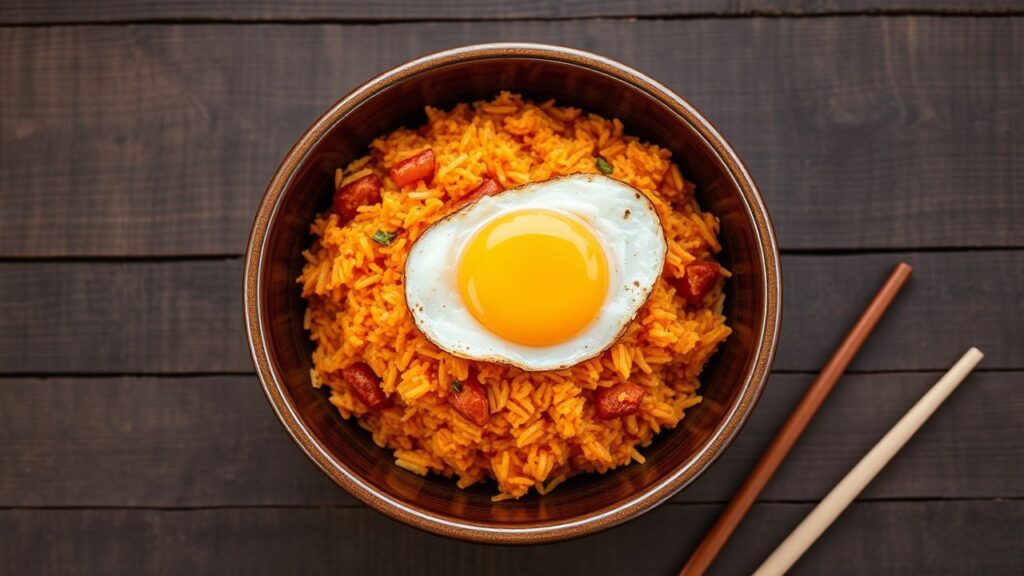
Nutritional Snapshot: The Wholesome Heart of Kimchi Bokkeumbap
While undeniably delicious and comforting, kimchi fried rice offers more than just flavor. It’s a surprisingly balanced dish, particularly when prepared with lean proteins and a mindful approach to oil.
Approximate Nutritional Information per Serving (based on recipe with pork belly, excluding garnishes):
- Calories: 450-550 kcal
- Protein: 15-20g
- Fat: 18-25g (varies significantly with protein choice and oil usage)
- Saturated Fat: 5-8g
- Carbohydrates: 55-65g
- Fiber: 3-5g
- Sodium: 800-1200mg (highly dependent on kimchi and soy sauce sodium content)
- Vitamins and Minerals: Rich in Vitamin C, Vitamin K, Vitamin A (from kimchi), and various B vitamins.
The fermentation process in kimchi contributes beneficial probiotics, which are thought to support gut health. The fiber content from the vegetables and rice aids digestion, and the protein from the added meat or tofu provides satiety. Opting for leaner proteins like chicken breast or firm tofu, and being judicious with the amount of oil used, can further enhance its nutritional profile.
Elevating Kimchi Fried Rice: Pro-Tips for Restaurant-Quality Results
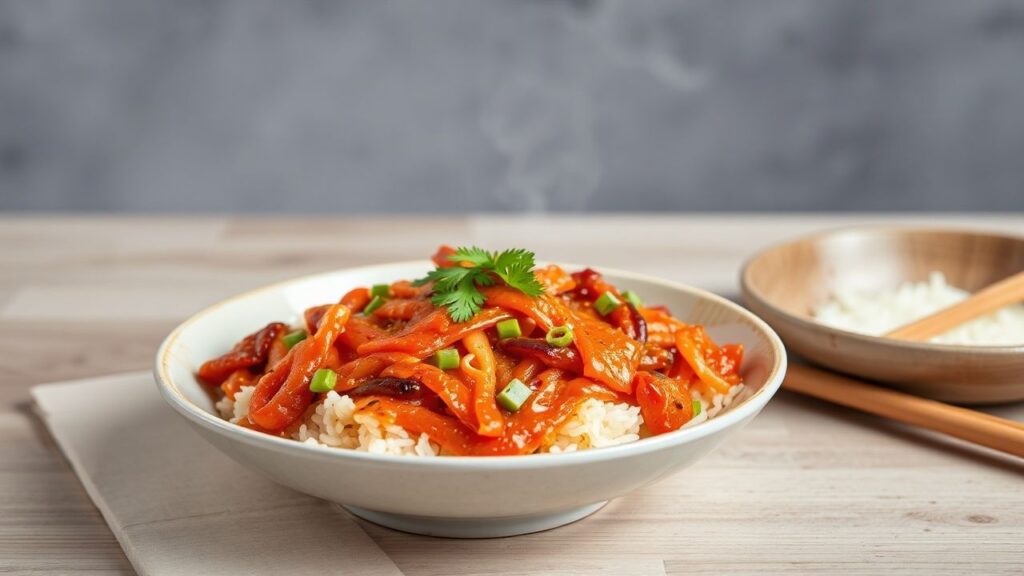
Transforming your home-cooked kimchi fried rice into a dish that rivals your favorite Korean restaurant is entirely achievable with a few key techniques and considerations.
The Rice Factor: Not All Rice is Created Equal
The type and preparation of rice are critical. Day-old, chilled short-grain rice is non-negotiable for authentic *kimchi bokkeumbap*. Freshly cooked rice contains too much moisture, leading to a sticky, clumpy texture that can become mushy when fried. Chilling the rice overnight allows the grains to firm up and separate, ensuring each grain can absorb the flavors of the kimchi and sauces individually. When breaking up chilled rice, use your hands rather than a spoon to gently separate the grains without crushing them.
The Kimchi’s Song: Fermentation and Flavor Development
As mentioned, aged kimchi is paramount. The longer it ferments, the more complex its flavor becomes – developing a pronounced sourness and a deeper umami. When cooking the kimchi, don’t rush the process. Sautéing it for at least 5-7 minutes allows its natural sugars to caramelize, mellowing its sharp acidity and concentrating its flavors. This step is where much of the dish’s characteristic depth is built.
The Maillard Reaction: The Secret to Crispy Rice
Achieving a slightly crispy, toasted texture in your rice is a hallmark of superior kimchi fried rice. This is all about the Maillard reaction, the chemical process responsible for browning and developing complex flavors. To encourage this, ensure your pan is hot and avoid overcrowding it. Stir-frying in batches, if necessary, can allow each grain of rice to come into direct contact with the hot pan, promoting a desirable crispness. Don’t be afraid to let the rice sit undisturbed for a minute or two on medium-high heat, allowing it to develop a slight crust before stirring.
The Umami Boost: Beyond the Kimchi
While kimchi provides a significant umami punch, consider amplifying it further. A small amount of fish sauce or a dash of anchovy paste can add an imperceptible yet profound depth of savory flavor without imparting a fishy taste. If you are using pork belly, rendering it thoroughly and using some of its flavorful fat for sautéing the aromatics will contribute significantly to the overall richness.
The Egg’s Embrace: A Crown of Creaminess
The fried egg topping is not merely decorative; it serves a functional purpose. A perfectly fried sunny-side-up egg with a runny yolk is key. When broken, the rich, creamy yolk acts as a sauce, coating the rice and binding the flavors together. The contrast between the slightly crispy rice and the luscious yolk is a textural delight that elevates the entire dish. For an extra layer of luxury, consider a Japanese-style *tamagoyaki* (rolled omelet), thinly sliced, for a more refined presentation and a slightly sweeter counterpoint.
The Enduring Appeal of Kimchi Fried Rice
Kimchi fried rice stands as proof of the enduring power of simple, honest cooking. It’s a dish that celebrates the cyclical nature of food, transforming leftovers into a culinary delight. Its adaptable nature, allowing for myriad variations with different proteins and spice levels, ensures its continued relevance and widespread appeal. Whether it’s a quick weeknight meal or a comforting dish shared among friends, *kimchi bokkeumbap* offers a taste of Korean heritage, a fusion of comfort and flavor that resonates deeply with home cooks and gourmands alike. Its journey from a practical kitchen solution to a globally recognized comfort food is a culinary narrative worth savoring. The vibrant red hue, the pungent aroma, and the satisfying chew of the rice all combine to create an experience that is both grounding and exhilarating.
Frequently Asked Questions about Kimchi Fried Rice
What is the best type of kimchi to use for kimchi fried rice?
The ideal kimchi for *kimchi bokkeumbap* is well-fermented, aged napa cabbage kimchi. This typically means kimchi that has been stored for at least one to two months, or even longer. Aged kimchi develops a more pronounced sourness, a deeper umami flavor, and a softer texture that fries beautifully. Fresh kimchi, while delicious, can be too crisp and sweet, lacking the complex tang necessary for a truly authentic *kimchi bokkeumbap*. The fermentation process breaks down the cabbage, making it tender and imbueing it with those signature robust flavors.
Can I use freshly cooked rice for kimchi fried rice?
While technically possible, using freshly cooked rice is highly discouraged for making kimchi fried rice. Freshly cooked rice contains a high moisture content, which will inevitably lead to a mushy, clumpy texture when fried. This dish relies on distinct, separated rice grains that can absorb flavors and develop a slight crispness. Day-old, chilled rice is essential because the refrigeration process dries out the surface of the grains and firms them up, allowing them to remain separate and achieve the desired texture during frying. If you must use freshly cooked rice, spread it thinly on a baking sheet and let it air dry for a few hours, or even refrigerate it for a couple of hours before using.
How can I make my kimchi fried rice spicier?
To increase the heat level of your kimchi fried rice, several methods can be employed. The most direct approach is to increase the amount of gochujang (Korean chili paste) and gochugaru (Korean chili flakes) used in the recipe. For an even more intense heat, you can add a finely minced fresh chili pepper, such as a serrano or jalapeño, along with the onions and garlic. Another effective strategy is to use a spicier variety of kimchi; some regions or brands produce kimchi with a higher chili content. Finally, a drizzle of spicy chili oil over the finished dish can provide an extra kick of heat and a complex chili flavor.
See also: Kimchi fried rice