
The Soul of Mexico on a Plate: Mastering Chiles Rellenos with Cheese
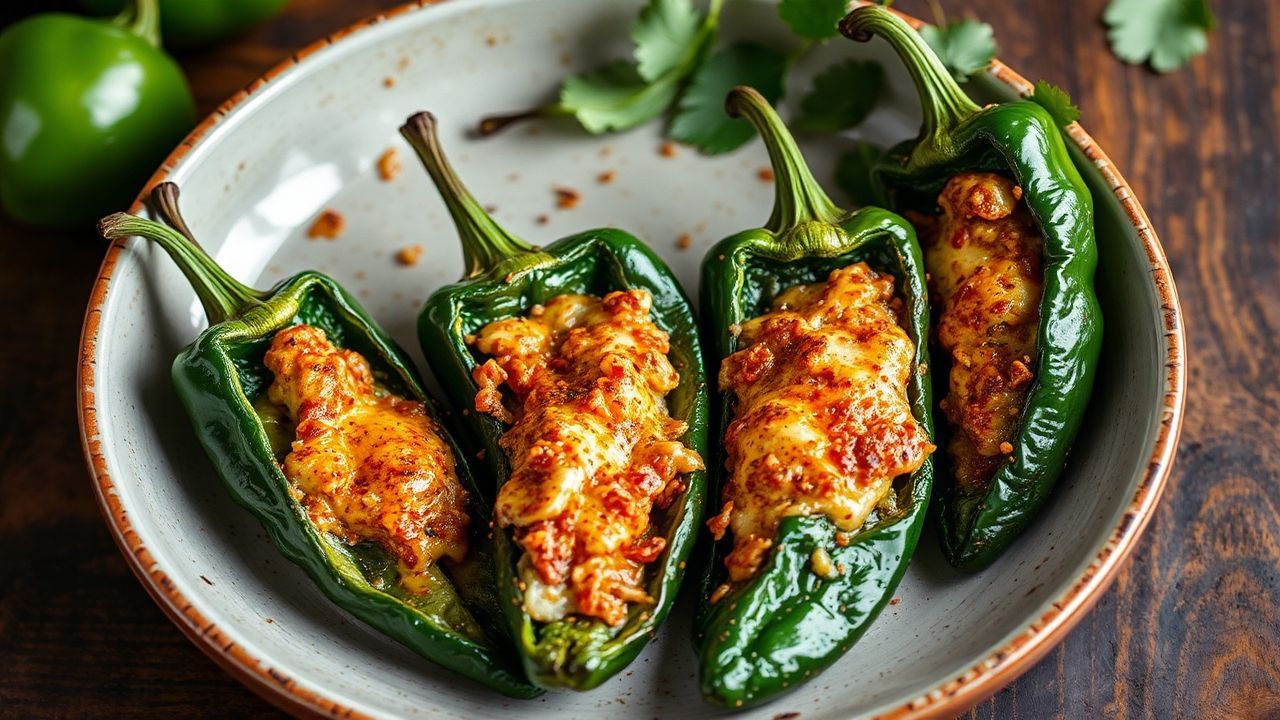
Few dishes embody the spirit of Mexican cuisine quite like chiles rellenos. More than just a meal, they are proof of patience, a celebration of vibrant flavors, and a canvas for culinary creativity. The notion of taking a robust poblano pepper, charring its skin to a smoky perfection, carefully seeding it, and then generously filling it with melty cheese, before encasing it in a cloud-like batter and submerging it in a rich tomato sauce, is nothing short of alchemy. This dish speaks of tradition, family gatherings, and the profound connection between the land and its people. This exploration explore creating truly exceptional cheese-filled chiles rellenos, moving beyond mere instruction to a deeper understanding of the ingredients, techniques, and the very soul that makes this dish so enduringly beloved.
- The Soul of Mexico on a Plate: Mastering Chiles Rellenos with Cheese
- Selecting and Preparing the Perfect Poblano
- The Heart of the Matter: Cheese Selection and Stuffing
- The Alchemical Transformation: Batter and Frying
- The Essential Accompaniment: The Tomato Sauce
- Nutritional Information (Approximate Per Serving)
- Elevating Your Chiles Rellenos to Culinary Heights
- Frequently Asked Questions
At a Glance: Key Insights for Perfect Chiles Rellenos
- Pepper Selection is Paramount: The poblano is king, but understanding its heat profile and texture is crucial for optimal results.
- The Art of Stuffing: Generosity with the cheese is key, but balance is achieved through careful stuffing without compromising structural integrity.
- Batter Brilliance: A light, airy batter that adheres beautifully to the pepper is the hallmark of a superior chile relleno.
- Sauce as a Symphony: The accompanying tomato sauce should complement, not overpower, the delicate flavors of the pepper and cheese.
The journey of a chile relleno begins long before it reaches the frying pan. It starts with the pepper itself. The poblano, with its mild to moderate heat and substantial, fleshy walls, is the quintessential choice. Its slightly sweet, earthy undertones provide a perfect counterpoint to the creamy, often sharp, cheese filling. However, not all poblanos are created equal. Understanding the subtle variations in their heat and the ripeness of the fruit will significantly impact the final dish. A perfectly ripe poblano will yield to the charring process without becoming mushy, retaining just enough firmness to hold its shape after stuffing and frying.
The cultural significance of chiles rellenos is deeply interwoven with the history of Mexican agriculture and culinary evolution. While its exact origins are debated, it is believed to have emerged from convents in Puebla during the colonial era, a period rich with gastronomic innovation where European ingredients and techniques were adapted to indigenous produce. The nuns, renowned for their culinary prowess, are often credited with developing many of the iconic dishes that define Mexican cuisine today. The creation of chiles rellenos likely stemmed from a desire to create celebratory dishes, using the vibrant colors of the ingredients – green of the chile, white of the cheese, and red of the tomato sauce – to symbolize the Mexican flag.
Selecting and Preparing the Perfect Poblano
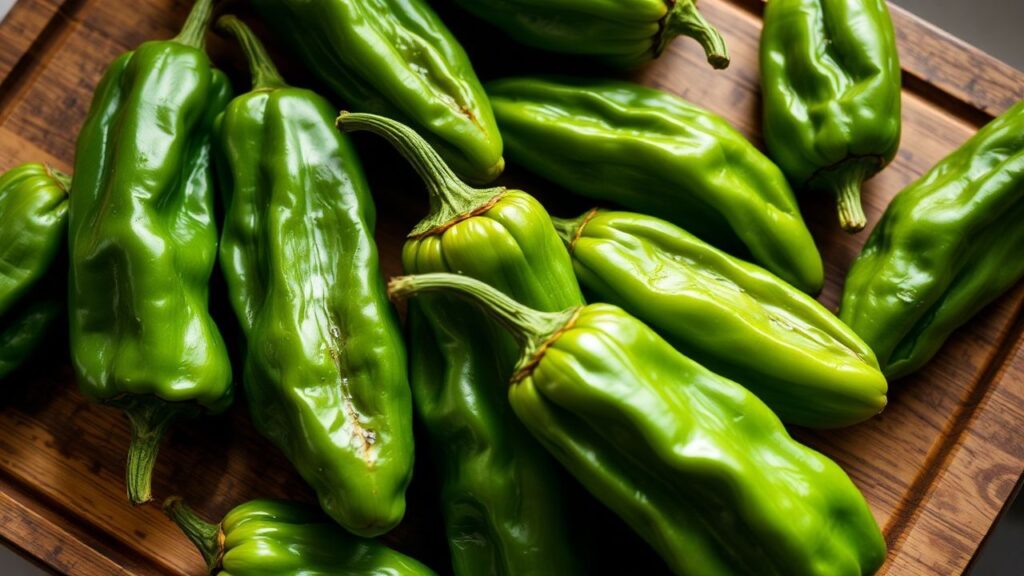
The foundation of an exquisite chile relleno is, unequivocally, the pepper. The poblano, a dark green, heart-shaped chile, is the traditional and most widely used variety. Its appeal lies in its substantial flesh, which provides a wonderful vessel for stuffing, and its moderate heat level, which offers a gentle warmth rather than an aggressive burn. However, the intensity of a poblano can vary considerably. Some may be quite mild, while others can pack a surprising kick. This variability is part of its charm, but for those sensitive to spice, it necessitates careful selection.
When choosing poblanos, look for peppers that are firm, with smooth, unblemished skin. The color should be a deep, rich green, indicating freshness and maturity. Avoid any with soft spots or signs of wilting, as these will compromise the integrity of the pepper during the cooking process. The size is also a consideration; aim for peppers that are large enough to hold a generous portion of cheese but not so large that they become unwieldy to handle or cook evenly.
The Crucial Charring Process
The charring of the poblano is a critical step, not merely for aesthetic appeal but for flavor development. This high-heat exposure begins the softening process of the pepper’s flesh and imparts a smoky, slightly bitter essence that is integral to the dish’s character. Traditionally, this is achieved directly over an open gas flame or under a broiler. The goal is to blister and blacken the skin evenly, ensuring that the heat penetrates the flesh without overcooking it to a mushy state.
Place the poblanos directly over the open flame of a gas burner, turning them frequently with tongs until the skin is completely blackened and blistered on all sides. Alternatively, you can place them on a baking sheet under a preheated broiler, turning them every few minutes. The key is consistent, intense heat. Once charred, immediately place the hot peppers into a heatproof bowl and cover it tightly with plastic wrap or a clean kitchen towel. This steaming process, known as “sweating,” helps to loosen the charred skin, making it easier to peel off.
Allow the peppers to steam for at least 10-15 minutes. The residual heat will continue to soften them. Once cooled enough to handle, gently rub off the blackened skin under cool running water. Be thorough, but don’t worry if a few small flecks remain; they often add to the rustic charm. After peeling, make a single slit down one side of each pepper, being careful not to cut all the way through. This opening will be used for deseeding and stuffing. Carefully remove the seeds and membranes. For the most authentic experience, it’s advisable to wear gloves during this process, as even mild poblanos can leave a residual heat on your hands.
The Heart of the Matter: Cheese Selection and Stuffing
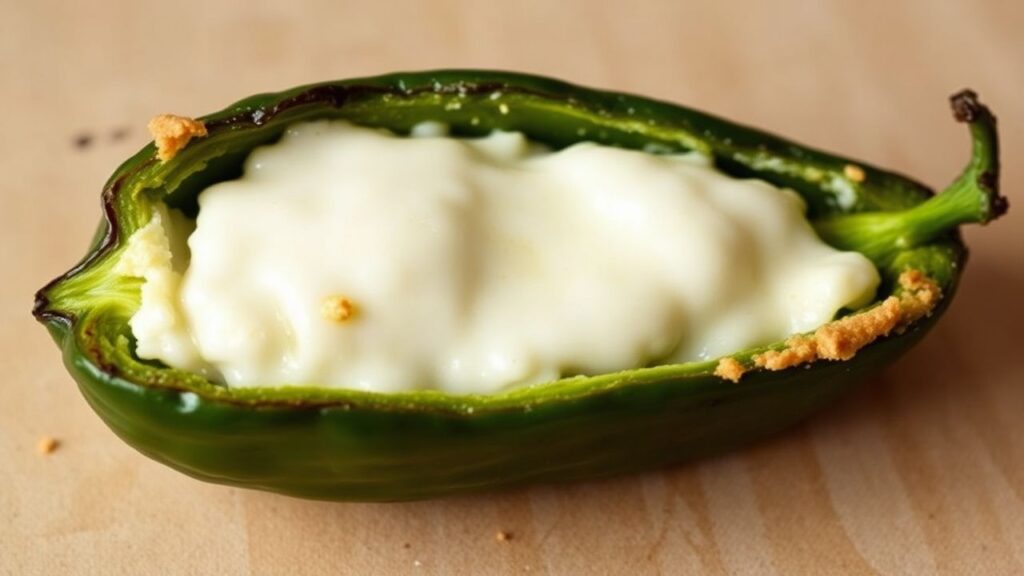
The choice of cheese is where personal preference truly comes into play, but the objective is always the same: a filling that is creamy, rich, and possesses a delightful stretch. The classic choice is Oaxaca cheese, a semi-firm, string-like cheese native to Mexico, renowned for its exceptional melting properties and mild, milky flavor. It’s akin to a mozzarella but with a more pronounced, satisfying pull. When melted, it creates a luscious, gooey center that contrasts beautifully with the tender pepper.
Beyond Oaxaca cheese, other excellent options include Monterey Jack, known for its buttery flavor and excellent meltability, or a good quality mild cheddar for a touch more tang. Some chefs enjoy a blend, perhaps combining Oaxaca with a bit of Asadero for added creaminess, or a hint of Cotija for a salty finish. The key is to avoid cheeses that become oily or grainy when melted. Grate or shred the cheese finely, as this will ensure it melts evenly and cohesively.
When stuffing the peppers, the aim is to fill them generously but without overstuffing, which can cause the pepper to split open during frying. Carefully spoon or press the shredded cheese into the cavity of each deseeded poblano. If you are using a more yielding cheese like Oaxaca, you may need to gently tuck it in to ensure it stays put. Some cooks like to add a thin layer of the cheese, then close the pepper slightly, then add more cheese, effectively layering it within the pepper’s natural form. This ensures pockets of molten cheese throughout.
The Alchemical Transformation: Batter and Frying
The batter is what transforms a stuffed pepper into a true chile relleno. The ideal batter should be light, airy, and form a delicate, golden crust that adheres beautifully to the pepper, providing a delightful textural contrast. The most traditional batter is made from egg whites, whipped to stiff peaks, and then gently folded with a small amount of egg yolks and a touch of flour. This technique creates a meringue-like coating that puffs up significantly during frying, resulting in a cloud-like texture.
To prepare the batter, separate the eggs, ensuring absolutely no yolk contaminates the whites. In a clean, dry bowl, whip the egg whites with an electric mixer or a whisk until stiff, glossy peaks form. Be careful not to over-whip, as this can make the batter dry. In a separate bowl, lightly whisk the egg yolks with a tablespoon or two of all-purpose flour. Gently fold the yolk mixture into the whipped egg whites in two or three additions, being careful not to deflate the airy volume you’ve created. The goal is a light, foamy batter.
Frying the chiles rellenos requires careful temperature control. Heat a generous amount of neutral oil, such as vegetable or canola oil, in a heavy-bottomed pot or Dutch oven to around 350°F (175°C). Too low a temperature will result in greasy peppers, while too high will burn the batter before the cheese has a chance to melt thoroughly. Once the oil is at the correct temperature, carefully dredge each stuffed pepper in the egg batter, ensuring it is completely coated. Gently lower the battered peppers into the hot oil, being careful not to overcrowd the pot. Fry for 3-5 minutes per side, or until golden brown and puffed.
Use tongs to carefully turn the peppers, ensuring even browning. As they cook, the batter will puff and become golden. Once perfectly fried, remove the chiles rellenos from the oil and place them on a wire rack set over a baking sheet to drain any excess oil. This step is crucial for maintaining the crispness of the batter. If you plan to serve them immediately, they are already nearing perfection.
A crucial aspect of achieving restaurant-quality results lies in the consistency of the oil temperature. I recall a particular culinary competition where a renowned chef, despite using the finest ingredients and techniques, faltered because his frying oil temperature fluctuated wildly. The result was unevenly cooked chiles rellenos, some pale and underdone, others burnt and greasy. Maintaining a stable 350°F (175°C) is not merely a suggestion; it is a non-negotiable for achieving that signature crisp exterior and perfectly melted interior.
The Essential Accompaniment: The Tomato Sauce
While the chile relleno is the star, the accompanying sauce is its vital supporting cast. A well-made tomato sauce for chiles rellenos should be vibrant, slightly tangy, and rich enough to coat the pepper without drowning it. The classic preparation involves ripe tomatoes, often blended with a bit of onion, garlic, and sometimes a mild serrano or jalapeño pepper for a subtle heat. Some recipes call for a touch of Mexican oregano or a pinch of cumin to deepen the flavor profile.
Begin by boiling or roasting fresh, ripe Roma tomatoes until their skins are blistered and their flesh is tender. Peel the tomatoes, then blend them with a small piece of white onion, a clove or two of garlic, and a small piece of chile (if using). You can strain the mixture for a smoother sauce, or leave it slightly chunky for a more rustic texture. Heat a tablespoon of oil in a saucepan and gently sauté the blended tomato mixture. Season with salt and a pinch of sugar to balance the acidity. Allow it to simmer for at least 15-20 minutes, reducing slightly and allowing the flavors to meld. Some chefs add a splash of chicken broth for added depth.
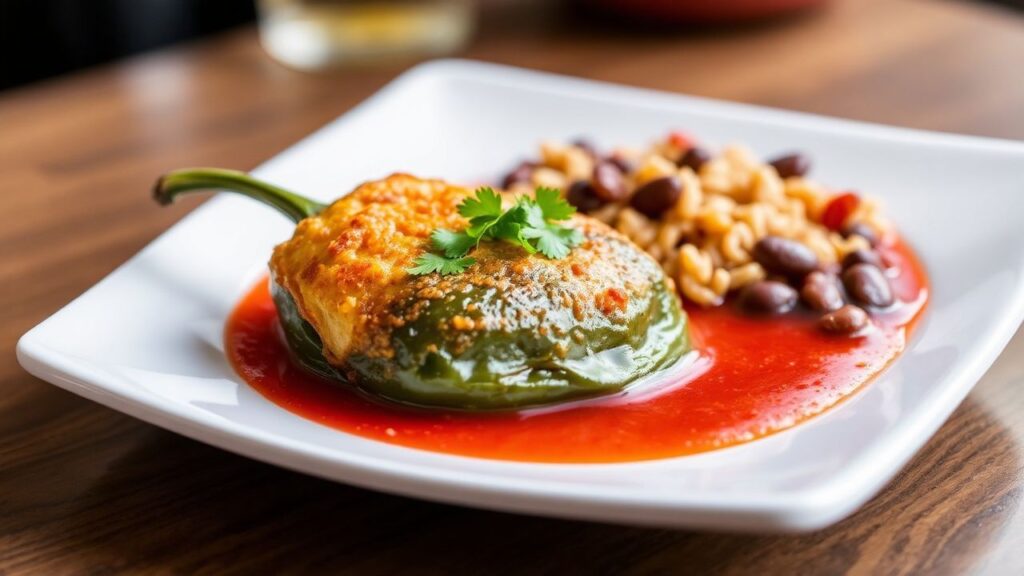
The sauce can be prepared in advance, making assembly on the day of serving much simpler. When ready to serve, gently warm the sauce. Ladle a generous portion onto each plate, then carefully place a fried chile relleno on top. Some prefer to gently bathe the chile relleno in the warm sauce, while others serve it alongside. Both methods are acceptable and offer a slightly different textural experience. The sauce should complement, not compete, with the delicate flavors of the pepper and cheese.
The interplay between the smoky poblano, the creamy cheese, the crispy batter, and the bright tomato sauce is what makes this dish so profoundly satisfying. It’s a symphony of textures and flavors that has captivated palates for generations. The variations are endless, from adding a dollop of crema to topping with a sprinkle of fresh cilantro, but the core elements remain constant, proof of its enduring appeal.
The historical context of this dish also offers a unique perspective. Consider the early Mexican kitchens, where ingredients were scarce but resourcefulness was abundant. The nuns in Puebla, facing similar constraints, masterfully transformed simple, local produce into dishes of extraordinary complexity and flavor. The chiles rellenos, with its humble origins, rose to become a symbol of Mexican culinary pride, showcasing the nation’s ability to create gastronomic masterpieces from the simplest of ingredients. This resilience and creativity are embedded in every bite.
Nutritional Information (Approximate Per Serving)
A single serving of chiles rellenos con queso, typically one pepper, can vary significantly based on the size of the pepper, the amount and type of cheese used, and the batter and frying method. However, a general estimate can be provided:
| Nutrient | Approximate Amount |
|---|---|
| Calories | 400-600 kcal |
| Protein | 15-25 g |
| Fat | 25-45 g |
| Saturated Fat | 10-20 g |
| Carbohydrates | 20-30 g |
| Fiber | 3-5 g |
| Sodium | 400-800 mg |
Note: These values are estimates and can fluctuate greatly. Opting for baked versions or using less oil can significantly reduce fat and calorie content. The sodium content is heavily influenced by the cheese and added salt.
Elevating Your Chiles Rellenos to Culinary Heights
For those seeking to refine their chile relleno craft, several advanced techniques can elevate the dish from good to extraordinary. Precision in each step is paramount, transforming a home-style favorite into a restaurant-caliber masterpiece.
The Art of Blanching and Peeling: While charring is traditional, some chefs prefer to blanch the poblanos in boiling water for a minute or two before charring. This can make the skin easier to remove and results in a slightly more tender pepper, though it can diminish some of the smoky notes. Experimentation is key to finding your preferred balance.
Batter Consistency is Key: The ratio of egg whites to yolks and flour is critical. Too much flour can make the batter heavy, while too few whites will result in a batter that doesn’t puff sufficiently. Aim for a light, meringue-like consistency that coats the pepper without being overly dense.
The Baking Method: For a lighter alternative to frying, consider baking the battered chiles rellenos. After battering, place them on a greased baking sheet and bake in a preheated oven at 400°F (200°C) until golden brown and puffed. While this reduces the crispness of a fried batter, it offers a less caloric option without sacrificing flavor.
Sauce Refinement: For a truly sophisticated sauce, consider roasting the tomatoes, onion, and garlic before blending. This intensifies their sweetness and adds a deeper layer of flavor. A small amount of tomato paste can also be added to the sautéed sauce to deepen its color and richness.
Garnishes that Sing: Beyond cilantro and crema, consider a sprinkle of toasted pepitas (pumpkin seeds) for crunch, a few slivers of pickled red onion for acidity, or even a drizzle of a smoky chipotle sauce for an extra layer of complexity. These small touches can make a significant difference in the overall presentation and flavor profile.
Frequently Asked Questions
What is the best type of cheese for chiles rellenos?
The most traditional and highly recommended cheese for chiles rellenos is Oaxaca cheese. Its excellent melting properties, mild flavor, and characteristic stretch make it ideal. However, Monterey Jack or a good quality mild cheddar are also excellent alternatives. For added complexity, a blend of cheeses can be used, incorporating cheeses like Asadero for creaminess or a hint of Cotija for saltiness. The key is to choose a cheese that melts well and complements the subtle sweetness of the poblano pepper.
Can chiles rellenos be made ahead of time?
Yes, chiles rellenos can be partially made ahead of time, which can simplify serving. The peppers can be roasted, peeled, and deseeded a day in advance and stored in the refrigerator. The tomato sauce can also be prepared a day or two in advance and reheated. The batter, however, is best made just before frying, as it tends to lose its volume and airiness if left to sit for too long. The frying process itself is also best done just before serving to ensure the batter remains crisp and the cheese is perfectly molten.
What makes the batter for chiles rellenos so light and fluffy?
The signature lightness and fluffiness of the batter for chiles rellenos are achieved primarily through the use of whipped egg whites. The egg whites are beaten to stiff peaks, incorporating a significant amount of air. This aerated mixture is then gently folded with the egg yolks and a small amount of flour. When the battered pepper hits the hot oil, the trapped air in the egg whites expands rapidly, causing the batter to puff up dramatically, creating a light, airy, and almost cloud-like crust.
Are there healthier alternatives to traditional fried chiles rellenos?
Absolutely. For a healthier preparation, consider baked chiles rellenos. After stuffing and battering, instead of frying, you can bake them on a greased baking sheet at around 400°F (200°C) until golden and puffed. Another approach is to skip the batter altogether and simply stuff the roasted and peeled poblano peppers with cheese and bake them until the cheese is melted. Serving with a lighter, fresh salsa instead of a rich tomato sauce can also contribute to a healthier meal. Using low-fat cheeses and controlling portion sizes are also effective strategies.
See also: Chiles rellenos