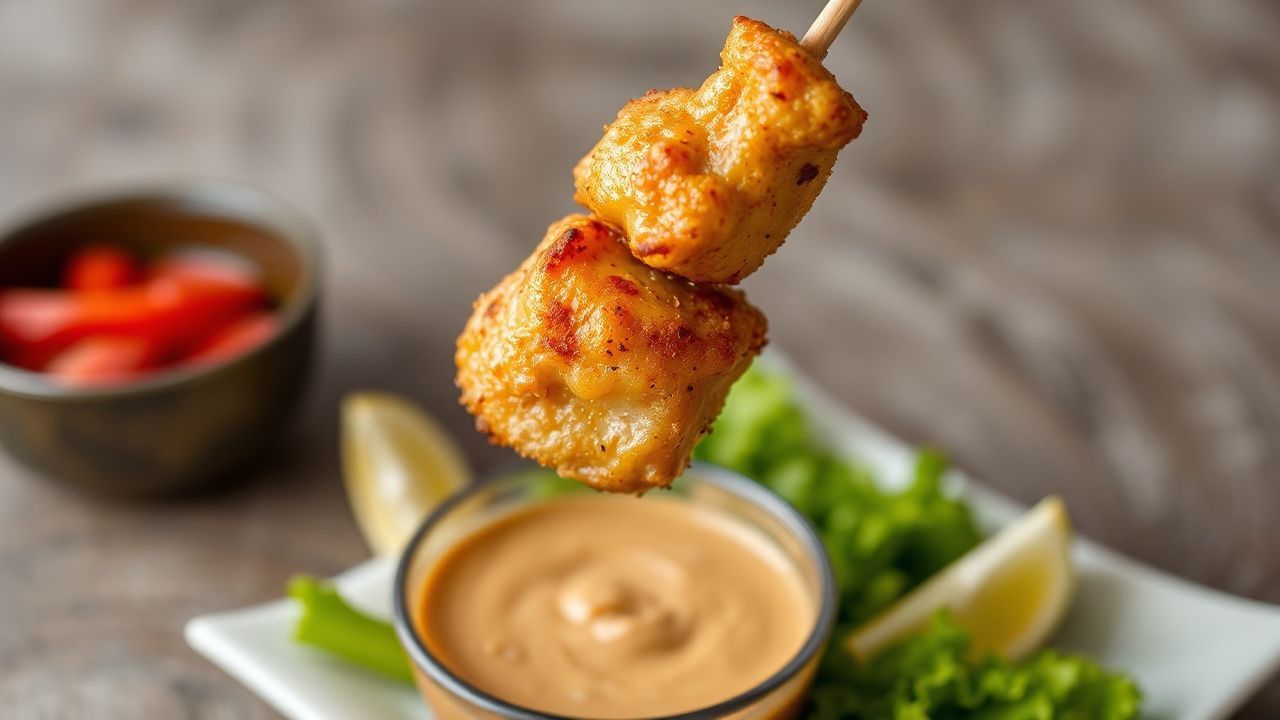

The Allure of Chicken Satay: More Than Just a Skewer
The global market for street food, where dishes like chicken satay reign supreme, is projected to reach over $200 billion by 2027. This staggering figure underscores the universal appeal of simple, flavorful, and accessible cuisine. Among the myriad of street food delights, chicken satay, with its intoxicating aroma of grilled meat infused with exotic spices and its accompanying unctuous peanut sauce, holds a special place in the pantheon of global appetizers. It’s a dish that transcends borders, beloved from the bustling night markets of Bangkok to sophisticated bistros in London. The magic of chicken satay lies not just in its taste, but in the harmonious interplay of textures and aromas – the slight char on the tender chicken, the creamy, nutty embrace of the sauce, and the refreshing crunch of accompanying accompaniments. It’s a sensory journey, a culinary narrative told through perfectly grilled morsels and a symphony of sweet, savory, and subtly spicy notes.
- The Allure of Chicken Satay: More Than Just a Skewer
- The Anatomy of an Exceptional Chicken Satay Marinade
- Crafting the Perfect Peanut Dipping Sauce: The Soulmate to Satay
- The Essential Ingredients: A Precise Blueprint
- The Method: A Step-by-Step Culinary Mastery
- Step 1: Preparing the Marinade
- Step 2: Marinating the Chicken
- Step 3: Crafting the Peanut Sauce
- Step 4: Skewering the Chicken
- Step 5: Grilling the Chicken Satay
- Step 6: Serving
- Nutritional Insights: A Flavorful Indulgence
- Expert Pro-Tips: Elevating Your Chicken Satay Game
- A Brief History of Skewered Delights: The Roots of Satay
- FAQ: Your Burning Questions About Chicken Satay Answered
At a Glance: Key Takeaways for Phenomenal Chicken Satay
- Marination is Paramount: A minimum of 2 hours, ideally overnight, is crucial for the lemongrass, turmeric, and coconut milk to penetrate the chicken, ensuring deep flavor and tenderness.
- The Peanut Sauce Equation: Balancing richness (peanut butter), sweetness (palm sugar/honey), acidity (lime juice/tamarind), and heat (chili) is the key to a truly memorable sauce.
- Grilling Technique Matters: Medium-high heat, consistent turning, and avoiding overcrowding the grill are vital for achieving that signature char without drying out the meat.
- Presentation Elevates: Garnishes like fresh cilantro, crushed peanuts, and a squeeze of lime transform a good dish into an exceptional one.
This article is not merely a recipe; it’s an exploration into the very soul of chicken satay, dissecting the nuances of its preparation and offering insights that will elevate your home-cooked version to restaurant-quality standards. The science behind the marinade, the art of crafting the perfect peanut sauce, and the essential techniques for achieving that coveted smoky char will be explored. Prepare to be captivated by the journey of transforming humble chicken into an unforgettable gastronomic experience.
The Anatomy of an Exceptional Chicken Satay Marinade
The foundation of any truly remarkable chicken satay rests firmly in its marinade. This is where the magic begins, where raw chicken is transformed into a flavor powerhouse. A well-executed marinade doesn’t just impart taste; it tenderizes the meat, creating a succulent texture that is utterly irresistible. The typical Southeast Asian marinade for chicken satay is a complex blend of aromatics, spices, and liquids, each playing a crucial role.
Central to this blend is the aromatic trio of lemongrass, galangal, and turmeric. Lemongrass, with its bright, citrusy notes, cuts through the richness of the chicken and coconut milk. Galangal, a close cousin to ginger, offers a more pungent, peppery, and almost floral undertone that is distinct from its more common relative. Turmeric, beyond its vibrant golden hue, contributes an earthy, slightly bitter complexity and is also celebrated for its anti-inflammatory properties. The combination of these three, finely minced or pounded into a paste, creates a fragrant base that is quintessentially Southeast Asian.
Coconut milk, the creamy liquid extracted from mature coconuts, is another indispensable component. It not only adds a luxurious richness and smooth texture to the marinade but also acts as a carrier for the spices, allowing them to penetrate the chicken more effectively. The fat content in coconut milk helps to tenderize the meat by breaking down protein strands. Furthermore, the slight sweetness of coconut milk balances the other flavors.
Beyond these core elements, a typical marinade will also include ingredients like garlic, shallots, coriander seeds, cumin seeds, fish sauce (for umami depth), and a touch of sugar (often palm sugar or brown sugar) to balance the savory and sour notes and aid in caramelization during grilling. The precise ratio of these ingredients can vary significantly by region and family tradition, leading to a fascinating spectrum of subtle flavor differences. For instance, some variations might lean heavier on chili for a spicier kick, while others might incorporate a touch of tamarind for a more pronounced tang.
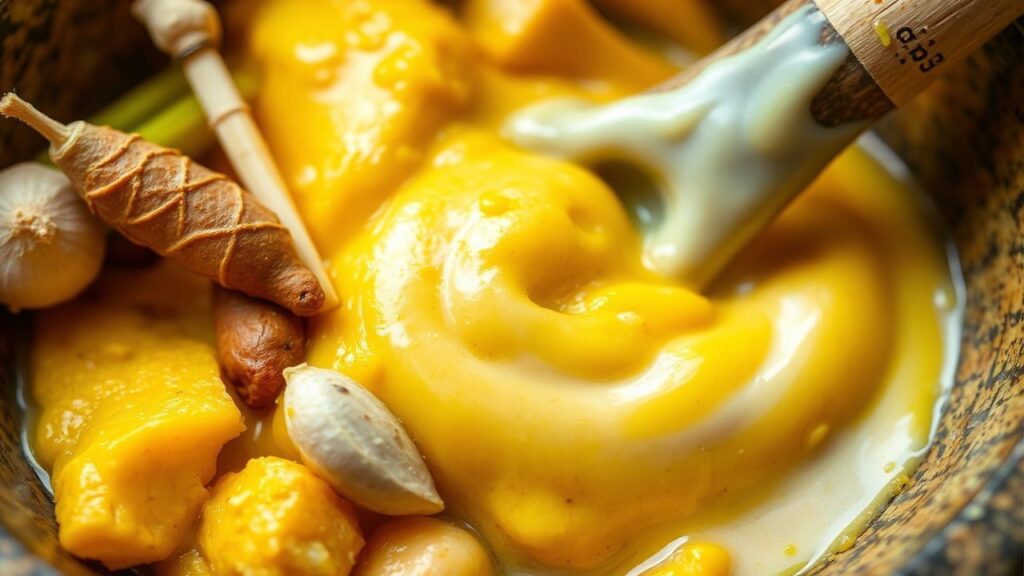
Crafting the Perfect Peanut Dipping Sauce: The Soulmate to Satay
If the marinated chicken is the body of the dish, then the peanut dipping sauce is undoubtedly its soul. This rich, complex, and utterly addictive condiment is what truly elevates chicken satay from merely grilled chicken to an unforgettable culinary experience. A truly great peanut sauce is a delicate balancing act, a harmonious blend of sweet, savory, sour, and spicy elements, all brought together by the creamy, earthy foundation of roasted peanuts.
The base of any exceptional peanut sauce is, of course, peanut butter. For the most authentic flavor, it’s best to use unsweetened, natural peanut butter. Roasted peanuts, ground into a paste, offer a more nuanced flavor profile than commercially processed peanut butter, which can sometimes contain added sugars and oils that dilute the pure peanut essence. Toasting raw peanuts until fragrant and then grinding them into a paste yourself will yield unparalleled results.
The richness of the peanut butter is then complemented by a symphony of other ingredients. Coconut milk reappears here, providing a silken texture and a subtle sweetness that rounds out the flavors. Palm sugar (or brown sugar) is essential for that characteristic sweetness, but its caramel notes add a depth that granulated sugar cannot replicate. Tamarind paste or fresh lime juice provides the crucial acidic counterpoint, cutting through the richness and preventing the sauce from becoming cloying. The tang of tamarind, with its complex fruity and sour notes, is particularly prized in many Southeast Asian variations.
For umami and depth, fish sauce is a non-negotiable ingredient in many authentic recipes. Its salty, fermented character adds a savory complexity that enhances all the other flavors. A touch of soy sauce can also be used as an alternative or in conjunction with fish sauce, depending on regional preferences. Heat is typically introduced through red chilies, either fresh or dried, pounded into a paste or finely minced. The level of heat can be adjusted to personal preference, but a gentle warmth is usually desired to complement, not overpower, the other flavors.
Finally, aromatics like garlic and shallots, sautéed until fragrant, add another layer of complexity. Some recipes also incorporate toasted spices like coriander and cumin for added depth. The process of cooking the sauce allows these flavors to meld and deepen, transforming simple ingredients into a complex, layered condiment.
The Essential Ingredients: A Precise Blueprint
To embark on this culinary journey, gather these meticulously selected ingredients. Precision in measurement is key to achieving the desired flavor profiles.
For the Chicken Satay Marinade:
- Chicken Thighs: 1 kg (2.2 lbs), boneless, skinless, cut into bite-sized pieces (approximately 2.5 cm / 1 inch cubes). Thighs are preferred for their higher fat content, which keeps the chicken moist during grilling.
- Coconut Milk: 200 ml (approximately 7 fl oz / a little less than 1 cup), full-fat.
- Lemongrass: 2 stalks, tough outer layers removed, finely minced (about 2-3 tablespoons).
- Galangal: 1 inch piece, peeled and finely minced (about 1 tablespoon). If unavailable, use fresh ginger, but be aware the flavor profile will differ.
- Turmeric: 1 teaspoon, ground, or 1 inch fresh turmeric root, peeled and finely minced.
- Garlic: 4 cloves, minced.
- Shallots: 2 medium, finely minced.
- Coriander Seeds: 1 teaspoon, toasted and ground.
- Cumin Seeds: 1 teaspoon, toasted and ground.
- Fish Sauce: 2 tablespoons.
- Brown Sugar (or Palm Sugar): 1 tablespoon.
- Vegetable Oil (or Peanut Oil): 2 tablespoons, for marinating.
- Salt: 1 teaspoon, or to taste.
- Bamboo Skewers: 20-25, soaked in water for at least 30 minutes to prevent burning.
For the Peanut Dipping Sauce:
- Natural Peanut Butter: 200g (approximately 7 oz / a scant cup), unsweetened and unsalted.
- Coconut Milk: 250 ml (approximately 8.5 fl oz / a generous cup).
- Tamarind Paste: 2 tablespoons, or juice of 1-2 limes.
- Palm Sugar (or Brown Sugar): 2-3 tablespoons, or to taste.
- Fish Sauce: 1-2 tablespoons, or to taste.
- Garlic: 2 cloves, minced.
- Shallots: 1 small, finely minced.
- Red Chilies: 1-2, deseeded and finely minced (adjust to spice preference).
- Water: As needed, to achieve desired consistency.
- Sesame Oil: 1 teaspoon (optional, for added aroma).
The Method: A Step-by-Step Culinary Mastery
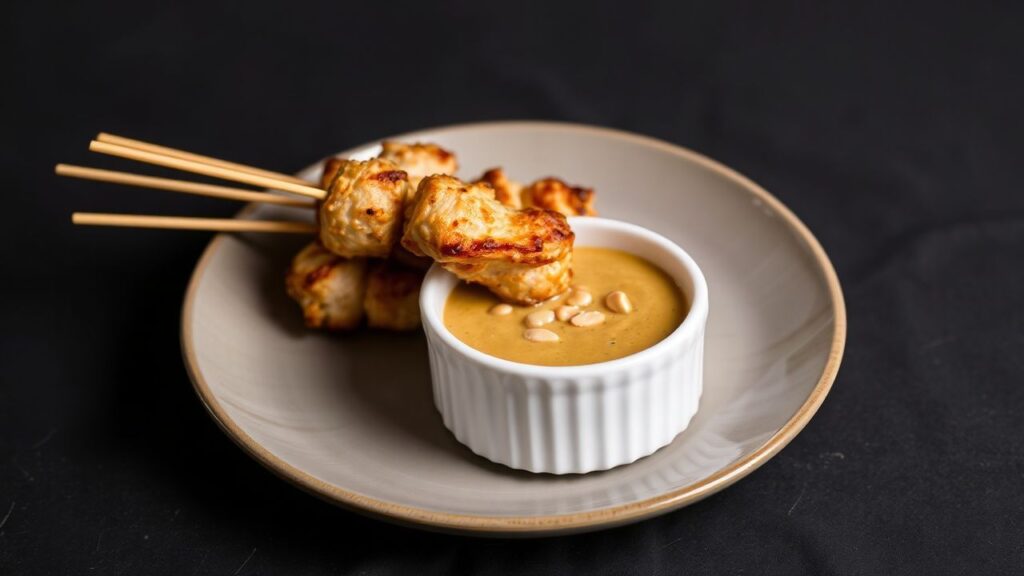
Achieving perfection in chicken satay requires attention to detail at every stage, from marination to grilling. Follow these steps meticulously for a truly outstanding result.
Step 1: Preparing the Marinade
In a large bowl, combine the minced lemongrass, galangal, turmeric, garlic, shallots, ground coriander, and cumin. Add the coconut milk, fish sauce, brown sugar, vegetable oil, and salt. Whisk everything together until well combined.
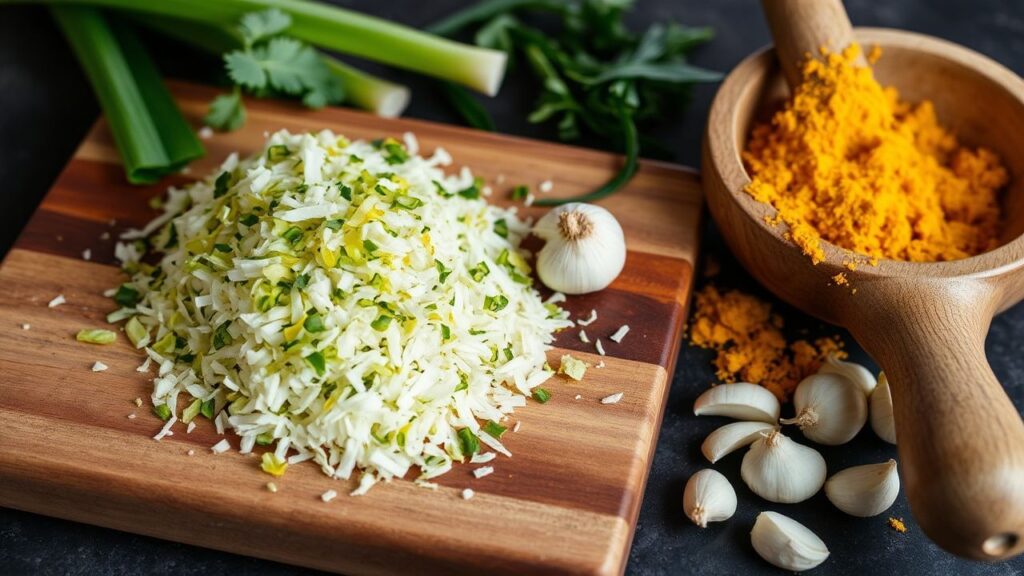
Step 2: Marinating the Chicken
Add the chicken thigh pieces to the marinade, ensuring each piece is thoroughly coated. Cover the bowl tightly with plastic wrap and refrigerate for at least 2 hours, or preferably overnight, for maximum flavor infusion.
Step 3: Crafting the Peanut Sauce
While the chicken marinates, prepare the peanut sauce. In a medium saucepan, heat a tablespoon of neutral oil over medium heat. Add the minced garlic and shallots and sauté until fragrant, about 1-2 minutes, being careful not to burn them. Add the minced chilies and cook for another minute.
Pour in the coconut milk and bring to a gentle simmer. Stir in the peanut butter, palm sugar, tamarind paste (or lime juice), and fish sauce. Whisk continuously until the peanut butter is fully incorporated and the sauce is smooth and creamy.
Simmer the sauce over low heat for 10-15 minutes, stirring occasionally, to allow the flavors to meld and thicken. If the sauce becomes too thick, add a little water, a tablespoon at a time, until it reaches your desired consistency. Taste and adjust seasoning – you might need more sugar for sweetness, more lime juice for tanginess, or more fish sauce for saltiness. Stir in the sesame oil, if using, just before serving. Keep warm.
Step 4: Skewering the Chicken
Once marinated, thread the chicken pieces onto the soaked bamboo skewers. Don’t pack the pieces too tightly; leave a small space between each piece to allow for even cooking and charring. Aim for about 4-5 pieces per skewer.
Step 5: Grilling the Chicken Satay
Preheat your grill to medium-high heat. Lightly oil the grill grates to prevent sticking. Place the skewers on the hot grill, ensuring not to overcrowd the surface.
Grill the chicken satay for approximately 3-4 minutes per side, turning regularly, until the chicken is cooked through and develops a beautiful char. The sugars in the marinade will caramelize, creating delicious browned edges. If using a stovetop grill pan, cook in batches.
Step 6: Serving
Arrange the grilled chicken satay skewers on a platter. Serve immediately with the warm peanut dipping sauce. Garnish with fresh cilantro leaves, chopped roasted peanuts, and wedges of lime for an extra burst of freshness and flavor. Traditional accompaniments often include sliced cucumber and red onion, which offer a refreshing contrast to the richness of the satay and sauce.
Nutritional Insights: A Flavorful Indulgence
While chicken satay is undeniably delicious, it’s also a dish that can be enjoyed as part of a balanced diet, with mindful preparation. The following nutritional information is an estimate per serving (assuming 4-5 skewers per serving, approximately 100g of cooked chicken and 30g of sauce).
- Calories: 350-450 kcal
- Protein: 25-35g
- Fat: 20-30g (varying based on fat content of chicken and amount of oil/peanut butter used)
- Saturated Fat: 7-10g
- Carbohydrates: 15-25g (primarily from sugar in the marinade and sauce)
- Fiber: 3-5g
- Sodium: 500-800mg (can vary significantly based on fish sauce/salt content)
Factors influencing nutritional content:
- Cut of Chicken: Using chicken breast will reduce fat content but may result in drier satay. Thighs offer more moisture and flavor.
- Peanut Butter Type: Natural, unsweetened peanut butter is generally healthier than those with added sugars and oils.
- Oil Usage: Minimizing oil during marinating and grilling can reduce overall fat.
- Sauce Consistency: A thicker sauce will have a higher concentration of calories and fat per serving. Diluting with water or coconut milk can moderate this.
The inclusion of spices like turmeric also offers potential health benefits, as it contains curcumin, a compound with strong anti-inflammatory and antioxidant properties.
Expert Pro-Tips: Elevating Your Chicken Satay Game
Transforming your chicken satay from good to absolutely sublime requires a few nuanced touches. These are the secrets that chefs employ to create truly memorable dishes.
- The Power of Pre-Grilling Aromatics: For an even deeper flavor, consider lightly toasting your coriander and cumin seeds before grinding them. This releases their essential oils and intensifies their aroma and taste. Similarly, gently bruising the lemongrass stalks before mincing can help release more of their fragrant oils.
- Tamarind’s Nuances: If using tamarind paste, ensure it’s of good quality. Some pastes are very concentrated, while others are more diluted. Start with the recommended amount and add more gradually, tasting as you go, to achieve the perfect balance of tanginess without overwhelming the other flavors. For a brighter, fresher acidity, fresh lime juice is an excellent substitute, though it offers a slightly different flavor profile.
- The Maillard Reaction Mastery: The key to that irresistible char on chicken satay is the Maillard reaction, a complex chemical process that occurs between amino acids and reducing sugars when food is heated. A slightly higher sugar content in the marinade, combined with adequate heat and proper grilling time, will promote this browning and contribute significantly to the depth of flavor. However, be vigilant, as excessive sugar can lead to burning rather than caramelization.
- Beyond the Grill: If grilling isn’t an option, a cast-iron skillet or a broiler can be used. With a skillet, cook the skewers in batches over medium-high heat, turning to ensure even browning. Under a broiler, keep a very close eye on the chicken as it can cook and char very quickly.
A Brief History of Skewered Delights: The Roots of Satay
The origins of satay are deeply intertwined with the vibrant street food culture of Southeast Asia, particularly Indonesia, Malaysia, and Thailand. While its exact genesis is debated, it is widely believed to have emerged as a culinary adaptation of nomadic food preparation techniques, where meat was cooked over open fires on skewers for convenience and portability. The word “satay” itself is thought to be of Javanese origin. This method of cooking, utilizing readily available ingredients and simple tools, allowed for quick and flavorful meals, making it an ideal choice for bustling marketplaces and roadside vendors. Over centuries, as trade routes expanded and cultural exchanges flourished, the preparation of satay evolved, incorporating regional spices and flavor profiles. For instance, Indonesian satay often features a sweeter, soy-sauce-based marinade, while Thai versions are renowned for their more complex spice blends and the ubiquitous peanut sauce. The dish’s adaptability and inherent deliciousness have cemented its status as a beloved international favorite. You can learn more about the broader history of grilled meats and skewers on Wikipedia’s Kebab article, which touches upon similar culinary traditions.
FAQ: Your Burning Questions About Chicken Satay Answered
Here are answers to some of the most common questions aspiring chicken satay chefs have.
H3: How long should I marinate chicken satay for?
For optimal flavor and tenderness, a minimum marination time of 2 hours is recommended. However, for truly exceptional results, marinating the chicken overnight (8-12 hours) is ideal. This extended period allows the aromatics, spices, and coconut milk to deeply penetrate the chicken fibers, resulting in a more succulent and intensely flavored final product. Shorter marination times will still yield a tasty dish, but the depth of flavor will be less pronounced.
H3: Can I make chicken satay ahead of time?
Yes, you can prepare many components of chicken satay in advance. The chicken can be marinated and kept in the refrigerator for up to 24 hours. The peanut sauce can also be made a day or two ahead and stored in an airtight container in the refrigerator; gently reheat it over low heat, adding a splash of water or coconut milk if it has thickened too much. The skewers themselves are best grilled just before serving to ensure they are hot and perfectly cooked, but you can thread them a few hours in advance and keep them chilled.
H3: What are the best substitutes for ingredients like galangal or fish sauce?
Galangal has a unique peppery, citrusy flavor that is difficult to replicate exactly. If unavailable, fresh ginger can be used as a substitute, but it will impart a different, though still pleasant, flavor profile. Use about half the amount of ginger as you would galangal, as it can be more pungent. For fish sauce, soy sauce or tamari (for a gluten-free option) can be used, but they will offer a different umami and saltiness. You may need to adjust other seasonings accordingly. A vegetarian oyster sauce can also provide a good savory depth.
H3: How do I prevent my chicken satay skewers from burning on the grill?
Several factors contribute to preventing burning. Firstly, ensure your grill is at a medium-high heat, not excessively high. Overcrowding the grill can lead to uneven cooking and burning as heat circulation is impeded. Leave adequate space between skewers. Secondly, turn the skewers frequently – every 2-3 minutes – to ensure even cooking and prevent any one side from charring too much. Lastly, the sugar content in the marinade can cause it to caramelize and burn quickly. Watching the skewers closely and removing them as soon as they are cooked through is crucial. A light coating of oil on the grill grates also helps prevent sticking.
See also: Chicken Satay