
Adana Kebab: More Than Just a Skewer, It’s proof of Terroir and Technique
The common perception of Adana Kebab, often relegated to a mere spicy lamb skewer, is a profound disservice to its rich heritage and the meticulous craft it embodies. This isn’t simply about ground lamb seasoned with chili; it is a culinary artifact, a distillation of the Anatolian landscape, the cultural exchange of Southeastern Turkey, and proof of the power of a few, perfectly balanced ingredients. To truly appreciate Adana Kebab is to understand that the quality of the lamb, the precise grind, the subtle interplay of spices, and the accompanying, almost ethereal, lavash bread are not incidental details but fundamental pillars of its iconic status. Explorations in Adana, the very cradle of this dish, revealed a dedication to tradition that transcends mere recipe-following, bordering on an almost sacred ritual. The scent of roasting meat, mingled with the earthy aroma of woodsmoke and the sharp tang of sumac-dusted onions, is an olfactory symphony that lingers long after the last bite. This is a dish that speaks of its origins, a fiery declaration of identity served on a plate.
- Adana Kebab: More Than Just a Skewer, It’s proof of Terroir and Technique
- The Soul of the Skewer: Crafting the Perfect Adana Kebab
- The Meat: A Foundation of Fat and Flavor
- The Spice Blend: A Dance of Heat and Aroma
- The Technique: Mastering the Skewer and the Grill
- The Essential Counterpoint: Perfecting Lavash Bread
- Assembling the Masterpiece: The Adana Kebab Experience
- Nutritional Information (Approximate Per Serving – 1 Kebab with 1 piece Lavash, Tomatoes & Peppers)
- Elevating Adana Kebab to Restaurant Quality at Home
- Frequently Asked Questions about Adana Kebab
At a Glance: The Essence of Authentic Adana Kebab
- Terroir Matters: The flavor profile of Adana Kebab is inextricably linked to the quality and fat content of the lamb, traditionally sourced from the region.
- The Grind is Key: A specific, coarse grind of lamb is essential for the correct texture and mouthfeel, preventing the kebab from becoming dense or dry.
- Spice Harmony: While heat is a signature, the true art lies in balancing the chili with aromatic elements for a nuanced flavor, not just raw fire.
- Lavash Synergy: The pillowy, slightly chewy lavash bread is not a mere accompaniment but a crucial element, designed to soak up juices and complement the richness of the kebab.
The genesis of Adana Kebab is deeply rooted in the economic and agricultural realities of the Adana province, a fertile plain in southern Turkey known for its abundant sheep farming. Historically, butchers would utilize fattier cuts of lamb, grinding them coarsely to create a more forgiving and flavorful meat mixture. This was a practical approach to maximizing the use of every part of the animal, a characteristic of many traditional cuisines. Over time, this humble preparation evolved, gaining regional fame and eventually spreading across Turkey and beyond. The inclusion of red pepper flakes, specifically the local pul biber, became a defining feature, lending the kebab its characteristic warmth and visual appeal. The name itself, “Adana Kebab,” is a direct homage to its birthplace, proof of the pride and distinctiveness of this regional specialty. Understanding this provenance is crucial; it informs every aspect of the dish, from the choice of meat to the subtle nuances of spice.
The Soul of the Skewer: Crafting the Perfect Adana Kebab
The creation of an exceptional Adana Kebab hinges on a trifecta of factors: the meat, the seasoning, and the technique. It is a delicate balance, where each element matter significantly in the final symphony of flavors and textures. To deviate too far from these core principles is to risk creating something that merely resembles Adana Kebab, rather than embodying its true spirit. The pursuit of authenticity here is not about rigid adherence to obscure rules, but about understanding the underlying logic that makes this dish so beloved.
The Meat: A Foundation of Fat and Flavor
The cornerstone of any great Adana Kebab is, unequivocally, the lamb. Traditionalists insist on lamb from the Adana region, specifically from breeds known for their rich, flavorful meat and optimal fat content. The ideal ratio is often cited as approximately 20-30% fat. This might sound excessive to the uninitiated, but it is precisely this fat that renders during grilling, basting the meat, ensuring moisture, and contributing an unparalleled depth of flavor. Without adequate fat, the kebab will inevitably be dry and crumbly.
When selecting lamb for your Adana Kebab, look for cuts that have a good marbling of fat. Lamb shoulder or leg meat are excellent choices. The key is to avoid lean cuts entirely. If you are grinding the meat yourself, which is highly recommended for maximum control, use a coarse grind plate on your meat grinder. A second pass through a medium grind is acceptable for a slightly smoother texture, but avoid fine grinding at all costs. The goal is to retain some textural integrity in the meat, preventing it from becoming paste-like.
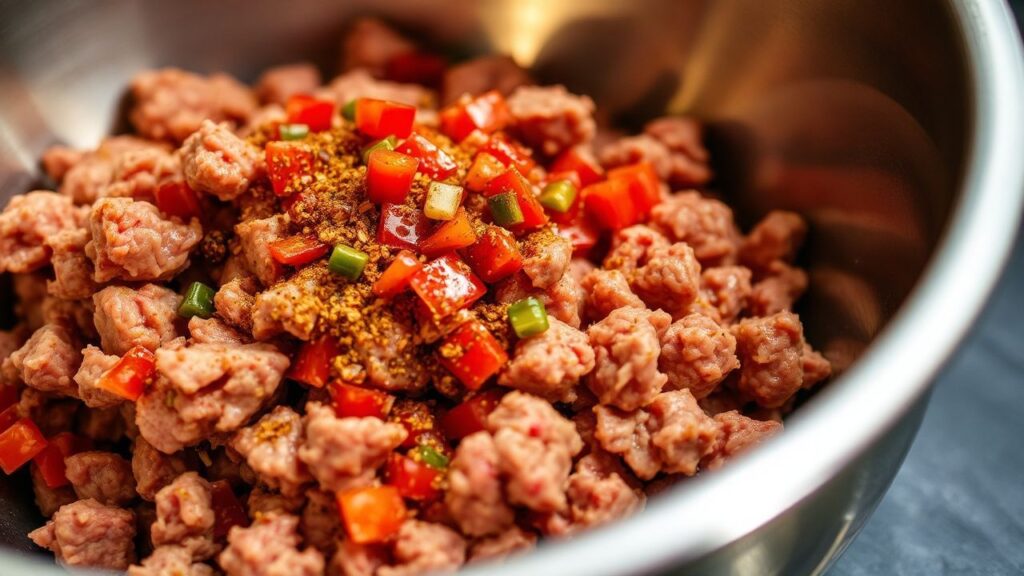
The Spice Blend: A Dance of Heat and Aroma
While the lamb provides the base, the spice blend elevates Adana Kebab to its iconic status. The primary spice is, of course, red pepper flakes, specifically a good quality *pul biber* (Aleppo pepper). This variety offers a smoky sweetness and a manageable heat that builds rather than overwhelms. The amount can be adjusted to personal preference, but a generous hand is usually warranted for an authentic experience.
Beyond the chili, a few other key ingredients are crucial:
- Salt: Essential for enhancing all the other flavors. Use coarse sea salt for better distribution.
- Black Pepper: Freshly ground black pepper adds a subtle pungency.
- Cumin: A small amount of ground cumin can add an earthy depth, though some purists omit it.
- Garlic (Optional but Recommended): Finely minced garlic adds a pungent counterpoint to the richness of the lamb.
The art lies in the proportion. Too much of any single spice can throw the balance off. The goal is a harmonious blend where the heat of the chili is present but doesn’t obliterate the inherent sweetness of the lamb.
The Technique: Mastering the Skewer and the Grill
The visual appeal of Adana Kebab is as important as its taste. The meat is traditionally molded onto wide, flat metal skewers. This shape is crucial; it allows the meat to adhere better and cook evenly without falling off. The skewers are typically hand-formed, with the meat pressed firmly and evenly along their length. A common mistake is to pack the meat too densely, which can lead to uneven cooking. The meat should be shaped into a uniform thickness, tapering slightly towards the ends.
The grilling process is where the magic truly happens. Authentic Adana Kebab is grilled over charcoal, ideally using almond or fruitwood charcoal for a clean, aromatic smoke. The heat should be intense but not scorching, allowing the fat to render and baste the meat as it cooks. Frequent turning is essential to ensure even charring and prevent burning. The meat should develop a beautiful, slightly blistered exterior while remaining juicy and tender within.
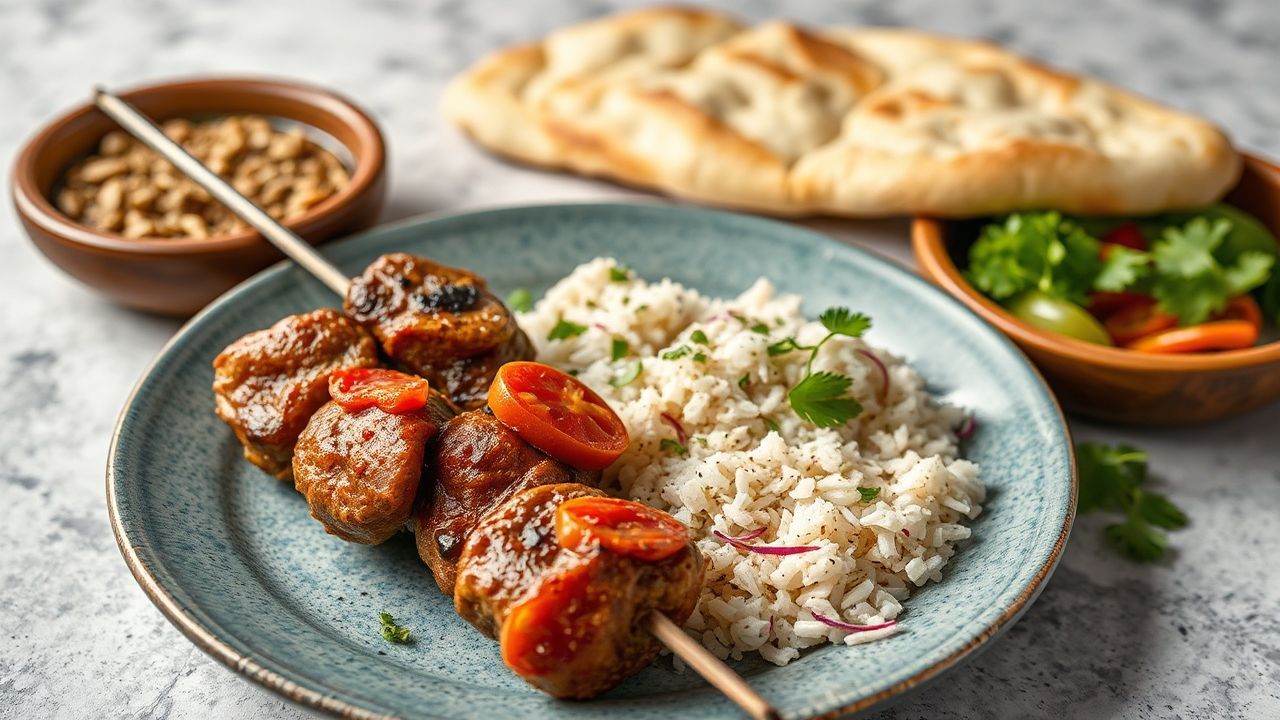
A traditional element of serving Adana Kebab is the *yanında*, the accompaniments. This typically includes a generous pile of grilled tomatoes and green peppers, which soften and caramelize over the coals, their sweetness a perfect foil to the spicy lamb.
The Essential Counterpoint: Perfecting Lavash Bread
No discussion of Adana Kebab is complete without a close look into its indispensable partner: lavash bread. This thin, soft, and often slightly chewy flatbread is far more than a mere vehicle for the kebab; it is an integral part of the culinary experience. Its purpose is multi-faceted: to cradle the succulent meat, to absorb the precious juices, and to provide a neutral, yet satisfying, canvas for the robust flavors of the kebab.
The beauty of lavash lies in its simplicity. Traditionally made with flour, water, and salt, its texture is achieved through a specific preparation and cooking method. The dough is stretched incredibly thin, often by hand or with a rolling pin, until it is almost translucent. This thinness is key to its characteristic pliability and its ability to become slightly blistered and crisp in places when cooked, while remaining soft in others.
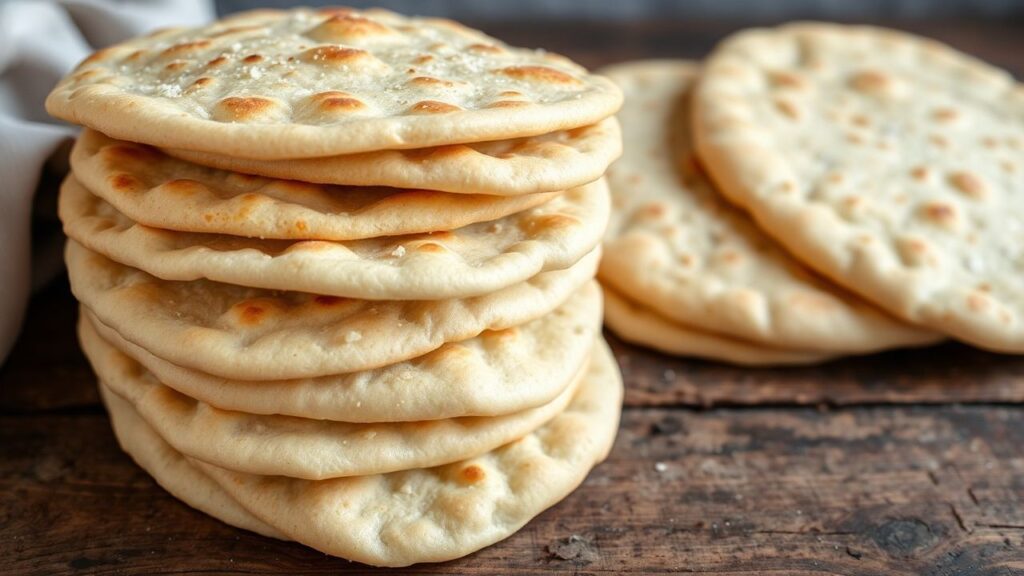
The Art of Lavash Dough Preparation
The foundation of good lavash is a well-made dough. The flour should be a good quality all-purpose or bread flour. The ratio of water to flour is critical for achieving the right elasticity. Too much water and the dough will be sticky and difficult to handle; too little and it will be dry and prone to tearing.
Key ingredients for a classic lavash:
- Flour: 500g (approx. 4 cups) all-purpose or bread flour
- Water: 300-325ml (approx. 1 ¼ – 1 ⅓ cups) lukewarm water
- Salt: 1 teaspoon
The process involves mixing the ingredients until a smooth, elastic dough forms. This dough then needs a period of rest, allowing the gluten to relax, making it easier to stretch thinly. This rest period is non-negotiable for achieving the characteristic texture.
The traditional method for cooking lavash involves a *sac*, a large, convex griddle, or a *tandoor* oven. These high-heat cooking surfaces impart a unique texture to the bread, creating those signature blisters and a delightful chew. For home cooks, a very hot cast-iron skillet or pizza stone can be a viable alternative.
The stretched dough is carefully laid onto the hot surface. It cooks very quickly, often in less than a minute per side. The key is to watch for the formation of bubbles and blisters. As soon as these appear and the bread is lightly golden, it’s time to flip. Overcooking will result in a brittle cracker rather than the desired soft, pliable lavash.
Once cooked, the lavash is often brushed with a little water or melted butter, which adds a subtle sheen and helps maintain its softness. The resulting bread is thin enough to be folded or rolled around the Adana Kebab without overwhelming the meat, yet substantial enough to hold its own.
Assembling the Masterpiece: The Adana Kebab Experience
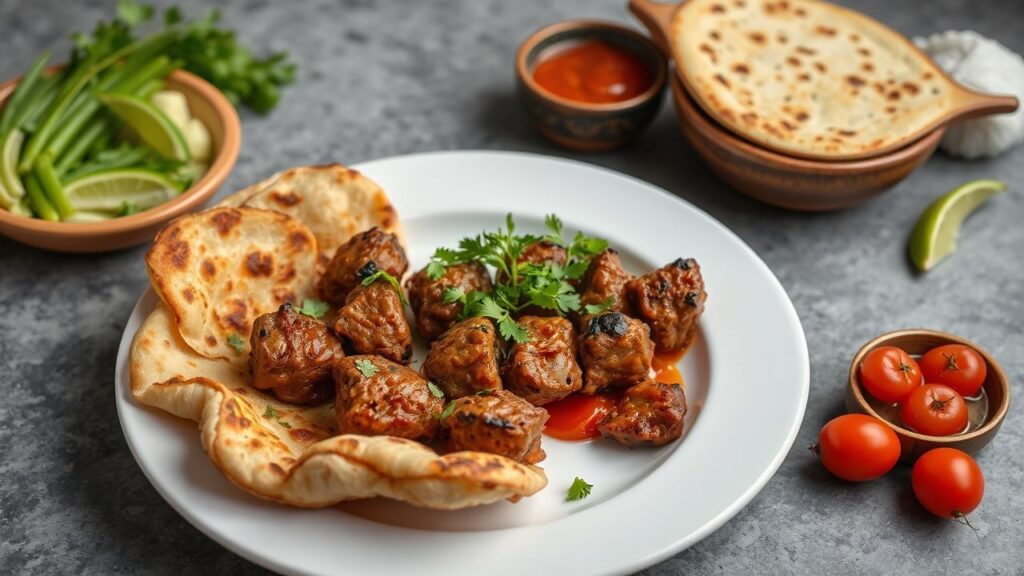
The final act in the Adana Kebab saga is the assembly and presentation. This is where the individual components come together to create a harmonious and satisfying whole. It is a ritual that engages all the senses, from the sight of the vibrant skewers to the aroma that fills the air.
The grilled Adana Kebab skewers are typically served alongside the grilled tomatoes and peppers, often arranged artfully on a platter. The lavash bread, warm and soft, is presented either folded or stacked, ready to be used.
The traditional way to eat Adana Kebab is to take a piece of the kebab off the skewer using a fork or your hands, place it onto a piece of lavash, and then add a grilled tomato and pepper. The lavash is then folded around the filling, creating a delicious wrap. Some prefer to add thinly sliced red onions, often marinated with sumac and parsley, for an extra layer of sharpness and tang.
A squeeze of fresh lemon juice over the kebab just before wrapping can also add a bright, zesty counterpoint to the richness of the lamb. This is a dish best enjoyed immediately, while the kebab is still hot and the lavash is at its peak of softness.
Nutritional Information (Approximate Per Serving – 1 Kebab with 1 piece Lavash, Tomatoes & Peppers)
Please note: This is an approximate nutritional breakdown and can vary significantly based on the exact fat content of the lamb, the amount of oil used, and the size of the portions.
| Nutrient | Amount |
|---|
| :———— | :——— |
| Calories | 550-750 |
|---|
| Protein | 40-55g |
| Fat | 35-50g |
|---|
| – Saturated Fat | 15-20g |
| Carbohydrates | 25-35g |
|---|
| – Sugars | 3-5g |
| Fiber | 2-4g |
|---|
| Sodium | 600-900mg |
The high protein content comes from the lamb, while the fat content is also significant due to the nature of the meat and the grilling process. The carbohydrates are primarily from the lavash bread and the grilled vegetables.
Elevating Adana Kebab to Restaurant Quality at Home
Achieving that authentic, mouthwatering Adana Kebab experience in your own kitchen is not an insurmountable challenge. It requires attention to detail, quality ingredients, and a commitment to mastering a few key techniques.
1. Source the Best Lamb: This is paramount. If possible, find a butcher who can grind lamb shoulder or leg for you with a specific fat percentage (aim for 20-30%). If grinding yourself, ensure you use a coarse setting.
2. Don’t Skimp on the Pul Biber: Invest in good quality *pul biber*. Its flavor profile is distinct and essential. Adjust the quantity to your heat preference, but start with a generous amount.
3. Master the Skewering: Use wide, flat metal skewers. Press the meat firmly and evenly, ensuring a consistent thickness. A common mistake is leaving gaps or making the meat too thin in places.
4. High-Heat Charcoal Grilling: If you have the option, charcoal grilling imparts an incomparable smoky flavor. Ensure your coals are properly heated for intense, even heat. If using a gas grill, preheat it to high and use a grill basket or foil to prevent smaller pieces from falling through.
5. Perfect Your Lavash: Don’t rush the dough resting period. Stretch it thinly and cook it quickly over high heat. The goal is a bread that is soft and pliable, not dry and crispy.
6. The Accompaniments Matter: Don’t neglect the grilled tomatoes and peppers. Their charred sweetness is a crucial part of the dish. Marinated onions with sumac add another layer of authentic flavor.
The journey of Adana Kebab from its humble origins in southeastern Turkey to its esteemed place on international menus is proof of its inherent deliciousness and the culinary traditions that shaped it. It is a dish that celebrates the land, the livestock, and the skillful hands that transform simple ingredients into something extraordinary. When prepared with respect for its heritage and a keen eye for detail, Adana Kebab, paired with its perfect companion, lavash bread, offers an unforgettable dining experience, a fiery and flavorful adventure that speaks volumes of Turkish culinary artistry.
Frequently Asked Questions about Adana Kebab
What is the difference between Adana Kebab and Urfa Kebab?
The primary distinction between Adana Kebab and Urfa Kebab lies in their spice profiles. Both are made from a similar coarsely ground lamb mixture and are traditionally grilled on flat skewers. Adana Kebab is known for its significant heat, primarily derived from *pul biber* (Aleppo pepper). Urfa Kebab, on the other hand, is milder, relying more on the sweetness and subtle smokiness of *isot biber* (a sun-dried Urfa pepper) and often incorporating a touch of dried mint or parsley. While Adana is spicy, Urfa is more aromatic and subtly sweet, offering a different but equally delightful experience for those who prefer less heat.
Can I make Adana Kebab without a grill?
While grilling over charcoal is the traditional and preferred method for its smoky flavor and char, you can achieve a very good Adana Kebab without a grill. A hot cast-iron skillet or a broiler in your oven can be used. For a skillet method, ensure the pan is very hot and add a small amount of oil. You can shape the meat mixture into patties or logs and sear them on all sides, turning frequently, until cooked through and nicely browned. For the broiler, place the skewered or shaped meat on a rack over a baking sheet and broil on high, turning as needed, until cooked and charred. Be sure to watch closely to prevent burning.
What is the best way to serve Adana Kebab?
Adana Kebab is traditionally served hot, directly from the grill. The classic accompaniments are essential for the full experience: grilled tomatoes and green peppers, warm lavash bread, and thinly sliced red onions marinated with sumac and parsley. A side of refreshing cacık (a yogurt and cucumber dip) or a simple shepherd’s salad can also complement the dish beautifully. The lavash bread is used to wrap the kebab, vegetables, and onions, creating a delicious, self-contained meal.
How do I prevent the Adana Kebab meat from falling off the skewer?
The key to preventing the meat from falling off the skewer lies in the preparation and the skewer itself. Firstly, ensure your lamb has a sufficient fat content; the fat acts as a binder. Secondly, use wide, flat metal skewers, as these provide more surface area for the meat to adhere to. When molding the meat, press it firmly and evenly onto the skewer, ensuring it is well-adhered along the entire length. Avoid leaving gaps. Some chefs recommend slightly wetting your hands with cold water while molding the meat, which can help it stick better. Finally, when grilling, avoid over-handling the skewers, especially in the initial stages of cooking, allowing the meat to firm up slightly before turning.
See also: Adana Kebab