
The Luminescent Legacy of Persian Jeweled Rice
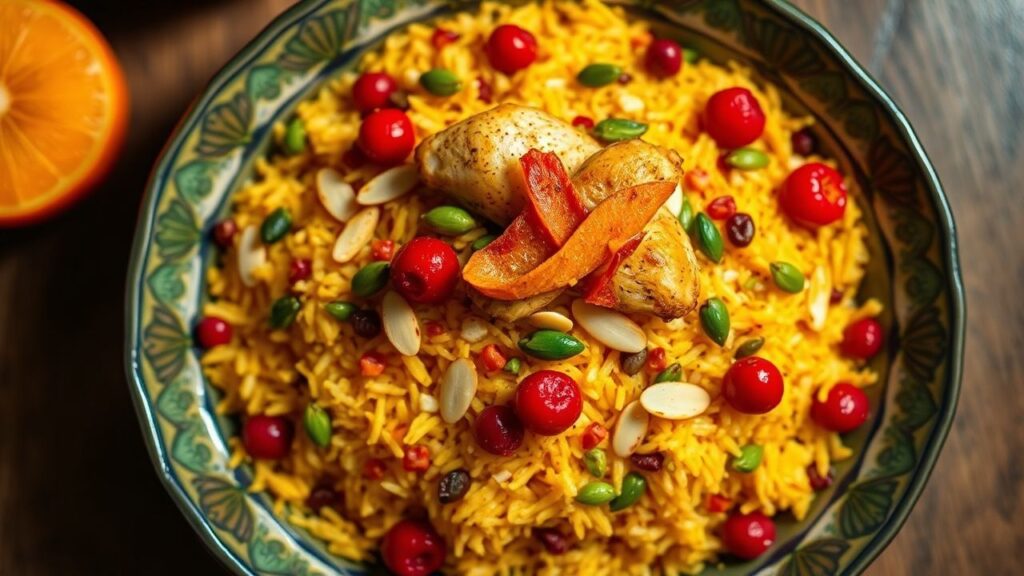
There are dishes that nourish the body, and then there are those that nourish the soul. Persian Jeweled Rice, or Javaher Polow as it is known in its homeland, unequivocally belongs to the latter category. A particularly poignant dinner in Isfahan comes to mind, where the matriarch of the household presented a mountain of this resplendent dish. It wasn’t just food; it was a narrative on a plate, proof of centuries of culinary artistry. The sheer visual spectacle – a tapestry of saffron-infused rice studded with ruby-red barberries, emerald pistachios, and slivers of candied orange peel – was breathtaking. It was a moment where the act of eating transcended mere sustenance, becoming an immersive cultural experience. This is the power of Javaher Polow, a dish that embodies celebration, hospitality, and the profound beauty of Persian cuisine. Mastering this Jeweled Rice is not just about following a recipe; it’s about understanding its intricate balance of textures, aromas, and flavors, a journey that promises to elevate any dining occasion.
- The Luminescent Legacy of Persian Jeweled Rice
- The Anatomy of a Masterpiece: Essential Ingredients for Jeweled Rice
- The Alchemy of Preparation: A Step-by-Step Guide to Javaher Polow
- Step 1: Marinating and Braising the Chicken
- Step 2: Preparing the Jeweled Garnishes
- Step 3: Par-boiling the Rice (The Key to Fluffy Polow)
- Step 4: Steaming the Rice and Creating the Tahdig
- Step 5: Assembling and Serving Your Jeweled Rice
- Nutritional Landscape of Javaher Polow
- Elevating Your Jeweled Rice to Culinary Stardom
- 💡 Expert Insight Expert Insight: The Saffron Ritual
- Achieving the Perfect Tahdig
- ⚠️ Pro-Caution Pro-Caution: Barberry Balance is Crucial
- The Art of Garnish Assembly
- Conclusion: A Culinary Jewel for Every Occasion
- Frequently Asked Questions About Jeweled Rice
At a Glance: Expert Insights on Javaher Polow
- The art of the “Tahdig”: Achieving the perfect crispy rice bottom is paramount for authentic Jeweled Rice.
- Balancing Sweet and Tart: The judicious use of barberries and candied citrus is key to its signature flavor profile.
- Saffron’s Golden Touch: Properly blooming saffron unlocks its full aromatic and visual potential.
- A Symphony of Textures: The interplay of tender chicken, fluffy rice, and crunchy nuts creates a multi-sensory delight.
The genesis of Jeweled Rice is as rich and layered as its ingredients. While specific origins are often lost to the mists of time, its evolution is deeply intertwined with the Persian Empire’s historical trade routes, which brought exotic spices and fruits from the East. These ingredients were not merely culinary additions but symbols of wealth and prestige, often reserved for royal banquets and significant celebrations. The meticulous preparation, requiring both patience and skill, further cemented its status as a dish befitting royalty. The term “Javaher,” meaning “jewel,” aptly describes the vibrant, precious components that adorn the rice, transforming a simple grain into a magnificent edible artwork. This dish isn’t just a meal; it’s a culinary heirloom, passed down through generations, each family adding its subtle nuances and personal touches.
The Anatomy of a Masterpiece: Essential Ingredients for Jeweled Rice
Crafting an exceptional Jeweled Rice with chicken requires a thoughtful selection of ingredients, each playing a crucial role in the final symphony of flavors and textures. The quality of your components will directly influence the outcome, so seek out the freshest and most fragrant elements possible.
For the Chicken:
- Chicken Thighs: 4-6 boneless, skinless chicken thighs (approximately 600-700g or 1.3-1.5 lbs). Thighs offer superior moisture and flavor compared to breast meat, ensuring a tender result.
- Onion: 1 large yellow onion, finely chopped. Provides an aromatic base for braising.
- Garlic: 3-4 cloves garlic, minced. Adds pungency and depth.
- Turmeric: 1 teaspoon ground turmeric. Essential for color and a subtle earthy note.
- Cinnamon: ½ teaspoon ground cinnamon. Introduces warmth and a hint of exotic spice.
- Cardamom: ¼ teaspoon ground cardamom. Offers a fragrant, slightly sweet complexity.
- Saffron Threads: A generous pinch (about ¼ teaspoon), bloomed in 2 tablespoons of hot water. The soul of Persian cuisine, providing unparalleled aroma and a magnificent golden hue.
- Chicken Broth: 1 cup (240 ml). For braising the chicken and infusing it with flavor.
- Salt and Black Pepper: To taste.
- Oil: 2 tablespoons of neutral oil (e.g., canola, vegetable).
For the Jeweled Rice:
- Basmati Rice: 2 cups (approx. 400g). The long, slender grains of Basmati are ideal for their fragrance and ability to remain separate when cooked.
- Water: For rinsing and boiling the rice.
- Salt: 2 tablespoons, for salting the boiling water.
- Barberries (Zereshk): ½ cup (approx. 50g). These tiny, ruby-red berries offer a delightful tartness that cuts through the richness. Ensure they are cleaned and rinsed thoroughly.
- Pistachios: ½ cup (approx. 75g), shelled. For crunch and a beautiful green contrast.
- Almonds: ½ cup (approx. 75g), slivered or blanched. Add another layer of nutty texture.
- Candied Orange Peel (or Dried Apricots/Dates): ½ cup (approx. 60g), finely julienned or chopped. Provides sweetness and a citrusy aroma. If using dried fruit, soak briefly in hot water to soften.
- Saffron Threads: A small pinch (about ⅛ teaspoon), bloomed in 1 tablespoon of hot water. For coloring a portion of the rice.
- Butter: 2 tablespoons, melted. To enrich the rice and aid in tahdig formation.
- Sugar: 1-2 teaspoons, for sautéing the barberries.
- Rosewater (optional): 1 teaspoon. For an extra layer of floral fragrance, though use sparingly.
The Alchemy of Preparation: A Step-by-Step Guide to Javaher Polow
The journey to creating an authentic Jeweled Rice is as much about technique as it is about ingredients. Each step is designed to coax out the maximum flavor and achieve the perfect textural harmony.
Step 1: Marinating and Braising the Chicken
Begin by preparing the chicken. In a bowl, toss the chicken thighs with turmeric, cinnamon, cardamom, salt, and pepper. Ensure each piece is evenly coated. Heat 1 tablespoon of oil in a heavy-bottomed pot or Dutch oven over medium-high heat. Sear the chicken pieces on all sides until golden brown. Remove the chicken and set aside. Add the remaining 1 tablespoon of oil to the pot. Sauté the chopped onion until softened and translucent, about 5-7 minutes. Add the minced garlic and cook for another minute until fragrant. Return the seared chicken to the pot. Pour in the chicken broth and the bloomed saffron. Bring to a simmer, then reduce the heat to low, cover, and let the chicken braise gently for 25-30 minutes, or until tender and cooked through. The braising liquid will thicken slightly, forming a flavorful sauce.
Step 2: Preparing the Jeweled Garnishes
While the chicken braises, prepare the “jewels.” Rinse the barberries thoroughly under cold water, then drain them well. In a small non-stick skillet, melt 1 tablespoon of butter over medium heat. Add the drained barberries and sauté for 1-2 minutes until they plump up slightly. Sprinkle in 1-2 teaspoons of sugar and stir to coat. Cook for another minute until the sugar has dissolved and the barberries are glossy. Be careful not to overcook, as they can become mushy. Remove from heat and set aside. In the same skillet, add the pistachios and slivered almonds. Toast them lightly over medium-low heat for 2-3 minutes, stirring constantly, until fragrant. Be vigilant, as nuts can burn quickly. Remove from heat and set aside. If using candied orange peel, ensure it is finely julienned. If using dried apricots or dates, chop them finely.
Step 3: Par-boiling the Rice (The Key to Fluffy Polow)
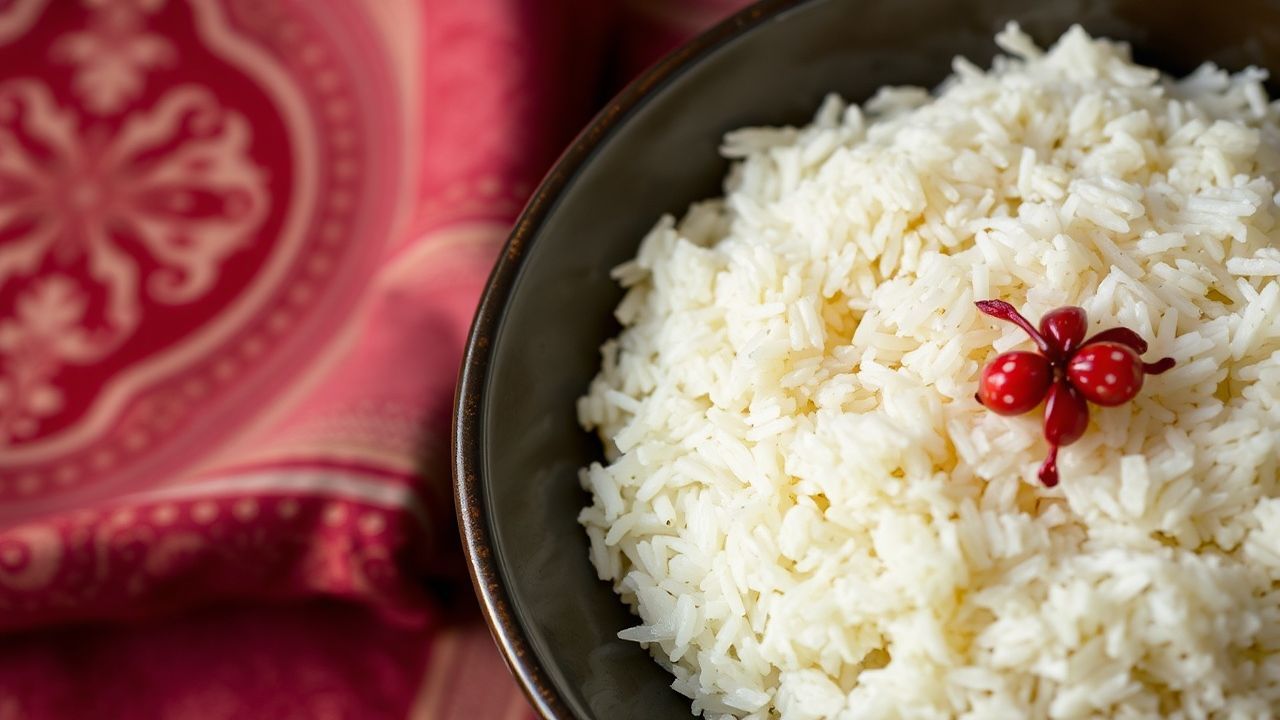
This is arguably the most critical stage for achieving perfect Persian rice. Rinse the Basmati rice under cold running water until the water runs clear. This removes excess starch, preventing clumping. In a large pot, bring 6-8 cups of water to a rolling boil. Add 2 tablespoons of salt. Carefully add the rinsed rice to the boiling water. Cook for 5-7 minutes, or until the rice grains are *al dente* – tender on the outside but still firm to the bite. They should be about ¾ cooked. Drain the rice immediately in a fine-mesh sieve. Discard the starchy water.
Step 4: Steaming the Rice and Creating the Tahdig
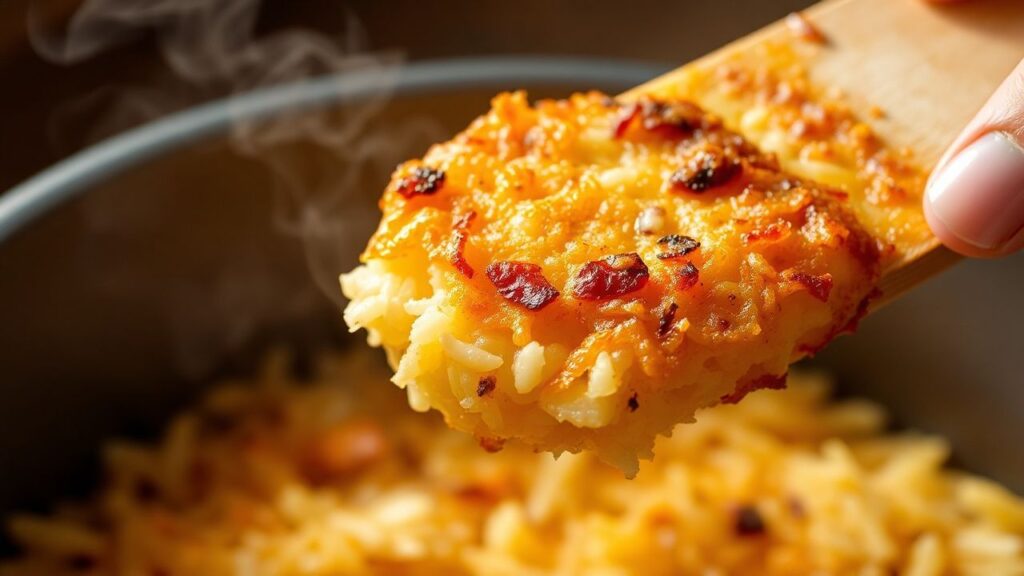
Rinse the large pot you used for boiling the rice. Place it over medium-low heat. Add the melted butter and swirl to coat the bottom and sides. You can also add a layer of thinly sliced potatoes or lavash bread at the bottom to create an extra-crispy tahdig, if desired. Take about one-third of the par-boiled rice and mix it with the bloomed saffron water. This will create the beautiful golden strands in your Jeweled Rice. Layer the plain par-boiled rice back into the pot, creating a mound with a few channels running through it (this helps steam escape). Gently nestle the saffron-infused rice into the mound, creating swirls of color. Cover the pot tightly with a lid, and if your lid isn’t very tight, place a clean kitchen towel between the pot and the lid to create a better seal. Reduce the heat to very low and let the rice steam for 30-40 minutes. This allows the grains to fully cook and become fluffy.
Step 5: Assembling and Serving Your Jeweled Rice
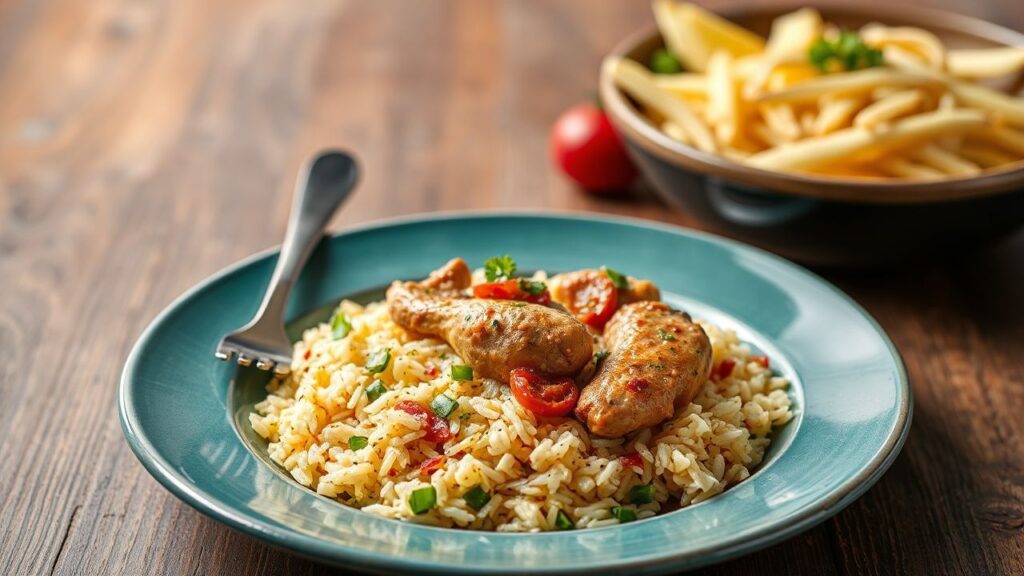
Once the rice is steamed, carefully remove the lid. The rice should be light, fluffy, and fragrant. Gently fluff the rice with a fork. Now, it’s time to assemble. You can either gently mix some of the barberries, pistachios, almonds, and candied orange peel into the fluffy rice, or layer them artfully on top. For a truly spectacular presentation, serve the fluffy rice on a large platter, then arrange the tender chicken pieces around the edges or on top. Generously scatter the prepared barberries, toasted nuts, and candied orange peel over the rice, creating a dazzling, jewel-like effect. Drizzle a little of the chicken braising liquid over the chicken. Serve immediately, ensuring everyone gets a taste of the crispy tahdig from the bottom of the pot, if you prepared it.
Nutritional Landscape of Javaher Polow
While an indulgence, understanding the nutritional breakdown of Jeweled Rice with chicken provides valuable context. This dish is rich in carbohydrates from the rice, protein from the chicken, and healthy fats and micronutrients from the nuts and dried fruits.
Approximate Nutritional Information (Per Serving – assumes 6 servings):
- Calories: 600-750 kcal
- Protein: 30-40g
- Fat: 25-35g (varying based on oil and butter usage)
- Carbohydrates: 60-80g
- Fiber: 4-6g
- Sodium: Varies greatly based on added salt.
Keep in mind that this is an approximation. The exact nutritional content will depend on the specific quantities of ingredients used and any variations in preparation. The inclusion of nuts and dried fruits contributes beneficial vitamins, minerals, and antioxidants, while the saffron, beyond its flavor, is believed to have various health properties.
Elevating Your Jeweled Rice to Culinary Stardom
To truly capture the essence of a masterful Javaher Polow, a few expert touches can make all the difference. These are the nuances that distinguish a good dish from an unforgettable one.
💡 Expert Insight
Expert Insight: The Saffron Ritual
The secret to unlocking saffron’s full potential lies in proper blooming. Gently crush the saffron threads between your fingers to release their aroma, then steep them in a small amount of hot (not boiling) water for at least 15-20 minutes. This allows the color and flavor compounds to fully infuse the water. For Jeweled Rice, I often use about ¾ of the bloomed saffron for the main rice and reserve ¼ for a final drizzle over the chicken or a small portion of the rice for an intensified visual and aromatic punch.
Achieving the Perfect Tahdig
The crispy, golden crust at the bottom of the pot, the tahdig, is often considered the prize of Persian rice dishes. To ensure success, the pot must have a thick, heavy base. Using a non-stick pot can be a shortcut, but for true authenticity, a traditional Persian pot or a well-seasoned cast-iron Dutch oven is ideal. As mentioned, a layer of thinly sliced potatoes or lavash bread at the bottom acts as an insulator, preventing the rice from sticking too much while allowing it to crisp beautifully. Maintain a very low, consistent heat during the steaming process. Patience is key here; rushing the tahdig formation will result in a pale, soft bottom.
⚠️ Pro-Caution
Pro-Caution: Barberry Balance is Crucial
Barberries, while adding a delightful tartness, can be overwhelmingly sour if not prepared correctly. Always rinse them thoroughly to remove any dust or debris. Sautéing them briefly with a touch of sugar not only mellows their acidity but also enhances their vibrant color and adds a subtle sweetness that balances the overall flavor profile. Taste a few after sautéing; they should be pleasantly tart, not puckeringly sour.
The Art of Garnish Assembly
The “jewels” are not just for show; they contribute significantly to the dish’s sensory appeal. Toasting the nuts, as described in the recipe, is vital for bringing out their full flavor and achieving a satisfying crunch. The candied orange peel adds a unique aromatic dimension. If you can’t find it, finely diced dried apricots or dates, soaked briefly in hot water to soften, can be a good substitute, offering sweetness and a different textural element. The arrangement of these elements on the finished rice is where your personal artistry shines. Aim for a vibrant, scattered effect that mimics a treasure trove.
The inclusion of chicken, while not always traditional in the most ancient forms of Jeweled Rice, has become a beloved addition, offering a savory counterpoint to the sweet and tart elements. Braising the chicken in a spiced broth infused with saffron ensures it is tender, flavorful, and complements the rice perfectly. This adaptation transforms a side dish into a complete, celebratory main course that is both visually stunning and deeply satisfying. The interplay between the fragrant, fluffy rice and the succulent, spiced chicken creates a harmonious culinary experience that is quintessentially Persian.
Conclusion: A Culinary Jewel for Every Occasion
Persian Jeweled Rice with chicken, or Javaher Polow, is more than just a recipe; it’s an invitation to partake in a rich cultural heritage. It’s a dish that speaks of generosity, celebration, and an enduring appreciation for the finer things in life. From the shimmering saffron hues to the vibrant bursts of barberries and the satisfying crunch of toasted nuts, every element is proof of the art of Persian cuisine. Whether you’re preparing it for a special occasion or simply to bring a touch of elegance to your table, mastering this Jeweled Rice will undoubtedly earn you accolades and create lasting memories. It is a dish that, once tasted, lingers in the palate and in the heart, a true culinary jewel.
Frequently Asked Questions About Jeweled Rice
H3: What is the significance of the different “jewels” in Javaher Polow?
The various colorful ingredients in Jeweled Rice are not merely decorative; they represent prosperity, abundance, and the richness of the Persian culture. The bright red barberries symbolize vitality and are a key element for their tartness. Pistachios and almonds offer not only a delightful crunch and nutty flavor but also a vibrant green hue. Candied orange peel or other dried fruits add sweetness and a fragrant citrus note. Together, these components create a visually stunning and texturally complex dish that is a feast for both the eyes and the palate. Each ingredient contributes a unique flavor and texture, coming together to form a harmonious and balanced culinary experience.
H3: How can I ensure my Basmati rice is fluffy and not sticky?
Achieving fluffy, separate grains of Basmati rice is fundamental to a successful Jeweled Rice. The key lies in rinsing the rice thoroughly under cold water until the water runs clear. This removes excess starch that causes stickiness. Then, the par-boiling method is crucial. Cooking the rice in ample salted boiling water for a short duration (5-7 minutes) until it’s *al dente* is essential. Draining it immediately stops the cooking process. Finally, the steaming phase allows the grains to absorb the remaining moisture and cook through gently without becoming mushy. Proper sealing of the pot during steaming also plays a significant role in achieving the desired texture.
H3: Can I make Jeweled Rice without chicken?
Absolutely. While chicken is a popular addition that makes Javaher Polow a complete meal, the Jeweled Rice itself is a magnificent standalone dish. It is often served as a side to various Persian stews (khoresh) or grilled meats. If you prefer a vegetarian or vegan version, you can omit the chicken entirely. The “jewels” and the saffron-infused rice are the stars of the show. For a vegan option, ensure you use plant-based butter or oil for sautéing the garnishes and for the tahdig. The core essence of the dish remains intact and equally delicious without the protein component.
See also: Jeweled Rice