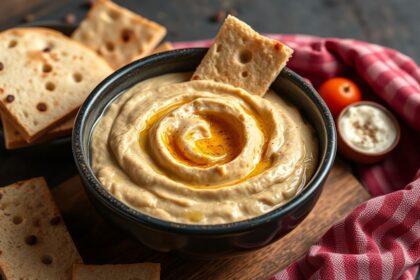

As the afternoon sun casts long shadows across the ancient souks of Aleppo, a familiar scent begins to weave its way through the air – a tantalizing blend of roasted peppers, smoky walnuts, and warm spices. This is the aroma of *Muhammara*, a cornerstone of Syrian mezze, a dip that embodies the warmth, generosity, and complex culinary heritage of the Levant. It’s more than just a spread; it’s a story told in vibrant hues of crimson and deep ochre, proof of the ingenuity of a cuisine that transforms simple ingredients into extraordinary experiences. For those who have traversed the bustling marketplaces or shared a meal in a Syrian home, the memory of this piquant, subtly sweet, and nutty delight is often etched as vividly as the intricate geometric patterns adorning their ancient architecture.
- The Genesis of a Culinary Icon: Tracing Muhammara’s Roots
- Crafting the Perfect Muhammara: A Symphony of Ingredients
- The Authentic Muhammara Recipe: A Step-by-Step Guide
- Preparation Method:
- The Perfect Pairing: Grilled Flatbread for Muhammara
- Nutritional Information (Approximate per serving, assuming 8 servings and minimal flatbread):
- Elevating Muhammara: Pro Tips for Restaurant-Quality Results
- The Art of Pepper Roasting: Beyond Simple Charring
- Walnut Toasting Nuances: A Delicate Balance
- Pomegranate Molasses: The Quality Imperative
- Conclusion: A Taste of Syrian Hospitality
- Frequently Asked Questions about Muhammara
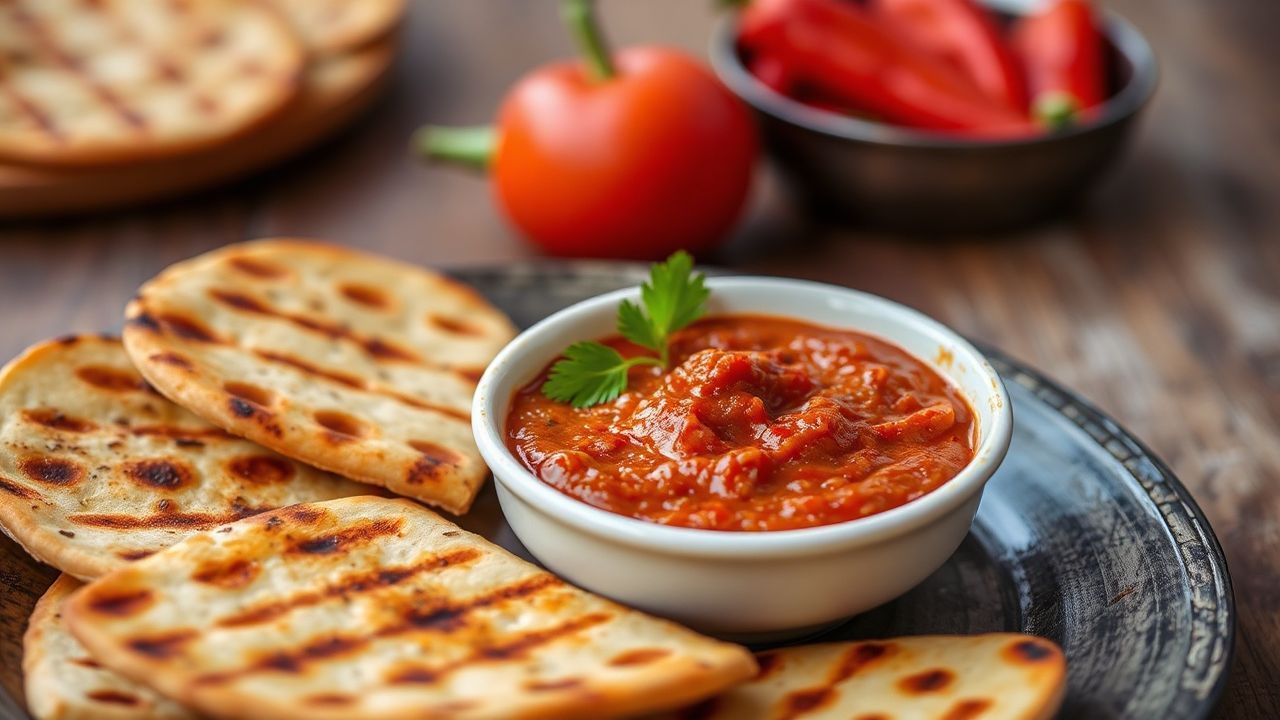
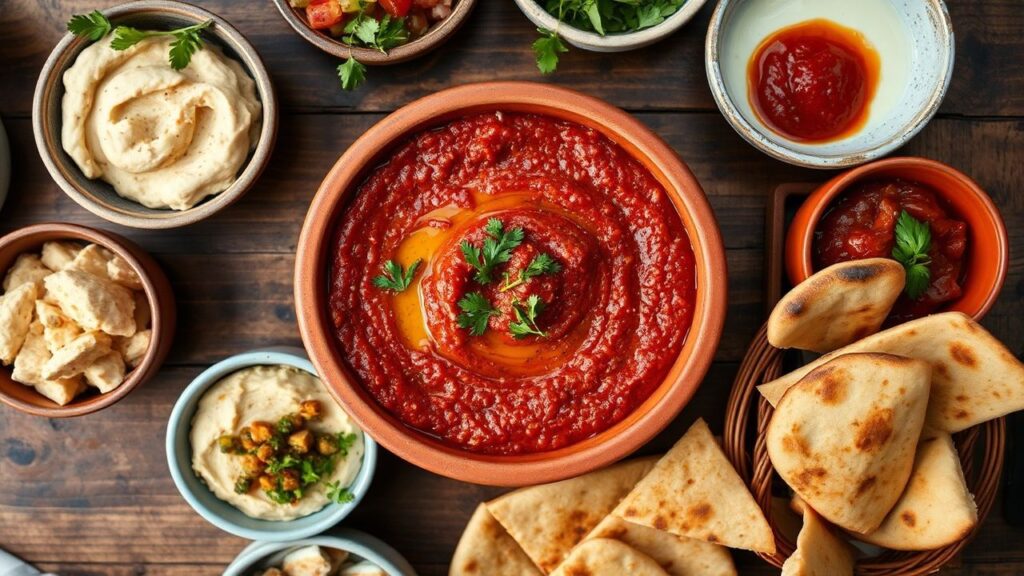
The magic of *Muhammara* lies in its deceptive simplicity. At its heart, it’s a celebration of red peppers, specifically the sweet, fleshy *Aleppo pepper* (though other mild red peppers can be substituted), which are roasted to intensify their natural sweetness and impart a delicate smokiness. These are then blended with toasted walnuts, which contribute a rich, earthy depth, and a touch of pomegranate molasses, offering a characteristic tangy sweetness that cuts through the richness. Breadcrumbs bind the mixture, while a symphony of spices – cumin, sumac, and a hint of chili – awakens the palate. Served alongside freshly grilled flatbread, warm and slightly charred, *Muhammara* transforms a simple snack into a profoundly satisfying culinary moment, a sensory journey that transports you directly to the heart of Syrian hospitality.
At a Glance: The Essence of Authentic Muhammara
- Pepper Prowess: The quality and roasting of red peppers are paramount, dictating the dip’s signature sweetness and smoky undertones.
- Nutty Nuance: Toasted walnuts provide essential texture and a deep, earthy foundation, balancing the brightness of the peppers.
- Tangy Counterpoint: Pomegranate molasses is non-negotiable for achieving the authentic sweet-and-sour complexity characteristic of true *Muhammara*.
- Spice Harmony: A judicious blend of cumin, sumac, and optional chili flakes creates a nuanced flavor profile that is both comforting and invigorating.
The Genesis of a Culinary Icon: Tracing Muhammara’s Roots
While *Muhammara* is most closely associated with Syria, particularly its northern regions like Aleppo, its origins are debated, with some culinary historians suggesting connections to Ottoman culinary traditions that spanned across Anatolia and the Levant. The use of roasted peppers, nuts, and spices is a common thread in the cuisines of this vast geographical area. However, the specific combination that defines *Muhammara*, with its reliance on red pepper paste and the balancing act of pomegranate molasses, has become intrinsically linked with Syrian identity. The dish likely evolved over generations, with families perfecting their own variations, passing down secret ingredient ratios and techniques from mother to daughter.
In the context of Syrian cuisine, *Muhammara* is a quintessential mezze item. Mezze platters are a communal dining experience, a vibrant mosaic of small dishes designed to be shared, sampled, and savored. *Muhammara* sits comfortably alongside classics like *hummus*, *baba ghanoush*, and *tabbouleh*, offering a distinct flavor profile that complements the others beautifully. Its rich texture and robust flavor make it particularly appealing as a counterpoint to lighter, brighter dishes. The act of scooping it up with a piece of warm, pillowy flatbread is an integral part of the experience, a tactile and communal ritual that fosters connection and conversation.
Crafting the Perfect Muhammara: A Symphony of Ingredients
Achieving an authentic and deeply flavorful *Muhammara* hinges on the quality of its components. While many recipes are readily available, understanding the role of each ingredient is crucial for elevating this dip from good to sublime. The foundation is, of course, the peppers.
The ideal pepper for *Muhammara* is the *Aleppo pepper*, a dried pepper widely used in Syrian and Turkish cuisine. It possesses a mild heat, a rich, fruity flavor, and a vibrant crimson hue. If fresh Aleppo peppers are unavailable, a combination of sweet red bell peppers (like California Wonder or Cubanelle) roasted to charring, and a small amount of dried Aleppo pepper flakes or a pinch of good quality chili flakes, can achieve a similar profile. The key is to roast them until the skins are blistered and blackened, then steam them in a sealed bag or bowl to loosen the skins for easy peeling. This charring imparts a crucial smoky depth that cannot be replicated by simply blending raw or boiled peppers.
The Nutty Foundation: Walnuts and Their Crucial Role
Toasted walnuts are indispensable. They provide not only a delightful textural contrast but also a rich, slightly bitter, and earthy flavor that balances the sweetness of the peppers and the tang of the pomegranate molasses. Toasting them gently, either in a dry pan or a low oven, awakens their oils and intensifies their flavor. Be careful not to burn them, as this will impart an unpleasant bitterness to the final dip. The coarseness of the walnut grind will also influence the texture of the *Muhammara*; some prefer a finer paste, while others enjoy a more substantial, chunky feel.
The Sweet and Sour Secret: Pomegranate Molasses
This syrupy reduction of pomegranate juice is the soul of *Muhammara*. It provides a complex sweet-tartness that is both bright and deeply savory. High-quality pomegranate molasses will have a rich, viscous consistency and a flavor that is intensely fruity with a lingering acidic finish. The amount used can be adjusted to personal preference, but it is essential for achieving the characteristic flavor profile.
- Breadcrumbs: Typically, day-old bread is dried and blitzed into coarse crumbs, or good quality panko breadcrumbs can be used. They absorb some of the moisture and help to create a cohesive dip.
- Olive Oil: A generous amount of good quality extra virgin olive oil is crucial for both flavor and texture. It emulsifies the dip and adds a silky smoothness.
- Spices:
- Cumin: Adds a warm, earthy aroma and flavor.
- Sumac: Provides a bright, lemony tang and a beautiful reddish hue.
- Chili Flakes (Optional): For those who prefer a little heat, a pinch of red pepper flakes or a touch of cayenne can be added.
- Garlic (Optional): Some recipes include a small clove of garlic, but it should be used sparingly to avoid overpowering the delicate pepper and walnut flavors.
The Authentic Muhammara Recipe: A Step-by-Step Guide
This recipe aims for the authentic taste of Syrian *Muhammara*, focusing on deep flavor development and balanced complexity.
Yields: Approximately 2 cups
Prep time: 30 minutes
Cook time: 45-60 minutes (including pepper roasting)
Ingredients:
- 3 large red bell peppers (about 600g total weight)
- 1 cup (120g) walnuts, toasted
- 1/2 cup (60g) dried breadcrumbs (from stale bread, or panko)
- 1/4 cup (60ml) extra virgin olive oil, plus more for drizzling
- 2 tablespoons pomegranate molasses
- 1 teaspoon ground cumin
- 1 teaspoon ground sumac
- 1/4 teaspoon red pepper flakes (optional, adjust to taste)
- 1/2 teaspoon salt, or to taste
- Fresh parsley, chopped, for garnish
Equipment:
- Baking sheet
- Large bowl
- Food processor or blender
- Small bowl
Preparation Method:
1. Roast the Peppers: Preheat your oven to 220°C (425°F). Place the whole red bell peppers on a baking sheet. Roast for 30-45 minutes, turning occasionally, until the skins are blackened and blistered all over.
2. Steam and Peel the Peppers: Immediately transfer the hot peppers to a heatproof bowl and cover tightly with plastic wrap or a lid. Let them steam for 10-15 minutes. This loosens the skins. Once cool enough to handle, peel off the blackened skins, remove the stems and seeds. Roughly chop the roasted pepper flesh.
3. Toast the Walnuts: While the peppers are steaming, if you haven’t already, toast the walnuts. Spread them on a dry baking sheet and toast in the preheated oven for 5-8 minutes, or in a dry skillet over medium heat, until fragrant and lightly golden. Watch them closely to prevent burning. Let them cool slightly.
4. Process the Walnuts: In a food processor, pulse the toasted walnuts until they are coarsely ground. Avoid over-processing into a paste; some texture is desirable.
5. Combine the Base: Add the chopped roasted peppers to the food processor with the ground walnuts. Pulse until a coarse paste forms.
6. Incorporate Other Ingredients: Add the breadcrumbs, olive oil, pomegranate molasses, cumin, sumac, red pepper flakes (if using), and salt to the food processor.
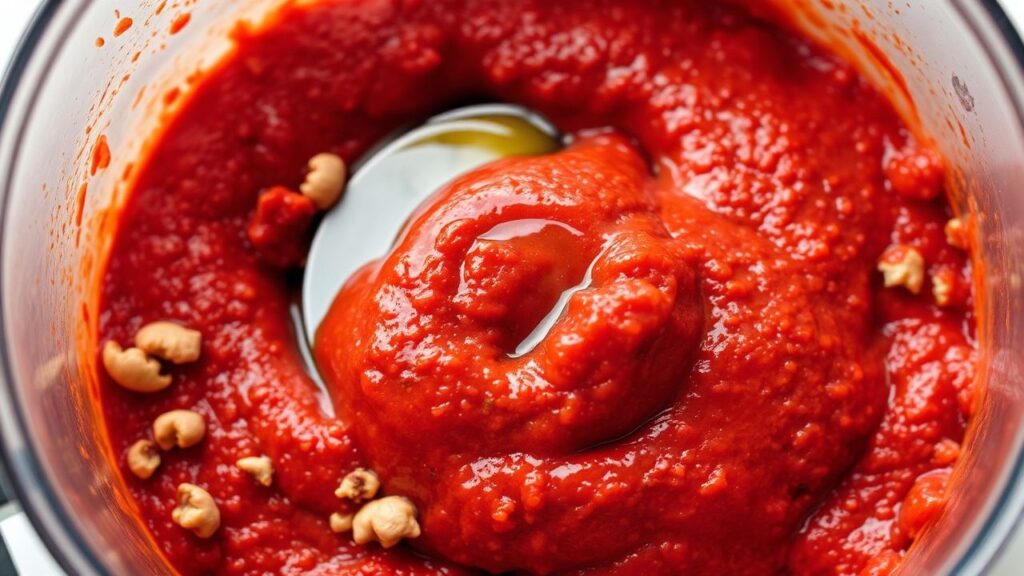
7. Blend to Desired Consistency: Process the mixture until it reaches your desired consistency. Some prefer a smoother dip, while others like it slightly chunky. Scrape down the sides of the bowl as needed. Taste and adjust seasoning, adding more salt, pomegranate molasses, or chili flakes if desired.
8. Chill and Marinate: Transfer the *Muhammara* to a serving bowl. Drizzle generously with extra virgin olive oil and sprinkle with chopped fresh parsley. For the best flavor, cover and refrigerate for at least 30 minutes (or up to 2 days) to allow the flavors to meld.
The Perfect Pairing: Grilled Flatbread for Muhammara
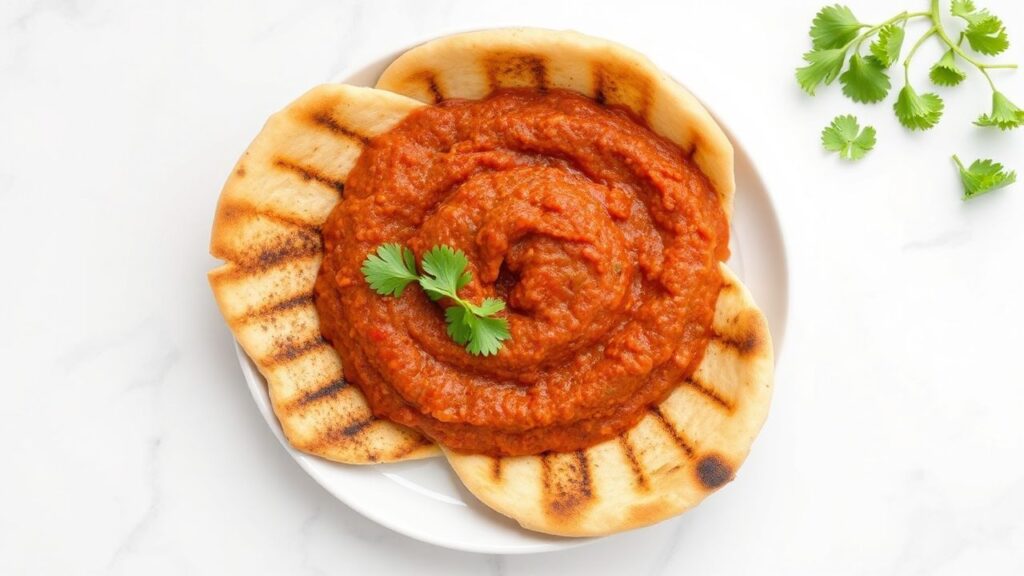
No *Muhammara* experience is complete without the ideal vessel for scooping. While store-bought pita bread is a convenient option, freshly grilled flatbread elevates the entire dish to a new level. The char marks, the slightly smoky aroma, and the pillowy softness are the perfect foil for the rich, complex flavors of the dip.
Crafting Your Own Flatbread: A Simple Approach
A basic flatbread dough made from flour, water, yeast, salt, and a touch of olive oil is all you need. The key is to roll the dough thinly and cook it quickly on a very hot surface – a cast-iron skillet, a griddle, or even directly on the grill grates.
1. Dough Preparation: Combine 2 cups (250g) all-purpose flour, 1 teaspoon active dry yeast, 1/2 teaspoon salt, and 1 tablespoon olive oil in a bowl. Gradually add about 3/4 cup (180ml) warm water, mixing until a shaggy dough forms. Knead on a lightly floured surface for 5-7 minutes until smooth and elastic. Let it rise in a greased bowl, covered, in a warm place for about an hour, or until doubled in size.
2. Shaping: Punch down the dough and divide it into 6-8 equal portions. Roll each portion into a thin disc, about 6-8 inches in diameter.
3. Grilling: Heat your grill to medium-high heat. Lightly brush the flatbreads with olive oil. Grill for 1-2 minutes per side, until puffed up and lightly charred in spots.
4. Serving: Serve the grilled flatbread immediately, still warm, alongside your *Muhammara*.
Nutritional Information (Approximate per serving, assuming 8 servings and minimal flatbread):
Please note that nutritional values are estimates and can vary based on specific ingredients and portion sizes.
- Calories: 250-300 kcal
- Fat: 20-25g
- Saturated Fat: 3-4g
- Carbohydrates: 15-20g
- Dietary Fiber: 3-4g
- Sugars: 5-7g
- Protein: 5-7g
- Sodium: 300-400mg (can vary significantly based on added salt)
The significant fat content comes primarily from the olive oil and walnuts, which are healthy monounsaturated and polyunsaturated fats, respectively. The fiber content is robust, thanks to the peppers and walnuts.
Elevating Muhammara: Pro Tips for Restaurant-Quality Results
To truly master *Muhammara* and impress even the most discerning palates, consider these advanced techniques and considerations.
The Art of Pepper Roasting: Beyond Simple Charring
The depth of flavor in *Muhammara* is directly proportional to the care taken in roasting the peppers. For a truly exceptional result, consider grilling the peppers over charcoal for an unparalleled smoky dimension. If oven-roasting, ensure the oven is hot enough to achieve a significant char, and don’t shy away from letting the skins blacken considerably; this char is where much of the desirable flavor resides. After steaming, rub the peppers with a clean kitchen towel to remove the skins more thoroughly, ensuring no residual bitterness remains.
Walnut Toasting Nuances: A Delicate Balance
The way walnuts are toasted significantly impacts their contribution to the *Muhammara*. A gentle toast in a dry skillet over low heat, stirring constantly, will yield a more nuanced flavor than aggressive oven toasting. The goal is to awaken the oils and enhance their natural sweetness, not to dry them out or create a bitter edge. For an extra layer of complexity, some chefs lightly toast the walnuts with a pinch of cumin.
Pomegranate Molasses: The Quality Imperative
The market offers a wide spectrum of pomegranate molasses, from thin, overly sweet versions to thick, intensely flavored syrups. Investing in a high-quality, artisanal pomegranate molasses is paramount. It should have a deep, rich ruby color and a balanced sweet-tart profile. A good indicator of quality is a short ingredient list, ideally just concentrated pomegranate juice.
Conclusion: A Taste of Syrian Hospitality
*Muhammara* is more than just a dip; it is an invitation to experience the heart of Syrian cuisine. Its vibrant color, complex flavor profile, and comforting texture make it a universally beloved dish. When prepared with care and served alongside warm, freshly grilled flatbread, it embodies the spirit of generosity and communal dining that defines Syrian hospitality. Whether you are a seasoned cook or a novice venturing into Middle Eastern flavors, mastering *Muhammara* is a rewarding culinary achievement that will undoubtedly become a staple in your repertoire. It’s a dish that speaks of tradition, of sun-drenched landscapes, and of the enduring power of simple, honest ingredients to create something truly magical.
Frequently Asked Questions about Muhammara
What are the key differences between authentic Syrian Muhammara and Westernized versions?
The most significant difference often lies in the quality and type of ingredients. Authentic Syrian *Muhammara* relies heavily on freshly roasted red peppers, ideally Aleppo peppers, for their unique sweet and slightly smoky flavor. Many Western versions might use jarred roasted red peppers, which lack the same depth and freshness. The use of high-quality pomegranate molasses is also crucial; some commercial versions can be too sweet or lack the characteristic tang. Furthermore, the texture is typically coarser in traditional *Muhammara*, with discernible pieces of walnuts and peppers, rather than a completely smooth purée. The spice blend, particularly the balance of cumin and sumac, is also a hallmark of authenticity, offering a nuanced warmth and citrusy brightness.
Can I make Muhammara ahead of time, and how long does it last?
Yes, *Muhammara* is an excellent make-ahead dish, and its flavor often improves with time as the ingredients meld. It can be stored in an airtight container in the refrigerator for up to 3-4 days. For best results, wait to add the final drizzle of olive oil and fresh parsley garnish just before serving. If the dip becomes too thick upon refrigeration, you can stir in a tablespoon or two of water or more olive oil to loosen it to your desired consistency.
What are some creative ways to serve Muhammara beyond just a dip with bread?
*Muhammara*’s versatility extends far beyond its role as a simple dip. Its rich, complex flavor makes it a fantastic spread for sandwiches and wraps, adding a spicy, nutty, and tangy dimension. It can be used as a base for pizzas, layered onto crostini for elegant appetizers, or even stirred into pasta sauces for an unexpected depth of flavor. For a truly inspired appetizer, try stuffing it into dates or using it as a filling for savory pastries. It also pairs wonderfully with grilled meats and vegetables, acting as a vibrant relish or sauce. Some adventurous cooks even incorporate it into salad dressings for a unique twist.
See also: Muhammara