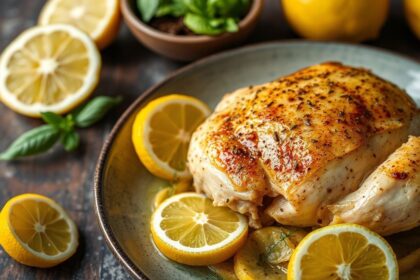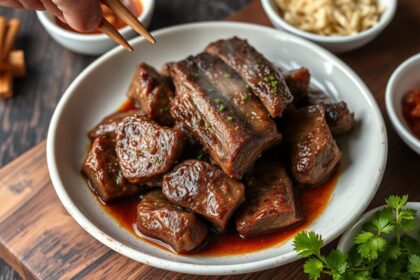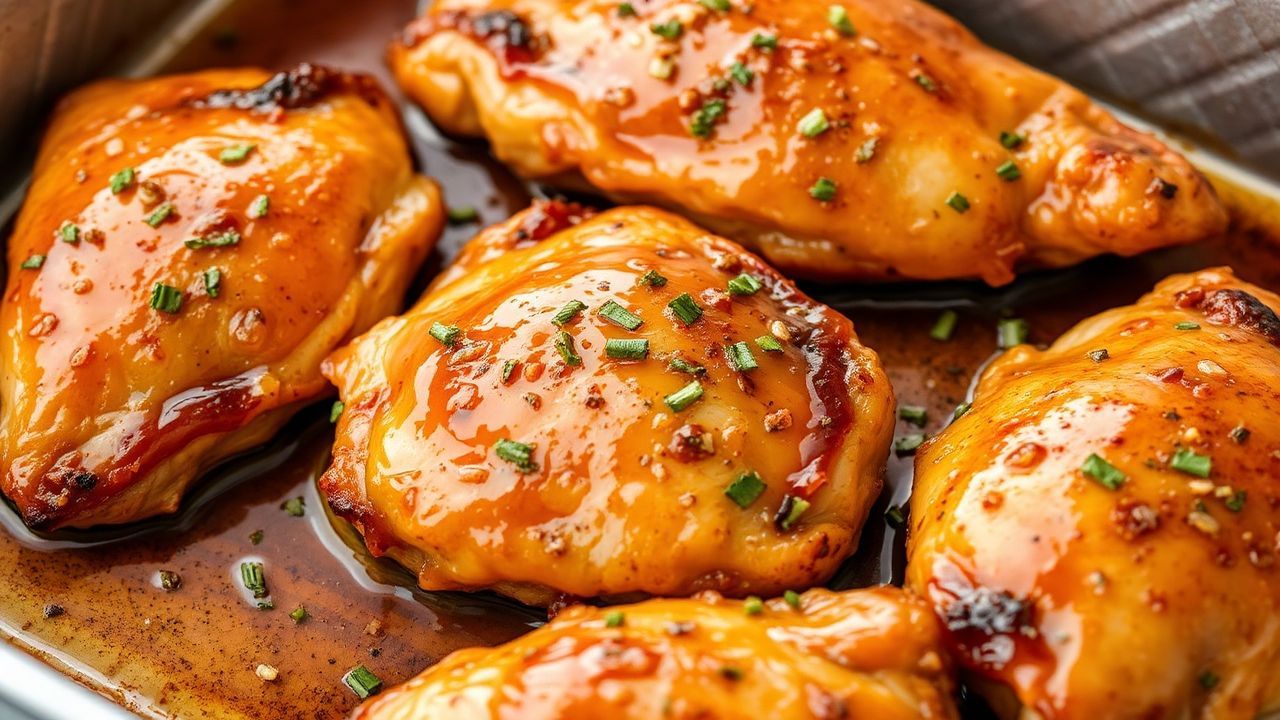

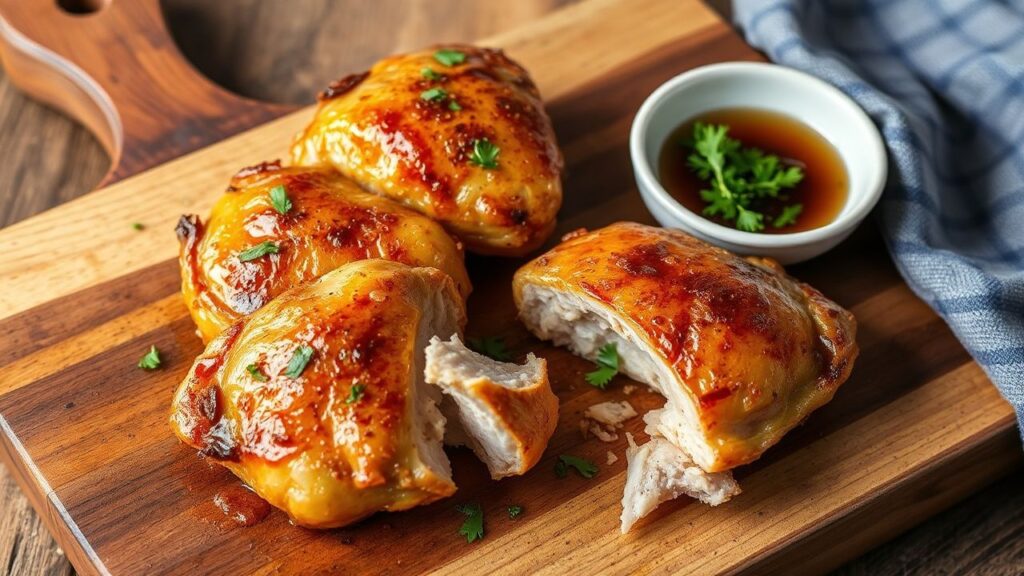
Chicken thighs, glazed in a sweet and savory honey garlic sauce, emerge from the oven with irresistible caramelization. This straightforward recipe delivers restaurant-quality flavor with minimal effort.
- The Enduring Allure of Honey Garlic Chicken
- Unpacking the Anatomy of Perfect Baked Chicken Thighs
- The Symphony of Ingredients: Crafting the Honey Garlic Glaze
- The Art of Preparation: A Step-by-Step Culinary Journey
- Preheating and Patting Dry: The Foundation of Crispy Skin
- Crafting the Enticing Glaze: A Harmonious Blend
- Coating the Chicken: Ensuring Every Piece is Infused
- The Transformation in the Oven: Patience and Perfection
- Nutritional Insights: A Guiding Light
- Elevating Your Chicken Thighs: Expert Techniques for Culinary Mastery
- 💡 Expert Insight Expert Insight: The Marinade Multiplier
- Achieving the Perfect Sear and Glaze Integration
- The Power of Resting: A Crucial Underrated Step
- Frequently Asked Questions: Clarifying the Culinary Conundrums
- How can I make the glaze thicker if it’s too thin?
- Can I use chicken breasts instead of thighs?
- What are the best side dishes to serve with honey garlic chicken thighs?
- Conclusion: A Resounding Success
The Enduring Allure of Honey Garlic Chicken
Certain flavor profiles transcend culinary trends, becoming staples in kitchens across the globe. Honey garlic chicken is undoubtedly one such phenomenon. Its inherent balance of sweet and savory, coupled with the inherent succulence of chicken thighs, creates a universally appealing dish. It’s the kind of meal that evokes comfort, familiarity, and a touch of indulgence, all without demanding extensive culinary prowess. Imagine a crisp autumn evening, the aroma of roasting chicken filling your home, a simple yet elegant dinner ready to grace your table. This is the promise of well-executed baked honey garlic chicken thighs, a dish that has quietly cemented its place in the pantheon of weeknight heroes. Its versatility is another key to its enduring popularity; it pairs beautifully with a myriad of side dishes, from fluffy rice to crisp roasted vegetables, making it adaptable to any occasion or dietary preference. The magic lies in the simple alchemy of a few key ingredients transforming humble chicken into something truly special.
- The perfect balance: Honey garlic chicken embodies the ideal harmony between sweet and savory, appealing to a wide range of palates.
- Weeknight warrior: This recipe’s simplicity and speed make it an invaluable asset for busy weeknights, delivering impressive results with minimal fuss.
- Versatile foundation: The inherent adaptability of honey garlic chicken allows it to be paired with countless side dishes, ensuring endless mealtime possibilities.
- Flavor development: The caramelization achieved through baking imparts a depth of flavor that elevates this dish beyond its humble ingredients.
Unpacking the Anatomy of Perfect Baked Chicken Thighs
The choice of chicken cut is paramount to the success of this dish. While chicken breasts can dry out quickly, chicken thighs, with their higher fat content, are far more forgiving. This inherent richness translates to a more succulent and flavorful final product, even when subjected to the dry heat of the oven. The dark meat’s ability to retain moisture ensures that the chicken remains tender and juicy, a stark contrast to the potential for disappointment with leaner cuts. This characteristic makes them the ideal canvas for a rich, glossy glaze. When selecting thighs, opting for bone-in, skin-on varieties will yield the most desirable results. The bone acts as a natural insulator, further protecting the meat from overcooking, while the skin crisps beautifully in the oven, providing a delightful textural contrast to the tender flesh beneath. This textural interplay is crucial for a truly satisfying culinary experience.
The Symphony of Ingredients: Crafting the Honey Garlic Glaze
The beauty of this recipe lies in its minimalist yet impactful ingredient list. Each component matter significantly in constructing the complex flavor profile.
Essential Components:
- Chicken Thighs: Approximately 1.5 kg (3.3 lbs) bone-in, skin-on chicken thighs. Aim for thighs of similar size to ensure even cooking.
- Honey: 120 ml (½ cup) of good quality honey. The type of honey will subtly influence the final flavor; a wildflower honey offers floral notes, while a darker buckwheat honey provides a more robust depth.
- Soy Sauce: 80 ml (⅓ cup) low-sodium soy sauce. This provides the essential umami backbone and salinity.
- Garlic: 6-8 cloves of fresh garlic, minced. The potency of garlic can vary; adjust to your preference for its pungent kick.
- Ginger: 1 tablespoon fresh ginger, grated. This adds a warm, subtle spice that complements the garlic beautifully.
- Rice Vinegar: 30 ml (2 tablespoons) rice vinegar. This provides a crucial touch of acidity to cut through the richness and sweetness, brightening the overall flavor.
- Sesame Oil: 15 ml (1 tablespoon) toasted sesame oil. This imparts a nutty aroma and depth of flavor that is characteristic of many Asian-inspired dishes.
- Cornstarch: 1 tablespoon cornstarch (optional, for thickening the glaze).
- Red Pepper Flakes: ½ teaspoon red pepper flakes (optional, for a touch of heat).
- Fresh Parsley or Cilantro: For garnish, chopped.
The Art of Preparation: A Step-by-Step Culinary Journey
Mastering the preparation of baked honey garlic chicken thighs is a straightforward endeavor, yet a few nuances can elevate the dish from good to exceptional. This process is designed for efficiency, allowing even novice cooks to achieve professional results.
Preheating and Patting Dry: The Foundation of Crispy Skin
The initial step involves preheating your oven to 200°C (400°F). This high heat is crucial for achieving that coveted crispy skin. Simultaneously, prepare your baking sheet by lining it with parchment paper or aluminum foil for easier cleanup. Next, and perhaps most critically for achieving crisp skin, thoroughly pat the chicken thighs dry with paper towels. Moisture is the enemy of crispiness, and removing as much surface liquid as possible will allow the skin to render and brown effectively.
Crafting the Enticing Glaze: A Harmonious Blend
In a medium bowl, whisk together the honey, soy sauce, minced garlic, grated ginger, rice vinegar, and toasted sesame oil. If you desire a thicker, more viscous glaze that will cling beautifully to the chicken, whisk in the cornstarch at this stage. For those who appreciate a subtle warmth, stir in the red pepper flakes. This simple mixture, when combined, releases an aroma that hints at the deliciousness to come. The synergy of these ingredients creates a foundation of sweet, savory, and aromatic notes that will penetrate the chicken as it bakes.
Coating the Chicken: Ensuring Every Piece is Infused
Arrange the dried chicken thighs on the prepared baking sheet, ensuring they are not overcrowded. This allows for proper air circulation, essential for even cooking and browning. Spoon or brush a generous amount of the honey garlic glaze over each chicken thigh, ensuring they are thoroughly coated. You can reserve some of the glaze to brush on during the last few minutes of cooking for an extra glossy finish, or to serve as a dipping sauce.
The Transformation in the Oven: Patience and Perfection
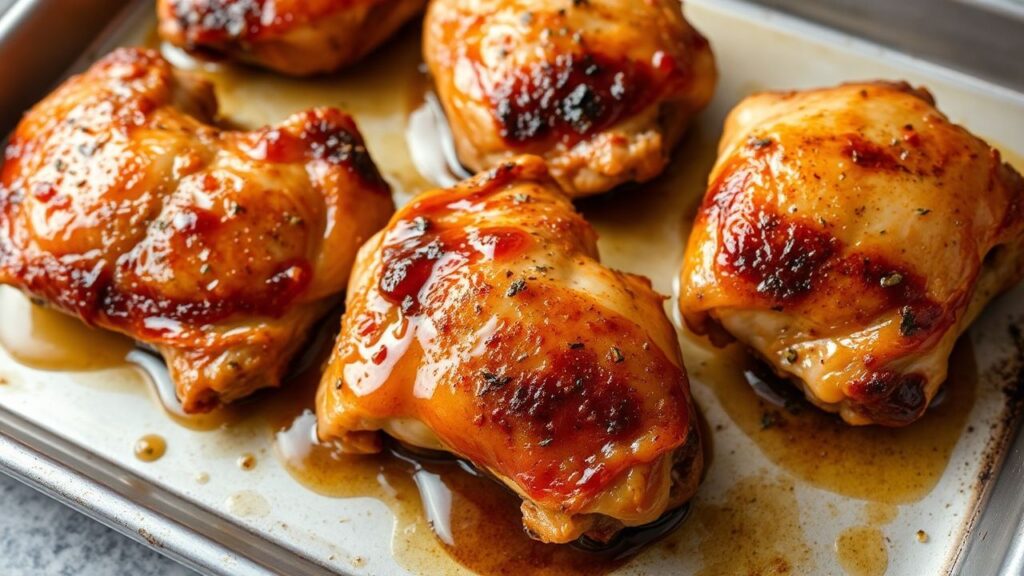
Place the baking sheet in the preheated oven. Bake for 30-40 minutes, or until the chicken is cooked through and the skin is golden brown and slightly caramelized. The exact cooking time will depend on the size of your chicken thighs and your oven’s calibration. For an even more intensified glaze and beautiful char, you can place the chicken under the broiler for the last 1-2 minutes of cooking, watching it very carefully to prevent burning. This final flourish adds a restaurant-quality touch.
Nutritional Insights: A Guiding Light
While this dish is a celebration of flavor, understanding its nutritional profile offers valuable context for those mindful of their dietary intake.
Approximate Nutritional Information Per Serving (assuming 4 servings):
- Calories: 450-550 kcal
- Protein: 35-45g
- Fat: 25-35g (varies with skin rendering)
- Carbohydrates: 15-25g (primarily from honey and glaze components)
- Sugar: 12-20g
- Sodium: 400-600mg (can be reduced with low-sodium soy sauce)
These are estimates. Actual values will fluctuate based on the precise ingredients used, portion sizes, and the degree to which fat renders from the chicken skin. For instance, a study published in the *Journal of the American Dietetic Association* highlighted how cooking methods significantly impact the fat content of chicken, with baking leading to a notable reduction compared to frying. This means that while chicken thighs are inherently richer, the baking process itself contributes to a more favorable fat profile than one might initially assume.
Elevating Your Chicken Thighs: Expert Techniques for Culinary Mastery
Achieving restaurant-quality results with baked honey garlic chicken thighs is within reach with a few strategic enhancements. These tips are born from years of kitchen experience and an understanding of how subtle adjustments can yield profound flavor and textural improvements.
💡 Expert Insight
Expert Insight: The Marinade Multiplier
While the glaze offers immediate flavor, a brief marination can deepen the infusion of savory notes into the chicken. For an added layer of complexity, consider marinating the chicken thighs in a mixture of soy sauce, a splash of rice wine vinegar, minced garlic, and a touch of grated ginger for at least 30 minutes, or up to 4 hours in the refrigerator. This allows the flavors to penetrate the meat more thoroughly, creating a more nuanced taste experience. This technique is a cornerstone in many successful Asian cuisine preparations, where layering of flavors is paramount.
Achieving the Perfect Sear and Glaze Integration
For an even more developed flavor and a superior sticky glaze, consider searing the chicken thighs skin-side down in a hot skillet for 2-3 minutes before transferring them to the baking sheet. This initial sear renders some of the fat and begins the caramelization process, setting the stage for a truly magnificent finish in the oven. When applying the glaze, ensure you get it into all the nooks and crannies of the chicken. During the final minutes of baking, you can even spoon some of the rendered pan juices back over the chicken for an extra layer of glossy goodness.
The Power of Resting: A Crucial Underrated Step
Once the chicken emerges from the oven, resist the urge to serve it immediately. Allowing the chicken to rest for 5-10 minutes, loosely tented with foil, is a critical step. This resting period allows the juices to redistribute throughout the meat, ensuring that each bite is as succulent and flavorful as the last. Cutting into the chicken too soon will result in those precious juices running out onto the plate, leaving the meat drier. This simple act transforms the texture and overall enjoyment of the dish.
Frequently Asked Questions: Clarifying the Culinary Conundrums
How can I make the glaze thicker if it’s too thin?
If your glaze is thinner than desired after baking, you have a couple of effective options. The simplest method is to remove the chicken from the baking sheet and place it on a plate. Then, return the baking sheet with the remaining glaze to the stovetop over medium-high heat. Let the glaze simmer and reduce for a few minutes until it thickens to your preferred consistency. Alternatively, if you’re comfortable with it, you can create a slurry by whisking together 1 tablespoon of cornstarch with 2 tablespoons of cold water in a small bowl. Pour this slurry into the simmering glaze on the stovetop and whisk continuously until it thickens. Be cautious not to over-thicken, as it can become gummy.
Can I use chicken breasts instead of thighs?
While it’s technically possible to use chicken breasts, it’s strongly advised against if you’re aiming for the best possible outcome with this recipe. Chicken thighs are inherently more forgiving due to their higher fat content, which keeps them moist and tender during the baking process. Chicken breasts are much leaner and prone to drying out, especially when cooked at the higher temperatures required for achieving a caramelized glaze. If you absolutely must use breasts, significantly reduce the cooking time, perhaps by 10-15 minutes, and closely monitor their internal temperature to ensure they reach 74°C (165°F) without becoming tough. A lower oven temperature might also be considered, but it would compromise the desired crispiness of the glaze. For optimal results and the intended deliciousness of this dish, stick with the thighs; they are the stars of this particular show.
What are the best side dishes to serve with honey garlic chicken thighs?
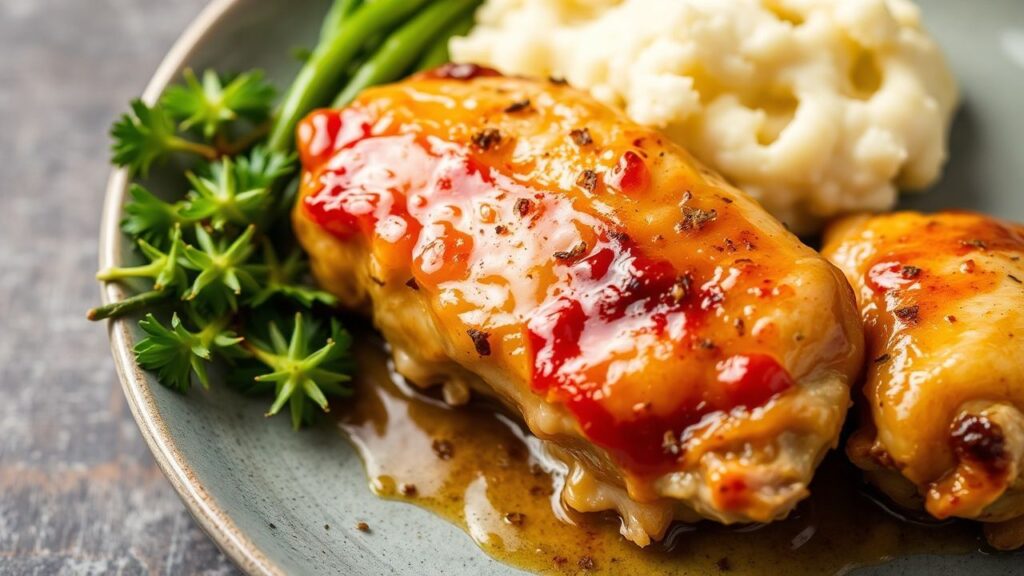
The beauty of honey garlic chicken thighs lies in their incredible versatility. For a classic pairing that complements the richness of the chicken, steamed white or brown rice is an excellent choice, as it soaks up any extra glaze beautifully. Roasted broccoli or asparagus offers a healthy, vibrant contrast, their slight bitterness cutting through the sweetness of the glaze. A simple quinoa salad with fresh herbs and a lemon vinaigrette provides a lighter, protein-packed option. For a more substantial meal, consider mashed potatoes or a creamy polenta, which provide a comforting base. You could also explore a vibrant Asian-inspired slaw with shredded cabbage, carrots, and a ginger-sesame dressing for a refreshing counterpoint. Exploring options from sites like DinnerCook.com can provide further inspiration for complementary pairings.
Conclusion: A Resounding Success
Baked honey garlic chicken thighs stand as proof of the power of simple, well-executed cooking. This recipe, with its straightforward approach and deeply satisfying results, offers a compelling solution for busy weeknights and a reliable crowd-pleaser for casual gatherings. The harmonious blend of sweet honey, pungent garlic, and savory soy sauce, intensified by the caramelization of the oven, creates a flavor profile that is both comforting and exhilarating. By understanding the nuances of ingredient selection, preparation techniques, and the subtle art of resting, you can consistently achieve a dish that rivals those found in your favorite restaurants. This isn’t just a recipe; it’s a gateway to confident, delicious home cooking.
See also: Chicken