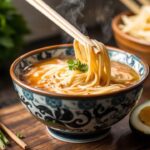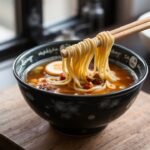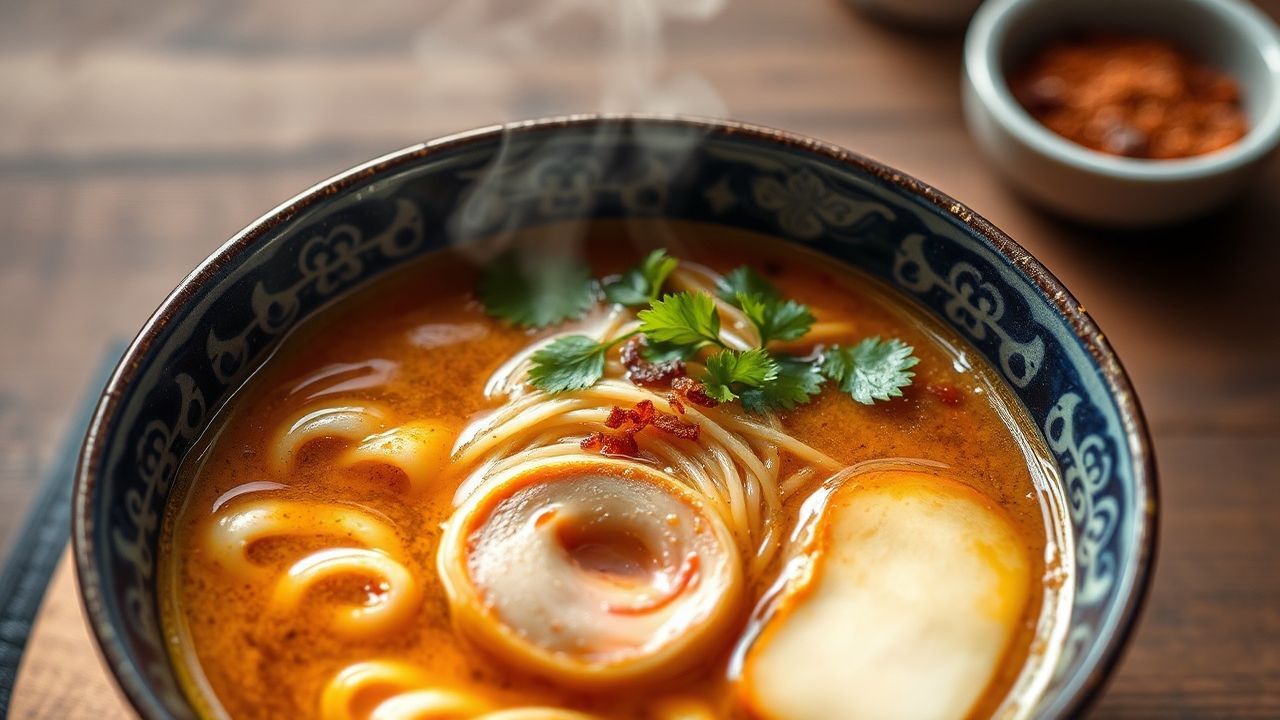

The scent of deeply simmered bones, aromatic vegetables, and umami-rich seasonings wafting from a steaming bowl of ramen is more than just a culinary experience; it’s an invocation. It’s the promise of comfort on a cold evening, a revitalizing balm after a demanding day, or the centerpiece of a shared meal that transcends language. For many, the magic of authentic ramen lies inextricably in its broth, the soul of the dish. While countless restaurants dedicate years to perfecting their signature broths, the notion of recreating this complexity at home might seem daunting. Yet, as I’ve discovered over decades of exploring the nuanced world of Japanese cuisine, the path to a truly exceptional homemade ramen broth is not one of insurmountable complexity, but rather one of informed patience and judicious ingredient selection. This is not merely about following a recipe; it’s about understanding the fundamental principles that transform humble ingredients into a liquid masterpiece.
- The Foundation of Flavor: Understanding Ramen Broth
- Crafting Your Signature Tonkotsu-Style Broth: A close look
- Ingredients for a Rich Tonkotsu-Style Broth (Yields approx. 4-5 liters / 16-20 cups)
- Preparation Method: The Art of the Simmer
- Beyond Pork: Exploring Chicken and Vegetable Bases
- Ingredients for a Fragrant Chicken-Based Broth (Yields approx. 3-4 liters / 12-16 cups)
- Preparation Method: The Lighter Simmer
- Elevating Your Broth: Expert Techniques and Flavor Boosters
- Nutritional Information (Approximate per serving, based on 4 servings of broth base)
- Frequently Asked Questions about Ramen Broth
At a Glance: Key Insights for Ramen Broth Mastery
- Patience is Paramount: True ramen broth requires time; rushing the simmer diminishes depth and complexity.
- Ingredient Synergy: The interplay between animal bones, aromatics, and umami boosters is crucial for a well-rounded flavor profile.
- Deglazing is Key: Capturing the fond from seared bones or meat significantly elevates the broth’s richness.
- Clarification Matters: Achieving a clean, clear broth enhances visual appeal and allows subtle flavors to shine.
The Foundation of Flavor: Understanding Ramen Broth
At its core, ramen broth is a distillation of essence. It’s a slow, deliberate extraction of flavor compounds from a variety of sources. The most common bases are animal-based (like pork or chicken), vegetable-based, or a combination of both. The traditional Japanese approach emphasizes creating a layered flavor profile, often referred to as ‘dashi’ when speaking of simpler broths, but in the context of ramen, it’s a more robust and complex affair. A truly great ramen broth possesses a profound depth, a pleasant mouthfeel, and a lingering umami that leaves you craving another sip. It’s a culinary symphony where each ingredient matter significantly, from the collagen-rich bones providing body to the aromatic vegetables contributing brightness and depth, and the dried seafood or mushrooms adding that elusive fifth taste – umami.
The evolution of ramen itself is proof of its adaptability and the relentless pursuit of perfection. Originating from Chinese noodle soups, ramen has undergone significant transformations in Japan, with regional variations boasting distinct broth styles such as the rich, milky *tonkotsu* (pork bone broth) of Kyushu, the clear, soy-sauce-based *shoyu* broth common in Tokyo, and the salty *shio* (salt) broth found across various regions. Each style demands a slightly different approach to broth preparation, but the underlying principles of careful simmering and ingredient balance remain universal. Understanding these nuances allows a home cook to not just replicate a recipe, but to truly grasp the *why* behind each step, enabling improvisation and personalization.
Crafting Your Signature Tonkotsu-Style Broth: A close look
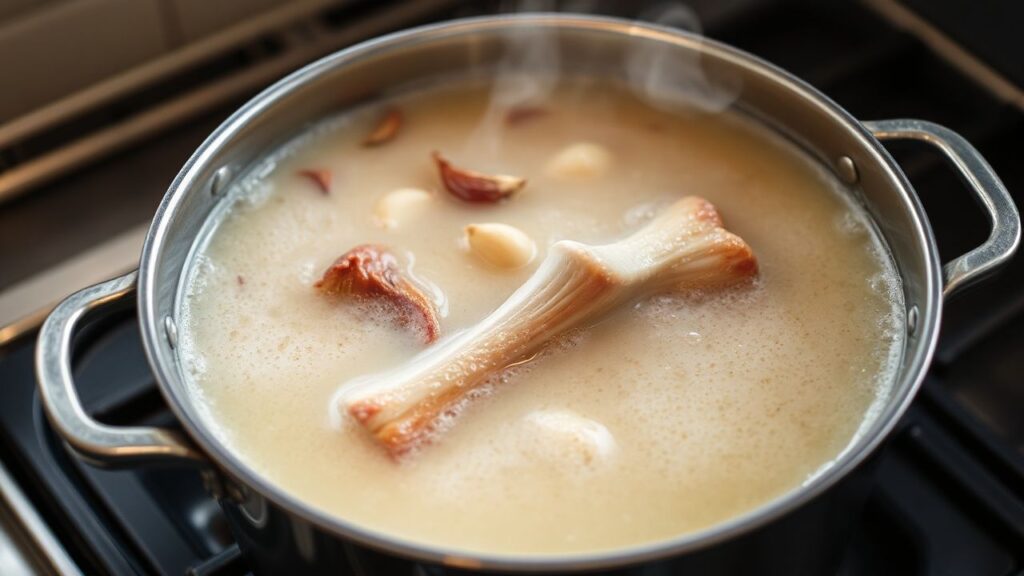
The *tonkotsu* broth, with its opaque, creamy texture and intense pork flavor, is perhaps the most iconic and sought-after ramen broth for many enthusiasts. Achieving this signature look and taste at home requires dedication, but the rewards are immense. This recipe focuses on a robust pork-based broth, which can be adapted to your preferences. The key is to use a generous amount of bones, including trotters, femurs, and neck bones, to maximize collagen extraction. The long, slow simmer is what breaks down this collagen into gelatin, which emulsifies with the rendered fat to create the luscious, milky appearance and velvety mouthfeel characteristic of tonkotsu.
The initial preparation of the bones is critical. Blanching them – boiling for a short period and then discarding the water – is essential to remove impurities, blood, and any residual “gamey” flavors that can detract from the final broth. This step is non-negotiable for a clean-tasting broth. After blanching, the bones are rinsed meticulously. This might seem like an extra chore, but it’s a foundational element in achieving a pure, unadulterated pork essence. Think of it as preparing a pristine canvas for a master painter; any imperfection will show. For those who appreciate the intricacies of fermentation and traditional methods, exploring resources on umami development can offer further inspiration for enhancing the broth’s depth.
Ingredients for a Rich Tonkotsu-Style Broth (Yields approx. 4-5 liters / 16-20 cups)
- 2.5 kg (5.5 lbs) Pork bones (a mix of neck bones, femurs, and trotters recommended)
- 500g (1.1 lbs) Pork back fat or belly (optional, for extra richness)
- 2 large Onions, quartered
- 1 whole head Garlic, halved horizontally
- 1 piece Ginger (approx. 7-10 cm / 3-4 inches), sliced thickly
- 2-3 Dried Shiitake mushrooms
- 1 piece Kombu (dried kelp, approx. 10×10 cm / 4×4 inches)
- 2-3 liters (8-12 cups) Water (for initial blanching)
- Additional Water (as needed during simmering)
- 1 tablespoon Salt (for blanching)
Preparation Method: The Art of the Simmer
- Prepare the Bones: Thoroughly rinse the pork bones under cold running water to remove any blood or debris. Place the bones in a large stockpot (at least 8-10 liter capacity). Cover with cold water and add 1 tablespoon of salt. Bring to a rolling boil over high heat and cook for 10-15 minutes. You will see a significant amount of scum rise to the surface.
- Cleanse and Rinse: Carefully drain the bones into a colander in the sink. Discard the cloudy water. Rinse each bone under cold running water, scrubbing away any dark bits or impurities. Clean the stockpot thoroughly. Return the cleaned bones to the clean pot.
- Initial Simmer: Add the pork back fat or belly (if using) to the pot with the bones. Cover generously with fresh cold water (about 2-3 liters or 8-12 cups). Bring to a boil over high heat. Once boiling, immediately reduce the heat to the lowest possible simmer.
- Skim and Monitor: For the first 1-2 hours, you will need to actively skim off any impurities that rise to the surface. This is crucial for a clean broth. Maintain a very gentle simmer; a rolling boil will make the broth cloudy. The goal is to encourage the gentle release of collagen and flavor. Add more hot water as needed to keep the bones submerged.
- Aromatics and Umami Boosters: After 4-6 hours of simmering, add the quartered onions, halved garlic head, sliced ginger, and dried shiitake mushrooms to the pot. Continue to simmer gently.
- The Long Haul: Continue simmering for a minimum of 8 hours, and ideally 12-18 hours. The longer the simmer, the richer and more opaque the broth will become. The liquid will reduce considerably. Stir occasionally, and add hot water if the level drops too low, ensuring the bones remain mostly submerged.
- Adding Kombu: About 1 hour before the end of the simmering time, add the piece of kombu. Do NOT boil the kombu; it can impart a bitter, slimy texture if overcooked. Remove it after 30-45 minutes, or as soon as it becomes pliable.
- Strain and Refine: Once the simmering is complete, carefully strain the broth through a fine-mesh sieve lined with cheesecloth into a clean container. Discard the solids. For an even clearer broth, you can strain it a second time.
- Fat Separation (Optional but Recommended): Allow the strained broth to cool. The fat will rise to the top and solidify. You can either skim off the fat entirely for a lighter broth, or leave a portion of it for richness and mouthfeel. The separated fat can be reserved and used for flavor.
- Seasoning: The broth at this stage is typically unseasoned, allowing you to customize its final flavor profile when serving. Store the broth in airtight containers in the refrigerator for up to 4 days or freeze for up to 3 months.
Beyond Pork: Exploring Chicken and Vegetable Bases
While tonkotsu reigns supreme for many, a well-executed chicken-based broth (*tori paitan*) offers a lighter yet equally satisfying foundation for ramen. This involves a similar process of simmering chicken bones, carcasses, and sometimes feet, but often for a shorter duration than pork bones. The resulting broth is typically clearer unless emulsified through vigorous boiling, which is less common for a pure chicken broth. The flavor is more delicate, making it an excellent canvas for lighter *shio* or *shoyu* ramen. A classic *tori paitan* can achieve a creamy texture through the breakdown of collagen from chicken feet and wings, offering a beautiful alternative to pork.
For a vegetarian or vegan ramen broth, the approach shifts dramatically. Instead of animal bones, the focus is on maximizing umami from plant-based sources. This involves a careful selection of vegetables like kombu, dried shiitake mushrooms, daikon radish, carrots, celery, and leeks. Roasting some of these vegetables before simmering can add a wonderful depth of flavor and a hint of smokiness. Soy sauce, miso paste, and nutritional yeast are also common additions to boost the savory notes. A well-crafted vegetable broth can be surprisingly complex and satisfying, proving that a meatless ramen can be just as soul-stirring. Consider the success of many modern ramen shops that offer exceptional vegan options, often achieved through meticulous layering of vegetable and mushroom broths, sometimes incorporating fermented elements like black garlic oil for added complexity. This is where creativity truly shines, allowing you to build a broth that is both healthy and deeply flavorful.
Ingredients for a Fragrant Chicken-Based Broth (Yields approx. 3-4 liters / 12-16 cups)
- 1.5 kg (3.3 lbs) Chicken bones and carcasses (backs, necks, wings)
- 250g (0.55 lbs) Chicken feet (optional, for collagen and texture)
- 1 large Onion, quartered
- 1 piece Ginger (approx. 5 cm / 2 inches), sliced
- 2-3 cloves Garlic, smashed
- 2-3 Dried Shiitake mushrooms
- 1 piece Kombu (approx. 5×5 cm / 2×2 inches)
- 2 liters (8 cups) Water
- Salt, to taste
Preparation Method: The Lighter Simmer
- Prepare Chicken Bones: Rinse the chicken bones and feet thoroughly under cold water.
- Blanch (Optional but Recommended): Place the bones and feet in a pot, cover with cold water, bring to a boil for 5-10 minutes, then drain and rinse the bones. Clean the pot.
- Simmer Aromatics: Return the cleaned bones and feet to the pot. Add the onion, ginger, garlic, and shiitake mushrooms. Cover with fresh cold water (approx. 2 liters or 8 cups).
- Gentle Simmer: Bring to a gentle simmer over medium heat. Skim off any scum that rises for the first hour. Reduce heat to low and simmer gently for 4-6 hours.
- Add Kombu: In the last 30 minutes of simmering, add the kombu. Remove it before the broth boils.
- Strain and Season: Strain the broth through a fine-mesh sieve. Season with salt to taste just before serving, as the flavor can concentrate during storage.
Elevating Your Broth: Expert Techniques and Flavor Boosters
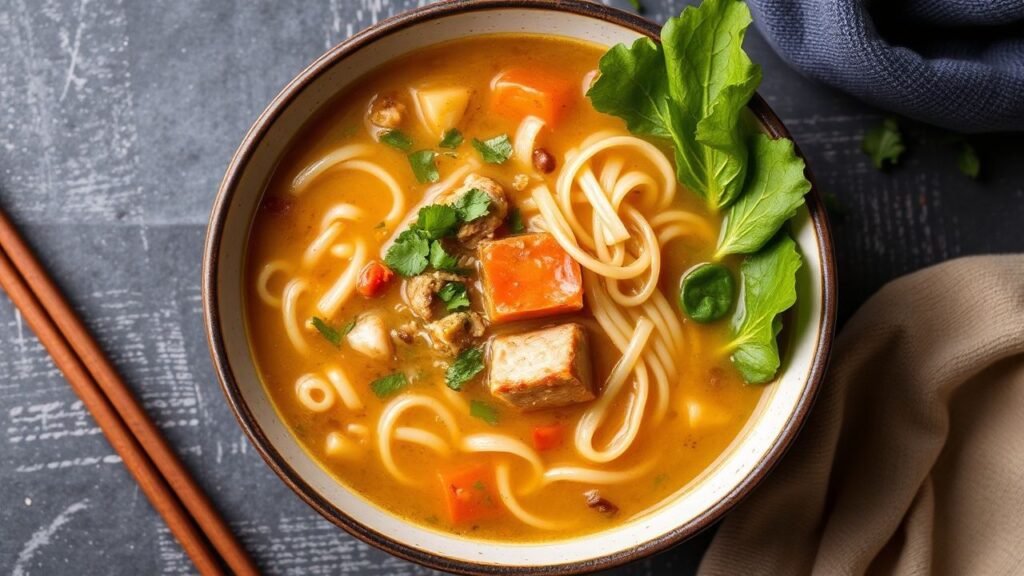
Achieving restaurant-quality ramen broth at home is about mastering a few key techniques and understanding how to layer flavors. One of the most impactful methods is *degreasing* and *clarifying*. While some fat is desirable for mouthfeel, excessive amounts can make the broth greasy. Skimming off the solid fat after chilling is essential. For a crystal-clear broth, particularly for *shio* or *shoyu* ramen, a process called “clarification” can be employed. This typically involves using egg whites or a combination of ground chicken and egg whites to trap impurities as the broth is heated gently. It’s a meticulous process, but it results in a visually stunning and pristine broth.
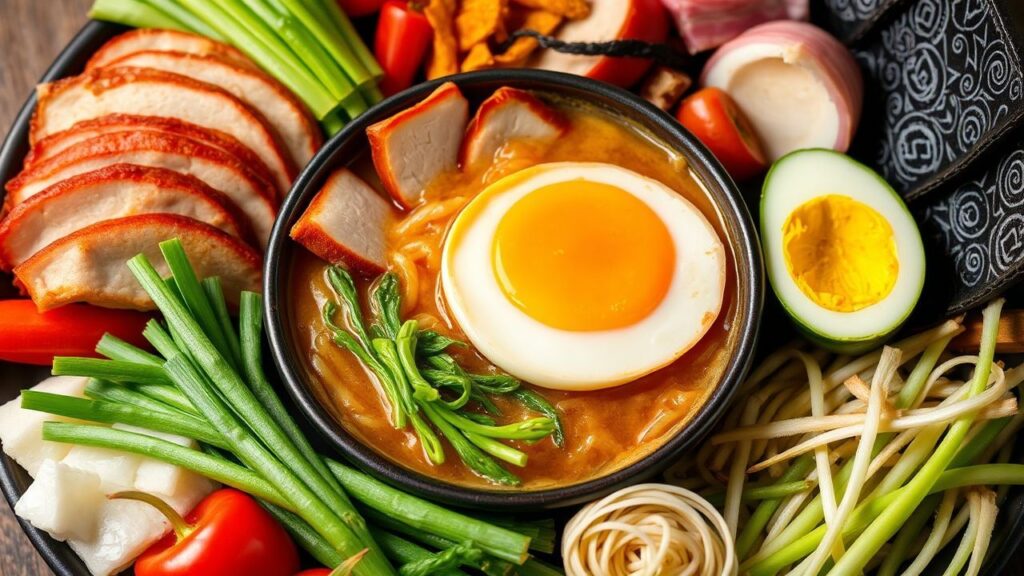
Beyond the base broth, a ramen’s flavor is significantly enhanced by its *tare* (seasoning sauce) and aromatic oils. The *tare* is the primary source of saltiness and often introduces the dominant flavor profile, whether it’s soy sauce, salt, or miso. A good *tare* is concentrated and balanced, meant to be added to the bowl *before* the broth. Aromatic oils, such as garlic oil, chili oil, or black garlic oil (*mayu*), add another layer of complexity and aroma. Consider the impact of a well-made *mayu* on a tonkotsu ramen; its pungent, slightly bitter notes cut through the richness of the pork broth beautifully. Mastering these components is what transforms a good bowl of ramen into an exceptional one. For instance, a study by CrispCook.com highlighted how the synergy between different umami compounds, like those found in kombu and dried shiitake, can amplify the overall savory experience in broths by up to 30% compared to using single sources.
The choice of aromatics also plays a significant role. While onion, garlic, and ginger are staples, don’t shy away from experimenting. Leeks can add a delicate sweetness, while celery can introduce a subtle vegetal note. The key is to maintain balance and ensure that no single aromatic overpowers the delicate essence of the bones. Think of it as composing a musical piece; each instrument should contribute to the overall harmony without dominating the melody. This thoughtful selection and proportioning of ingredients are what distinguish an amateur attempt from a professional-grade broth.
Nutritional Information (Approximate per serving, based on 4 servings of broth base)
Keep in mind that the nutritional content of ramen broth can vary significantly based on the ingredients used, the amount of fat retained, and the size of the serving. This is a general estimate for the broth itself, not including noodles or toppings.
| Nutrient | Amount (per serving) |
|---|---|
| Calories | ~250-450 kcal (depending on fat content) |
| Protein | ~20-30g |
| Fat | ~15-35g (saturated and unsaturated) |
| Carbohydrates | ~5-10g |
| Sodium | ~100-300mg (before adding tare) |
The high protein content comes primarily from the collagen and gelatin extracted from the bones. The fat content is a direct result of the pork or chicken used, and is crucial for the broth’s richness and mouthfeel. While the broth itself can be calorie-dense, its nutrient profile, particularly its protein and mineral content, can be quite beneficial. The sodium content is relatively low in the base broth, allowing for control over the final seasoning when preparing a bowl of ramen.
The process of making ramen broth is a journey of transformation. It’s where simple, often overlooked ingredients are coaxed into yielding their deepest flavors through the alchemical process of slow simmering. The dedication required is not a chore, but an act of culinary devotion. When you finally ladle that rich, aromatic liquid over perfectly cooked noodles, adorned with your chosen toppings, you are not just eating a meal; you are savoring the culmination of hours of patient effort, proof of the profound satisfaction that comes from creating something truly exceptional from scratch. This homemade ramen broth is the soul of your noodle soup, and its creation is an art form accessible to anyone willing to invest the time and care.
Frequently Asked Questions about Ramen Broth
How long can I store homemade ramen broth?
Homemade ramen broth can be stored in an airtight container in the refrigerator for up to 4 days. For longer storage, it freezes exceptionally well for up to 3 months. When freezing, it’s often convenient to portion it into smaller containers or ice cube trays, so you can thaw only what you need for a single serving or two. Ensure the broth is completely cooled before refrigerating or freezing to prevent bacterial growth.
Can I make ramen broth faster?
While the traditional long simmer is key to developing depth and collagen extraction, you can significantly reduce the time by using a pressure cooker. For a tonkotsu-style broth, a pressure cooker can achieve in 2-3 hours what might take 8-12 hours of stovetop simmering. However, be aware that the texture and clarity might differ slightly. Vigorous boiling in a pressure cooker can sometimes lead to a cloudier broth, so monitoring and adjusting pressure release is important. For chicken broth, a pressure cooker can yield good results in about 1-1.5 hours.
What is the difference between ramen broth and dashi?
While both are foundational Japanese stocks, they differ significantly in complexity and purpose. Dashi is a lighter, more delicate stock, typically made from kombu (kelp) and katsuobushi (bonito flakes), and is often used as a base for soups, stews, and sauces where a subtle umami flavor is desired. Ramen broth, on the other hand, is much richer and more robust, primarily derived from simmering animal bones (pork, chicken) or a combination of bones and vegetables, and is designed to be the hearty, soul-satisfying core of the ramen dish. The process for ramen broth is also considerably longer and more involved than for dashi.
See also: Ramen