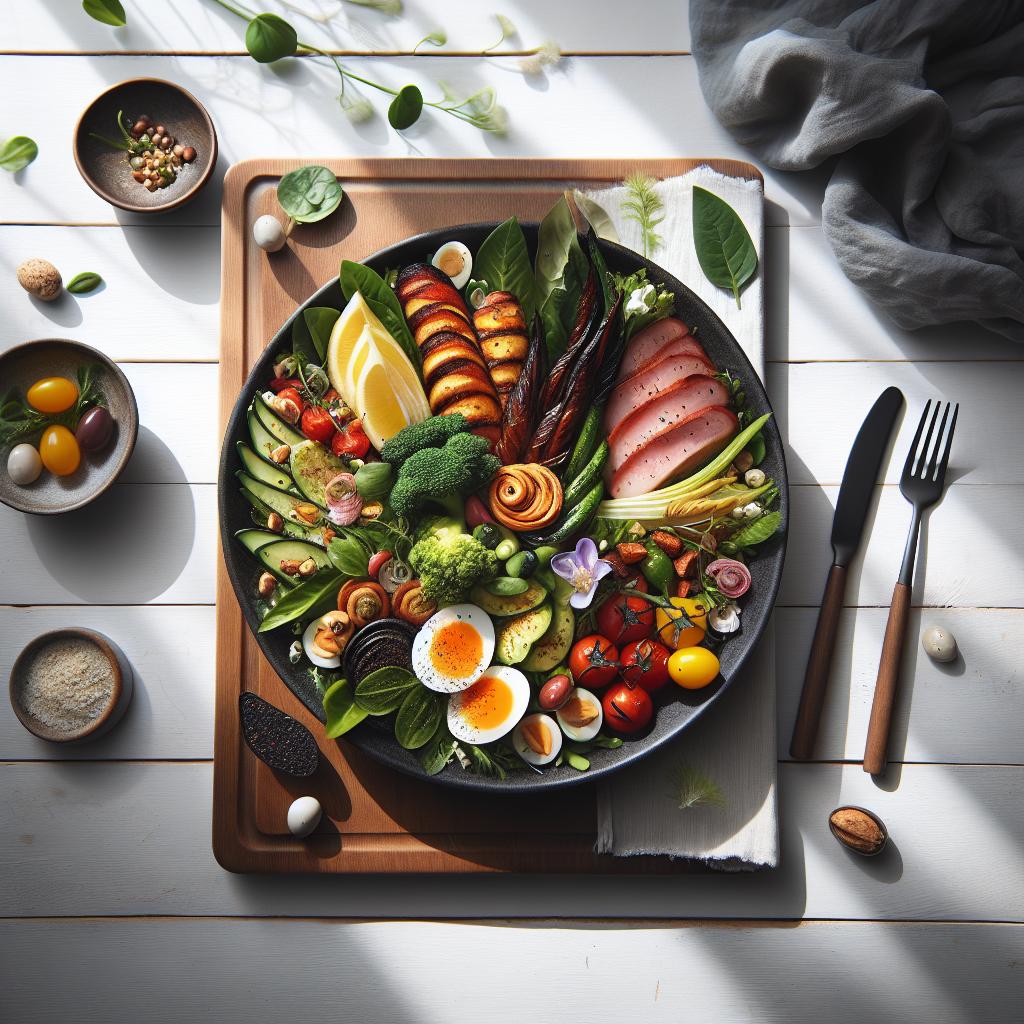

In every culture, every family gathering, every quiet dinner shared under soft lighting, food is more than sustenance-it’s a storyteller. Crafting meals that share stories is an artistry that transcends ingredients and recipes, weaving history, memory, and emotion into each bite. This culinary journey invites us to explore how meals become narratives, connecting us across generations and geographies. From treasured heirloom recipes passed down through time to innovative dishes inspired by personal experiences, the kitchen becomes a rich canvas where stories are crafted, shared, and savored. Join us as we delve into the world of storytelling through food, uncovering the profound ways that meals can bridge past and present, weaving together the flavors of life’s most meaningful moments.
Crafting Meals That Share Stories: The Heartfelt Recipe of Spiced Lamb Tagine
Crafting Meals That Share Stories is a celebration of how food transcends mere sustenance, weaving memories and heritage into each bite. This Spiced Lamb Tagine invites you into a warm Moroccan kitchen where aromatic spices and tender meat unfold a personal anecdote of tradition meeting modern culinary insight. Inspired by family gatherings under starry nights, this dish melds the vibrant palate of North Africa with a contemporary flair that’s approachable for every home chef.
Prep and Cook Time
Preparation: 25 minutes
Cooking: 2 hours 15 minutes
Yield
Serves 6 generously
Difficulty Level
Medium – ideal for cooks ready to embark on a flavor journey with rewarding complexity
Ingredients
- 2 lbs boneless lamb shoulder, cut into 2-inch cubes
- 2 tbsp olive oil
- 1 large onion, finely chopped
- 4 cloves garlic, minced
- 1 tbsp ground cumin
- 1 tbsp ground coriander
- 2 tsp ground cinnamon
- 1 tsp turmeric powder
- 1 tsp smoked paprika
- 1/2 tsp cayenne pepper (adjust to taste)
- 1 tbsp harissa paste (optional, for heat)
- 1 cup crushed tomatoes
- 1 cup low-sodium chicken broth
- 1/2 cup dried apricots, chopped
- 1/2 cup pitted green olives
- 1/4 cup fresh cilantro, chopped
- 1/4 cup fresh parsley, chopped
- Salt and freshly ground black pepper to taste
- 1 tbsp honey
- 1 lemon, sliced thinly for garnish
Instructions
- Heat olive oil in a heavy-bottomed tagine or large Dutch oven over medium-high heat. Add the lamb cubes in batches; brown evenly on all sides, about 5-7 minutes per batch. Remove lamb and set aside.
- Reduce heat to medium. In the same pot, add chopped onion and sauté until soft and translucent, approximately 6 minutes.
- Add garlic, cumin, coriander, cinnamon, turmeric, paprika, and cayenne pepper. Toast the spices gently for 1-2 minutes until fragrant, stirring constantly to prevent burning.
- Stir in the harissa paste, crushed tomatoes, and honey, blending the sweet and spicy layers of flavor.
- Return the browned lamb to the pot. Pour in the chicken broth, ensuring the meat is mostly submerged. Bring to a gentle simmer.
- Cover and cook gently for 1 hour 30 minutes to 2 hours, until the lamb is fork-tender and flavors have melded beautifully. Stir occasionally.
- About 15 minutes before finishing, stir in chopped apricots and olives. Adjust seasoning with salt, pepper, and additional honey if desired.
- Garnish with fresh cilantro, parsley, and lemon slices before serving.
Tips for Success
- Marinate lamb overnight: For deeper flavors, marinate the meat with spices and olive oil the night before cooking.
- Substitution: For a quicker version, ground lamb can be used but will lose some texture complexity.
- Vegetarian twist: Replace lamb with hearty vegetables like eggplant and chickpeas; increase simmer time accordingly.
- Make ahead: The tagine tastes even better the next day; prepare in advance and refrigerate overnight.
- Serving note: If the sauce thickens too much during refrigeration, stir in a splash of stock or water when reheating.
Serving Suggestions
Present your Spiced Lamb Tagine over a bed of fluffy saffron-infused couscous or warm, homemade flatbread. Garnish with slivers of preserved lemons and a sprinkle of toasted almonds for texture contrast. Invite your guests to share stories as they dip and savor the layers of tradition and innovation blossoming from one pot. For an immersive experience, pair with a chilled Moroccan mint tea or a bright, crisp white wine.

| Nutrient | Per Serving |
|---|---|
| Calories | 420 kcal |
| Protein | 38 g |
| Carbohydrates | 18 g |
| Fat | 22 g |
For culinary inspiration beyond traditional tagines, explore our Modern Moroccan Dishes Collection. To deepen your spice knowledge, visit Eat The World’s extensive spice history guide.
Q&A
Q&A: Crafting Meals That Share Stories – A Culinary Journey
Q1: What does it mean to craft meals that share stories?
A1: Crafting meals that share stories is an artful approach to cooking where each dish becomes a narrative. It’s about creating flavors and presentations that evoke memories, culture, and emotions-transforming simple ingredients into a living tale that diners can experience bite by bite.
Q2: How can a meal tell a story?
A2: A meal tells a story through the careful selection of ingredients, cooking techniques, and presentation. By incorporating personal or cultural heritage, historical significance, or thematic concepts, a chef can infuse meaning beyond taste-connecting eaters to a broader context, whether it’s a family legacy, regional traditions, or a meaningful event.
Q3: What are some essential elements for crafting these storytelling meals?
A3: Key elements include:
- Ingredients: Choose foods with history or symbolism.
- Technique: Traditional or signature methods can evoke authenticity.
- Plating: Visual cues can hint at elements of the story.
- Context: Sharing the meal’s background enriches the dining experience.
Together, these pieces craft a multidimensional story through food.
Q4: Can anyone learn to create meals that share stories?
A4: Absolutely! Storytelling through cooking is accessible to all who have curiosity and passion. Whether you draw inspiration from your grandmother’s recipes, a travel adventure, or local culture, being mindful of the narrative you want to convey can guide your creative meal-making.
Q5: How do storytelling meals impact diners?
A5: When a meal carries a story, it transforms eating into an immersive sensory journey. Diners connect emotionally with the food, sparking conversation, reflection, or nostalgia. This deepens appreciation for both the cuisine and the heritage or memories it represents.
Q6: What role does cultural heritage play in culinary storytelling?
A6: Cultural heritage is often the richest source for storytelling meals. Traditional recipes passed through generations hold flavors packed with meaning-symbolizing identity, rituals, and life events. Sharing these dishes honors ancestry and keeps cultural narratives alive through taste.
Q7: How can chefs present the story behind their meals?
A7: Chefs can weave storytelling into menus, verbal introductions, or chef’s notes. Multimedia elements like photos or writings also enhance the tale. The goal is to invite diners into the narrative, making every bite a chapter in a flavorful storybook.
Q8: What advice do experts give for creating story-driven dishes?
A8: Experts recommend staying authentic and personal-cook what resonates with you. Research your inspirations thoroughly to honor the true essence of the story. Experiment boldly, but keep the story clear and heartfelt for a meaningful culinary journey.
This Q&A framework offers readers a creative yet practical glimpse into the world of meals that tell stories, illuminating the magic behind cooking as a deeply human narrative craft.
Final Thoughts
As we conclude this culinary journey, it becomes clear that crafting meals is so much more than the sum of ingredients and techniques-it’s an art form that carries stories, memories, and cultures from one generation to the next. Every dish plated is a narrative waiting to be told, a window into the heart of those who create it. By embracing the stories behind our meals, we not only nourish our bodies but also foster deeper connections with our heritage and with those around us. So, the next time you sit down to share a meal, remember: you are participating in a timeless tradition of storytelling through flavor, one bite at a time.