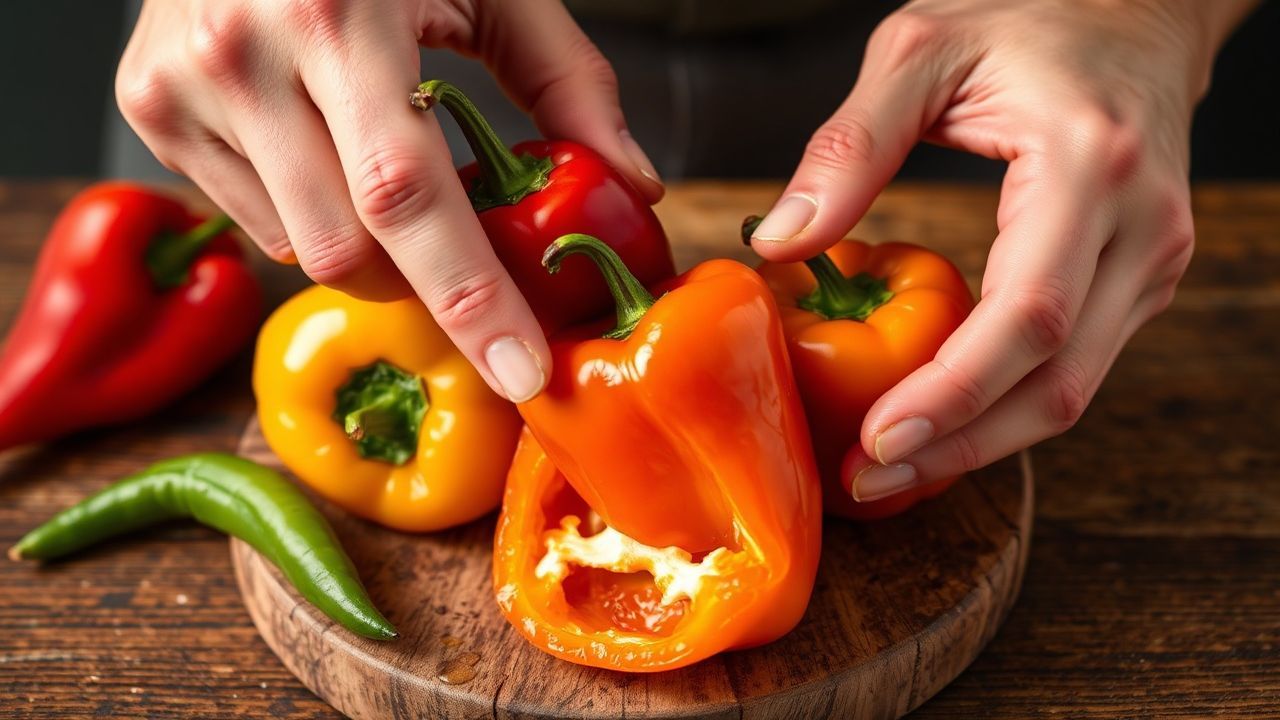

Imagine slicing into a vibrant, fiery pepper and feeling an unexpected sting spreading across your fingers. This is a stark reminder that these little flames of nature pack more than just intense flavor. Hot peppers add a thrilling zest to our dishes, but their potent oils can swiftly turn your hands into a source of significant discomfort if not handled with care.
- Always wear protective gloves before handling hot peppers.
- Designate specific cutting boards and knives for pepper preparation.
- Wash hands thoroughly with soap and water, or a fat-based solution, after handling.
- Keep dairy products like milk or yogurt readily available for immediate relief if irritation occurs.
Whether you’re a seasoned chef crafting complex cuisines or a daring foodie experimenting with bold new recipes, understanding how to protect your skin from pepper burn is absolutely essential. This guide provides simple yet highly effective tips to ensure your culinary adventures remain fiery in flavor, but gentle on your hands.
Mastering Safe Hot Pepper Handling
Handling hot peppers safely is more than just about enjoying the heat; it’s a vital skill to safeguard your skin from the potent compounds that define these vibrant ingredients. When dealing with peppers like jalapeños, habaneros, or ghost peppers, understanding their chemical makeup and mastering proper handling techniques can transform your kitchen experience from painful to pleasurable.
Capsaicin, the primary compound responsible for the heat in peppers, is an oily substance. This oil readily adheres to skin, leading to that characteristic burning sensation. Learning to manage this oil is the core of safe pepper preparation.
Understanding Capsaicin’s Properties
Capsaicinoids, a group of compounds including capsaicin, are responsible for the pungency of chili peppers. Their heat is measured in Scoville Heat Units (SHU), with some peppers reaching millions of SHU. This compound is lipophilic, meaning it dissolves in fats and oils rather than water, which is crucial for understanding effective cleaning and relief methods.
When capsaicin comes into contact with skin, it binds to TRPV1 receptors, which are pain and heat sensors. This binding triggers the sensation of burning and heat, even though no actual thermal burn has occurred. This is why washing with plain water is often ineffective.
Essential Preparation and Safety Gear
Before you even think about dicing or slicing, setting up your workspace and gathering the right protective gear is paramount. A little preparation goes a long way in preventing a painful aftermath.
Gathering Your Protective Equipment
The most critical piece of equipment is a good pair of gloves. Disposable nitrile or latex gloves offer an excellent barrier against capsaicin. Ensure they fit snugly but allow for comfortable movement. For those who frequently work with super-hot peppers, consider investing in thicker, reusable silicone gloves.
Beyond gloves, think about your work surface. Designate a clean cutting board solely for peppers. This prevents cross-contamination and ensures that any residual capsaicin doesn’t transfer to other foods. Have plenty of paper towels and soap readily accessible.
Setting Up Your Workspace
Clear your countertop and remove any other food items from the immediate prep area. This minimizes the risk of accidental contact with sensitive surfaces or other ingredients. Ensure good ventilation in your kitchen; the fumes from chopped peppers can be irritating to the eyes and respiratory system.
Having a bowl of ice water or a small container of milk or yogurt nearby can also be a proactive measure. These can be used for immediate rinsing or soothing if any accidental contact occurs. This proactive approach ensures you’re prepared for any minor mishaps.
Step-by-Step Safe Handling Techniques
Following a clear, step-by-step process ensures that each stage of pepper preparation is handled with maximum safety and minimum risk.
1. Don Your Protective Gear
Always put on your gloves before touching any hot peppers. Capsaicin binds rapidly to skin, and once it’s there, it’s difficult to remove. Ensure your gloves are intact and cover your wrists adequately.
If you’re using reusable gloves, make sure they are thoroughly cleaned after each use. Inspect them for any tears or holes that could compromise their protective barrier. Proper glove maintenance is as important as wearing them.
2. Prepare Your Cutting Station
Use a sharp knife and your designated cutting board. A sharp knife makes cleaner cuts, which can reduce the amount of pepper oils released into the air and onto surfaces. If you need to reduce the heat, carefully slice the peppers in half and scrape out the seeds and membranes, which contain the highest concentration of capsaicin.
Work deliberately and avoid rushing. Keep your hands, especially those inside the gloves, away from your face, eyes, and any other sensitive areas. This is a critical step to prevent accidental transfer of capsaicin.
3. Slicing and Dicing Precautions
When slicing, always cut away from yourself. If you are deseeding, use a spoon to carefully scoop out the pith and seeds. Dispose of any pepper remnants immediately in a sealed bag to prevent further contact or contamination.
Avoid touching the inside of the pepper with your bare fingers, even if you are wearing gloves. The oils can sometimes seep through thin gloves or transfer to the inside of the glove, which can then be transferred to your skin when removing them.
4. Immediate Cleanup
As soon as you finish preparing the peppers, thoroughly wash your cutting board, knife, and any other utensils used with hot, soapy water. Ensure all surfaces are wiped down to remove any residual oils. A quick rinse with vinegar or a diluted bleach solution can further help to neutralize capsaicin.
Do not air dry your cutting board or utensils if there’s a chance of cross-contamination. Dry them with clean towels or place them in a dishwasher if they are dishwasher-safe. Prompt and thorough cleaning is key to preventing future issues.
5. Careful Glove Removal
Removing gloves is a critical step where contamination can easily occur. Peel the gloves off from the cuff, turning them inside out as you go. This way, the contaminated outer surface is contained within the removed glove.
Once the gloves are off, wash your hands immediately with soap and cool water, even if you believe there was no direct contact. This is a final safety net to ensure any microscopic residue is washed away.
First Aid for Accidental Exposure
Even with the best precautions, accidents can happen. Knowing how to respond quickly and effectively can significantly minimize discomfort.
Treating Skin Irritation
If you experience a burning sensation on your skin, the best remedy is to use dairy products like milk or yogurt. The fat content in these products helps to dissolve capsaicin. Soak the affected area in a bowl of milk or apply a thick paste of yogurt directly to the skin. You can also use olive oil for this purpose, as capsaicin is oil-soluble.
Avoid using hot water, as it can open up pores and potentially worsen the burn. Cold water can provide temporary relief, but it doesn’t dissolve the capsaicin. Do not use alcohol-based products, as they can exacerbate the burning sensation.
Dealing with Eye or Face Contact
If you accidentally touch your eyes or face, resist the urge to rub! This will only spread the capsaicin and intensify the burning. Immediately rinse the affected area with copious amounts of cool water or milk. You can use a clean cloth soaked in milk to gently dab the area.
If irritation persists, you can try a saline solution. If symptoms are severe or do not improve, seek medical attention. It’s always better to err on the side of caution when dealing with sensitive areas like the eyes.
Long-Term Handling and Storage
Once your peppers are safely prepped, you can enjoy their heat. However, understanding how to store them and what to do with leftovers is also part of the process.
Storing Prepared Peppers
Chopped or sliced peppers can be stored in airtight containers in the refrigerator for up to a week. For longer storage, consider freezing them or making hot sauces or preserves. Ensure containers are clearly labeled, especially if you have a mix of different heat levels.
When storing, be mindful of any residual oils on the outside of the container. Wipe down the outside of the container before placing it in the refrigerator to prevent transferring oils to other surfaces.
Preventing Future Exposure
If you frequently cook with hot peppers, consider investing in dedicated pepper-handling tools, such as a pepper corer or a specialized glove set. These can make the process safer and more efficient. Also, educate everyone in your household about the importance of safe pepper handling.
Making safe handling a habit is the best long-term strategy. This includes always washing hands after cooking, even if you think you weren’t exposed, and teaching children about the dangers of touching their eyes or mouth after handling peppers.
| Nutrient | Per 1 Medium Hot Pepper |
|---|---|
| Calories | 18 kcal |
| Protein | 0.8 g |
| Carbohydrates | 4 g |
| Fat | 0.2 g |
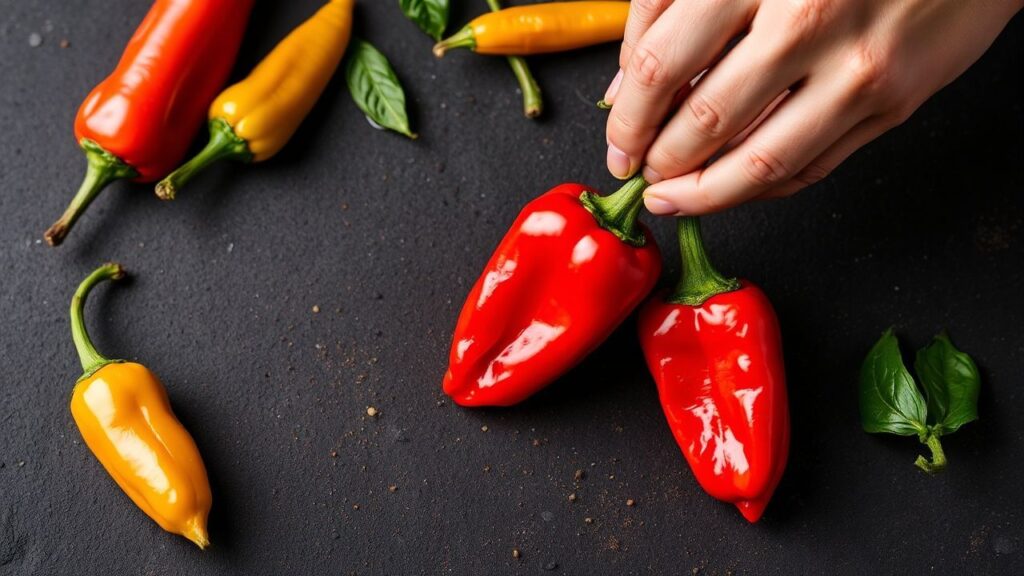
Frequently Asked Questions: Handling Hot Peppers
Q1: Why are hot peppers dangerous to touch?
Hot peppers contain capsaicin, an oily compound that causes a burning sensation on the skin. It irritates nerve endings, leading to redness, pain, and discomfort similar to a burn. This effect can linger for hours if not properly addressed.
Q2: What’s the best way to remove capsaicin from hands?
Capsaicin is oil-soluble, so water alone isn’t very effective. Wash your hands thoroughly with dish soap, which is designed to cut grease. Alternatively, rub your hands with vegetable oil, milk, or yogurt before washing with soap and water to help break down the capsaicin oils.
Q3: What if I accidentally touch my eyes after handling peppers?
Immediately rinse your eyes with cool, clean water or milk. Do not rub your eyes, as this will spread the capsaicin. If the burning sensation is severe or doesn’t subside quickly, seek medical attention. A gentle saline rinse can also provide relief.
Q4: Are there any long-term effects of handling hot peppers without gloves?
While most capsaicin burns are temporary, repeated exposure without proper protection can lead to skin sensitization or chronic irritation. Some individuals may develop a persistent sensitivity to capsaicin. Consistent use of gloves is the best way to prevent these long-term issues.
Q5: Can you neutralize capsaicin on surfaces?
Yes. After washing surfaces with hot, soapy water, a rinse with vinegar or a diluted bleach solution can help neutralize any remaining capsaicin. Wiping down with rubbing alcohol can also be effective in breaking down the oils.
In Summary: Enjoy the Heat, Safely
The fiery dance of cooking with hot peppers can add incredible depth and excitement to your meals. Your hands are your most valuable tools in the kitchen, and also your most vulnerable when working with these potent ingredients. By consistently implementing simple yet crucial precautions—such as always wearing protective gloves, washing hands thoroughly with the right agents, and diligently avoiding contact with your face and eyes—you can savor the bold flavors without the sting of burns.
Remember, the heat resides in the pepper, not in your hands. Guard them wisely, and let the spice enhance your culinary adventures rather than interrupt them. Stay safe, stay spicy, and enjoy the vibrant world of hot peppers!
See also: handle hot peppers safely
- Mastering Safe Hot Pepper Handling
- Essential Preparation and Safety Gear
- Step-by-Step Safe Handling Techniques
- 1. Don Your Protective Gear
- 2. Prepare Your Cutting Station
- 3. Slicing and Dicing Precautions
- 4. Immediate Cleanup
- 5. Careful Glove Removal
- First Aid for Accidental Exposure
- Long-Term Handling and Storage
- Frequently Asked Questions: Handling Hot Peppers
- Q1: Why are hot peppers dangerous to touch?
- Q2: What’s the best way to remove capsaicin from hands?
- Q3: What if I accidentally touch my eyes after handling peppers?
- Q4: Are there any long-term effects of handling hot peppers without gloves?
- Q5: Can you neutralize capsaicin on surfaces?
- In Summary: Enjoy the Heat, Safely