
Introduction: The Unsung Symphony of Garlic Chicken
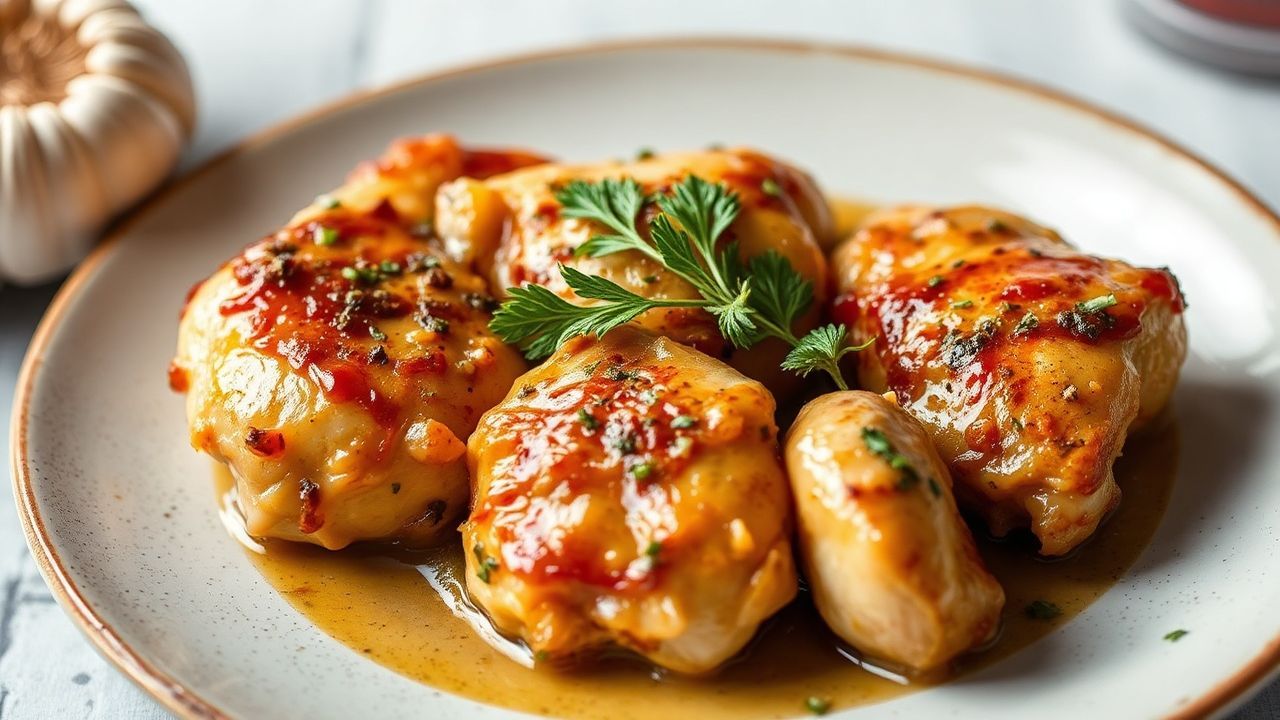
Garlic chicken. The very phrase conjures images of golden-brown, succulent pieces of poultry, glistening with a fragrant, garlicky sauce. It’s a dish that transcends culinary boundaries, a beloved staple in countless homes and a comforting constant in a world of fleeting food trends. Yet, achieving that truly *irresistible* garlic chicken, the kind that makes your guests close their eyes in pure bliss and leaves you feeling like a culinary maestro, often feels like a delicate dance with elusive perfection. Many home cooks find themselves grappling with dry chicken, overpowering garlic, or a sauce that lacks that certain je ne sais quoi. This is where we elevate the humble garlic chicken from merely good to unequivocally exceptional.
- Introduction: The Unsung Symphony of Garlic Chicken
- The Foundation: Selecting and Preparing Your Chicken
- Hack 1: The Garlic Granularity Gambit – More Than Just Minced
- Hack 2: The Marination Revelation – Beyond a Quick Dip
- Hack 3: The Sear-and-Braise Symphony – Achieving Crispy Skin and Moist Meat
- Hack 4: The Aromatics Accord – Building Depth with Layers of Flavor
- Hack 5: The Sauce Sorcery – Creating a Luscious, Balanced Finish
- Hack 6: The Finishing Flourish – Herbs, Zest, and That Final Sparkle
- Hack 7: The Expert Pairings – Serving Suggestions for Ultimate Bliss
- Nutritional Information (Per Serving, Approximate):
- Frequently Asked Questions
The secret to truly remarkable garlic chicken isn’t just about throwing garlic into a pan; it’s about understanding the interplay of heat, time, and technique to coax out its deepest, most satisfying flavors.
This isn’t merely a recipe; it’s a curated collection of expert insights, born from years of culinary experimentation and a deep appreciation for the alchemy of cooking. We’ll explore how to transform simple ingredients into a symphony of taste and texture, ensuring every bite of your garlic chicken is proof of comfort food at its finest.
Key Takeaways:
- Mastering the art of garlic preparation is paramount to unlocking its full flavor potential.
- Strategic marination significantly impacts tenderness and depth of flavor in chicken.
- The right cooking method ensures moist, succulent chicken without sacrificing crispy skin.
- Balancing aromatics and seasonings is crucial for a harmonious garlic chicken dish.
The Foundation: Selecting and Preparing Your Chicken
Before we even think about garlic, the star of our show, we must ensure we have a flawless canvas. The type and cut of chicken you choose will fundamentally dictate the final outcome of your garlic chicken. For most preparations, bone-in, skin-on chicken pieces—thighs and drumsticks—offer unparalleled succulence and flavor. The bones impart a richer taste to the sauce, and the skin, when rendered properly, provides a delightful textural contrast and acts as a natural barrier against overcooking, keeping the meat moist. Boneless, skinless breasts, while convenient, are prone to drying out quickly and require a more delicate touch. If using breasts, opt for the thicker, larger ones and consider a quick brine or shallow poach before searing.
The preparation of the chicken itself is often overlooked but is critical. Patting the chicken *exceptionally* dry with paper towels is non-negotiable. Moisture is the enemy of a good sear, and that golden-brown crust is a significant contributor to the overall flavor profile and textural appeal of your garlic chicken. A well-seared exterior locks in juices and creates a foundation for a rich, flavorful sauce. For an even more professional touch, consider trimming any excess fat, but leave enough to render and add richness.
Hack 1: The Garlic Granularity Gambit – More Than Just Minced
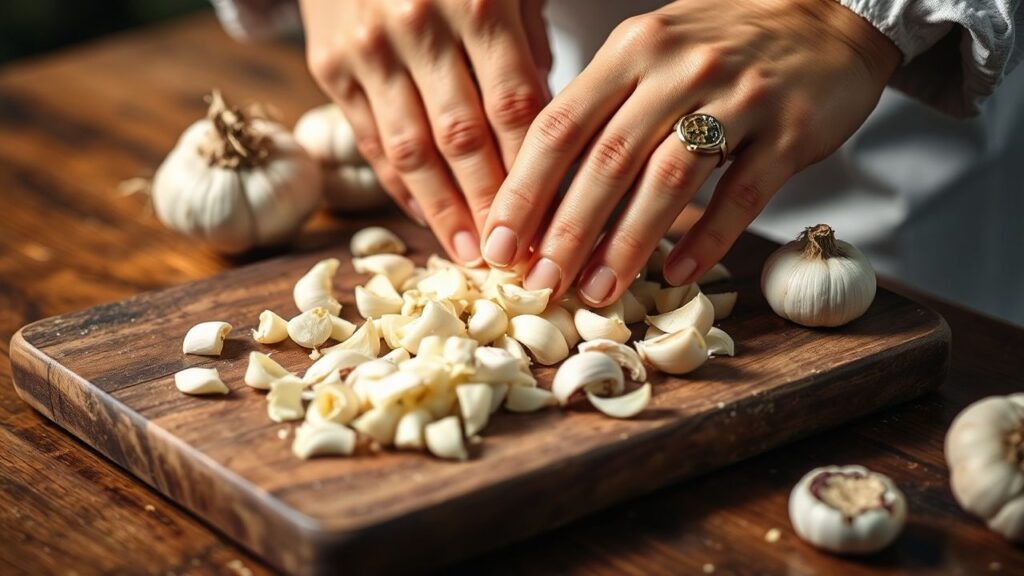
This is where true garlic chicken magic begins. The common mistake is simply mincing garlic and tossing it into the pan. While this provides a garlicky punch, it often leads to uneven flavor distribution and the risk of burnt, bitter garlic bits. True mastery lies in understanding garlic’s flavor nuances at different stages of preparation. For a robust, foundational garlic flavor that infuses the entire dish, consider roasting whole heads of garlic until softened and caramelized. Squeeze the sweet, mellow pulp into your sauce or marinade. For a sharper, more pungent kick that blooms as it cooks, finely mince or even grate fresh garlic cloves.
A truly inspired approach involves a combination: lightly smashing a few cloves and sautéing them whole in oil at the beginning of the cooking process to infuse the fat, then adding finely minced or grated garlic towards the end to preserve its bright, potent aroma. This layered approach ensures a complex garlic profile that evolves throughout the cooking and eating experience of your garlic chicken. Research suggests that different preparation methods, such as crushing or chopping, can influence the release of allicin, the compound responsible for garlic’s potent flavor, indicating that the way we treat garlic directly impacts its culinary impact.
Hack 2: The Marination Revelation – Beyond a Quick Dip
Marination is not merely about adding flavor; it’s a transformative process that tenderizes the chicken and imbues it with deep, layered tastes, making it the cornerstone of exceptional garlic chicken. While a simple soy sauce or lemon juice marinade is a start, true aficionados understand the science behind it. Acidic components like lemon juice or vinegar break down protein fibers, leading to a more tender result, but caution is key; prolonged exposure can “cook” the chicken, resulting in a mushy texture.
For the ultimate garlic chicken, consider a multi-stage marination. Begin with a base of olive oil, garlic (crushed or minced, as per Hack 1), herbs like rosemary or thyme, and a touch of salt and pepper. Allow this to sit for at least 30 minutes at room temperature, or ideally, 2-4 hours (or even overnight) in the refrigerator. For an extra boost, particularly with chicken breasts, a quick soak in a buttermilk brine can work wonders. Buttermilk’s lactic acid gently tenderizes the meat, and its richness adds an unparalleled moistness. The key is to find the right balance—long enough to penetrate, but not so long as to compromise the texture of your garlic chicken.
Hack 3: The Sear-and-Braise Symphony – Achieving Crispy Skin and Moist Meat
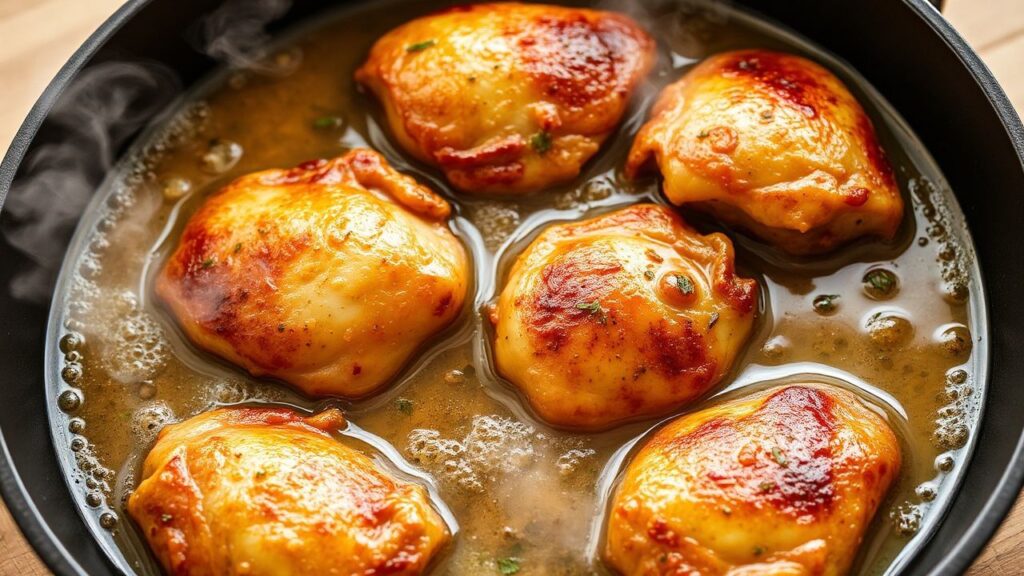
The dichotomy of crispy skin and moist, tender meat is the holy grail of perfectly cooked chicken. This is where the sear-and-braise technique shines for your garlic chicken. Begin by heating a heavy-bottomed skillet (cast iron is ideal) over medium-high heat with a high-smoke-point oil like avocado or canola. Sear the chicken pieces, skin-side down first, until a deep golden-brown crust forms. This process takes patience; resist the urge to move the chicken too soon. Once browned on all sides, remove the chicken temporarily.
Deglaze the pan with aromatics like onions, shallots, and more garlic. Then, return the chicken to the skillet, nestle it amongst the aromatics, and add your braising liquid – a combination of chicken broth, white wine, or even a splash of cream. Cover the pan tightly and transfer it to a preheated oven (around 350°F or 175°C). The oven provides gentle, even heat for the braising process, ensuring the chicken cooks through without drying out, while the initial sear guarantees that irresistible crispy skin and a rich foundation for your garlic chicken sauce.
Hack 4: The Aromatics Accord – Building Depth with Layers of Flavor
Garlic chicken is, by definition, about garlic. However, a truly exceptional dish doesn’t rely solely on its namesake. Building layers of complementary aromatics is crucial for a well-rounded flavor profile. Start with a base of finely diced onions or shallots, sautéed until translucent and sweet. This provides a subtle sweetness that balances the pungent notes of garlic. Next, introduce other complementary flavors. Fresh herbs like rosemary, thyme, or even a bay leaf added during the braising process can infuse the dish with herbaceous complexity. A pinch of red pepper flakes can offer a subtle warmth that awakens the palate without overwhelming the garlic.
For a touch of umami, consider adding a tablespoon of tomato paste, sautéed until it darkens slightly, or a splash of Worcestershire sauce. These additions create a more profound, savory depth that elevates your garlic chicken from good to extraordinary. The trick is to layer these flavors, allowing each to develop and meld before introducing the next.
Hack 5: The Sauce Sorcery – Creating a Luscious, Balanced Finish
The sauce is the crowning glory of any garlic chicken dish. It’s the element that ties all the flavors together and coats the chicken in a blanket of pure comfort. A common pitfall is a sauce that’s too thin, too oily, or lacks the right balance of flavors. After braising, remove the chicken and set aside. If your braising liquid seems a bit thin, you can thicken it by simmering it gently to reduce its volume, or by whisking in a slurry of cornstarch or flour mixed with a little cold water.
However, for a truly luxurious texture, consider finishing the sauce with a knob of cold butter, whisked in off the heat. This technique, known as “monter au beurre,” emulsifies the sauce, giving it a velvety smooth consistency and a richer mouthfeel. Taste and adjust seasoning meticulously. Does it need more salt? A touch more acidity from a squeeze of lemon juice or a splash of white wine vinegar? A hint of sweetness from a touch of honey or sugar? Achieving that perfect balance is an art form that transforms a good sauce into a sublime one for your garlic chicken.
A well-executed garlic chicken sauce should be rich enough to coat the back of a spoon, yet bright enough to cut through the richness of the poultry.
Hack 6: The Finishing Flourish – Herbs, Zest, and That Final Sparkle
The final touches can elevate your garlic chicken from a home-cooked meal to a restaurant-quality masterpiece. Once the chicken is cooked and the sauce is perfected, consider the power of fresh ingredients. A generous sprinkle of freshly chopped parsley, chives, or cilantro just before serving adds a burst of freshness and vibrant color. The contrast between the warm, savory chicken and sauce and the bright, herbaceous finish is incredibly satisfying.
Don’t underestimate the impact of citrus zest. A finely grated lemon or orange zest, added at the very end, provides a subtle aromatic lift that cuts through the richness and brightens the entire dish. A final drizzle of high-quality olive oil or a sprinkle of toasted pine nuts or slivered almonds can add another layer of texture and flavor complexity. These small, deliberate additions are what distinguish a truly memorable garlic chicken.
Hack 7: The Expert Pairings – Serving Suggestions for Ultimate Bliss
While the garlic chicken itself is the star, its supporting cast can significantly enhance the overall dining experience. For a classic and comforting pairing, consider serving your garlic chicken alongside creamy mashed potatoes, which are perfect for soaking up every last drop of that glorious sauce. Roasted root vegetables, such as carrots, parsnips, and potatoes, offer a sweet and earthy counterpoint.
A simple side of steamed green beans or asparagus, perhaps tossed with a little lemon juice and butter, provides a refreshing contrast and a welcome touch of green. For a lighter option, serve with fluffy couscous or a simple pilaf. A crusty baguette is essential for mopping up any residual sauce, ensuring no flavor goes to waste. And, of course, a crisp white wine, such as a Sauvignon Blanc or a Vermentino, makes for an ideal beverage pairing that complements the garlic and chicken beautifully.
Nutritional Information (Per Serving, Approximate):
- Calories: 450-550 (depending on cuts and added fats)
- Protein: 35-45g
- Fat: 25-35g (includes saturated fat)
- Carbohydrates: 5-10g
- Sodium: 400-600mg (can vary significantly based on added salt and marinades)
*Note: Nutritional values are estimates and can vary based on specific ingredients and portion sizes used.*
Frequently Asked Questions
Can I make garlic chicken ahead of time?
Yes, you can prepare garlic chicken ahead of time. It can be cooked and then gently reheated. For best results, reheat in a covered oven-safe dish with a splash of broth or water to maintain moisture. The sauce can also be made in advance and gently warmed.
What is the best type of garlic to use for garlic chicken?
Fresh garlic is essential for the best flavor. While any variety works, larger, plump cloves tend to be more potent. Roasted garlic offers a sweeter, milder flavor that can be wonderful in sauces or marinades, while raw, finely minced garlic provides a sharper, more pungent taste. Using a combination can create a complex flavor profile.
How can I make my garlic chicken sauce thicker?
To thicken your garlic chicken sauce, you can simmer it uncovered over medium heat to allow excess liquid to evaporate. Alternatively, create a slurry by mixing 1-2 tablespoons of cornstarch or flour with an equal amount of cold water, then whisking it into the simmering sauce until it reaches your desired consistency. Finishing with a knob of cold butter (“monter au beurre”) also emulsifies and slightly thickens the sauce.
Can I use boneless, skinless chicken for garlic chicken?
While possible, boneless, skinless chicken breasts are more prone to drying out and require careful cooking. If using them, consider marinating them for a shorter period or using a quick cooking method like pan-searing followed by a brief braise. For a more forgiving result with tender, moist meat, bone-in, skin-on cuts like thighs and drumsticks are generally recommended.
Is garlic chicken healthy?
Garlic chicken can be a part of a healthy diet, especially when prepared with lean cuts of chicken and mindful amounts of fats and sodium. Garlic itself is associated with various health benefits. However, the overall healthiness depends on the cooking methods, the amount of oil, butter, and cream used in the sauce, and the portion size. Opting for healthier cooking techniques like searing and braising over deep-frying, and using plenty of vegetables as accompaniments, can contribute to a more nutritious meal.
See also: Garlic Chicken