
What if a salad could deliver the satisfying crunch of your favorite snack, the savory depth of a beloved street food, and the vibrant zest of Southeast Asian cuisine, all in one harmonious bite?
The concept of a “salad” often conjures images of delicate greens and light vinaigrettes, a refreshing counterpoint to more robust dishes. However, culinary definitions are evolving. Enter the Satay Crispy Rice Salad, a dish that artfully bridges the gap between comforting textures and sophisticated flavors, offering an experience far removed from the mundane. This isn’t just a side dish; it’s a culinary statement, proof of inventive spirit. It speaks to a global palate that appreciates the interplay of contrasting elements – the yielding chew of rice, the brittle snap of fried grains, the aromatic punch of satay spices, and the bright acidity of fresh herbs.
- What if a salad could deliver the satisfying crunch of your favorite snack, the savory depth of a beloved street food, and the vibrant zest of Southeast Asian cuisine, all in one harmonious bite?
- The Genesis of a Culinary Icon: Understanding Satay’s Influence
- Deconstructing the Satay Crispy Rice Salad: A Symphony of Textures and Flavors
- Crafting the Perfect Crispy Rice Base: The Foundation of Success
- Mastering the Satay Dressing: The Soul of the Salad
- Assembling the Satay Crispy Rice Salad: A Culinary Masterpiece in Stages
- Variations and Enhancements: Personalizing Your Satay Crispy Rice Salad
- The Nutritional Profile: More Than Just a Flavor Bomb
- Bringing it Home: Expert Tips for Satay Crispy Rice Salad Perfection
- Conclusion: A Culinary Revolution in a Bowl
- Frequently Asked Questions
The allure of this salad lies in its paradoxical nature: it’s both familiar and exotic, simple in its components yet complex in its execution. It taps into primal satisfaction derived from textural contrast, amplified by the robust, umami-rich flavors characteristic of satay. Imagine the deep, nutty aroma of toasted peanuts mingling with the subtle heat of chili, the tang of lime, and the herbaceous notes of cilantro and mint. This symphony of tastes, combined with the delightful crunch of crisped rice, transforms a humble bowl of ingredients into an extraordinary culinary adventure. It’s a dish that can be a light lunch, a vibrant appetizer, or a compelling addition to a larger spread, proving its versatility and universal appeal.
The Satay Crispy Rice Salad is a masterclass in textural harmony, proving that the most delightful culinary experiences often arise from the masterful interplay of contrasting elements.
The Genesis of a Culinary Icon: Understanding Satay’s Influence
To truly appreciate the Satay Crispy Rice Salad, one must first understand the profound influence of satay itself. Originating from Southeast Asia, particularly Indonesia and Malaysia, satay refers to a dish of seasoned, skewered, and grilled meat, usually served with a rich peanut sauce. Its global proliferation is proof of its irresistible flavor profile, a complex interplay of sweet, savory, spicy, and often tangy notes. The core of satay’s magic lies in its marinade and its accompanying sauce, both heavily reliant on aromatics like garlic, shallots, turmeric, lemongrass, and, of course, ground peanuts. These ingredients create a deeply satisfying umami bomb that has captivated palates worldwide.
Historically, satay evolved from nomadic culinary traditions, with skewers providing a practical way to cook meat over open fires. The peanut sauce, a later development, added a layer of richness and complexity that elevated the dish. Its adaptability has led to countless regional variations. According to the *International Journal of Gastronomy and Food Science*, the widespread appeal of satay can be attributed to its “satisfying textural profile and the harmonious blend of sweet, savory, and spicy elements,” making it a staple in street food culture and fine dining alike. This inherent versatility is precisely what makes it such a potent foundation for innovative dishes like the crispy rice salad.
The cultural significance of satay extends beyond its flavor; it represents communal eating, street-side vibrancy, and accessible artistry. It’s a dish that evokes a sense of place and tradition, a comforting reminder of shared meals and bustling markets. When translated into a salad format, these deeply ingrained associations with flavor and experience are powerfully evoked, creating immediate culinary familiarity and excitement.
Deconstructing the Satay Crispy Rice Salad: A Symphony of Textures and Flavors
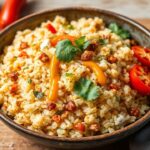
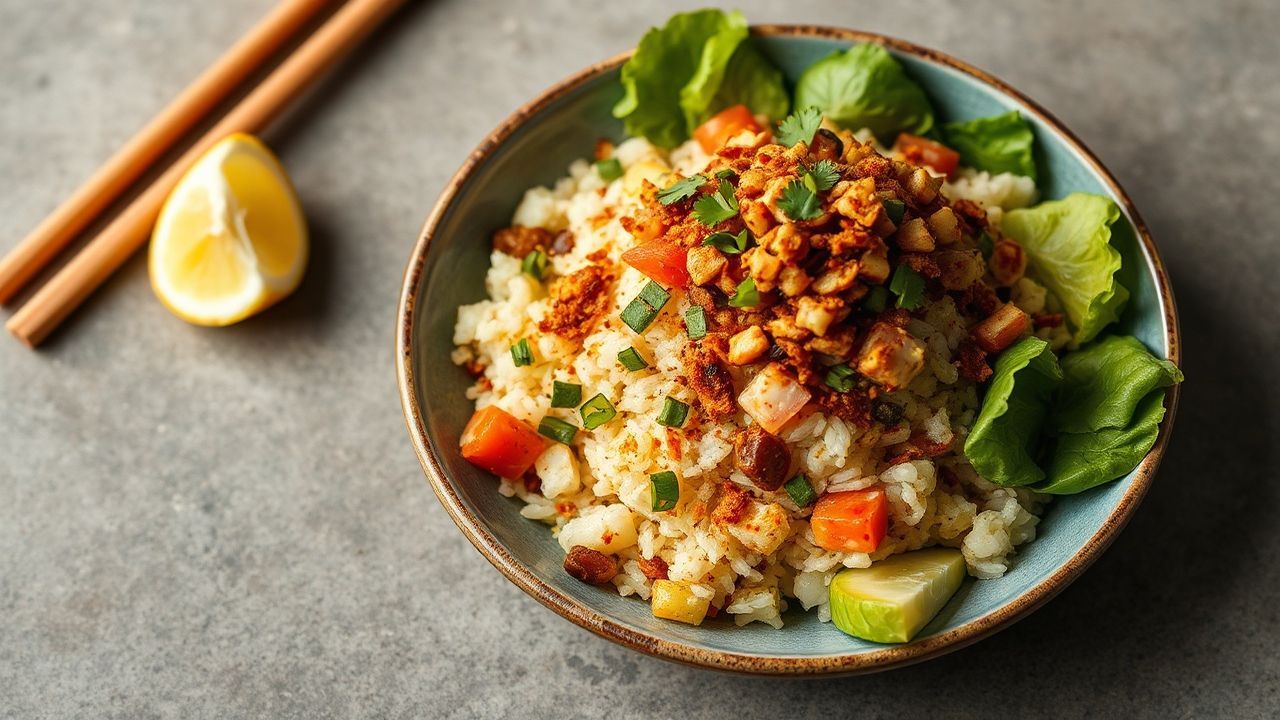
The beauty of the Satay Crispy Rice Salad lies in its layered construction. It’s not merely a collection of ingredients thrown together; it’s a carefully orchestrated ensemble where each component matter significantly in creating a balanced and exhilarating taste experience. At its heart is the *crispy rice*. This isn’t your average steamed or boiled rice. Instead, cooked rice, often short-grain for better binding, is pressed, chilled, and then deep-fried or pan-fried until it achieves a golden-brown hue and an irresistible, brittle crunch. This textural foundation is paramount, providing the satisfying “snap” that defines the salad.
Beyond the rice, the *satay element* is introduced through a vibrant dressing and often through the inclusion of marinated, grilled, or pan-fried proteins. The dressing is where the magic truly happens. It typically features a base of smooth peanut butter, emulsified with lime juice for brightness, soy sauce or fish sauce for umami depth, a touch of sweetener (like honey or palm sugar) for balance, and a kick of chili for warmth. Fresh aromatics such as minced garlic, ginger, and finely chopped shallots are often incorporated to lend pungency and complexity. This dressing coats every element, infusing it with that quintessential satay character.
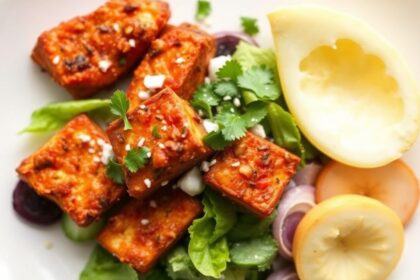
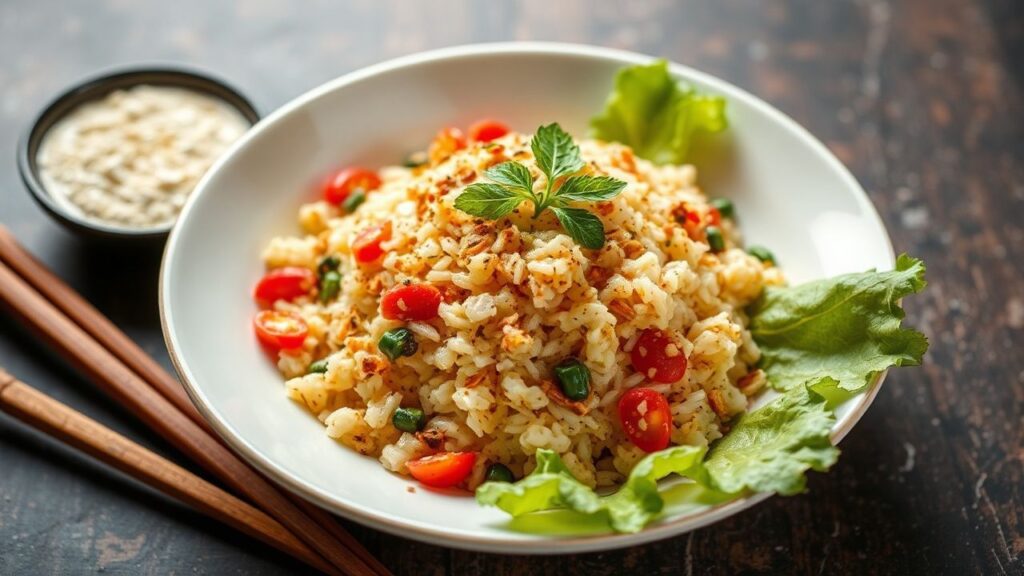
The *accompanying ingredients* are chosen to complement and contrast. Fresh herbs like cilantro, mint, and Thai basil provide bursts of freshness and aromatic lift, cutting through the richness of the peanut dressing. Sliced cucumbers and red onions offer a refreshing crunch and a subtle sharpness. For added protein and texture, small pieces of grilled chicken, shrimp, or firm tofu, marinated in satay spices, can be incorporated. Sometimes, finely chopped peanuts are sprinkled on top for an extra layer of nutty flavor and crunch. The goal is a harmonious interplay: the crispiness of the rice, the chewy or tender texture of any protein, the cool crunch of vegetables, and the zesty, savory, slightly spicy coating of the satay dressing.
Crafting the Perfect Crispy Rice Base: The Foundation of Success
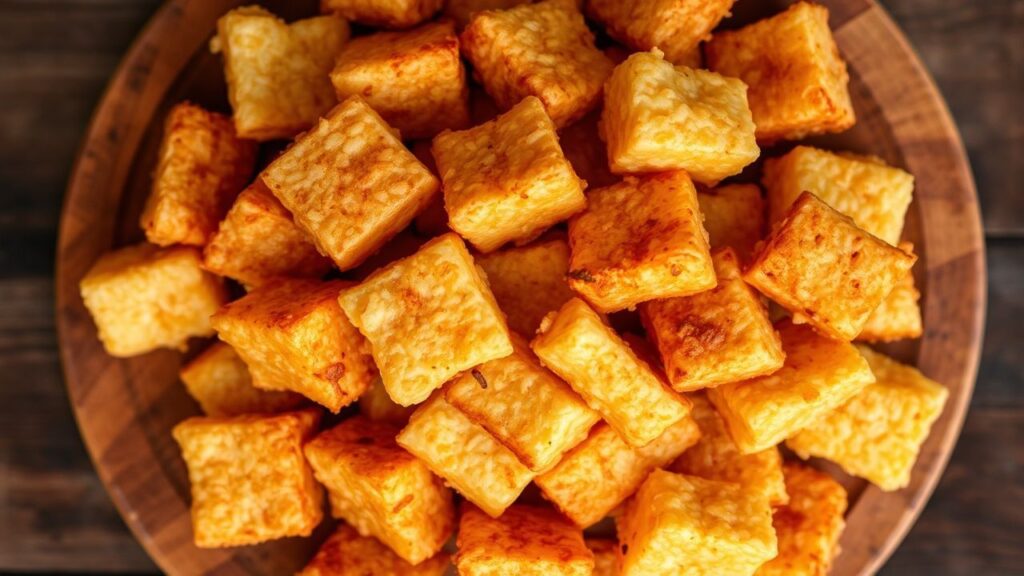
The foundation of any exceptional Satay Crispy Rice Salad is, undeniably, the crispy rice itself. Achieving that perfect balance between a tender interior and a shatteringly crisp exterior requires attention to detail and a solid understanding of the rice’s properties. The type of rice is a critical starting point. Short-grain or medium-grain varieties, like Arborio or sushi rice, are generally preferred because their higher starch content allows them to bind together more effectively when cooked and pressed. Long-grain rice, while delicious, can result in a less cohesive base that crumbles more easily.
The cooking process for the rice is also paramount. It should be cooked until just tender, not mushy. Overcooked rice will release too much moisture, making it difficult to crisp and potentially leading to a greasy outcome. After cooking, the rice needs to be seasoned – a touch of salt and perhaps a hint of rice vinegar can enhance its flavor before it’s pressed. The pressing stage is crucial for creating a dense, unified block. Spreading the cooked rice evenly into a shallow pan or baking dish lined with parchment paper, then pressing down firmly with another piece of parchment or a flat object, ensures uniform thickness. This density is key to achieving even crisping.
Chilling the pressed rice is a non-negotiable step. Refrigerating it for at least a few hours, or ideally overnight, allows the rice to firm up considerably. This makes it much easier to cut into desired shapes (squares, rectangles, or even small discs) and significantly improves its ability to hold its structure during the frying process. When it comes to frying, there are two main approaches: deep-frying for maximum crispiness and a more even golden-brown color, or pan-frying for a slightly healthier, more controlled crisp. Regardless of the method, ensuring the oil is at the correct temperature (around 350-375°F or 175-190°C for deep-frying) is essential to prevent the rice from becoming greasy. Once fried to a perfect golden crisp, the rice pieces should be drained on a wire rack to maintain their crunch, rather than on paper towels, which can trap steam.
Mastering the Satay Dressing: The Soul of the Salad
The satay dressing is the undisputed soul of this salad, the element that binds all the disparate components into a cohesive and exhilarating flavor experience. Its creation is an art form, requiring a delicate balance of sweet, savory, sour, and spicy notes. The foundation is typically smooth peanut butter. While natural, unsweetened peanut butter offers the purest flavor, some prefer the convenience of conventional peanut butter, which often contains added sugar and oil. The choice impacts the final sweetness and texture, so it’s worth experimenting.
The savory depth comes from a combination of soy sauce or tamari (for a gluten-free option), and often fish sauce, which adds an unparalleled umami complexity. The tang is primarily provided by fresh lime juice; its bright acidity cuts through the richness of the peanut butter and awakens the palate. A touch of sweetness is crucial for balance, and this can be achieved with honey, maple syrup, or traditionally, palm sugar. The heat element can be adjusted to personal preference, ranging from a subtle warmth from a pinch of chili powder or a small amount of sriracha, to a more fiery kick with fresh chilies or chili paste.
Beyond these core ingredients, the aromatic backbone of the dressing is vital. Finely minced garlic and ginger lend a pungent, invigorating warmth. Shallots, with their milder, sweeter oniony profile, add another layer of complexity. Some recipes even incorporate a hint of turmeric for its earthy notes and vibrant color, or a small amount of lemongrass for a citrusy, floral aroma. The key to a successful dressing is emulsification. Whisking the ingredients vigorously, or even blending them in a food processor or blender, ensures a smooth, cohesive sauce that coats the crispy rice and other salad components beautifully, rather than being oily or separated.
Assembling the Satay Crispy Rice Salad: A Culinary Masterpiece in Stages
The assembly of the Satay Crispy Rice Salad is where the visual and gustatory artistry truly comes to life. It’s a process that respects the individual textures and flavors, ensuring each element contributes to the overall harmony. Begin by preparing your crispy rice. Once fried and drained, allow it to cool slightly before cutting it into bite-sized pieces. These will form the base of your salad.
Next, prepare your protein, if using. Small pieces of grilled chicken, shrimp, or pan-fried tofu, marinated in a satay-inspired mixture (similar to the dressing ingredients, perhaps with a bit more chili and garlic), add substance and a satisfying chew. Ensure the protein is cooked through and slightly cooled.
In a large mixing bowl, gently combine the cooled crispy rice pieces with your chosen vegetables. This typically includes finely sliced red onion, crisp cucumber batons, and sometimes julienned carrots or bell peppers for added color and crunch. The fresh herbs – cilantro, mint, and perhaps some Thai basil – are usually added towards the end to preserve their vibrant freshness and aroma.
Now comes the crucial step: dressing the salad. Drizzle your prepared satay dressing over the ingredients in the bowl. Begin with a moderate amount, gently tossing to coat the crispy rice and vegetables evenly. You want every piece to be kissed by the flavorful dressing, but not drowned in it, as this could compromise the crispiness of the rice. Add more dressing as needed, until the desired level of flavor saturation is achieved.
The final touch is often a sprinkle of toasted peanuts for an extra layer of crunch and nutty flavor, and perhaps a few extra sprigs of fresh cilantro or mint for visual appeal and aromatic enhancement. Serve the salad immediately to ensure the crispy rice retains its signature crunch. The visual appeal is as important as the taste; a well-assembled salad should be a riot of colors and textures, inviting diners to dive in.
Variations and Enhancements: Personalizing Your Satay Crispy Rice Salad
While the core components of the Satay Crispy Rice Salad remain consistent, its true brilliance lies in its adaptability. This dish is a canvas for culinary creativity, allowing for endless variations to suit diverse palates and dietary needs. For those seeking a lighter, more plant-forward option, the grilled chicken or shrimp can be substituted with pan-fried firm or extra-firm tofu, tempeh, or even edamame. Marinating these plant-based proteins in a satay-inspired marinade before cooking ensures they absorb the signature flavors.
The vegetable component is another area ripe for personalization. Beyond the classic red onion and cucumber, consider adding finely shredded purple cabbage for vibrant color and a peppery bite, thinly sliced radishes for a crisp, slightly spicy counterpoint, or even blanched green beans or snap peas for added sweetness and crunch. For a touch of sweetness and acidity, segments of fresh mango or pineapple can be a delightful addition, echoing the tropical origins of satay.
Spice levels can be meticulously adjusted. For those who prefer a milder flavor, omit the chili altogether or use a very small amount of mild chili flakes. For heat seekers, incorporating fresh bird’s eye chilies, a dollop of sambal oelek, or a spicier chili paste into the dressing can elevate the heat quotient significantly. The peanut butter itself can be swapped for almond butter or cashew butter for a subtle shift in nutty flavor, though this will alter the classic satay profile.
Some adventurous cooks even incorporate other textural elements, such as toasted sesame seeds for a nutty aroma, or crispy fried shallots for an extra layer of savory crunch. The inclusion of a small amount of pickled vegetables, like pickled daikon or carrots, can add a welcome tangy element that cuts through the richness of the dressing. Ultimately, the most successful variations are those that maintain the fundamental balance of crispy, savory, and fresh, while infusing the dish with your unique culinary signature.
The Nutritional Profile: More Than Just a Flavor Bomb
While often celebrated for its irresistible taste and satisfying textures, the Satay Crispy Rice Salad also offers a surprisingly nuanced nutritional profile, particularly when prepared with thoughtful ingredient choices. The core components, when viewed individually, contribute various beneficial nutrients. The *crispy rice base*, while fried, is primarily composed of carbohydrates, which are essential for providing energy. When made with whole-grain rice, it can also offer dietary fiber, though this is less common with the typical short-grain varieties used for crisping. The *peanut butter* in the dressing is a powerhouse of healthy monounsaturated fats, which are beneficial for heart health. It also provides protein, fiber, and essential minerals like magnesium and potassium. According to the USDA FoodData Central, a standard serving of peanut butter is rich in biotin, niacin, and vitamin E.
The *vegetables* incorporated into the salad, such as cucumber, red onion, carrots, and bell peppers, are packed with vitamins, minerals, antioxidants, and dietary fiber. For instance, carrots are renowned for their high beta-carotene content, which the body converts to vitamin A, crucial for vision and immune function. Red onions and bell peppers contribute vitamin C, an important antioxidant that supports the immune system and skin health. The *fresh herbs* like cilantro and mint, though used in smaller quantities, provide a wealth of micronutrients and phytonutrients. Cilantro, for example, contains antioxidants and has been studied for its potential to help the body eliminate heavy metals.
The *protein source*, whether chicken, shrimp, or tofu, adds essential amino acids, which are the building blocks of protein, vital for muscle repair and growth. Fish sauce and soy sauce, while contributing significant sodium, also provide trace amounts of minerals. To optimize the health benefits of the Satay Crispy Rice Salad, consider using a high-quality, natural peanut butter with no added sugar or hydrogenated oils. Opting for less oil during the frying of the rice, or even air-frying the rice pieces, can significantly reduce the fat content. Incorporating a wider array of colorful vegetables and lean protein sources further enhances the salad’s nutritional value.
Bringing it Home: Expert Tips for Satay Crispy Rice Salad Perfection
To elevate your Satay Crispy Rice Salad from merely good to truly exceptional, a few expert insights can make all the difference. The most critical factor for success is managing moisture. Remember that fried foods and moisture are natural adversaries to crispiness. Therefore, ensure all components are as dry as possible before assembly. Pat down fried rice and proteins thoroughly with paper towels, and ensure vegetables are well-drained.
When it comes to the dressing, emulsification is key. For a restaurant-quality smooth dressing, consider using an immersion blender or a small food processor. This will ensure a stable emulsion that won’t separate. If whisking by hand, start by gradually adding the liquid ingredients to the peanut butter while whisking vigorously.
The timing of assembly and serving cannot be overstated. The crispy rice is at its peak of crunchiness immediately after frying and cooling. Therefore, it is best to assemble the salad just before serving. If you need to prepare elements in advance, keep the crispy rice separate from the dressed components until the last possible moment. This is a salad best enjoyed immediately after its final toss.
Don’t underestimate the power of fresh aromatics. Finely mincing garlic, ginger, and shallots for the dressing, and chopping herbs like cilantro and mint just before adding them to the salad, will release their most potent flavors and aromas, significantly enhancing the overall sensory experience. For an extra layer of depth, consider toasting your peanuts before grinding them for the dressing or using them as a garnish. Toasted peanuts offer a richer, more complex nutty flavor than raw ones.
Finally, presentation matters. While it’s a salad, arranging the components artfully in a bowl or on a platter can transform it into a visually stunning dish. A sprinkle of fresh herbs, a few whole peanuts, or a drizzle of extra dressing can add that final professional touch.
Conclusion: A Culinary Revolution in a Bowl
The Satay Crispy Rice Salad is more than just a dish; it’s a culinary revolution in a bowl, proof of the power of texture, flavor, and innovation. It takes the beloved, comforting elements of satay and reimagines them in a format that is both familiar and exhilaratingly new. By mastering the art of crispy rice, perfecting the nuanced satay dressing, and thoughtfully assembling a vibrant medley of ingredients, you can create a dish that captivates the senses and leaves a lasting impression. This salad is a celebration of contrasts – the yielding softness of perfectly cooked rice married with the brittle snap of its fried form, the rich, savory depth of peanut and spice balanced by the bright zest of lime and fresh herbs. It’s a dish that speaks to a global palate, adaptable enough for a weeknight meal yet sophisticated enough for a dinner party.
As culinary boundaries continue to blur, the Satay Crispy Rice Salad stands as a shining example of how tradition can be honored while boldly venturing into new territories of taste and texture, proving that sometimes, the most exciting flavors are found at the intersection of the familiar and the unexpected.
Frequently Asked Questions
What is the best type of rice to use for crispy rice salad?
How can I make my crispy rice extra crunchy?
Can I make the satay dressing ahead of time?
What are some good protein options for this salad?
Is this salad healthy?
See also: Satay