
The Allure of the Aubergine and Chickpea Tagine: A Journey Beyond the Ordinary
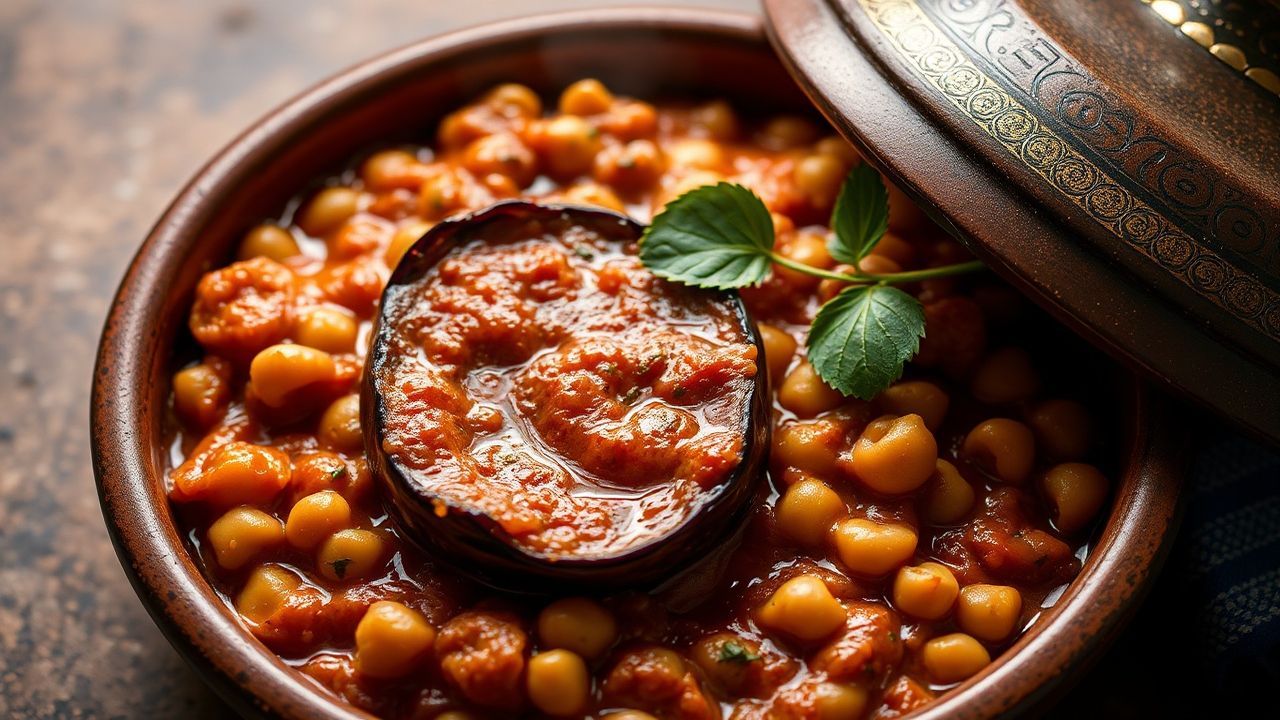
Have you ever found yourself captivated by a dish that transcends mere sustenance, a culinary creation that whispers tales of ancient spice routes and sun-drenched landscapes? The Moroccan Aubergine and Chickpea Tagine is precisely such a dish. It’s more than just a meal; it’s an experience, a symphony of textures and aromas that can transport you directly to the heart of Marrakech, even from your own kitchen. But what is it about this seemingly humble combination of aubergine and chickpeas, simmered in an earthenware pot, that earns it such a revered place in global cuisine? This article explores the very essence of flavor, technique, and the profound cultural heritage embedded within this recipe.
- The Allure of the Aubergine and Chickpea Tagine: A Journey Beyond the Ordinary
- Unveiling the Aubergine: The Star of the Show
- The Supporting Cast: Chickpeas and Aromatics
- The Spice Symphony: Crafting Authentic Moroccan Flavors
- The Slow Simmer: Patience as the Ultimate Ingredient
- Beyond the Basics: Enhancing Your Aubergine and Chickpea Tagine
- A Culinary Tradition: The Tagine Pot and Its Significance
- Step-by-Step: Crafting Your Aubergine and Chickpea Tagine
- Serving Traditions and Accompaniments
- Frequently Asked Questions
- Final Recommendations: Embracing the Aubergine Tagine Experience
The true magic of a Moroccan tagine lies not just in its ingredients, but in the slow, patient alchemy that transforms them into a profound expression of culinary heritage.
This rich, aromatic stew, often served communally, embodies the spirit of Moroccan hospitality and culinary artistry. Its foundation is built upon the earthy, absorbent nature of aubergine, which readily soaks up the complex spice blend, and the hearty, protein-rich chickpeas, providing a satisfying counterpoint. The careful layering of aromatics – onions, garlic, ginger – and the judicious use of spices like cumin, coriander, turmeric, and cinnamon, create a depth of flavor that is both comforting and exhilarating. Often, a touch of sweetness from dried fruits like apricots or raisins, and a final flourish of fresh cilantro or parsley, complete this masterpiece. This article will unpack the essential elements of crafting an exceptional Aubergine and Chickpea Tagine, moving beyond basic recipes to explore the expert techniques and cultural context that make it truly remarkable.
Unveiling the Aubergine: The Star of the Show
Aubergine, also known as eggplant, is a vegetable of remarkable versatility and an indispensable component of this beloved tagine. Its unique spongy texture allows it to absorb flavors with an almost unparalleled appetite, becoming a canvas upon which the rich, complex spices of the tagine can paint their masterpiece. The science behind this is quite fascinating; the spongy interior is essentially a network of air pockets that readily welcome marinades, broths, and sauces. When cooked slowly, as is typical in a tagine, the aubergine softens to a tender, almost creamy consistency, providing a luxurious mouthfeel that contrasts beautifully with the firmer chickpeas.
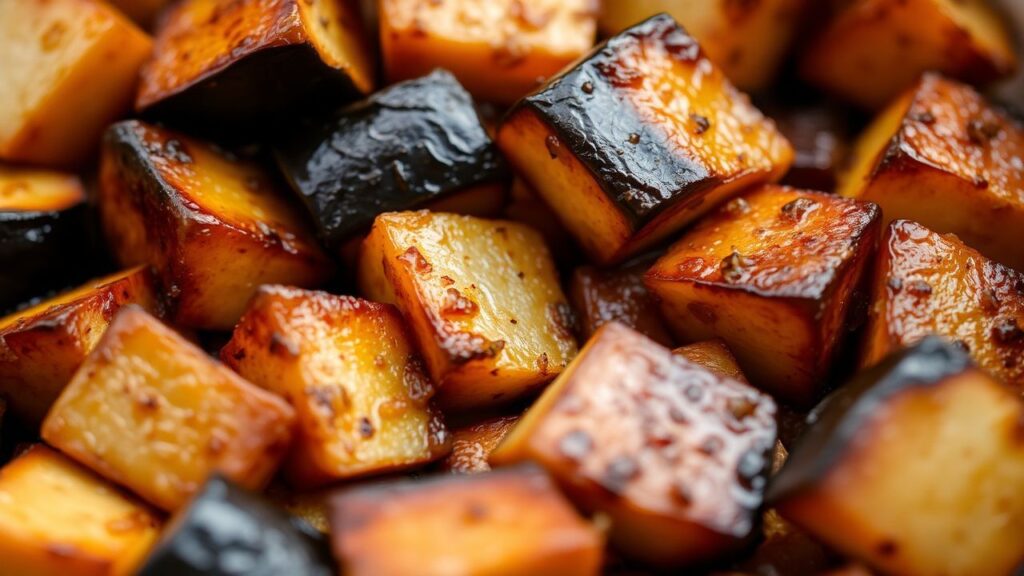
The selection and preparation of the aubergine are critical first steps. For an authentic tagine, globe aubergines are typically preferred, their size and dense flesh lending themselves well to slow cooking. Before cooking, many chefs recommend salting the aubergine. This process, known as “purging,” draws out excess moisture and any slight bitterness the aubergine might possess. Slices or cubes of aubergine are layered with salt and left to sit for about 30 minutes, after which they are rinsed thoroughly and patted dry. This step significantly improves the texture, preventing the aubergine from becoming waterlogged and ensuring it can fully embrace the vibrant flavors of the tagine. The slight caramelization achieved by browning the aubergine cubes before adding them to the stew also adds another layer of complexity and depth.
The Supporting Cast: Chickpeas and Aromatics
While the aubergine rightfully takes center stage, the supporting cast is equally crucial to the tagine’s success. Chickpeas, or garbanzo beans, provide the essential protein and a satisfying, hearty texture that anchors the dish. Using dried chickpeas, soaked and cooked until tender, offers superior flavor and texture compared to canned varieties, though the latter can be a convenient shortcut. The earthy, nutty flavor of the chickpeas complements the sweet and savory notes of the tagine beautifully.
The aromatic foundation is where the true magic begins to unfold. A generous amount of finely chopped onions, softened slowly in olive oil, forms the base. Garlic, minced or grated, adds its pungent warmth, while freshly grated ginger introduces a zesty, slightly spicy counterpoint that awakens the palate. These aromatics are not merely added; they are coaxed into releasing their full potential, sautéed until translucent and fragrant, creating a fragrant bed upon which the other ingredients will meld. This patient sautéing is a hallmark of authentic Moroccan cooking, ensuring that the flavors are deep and integrated from the very first moment.
The Spice Symphony: Crafting Authentic Moroccan Flavors
The soul of any Moroccan tagine lies in its intricate spice blend. This is where culinary expertise truly shines, as the balance and combination of spices create the dish’s signature aroma and taste. For an Aubergine and Chickpea Tagine, a typical blend might include:
- Cumin: The warm, earthy, slightly smoky backbone of many North African dishes.
- Coriander: Offers a citrusy, slightly floral note that brightens the overall flavor profile.
- Turmeric: Imparts a vibrant golden hue and a subtle, peppery, almost musky flavor.
- Cinnamon: A touch of sweet warmth that rounds out the savory elements, preventing the spices from becoming too sharp.
- Paprika: For color and a mild, sweet pepperiness. Smoked paprika can add an additional layer of complexity.
- Ginger: Freshly grated ginger adds a vital zesty kick.
- Cayenne Pepper (optional): For a touch of heat to awaken the palate.
The quality of the spices is paramount. Freshly ground spices, whenever possible, will yield a far more vibrant and nuanced flavor than pre-ground varieties. The technique involves blooming these spices in the hot oil with the aromatics, allowing their essential oils to release and infuse the base mixture. This process, often referred to as “toasting” the spices, unlocks their full aromatic potential and prevents them from tasting raw or dusty.
The Slow Simmer: Patience as the Ultimate Ingredient
The defining characteristic of a tagine, whether cooked in a traditional earthenware pot or a modern Dutch oven, is the slow, gentle simmering process. This method allows the flavors to meld and deepen over time, transforming simple ingredients into something extraordinary. The low, sustained heat ensures that the aubergine becomes meltingly tender, the chickpeas absorb the rich sauce, and the spices fully integrate, creating a cohesive and deeply satisfying dish.
The cooking liquid for an Aubergine and Chickpea Tagine typically includes vegetable broth or water, often enriched with crushed tomatoes for body and acidity, and sometimes a touch of tomato paste for concentrated flavor. The liquid should be just enough to partially submerge the ingredients, allowing them to steam and braise in their own juices and the infused broth. The lid of the tagine pot matter significantly in this process; its conical shape is designed to trap steam, which then condenses and drips back down onto the ingredients, keeping them moist and tender throughout the lengthy cooking time. This creates a self-basting effect that is fundamental to the tagine’s unique texture and flavor development.
A traditional Moroccan tagine can simmer for anywhere from 45 minutes to over two hours, depending on the heat source and the desired tenderness of the ingredients. The key is to maintain a gentle, consistent simmer, avoiding a vigorous boil which can break down the ingredients too quickly and muddy the flavors.
Beyond the Basics: Enhancing Your Aubergine and Chickpea Tagine
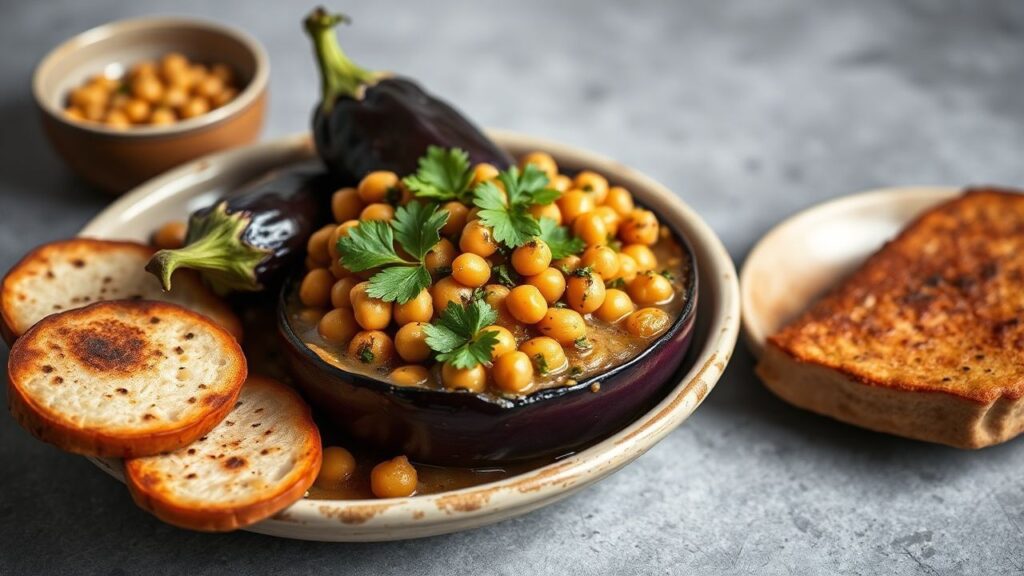
While a well-executed basic Aubergine and Chickpea Tagine is immensely satisfying, there are several enhancements that can elevate it to truly exceptional levels. These often involve incorporating additional textures, complementary flavors, and thoughtful garnishes.
One popular addition is the inclusion of preserved lemons. These intensely flavored, brined lemons, a staple in Moroccan cuisine, add a unique salty, tangy, and slightly floral note that cuts through the richness of the tagine. The rind, finely chopped, is particularly prized for its complex flavor. Another common enhancement is the addition of dried fruits, such as apricots, prunes, or raisins. These provide a delightful sweetness and a chewy texture that balances the savory spices and earthy vegetables. When added in the latter stages of cooking, they plump up and release their natural sugars, creating pockets of sweetness within the stew.
For added richness and a subtle nutty flavor, a tablespoon or two of tahini can be stirred into the sauce towards the end of cooking. Toasted almonds or pine nuts, sprinkled over the finished dish, provide a satisfying crunch and a lovely visual appeal.
The final flourish is crucial. A generous scattering of fresh cilantro and/or parsley, chopped finely, adds a burst of freshness that brightens the entire dish. A drizzle of high-quality olive oil before serving can also enhance the aroma and mouthfeel.
A Culinary Tradition: The Tagine Pot and Its Significance
The tagine pot itself is more than just cookware; it’s an icon of Moroccan culinary heritage. Traditionally made from earthenware, with a distinctive conical lid, it is designed for slow, moist cooking over low heat, often charcoal braziers in traditional settings. The conical lid is ingeniously designed to allow steam to rise, condense on the cool lid, and then drip back down onto the ingredients, creating a self-basting environment that tenderizes and infuses the food with flavor.
While modern kitchens may not always feature a charcoal brazier, the principles of tagine cooking can be replicated using a heavy-bottomed pot with a tight-fitting lid, such as a Dutch oven or a cast-iron pot. The key remains the same: low, slow heat and a moist cooking environment. The earthenware tagine, however, offers a unique aesthetic and a connection to centuries of culinary tradition. Its presence on the table often signifies a communal meal, a gathering of family and friends to share in the rich flavors and aromas. The act of serving directly from the tagine pot enhances the dining experience, creating a focal point for conversation and shared enjoyment.
Step-by-Step: Crafting Your Aubergine and Chickpea Tagine
Embarking on the creation of your own Aubergine and Chickpea Tagine is a rewarding culinary endeavor. Here’s a guide to help you achieve authentic, delicious results:
1. Prepare the Aubergine: Cut 2 large aubergines into 1-inch cubes. Place them in a colander, sprinkle generously with salt, and let them sit for at least 30 minutes to draw out moisture and bitterness. Rinse thoroughly and pat dry with paper towels. 2. Sauté the Aromatics: In a large, heavy-bottomed pot or Dutch oven, heat 3 tablespoons of olive oil over medium heat. Add 2 large onions, finely chopped, and sauté until softened and translucent, about 8-10 minutes. Add 4 cloves of minced garlic and 1 tablespoon of grated fresh ginger, and cook for another minute until fragrant. 3. Bloom the Spices: Stir in 2 teaspoons of ground cumin, 1 teaspoon of ground coriander, 1 teaspoon of turmeric, ½ teaspoon of cinnamon, and ½ teaspoon of paprika. Cook, stirring constantly, for 1-2 minutes until fragrant. Be careful not to burn the spices. 4.
Brown the Aubergine: Add the prepared aubergine cubes to the pot and stir to coat them with the spice mixture. Cook for about 5-7 minutes, stirring occasionally, until the aubergine begins to soften and lightly brown. 5. Add the Chickpeas and Liquids: Stir in one 15-ounce can of chickpeas, drained and rinsed (or 1.5 cups of cooked dried chickpeas). Pour in 1.5 cups of vegetable broth and one 14.5-ounce can of diced tomatoes, undrained. Add salt and freshly ground black pepper to taste. If using, stir in ½ teaspoon of cayenne pepper. 6. Simmer Gently: Bring the mixture to a gentle simmer, then reduce the heat to low, cover the pot tightly, and cook for at least 45 minutes to 1 hour, or until the aubergine is very tender and the flavors have melded. Stir occasionally to prevent sticking. 7.
Add Enhancements (Optional): In the last 15-20 minutes of cooking, stir in ¼ cup of chopped dried apricots or raisins, if desired. For a brighter flavor, add the rind of ½ preserved lemon, finely chopped. 8. Rest and Garnish: Let the tagine rest, covered, for about 10 minutes off the heat before serving. Garnish generously with freshly chopped cilantro and/or parsley. Serve hot, traditionally with couscous or crusty bread.
Serving Traditions and Accompaniments
The Aubergine and Chickpea Tagine is a versatile dish that pairs beautifully with a variety of accompaniments, each highlighting different aspects of its complex flavor profile. The most traditional pairing is couscous, the fluffy, steamed semolina grain that acts as a perfect vehicle for soaking up the rich, flavorful sauce. The neutral taste of couscous allows the spices of the tagine to truly shine.
Crusty bread, such as a rustic baguette or a Moroccan khobz, is another excellent choice. The bread can be used to scoop up the stew, ensuring no drop of the delicious sauce goes to waste. For a lighter option, serving the tagine with a fresh, vibrant Moroccan salad – perhaps a simple tomato and cucumber salad dressed with lemon juice and olive oil – can provide a refreshing contrast.
Some variations might include a side of harissa, the fiery chili paste, for those who desire an extra kick of heat. A dollop of plain yogurt or labneh can also offer a cooling counterpoint to the spices. The beauty of the tagine lies in its adaptability, allowing it to be enjoyed in numerous ways, each celebrating its unique blend of textures and flavors.
Frequently Asked Questions
For an authentic Aubergine and Chickpea Tagine, globe aubergines are generally preferred due to their dense flesh and large size, which hold up well to slow cooking. However, smaller varieties like Italian or Japanese aubergines can also be used, though you might need to adjust the cooking time. The key is selecting firm, glossy aubergines without soft spots.
Salting aubergine, a process known as “purging,” helps to draw out excess moisture and any potential bitterness. This step results in a firmer texture, prevents the aubergine from becoming waterlogged and mushy during cooking, and allows it to absorb the flavors of the tagine more effectively. After salting, it’s important to rinse the aubergine thoroughly and pat it dry.
Yes, absolutely. In fact, many chefs believe that Aubergine and Chickpea Tagine often tastes even better the next day, as the flavors have more time to meld and deepen. Allow it to cool completely, then store it in an airtight container in the refrigerator for up to 3-4 days. Reheat gently on the stovetop or in the oven.
If you don’t have an earthenware tagine pot, a heavy-bottomed pot with a tight-fitting lid, such as a Dutch oven or a cast-iron pot, will work perfectly. The essential element is to maintain a slow, moist simmer, so ensure your pot can seal well to trap steam.
To enhance the flavor, consider adding ingredients like preserved lemon (rind finely chopped), dried apricots or prunes for sweetness, a tablespoon of tahini for richness, or a pinch of saffron for a more complex aroma and color. Toasting your spices before adding them to the pot also significantly boosts their flavor profile.
Final Recommendations: Embracing the Aubergine Tagine Experience
The Aubergine and Chickpea Tagine is more than just a recipe; it’s an invitation to explore a rich culinary heritage. By understanding the role of each ingredient, the importance of the spice blend, and the magic of slow cooking, you can unlock the true potential of this dish. Don’t be afraid to experiment with the spice ratios to find your personal preference, and embrace the optional additions that can elevate your tagine to new heights. Whether you’re a seasoned cook or just beginning your culinary journey, the Aubergine and Chickpea Tagine offers a delicious and accessible path to experiencing the vibrant flavors of Morocco.
See also: Aubergine