
Introducing your little ones to the vibrant world of flavors can be both an exciting and delicate journey. When it comes to snacks that nourish growing bodies while delighting tiny taste buds, hummus stands out as a creamy, protein-packed superstar. But for toddlers, seasoning needs a gentle touch-especially when it comes to salt. Enter the realm of low-sodium hummus: a wholesome, mild, and irresistibly tasty treat designed just for your child’s budding palate. In this article, we’ll explore how to create simple, gentle hummus recipes that balance nutrition and flavor, making snack time both safe and scrumptious for your toddler.
Low-sodium hummus for toddlers offers a gentle and wholesome introduction to Middle Eastern flavors, crafted with natural ingredients that nurture developing taste buds while prioritizing health and safety. Its creamy texture and mild, earthy notes make it a perfect first dip or spread for little hands and curious palates. This simple yet nourishing recipe celebrates the magic of chickpeas, tahini, and a whisper of garlic-balanced delicately to delight your toddler’s senses without overwhelming them.
Prep and Cook Time
Prep Time: 10 minutes
Cook Time: None (using canned chickpeas)
Total Time: 10 minutes
Yield
Approximately 1 cup (serves 4 toddlers)
Difficulty Level
Easy
Ingredients
- 1 cup cooked chickpeas (preferably low-sodium or no added salt, rinsed and drained)
- 2 tablespoons tahini (natural, unsweetened)
- 1 tablespoon extra virgin olive oil
- 1 tablespoon freshly squeezed lemon juice
- 1 small garlic clove (optional, minced finely for toddler tolerance)
- 2-3 tablespoons water (adjust for creamy consistency)
- A pinch of ground cumin (optional, mild and aromatic)
- Fresh parsley (for garnish, finely chopped)
Instructions
- Prepare the chickpeas: If using canned chickpeas, rinse thoroughly under cold water to reduce sodium content. Drain well.
- Combine ingredients: In a food processor or blender, add the cooked chickpeas, tahini, olive oil, lemon juice, and garlic (if using). Pulse until the mixture begins to blend smoothly.
- Add water gradually: While blending, add 2 tablespoons of water slowly to achieve a creamy, spreadable texture appropriate for toddlers. Add more water if needed, a teaspoon at a time, to avoid a runny consistency.
- Season gently: Sprinkle in a pinch of ground cumin for subtle warmth and aroma. Blend again briefly just to combine-not overpower the subtle flavors.
- Check texture and taste: For toddlers new to hummus, ensure the texture is smooth without any lumps that could cause choking. Adjust lemon juice or olive oil slightly to balance mildness and creaminess.
- Transfer and chill: Spoon the hummus into a small bowl, cover with plastic wrap, and let it chill in the refrigerator for 30 minutes to allow flavors to meld gently.
Tips for Success
- Skip the garlic for initial introductions if your toddler has a sensitive stomach, adding it gradually as they get accustomed.
- Use homemade chickpeas boiled without salt to maximize freshness and control sodium.
- Swap tahini with a sunflower seed butter for nut-free variation while keeping richness.
- Prepare ahead: This hummus keeps well for up to 3 days refrigerated-perfect for quick snacks or lunchbox additions.
- Mash with a fork instead of using a processor for a chunkier texture toddlers can explore with fingers.
Serving Suggestions
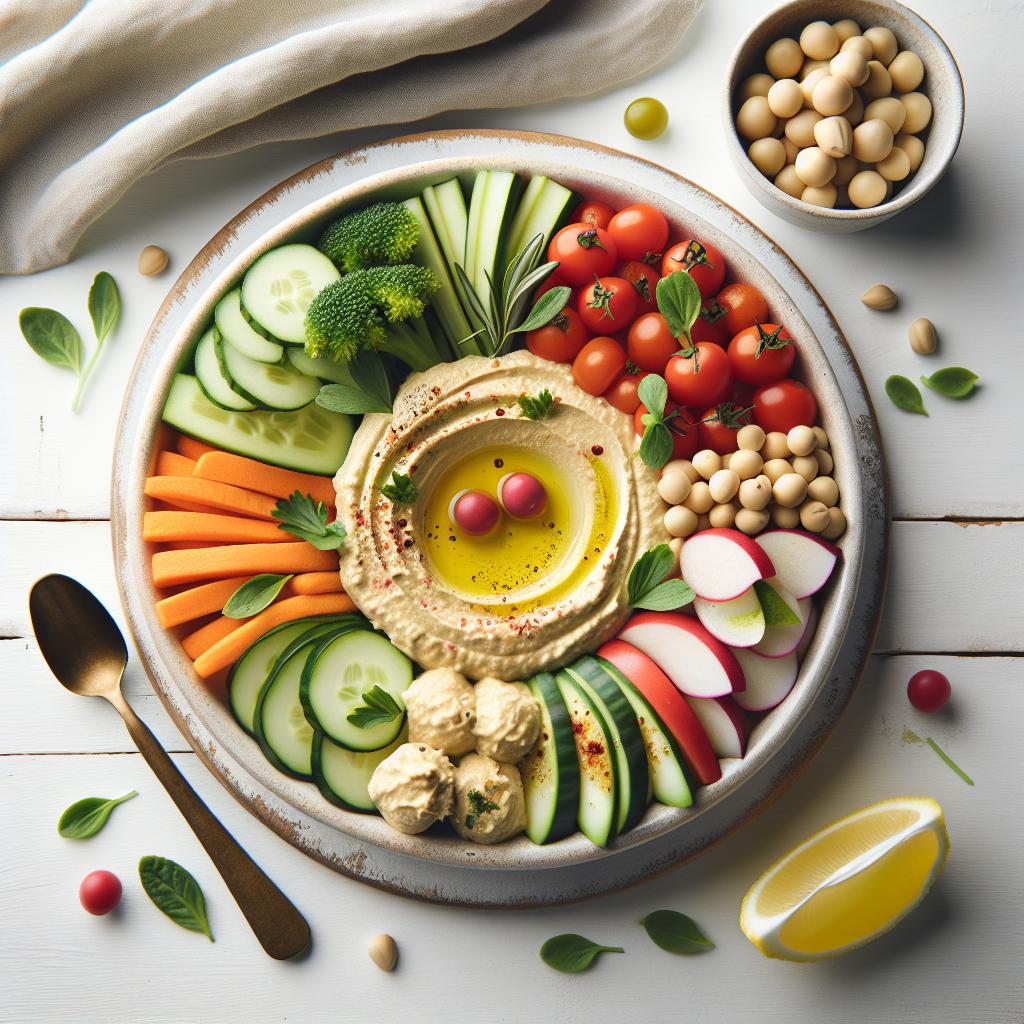
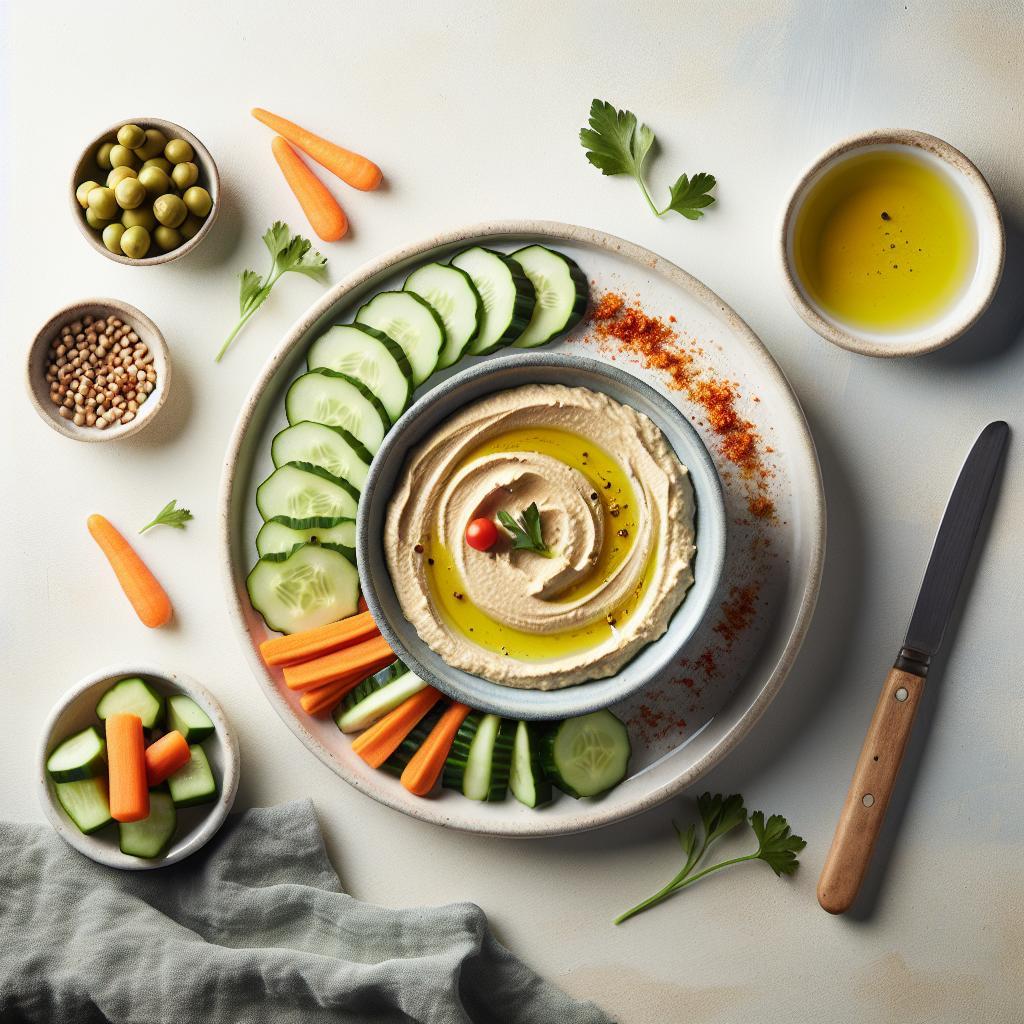
Present this creamy low-sodium hummus as a dip alongside soft, steamed vegetable sticks like carrots or zucchini. Its gentle texture also pairs wonderfully as a spread on small pieces of whole wheat pita bread or crisp rice cakes cut to toddler-friendly sizes. Garnish with a sprinkle of finely chopped fresh parsley for a splash of color and a touch of freshness that enlivens each bite.
| Nutrient | Amount per serving |
|---|---|
| Calories | 70 kcal |
| Protein | 3 g |
| Carbohydrates | 8 g |
| Fat | 4 g |

For those eager to explore further, visit British Nutrition Foundation for expert insights on toddler nutrition and balanced introduction of new foods. Additionally, you might enjoy our related article on Simple Vegetable Purees for Toddlers to complement your wholesome homemade hummus experience.
Q&A
Q&A: Gentle & Tasty – Low-Sodium Hummus for Toddlers Made Simple
Q1: Why is low-sodium hummus a good choice for toddlers?
A1: Toddlers’ developing kidneys can’t handle too much salt, and early high sodium intake might set taste preferences towards salty foods. Low-sodium hummus offers a mild, gentle flavor that’s safe and still tasty, making it perfect for little palates while introducing wholesome nutrients.
Q2: What makes hummus a nutritious option for young children?
A2: Hummus is a wholesome blend of chickpeas, tahini, lemon juice, and olive oil – a powerhouse of protein, fiber, healthy fats, vitamins, and minerals. It supports healthy growth, digestion, and brain development, all wrapped up in a creamy, kid-friendly dip.
Q3: How can parents prepare low-sodium hummus at home easily?
A3: Just grab a can of no-salt-added chickpeas or cook dried chickpeas with no salt, then blend with tahini, fresh lemon juice, garlic (optional), a touch of olive oil, and a sprinkle of cumin or mild spices. Adjust water to get a soft, smooth texture perfect for toddlers learning to munch.
Q4: Can toddlers enjoy hummus on its own or with other foods?
A4: Absolutely! Toddlers can scoop hummus with soft veggie sticks, pita bread, or even spread it thinly on toast. It serves as a gentle introduction to new flavors and textures, encouraging them to explore more healthy foods.
Q5: Are there any allergen considerations when making hummus for toddlers?
A5: Yes. Tahini is made from sesame seeds, a common allergen, so test for tolerance carefully. Also, avoid adding salt or spicy ingredients. Always observe for any reactions when introducing new foods, and consult a pediatrician if uncertain.
Q6: How can parents make hummus more toddler-friendly without sacrificing flavor?
A6: Use natural ingredients like mild herbs (e.g., parsley), a hint of sweetness from cooked carrots or sweet potatoes, or a dash of mild spices such as cinnamon or turmeric. These subtle additions keep it flavorful yet perfectly gentle for tiny taste buds.
Q7: What are the benefits of making hummus at home versus buying pre-made hummus?
A7: Homemade hummus lets you control salt levels, avoid additives and preservatives, and tailor flavors to your child’s preferences. Plus, it’s fresher and often more cost-effective-a win-win for health-conscious families.
Q8: Can hummus be suitable for toddlers with sensory sensitivities?
A8: Yes! Hummus’s creamy, smooth texture is often soothing and easier to manage than chunkier foods. It provides a fantastic way to introduce new tastes gradually without overwhelming sensitive eaters.
Q9: How long can homemade low-sodium hummus be stored safely?
A9: When stored in an airtight container in the fridge, homemade low-sodium hummus typically stays fresh for up to 3-4 days. Always check for changes in smell or texture before serving to toddlers.
Q10: What’s one simple tip for encouraging toddlers to enjoy hummus?
A10: Make it fun! Use colorful veggie sticks to dip or create smiley faces with hummus smeared on plates. Positive mealtime experiences help toddlers associate healthy foods, like low-sodium hummus, with joy and comfort.
In Retrospect
As mealtime adventures continue, introducing gentle and tasty flavors like low-sodium hummus can transform snack time into a nourishing experience for your little one. This simple, wholesome recipe not only respects your toddler’s developing palate but also lays the foundation for healthy eating habits that last a lifetime. With just a few natural ingredients and a dash of creativity, you’re empowering your child to explore new tastes safely and joyfully-one creamy, nutritious bite at a time. So, go ahead, blend up this toddler-friendly hummus, and watch those tiny taste buds flourish!