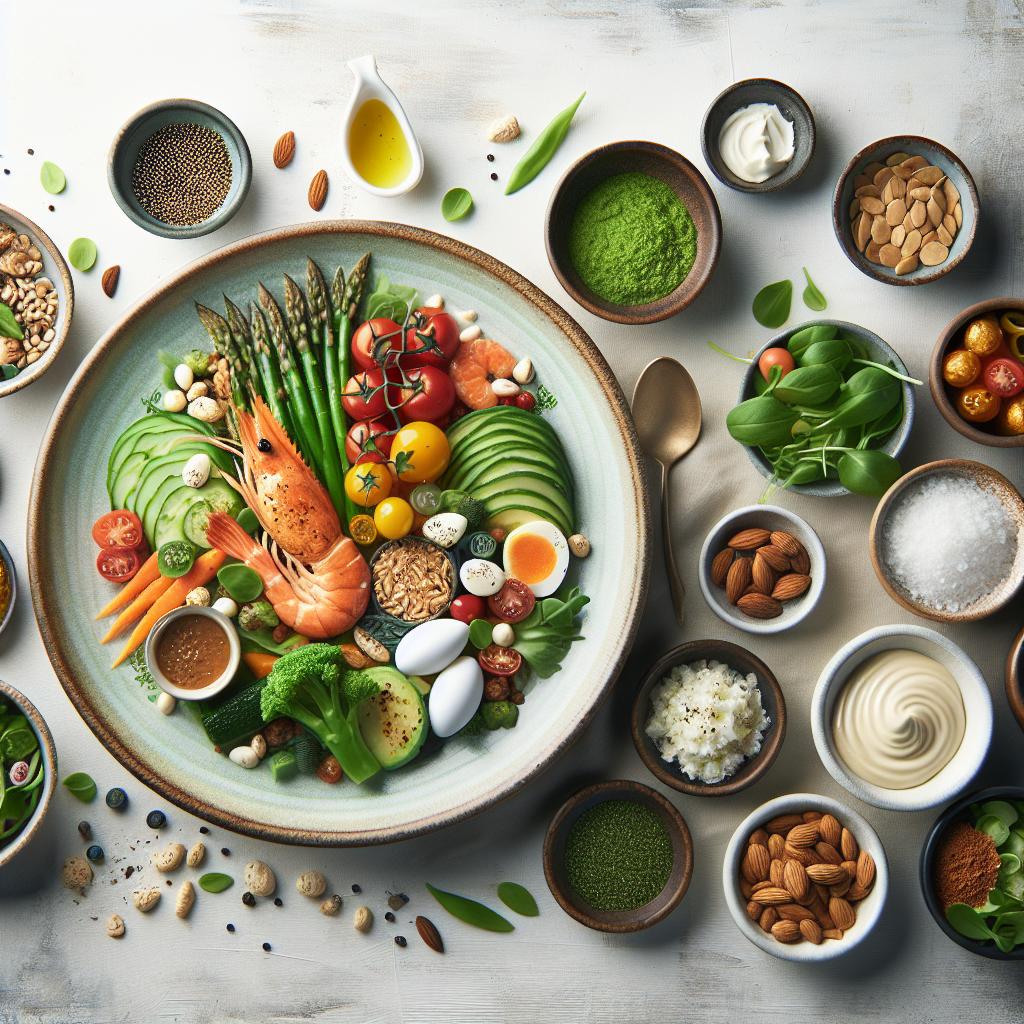
In a world where culinary creativity knows no bounds, the kitchen is often the heart of the home-a place to nourish, share, and celebrate. Yet, for those with nut allergies, this vibrant space can sometimes feel like a minefield of hidden dangers. Nut Allergy Safe Cooking: Tips for a Worry-Free Kitchen offers more than just recipes; it’s a guide to transforming your cooking space into a sanctuary where safety meets flavor. Whether you’re a seasoned chef or a home cook, mastering nut-free techniques ensures that every meal is a joyful experience-free from worry and full of delicious possibilities. Dive in, and discover how mindful preparation and smart choices can turn your kitchen into a haven for everyone at your table.
Nut Allergy Safe Cooking: Tips for a Worry-Free Kitchen
Navigating the culinary world while ensuring safety for those with nut allergies requires thoughtful preparation, awareness, and creativity. Nut allergy safe cooking not only protects loved ones from harmful reactions but also opens up a realm of delicious possibilities that everyone can enjoy confidently. This post delves into prudent ingredient choices, smart kitchen habits, and inspiring recipe ideas designed to keep your kitchen fully nut-safe and worry-free.
Prep and Cook Time
Prep Time: 20 minutes | Cook Time: 30 minutes
Yield
Serves 4-6 people
Difficulty Level
Easy to Medium – Ideal for home cooks seeking allergy-conscious meal options
Ingredients
- 2 cups rolled oats (certified gluten-free, ensure nut-safe)
- 1 cup sunflower seed butter (smooth, natural)
- 1/2 cup honey or maple syrup
- 1 teaspoon vanilla extract
- 1/4 teaspoon salt
- 1 cup dried cranberries (unsweetened)
- 1/2 cup pumpkin seeds (pepitas)
- 1/2 cup puffed quinoa (optional for texture)
Instructions
- Prepare the pan: Line an 8×8 inch square baking pan with parchment paper, leaving an overhang for easy removal later.
- Combine wet ingredients: In a medium saucepan over low heat, gently warm the sunflower seed butter and honey (or maple syrup). Stir until smooth and well incorporated, about 3-4 minutes. Remove from heat and stir in the vanilla extract and salt.
- Mix dry ingredients: In a large bowl, combine rolled oats, dried cranberries, pumpkin seeds, and puffed quinoa if using. Pour the warm wet mixture over dry ingredients and mix thoroughly until every bit is coated.
- Press firmly: Transfer the mixture to the lined baking pan. Use a spatula or clean hands to firmly press the mixture down to ensure compact bars that hold together well after baking.
- Chill and set: Place in the refrigerator for at least 2 hours or until set completely.
- Slice and serve: Lift the mixture out using the parchment paper overhang. Cut into bars or squares with a sharp knife. Store in an airtight container in the fridge for up to one week.
Chef’s Notes
- Substitute sunflower seed butter with soy nut butter or pea butter for different flavors and textures, ensuring all are nut allergy safe.
- To enhance chewiness, add 1/4 cup unsweetened shredded coconut (check for cross-contamination warnings).
- For a chocolate twist, mix in 1/4 cup allergy-safe mini chocolate chips (dairy-free if required).
- If you lack a refrigerator space, pressing into a pan and baking at 325°F (160°C) for 15 minutes is an alternative method, but watch carefully to prevent over-browning.
- Always verify ingredient labels for “may contain nuts” warnings to avoid hidden contamination.
Serving Suggestions
These nut-free bars shine as a wholesome breakfast companion or mid-afternoon snack. Serving ideas include:
- A side with fresh fruit slices like apples or pears to add natural sweetness and texture.
- Drizzle with allergy-safe yogurt or a dollop of coconut cream for creamy contrast.
- Wrap individually in wax paper for grab-and-go nut allergy-safe treats, perfect for school lunches or outdoor adventures.
- Pair with a warm cup of herbal tea or freshly brewed coffee for a comforting break.
Best Practices for Preventing Cross-Contamination at Home
Maintaining a nut allergy safe cooking space necessitates rigorous cleaning and food handling protocols:
- Use separate cutting boards and utensils designated solely for nut-free meals.
- Clean all surfaces thoroughly with hot, soapy water before and after food preparation.
- Store nuts and nut-containing products in sealed containers away from nut-free ingredients.
- Educate all household members on allergy risks and the importance of preventing cross-contact.
- Label pantry and refrigerator shelves clearly to distinguish nut-free items.
| Nutrient | Amount (per bar) |
|---|---|
| Calories | 180 kcal |
| Protein | 5 g |
| Carbohydrates | 28 g |
| Fat | 7 g |
For further expertise and detailed guidance, visit the Food Allergy Research & Education website, a trusted resource in allergy-safe food preparation.
Explore more allergy-conscious cooking ideas on our Allergy-Friendly Kitchen Tips page for inspiration to keep every meal safe and delicious.

Q&A
Q&A: Nut Allergy Safe Cooking – Tips for a Worry-Free Kitchen
Q1: What’s the first step to creating a nut allergy safe kitchen?
A: The foundation of a nut-safe kitchen is awareness. Begin by educating everyone in your home or workspace about the severity of nut allergies. Label all ingredients clearly and designate specific storage areas or containers for nut-free items. This prevents accidental cross-contamination and sets a culture of caution and care.
Q2: How can cross-contamination be avoided during cooking?
A: Cross-contamination is the stealthiest threat in a nut allergy safe kitchen. Always clean surfaces, utensils, and hands thoroughly before preparing nut-free meals. Use separate cutting boards, knives, and mixing bowls when possible. Even trace amounts can trigger an allergic reaction, so vigilance is key.
Q3: Are there safe substitutes for nuts in recipes?
A: Absolutely! Seeds like sunflower, pumpkin, or chia can often replace nuts in recipes, offering similar crunch and nutrition without the allergy risk. Coconut, although technically a fruit, should be used with caution as some nut-allergic individuals may react to it. Always check labels and test substitutes in small amounts first.
Q4: What should be done when dining or cooking with others who do not share the allergy?
A: Communication is your best ally. Let guests or co-cooks know about the allergy and your strict kitchen rules. Encourage handwashing and utensil hygiene before entering the kitchen. When sharing dining spaces, keep nut-containing foods separate and clearly marked. Creating a safe environment is a team effort.
Q5: How can bakers ensure their sweet treats are nut allergy friendly?
A: Baking without nuts is totally doable and delicious! Choose nut-free flours such as all-purpose or oat flour, and incorporate fruits, seeds, or safe spices for added texture and flavor. Always double-check that baking powders, chocolates, and extracts are free from nuts or cross-contamination warnings.
Q6: What’s a quick tip for preventing accidental nut exposure during grocery shopping?
A: Read labels like a detective! Look for phrases like “may contain traces of nuts” or “produced in a facility that processes nuts.” Opt for certified nut-free brands whenever possible. If in doubt, don’t buy it. Your vigilant shopping habits are your first line of defense.
Q7: Is it important to have emergency measures in a nut allergy safe kitchen?
A: Without question. Keep emergency contact numbers readily accessible. If someone with a nut allergy is regularly in your kitchen, having an epinephrine auto-injector (EpiPen) and knowing how to use it can save a life. Educate all kitchen users on signs of allergic reactions and immediate actions to take.
Q8: Can shared equipment like blenders or toasters be safely used in a nut allergy kitchen?
A: Shared appliances can be risky. Nuts can cling to blades or surfaces even after cleaning. If you must share, deep-clean thoroughly between uses-disassemble parts if possible and wash with soap and hot water. Ideally, reserve certain appliances exclusively for nut-free cooking.
Q9: How do you handle accidental nut exposure when it happens?
A: Stay calm and act swiftly. Remove the source of exposure immediately. Watch for symptoms such as hives, swelling, difficulty breathing, or stomach pain. Administer prescribed allergy medication promptly and call emergency services if symptoms escalate. Having an action plan beforehand makes all the difference.
Q10: What mindset helps maintain a nut allergy safe kitchen?
A: Think of your kitchen as a sanctuary of safety and inclusivity. Every precaution you take is an act of kindness toward those with allergies. Embrace creativity in cooking and adapt recipes with confidence. With thoughtful habits and heart, your kitchen will be a worry-free zone where everyone can enjoy food without fear.
Ready to transform your kitchen into a nut-safe haven? Keep these questions and answers handy to navigate the journey confidently, ensuring delicious meals and peace of mind for all.
To Wrap It Up
Navigating the world of nut allergy safe cooking doesn’t have to feel like tiptoeing through a minefield. With a pinch of awareness, a dash of careful planning, and the right tools at your fingertips, creating delicious, worry-free meals is entirely within reach. By embracing these proactive tips, you’re not just crafting safe dishes-you’re cultivating a kitchen where everyone can gather, share, and savor without hesitation. So tie on that apron with confidence, and let your nut allergy safe culinary adventures begin!