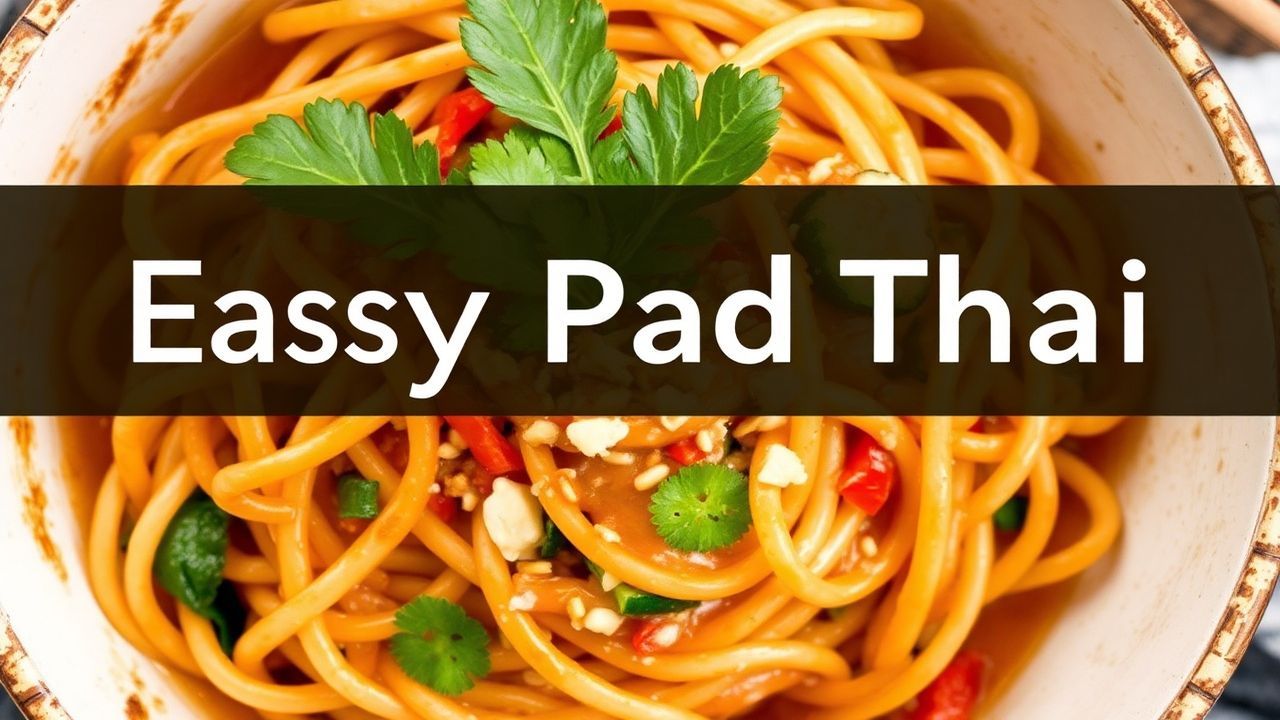

Pad Thai, that iconic symphony of sweet, sour, salty, and savory, has captured palates worldwide. Traditionally a beloved street food hailing from Thailand, its complex yet harmonious flavors are universally appealing. However, for those navigating dietary restrictions, particularly veganism and gluten intolerance, recreating this culinary classic can feel daunting. The typical preparation often involves fish sauce and shrimp, ingredients that immediately exclude a significant portion of diners, and traditional noodles can contain gluten. This guide demystifies the process, offering a robust approach to crafting an entirely vegan, gluten-free Pad Thai that doesn’t compromise on authentic taste or texture. We’ll cover ingredient selection, sauce balancing, and essential techniques to ensure your homemade Pad Thai is a truly memorable experience.
- The Foundation: Crafting the Perfect Gluten-Free Noodles
- The Soul of Pad Thai: Building the Umami-Rich Vegan Sauce
- Key Components of a Vegan Pad Thai Sauce
- The Perfect Vegan Pad Thai Sauce Recipe (approx. 2-3 servings)
- Assembling Your Vegan Pad Thai: The Stir-Fry Symphony
- Key Insights & Takeaways
- Exploring Variations and Enhancements
- The Role of Authenticity vs. Adaptation
- Nutritional Considerations and Benefits
- Frequently Asked Questions
- H3: Can I make Pad Thai without tamarind paste?
- H3: How can I make my Pad Thai noodles less sticky?
- H3: What are the best gluten-free soy sauce alternatives for Pad Thai?
- H3: Is it possible to make Pad Thai spicy without using chili sauce?
- H3: How can I ensure my tofu is crispy for vegan Pad Thai?
- Final Recommendations
The true magic of Pad Thai lies in its ability to balance contrasting flavors and textures. Achieving this balance with plant-based and gluten-free ingredients is not just possible, it’s an opportunity for culinary innovation.
The Foundation: Crafting the Perfect Gluten-Free Noodles
The noodle is the heart of any Pad Thai, and for a gluten-free version, the choice is paramount. The most common and authentic choice for gluten-free Pad Thai is rice noodles. These are naturally gluten-free and readily available in most supermarkets. However, not all rice noodles are created equal, and their preparation is a critical step.
Selecting the Right Rice Noodles
For Pad Thai, you’ll want to look for flat, dried rice stick noodles, often labeled as “Pad Thai noodles” or “Chantaboon noodles.” These typically range from 3mm to 5mm in width. Thicker noodles can sometimes be too chewy or break easily when stir-fried, while very thin ones can become mushy. Aim for a medium width for optimal texture.
The Art of Noodle Hydration
Overcooked or undercooked noodles can ruin the dish. The key is to achieve a tender yet firm texture that holds its shape during the stir-fry. Most dried rice noodles require soaking in hot water, not boiling, before they are added to the wok.
- Soaking Technique: Place the dried noodles in a large bowl. Pour boiling water over them, ensuring they are fully submerged. Let them soak for a specific duration, typically between 10 to 20 minutes, depending on the brand and thickness. The noodles should be pliable and slightly yielding but still have a firm core. They will continue to cook in the wok.
- Testing for Doneness: Drain a strand and taste it. It should be al dente – tender enough to eat but with a slight bite. If they are too hard, soak for a few more minutes. If they are too soft and mushy, they are overhydrated and will break apart.
The Soul of Pad Thai: Building the Umami-Rich Vegan Sauce
The sauce is where the true flavor magic of Pad Thai happens. Replicating the complex umami notes traditionally derived from fish sauce and shrimp paste requires a thoughtful blend of plant-based alternatives. This is where the “easy” aspect truly shines, as a well-balanced sauce can elevate even the simplest ingredients.
Key Components of a Vegan Pad Thai Sauce
The goal is to achieve a harmonious blend of sweet, sour, salty, and a hint of spice.
- Sweetness: Tamarind paste is indispensable for its unique sour-sweet depth. It provides a fruity tartness that is crucial to authentic Pad Thai. For sweetness, maple syrup or agave nectar are excellent vegan substitutes for palm sugar.
- Saltiness/Umami: Soy sauce (ensure it’s gluten-free, like tamari) is the primary salty component. To boost umami, consider mushroom powder or a good quality vegan fish sauce (readily available online and in specialty stores). A touch of sriracha or chili garlic sauce can add a gentle heat.
- Acidity: While tamarind provides much of the sourness, a splash of lime juice at the end brightens all the flavors.
The Perfect Vegan Pad Thai Sauce Recipe (approx. 2-3 servings)
- 3 tablespoons gluten-free tamari or soy sauce
- 2 tablespoons tamarind paste (from concentrate, diluted if very thick)
- 1-2 tablespoons maple syrup or agave nectar (adjust to taste)
- 1 tablespoon rice vinegar
- 1 teaspoon sriracha or chili garlic sauce (optional, adjust to heat preference)
- 1/2 teaspoon mushroom powder (optional, for extra umami)
Instructions: Whisk all ingredients together in a small bowl until well combined. Taste and adjust seasonings. You’re looking for a robust flavor profile that’s slightly more intense than you think it needs to be, as the flavors will mellow when combined with the noodles and other ingredients.
Assembling Your Vegan Pad Thai: The Stir-Fry Symphony
The stir-fry is a dynamic, fast-paced cooking process that brings all the elements together. It requires preparation and organization, often referred to as “mise en place” in professional kitchens. Having everything chopped, measured, and ready to go before you start cooking is essential for success.
Essential Stir-Fry Ingredients
Beyond the noodles and sauce, a classic Pad Thai includes a medley of vegetables and protein.
- Protein: Firm or extra-firm tofu is an excellent vegan protein. Pressing it to remove excess water is crucial for achieving a crispy texture. You can also use tempeh or even pre-cooked vegan shrimp alternatives.
- Vegetables:
- Garlic and Shallots: The aromatic base.
- Bean Sprouts: Add a delightful crunch and freshness.
- Scallions (Green Onions): For a mild oniony flavor and color.
- Carrots: Julienne for sweetness and color.
- Optional additions: Chinese broccoli (gai lan), bell peppers, or snap peas can add further complexity and nutrients.
- Garnishes: These are not optional; they are integral to the Pad Thai experience.
- Crushed Roasted Peanuts: For texture and nutty flavor.
- Fresh Lime Wedges: Essential for that final burst of acidity.
- Fresh Cilantro: For a bright, herbaceous note.
- Chili Flakes: For those who desire extra heat.
The Stir-Fry Process
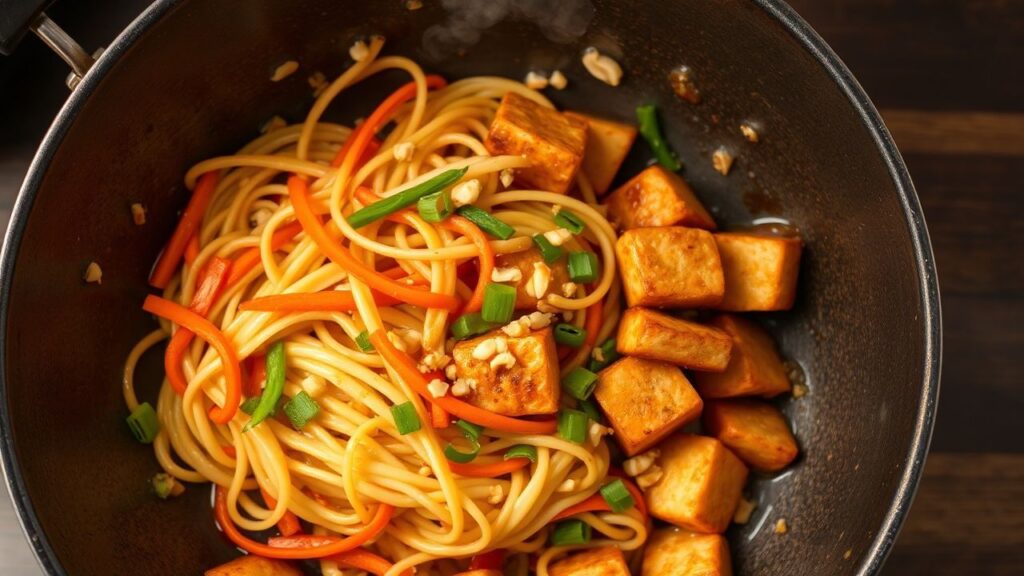
1. Prepare the Tofu: Press firm tofu by wrapping it in paper towels and placing a heavy object on top for at least 30 minutes. Then, cut into small cubes or thin rectangles. You can pan-fry or bake the tofu until golden brown and slightly crispy before adding it to the stir-fry. 2. Heat the Wok/Pan: Use a large wok or a wide, non-stick skillet over high heat. Add a tablespoon or two of a high smoke-point oil like peanut oil, canola oil, or avocado oil. 3. Aromatics: Add minced garlic and thinly sliced shallots. Stir-fry for about 30 seconds until fragrant, being careful not to burn them. 4. Add Protein and Vegetables: Add the prepared tofu and any firmer vegetables (like carrots or bell peppers). Stir-fry for a minute or two. 5. Introduce the Noodles: Add the soaked and drained rice noodles to the wok.
Pour the prepared Pad Thai sauce over the noodles. 6. Toss and Combine: Using tongs or spatulas, gently toss the noodles with the sauce, ensuring they are evenly coated. This step requires quick, continuous movement to prevent sticking and ensure even cooking. 7. Add Bean Sprouts and Scallions: Once the noodles have absorbed most of the sauce and are tender, add the bean sprouts and chopped scallions. Stir-fry for another 30-60 seconds until the sprouts are slightly wilted but still retain their crunch. 8. Serve Immediately: Pad Thai is best served piping hot.
Key Insights & Takeaways
The art of crafting exceptional vegan, gluten-free Pad Thai is less about strict adherence to a single recipe and more about understanding the fundamental flavor profiles and textures and then skillfully substituting and balancing.
- Noodle Mastery: Proper soaking of rice noodles is non-negotiable for achieving the correct al dente texture.
- Sauce Alchemy: A complex vegan sauce relies on the synergistic blend of tamarind, tamari, sweetener, and optional umami boosters.
- Mise en Place is Crucial: High-heat stir-frying demands that all ingredients are prepped and ready for immediate addition.
- Garnishes Elevate: Don’t skip the peanuts, lime, and cilantro; they complete the Pad Thai experience.
Exploring Variations and Enhancements
While the core recipe remains consistent, there’s ample room for personalization and innovation. Experimenting with different vegetables and protein sources can lead to exciting new versions of this beloved dish.
Vegetable Diversity
The beauty of stir-fries is their adaptability. Consider incorporating:
- Broccolini or Chinese Broccoli: Adds a pleasant bitterness that complements the sweet and sour sauce. Blanching these briefly before adding to the stir-fry can ensure they are tender.
- Bell Peppers: Red, yellow, or orange bell peppers offer sweetness and vibrant color.
- Edamame: Shelled edamame can add a delightful pop of green and extra protein.
Protein Power-Ups
Beyond tofu, explore other vegan protein options:
- Tempeh: Offers a firmer texture and a slightly nutty, fermented flavor. Cube and pan-fry it until golden.
- Seitan: For a chewier, more “meaty” texture, seitan can be a good option, though ensure it’s labeled gluten-free if you have celiac disease, as some seitan is made with wheat gluten.
- King Oyster Mushrooms: Sliced thinly and pan-seared, they can mimic the texture of scallops.
The Role of Authenticity vs. Adaptation
It’s a perennial question in adapting traditional dishes: how much can you change before it’s no longer the original? For vegan and gluten-free Pad Thai, the answer lies in respecting the spirit of the dish. The characteristic balance of sweet, sour, salty, and savory, along with the textural interplay of noodles, crisp vegetables, and crunchy toppings, are the cornerstones.
Research indicates that the widespread adaptation of Pad Thai globally has led to numerous regional variations. A 2018 study published in the *Journal of Culinary Anthropology* noted how dishes like Pad Thai evolve as they travel, incorporating local ingredients and preferences, thereby creating a dynamic culinary landscape. This suggests that while maintaining the core flavor profile is important for recognition, adaptation is a natural and often positive part of a dish’s life cycle. The vegan, gluten-free version is not a dilution, but rather an expansion of its reach, allowing more people to enjoy its complex deliciousness.
Nutritional Considerations and Benefits
Vegan and gluten-free diets can be incredibly healthy, and a well-prepared Pad Thai can be a nutritional powerhouse. Rice noodles, being derived from rice, are a good source of carbohydrates for energy. Tofu is a complete protein source, rich in essential amino acids. The abundance of vegetables like bean sprouts, carrots, and scallions provides vital vitamins, minerals, and fiber.
A study by the Harvard T.H. Chan School of Public Health highlighted the health benefits of plant-based diets, linking them to a reduced risk of heart disease, type 2 diabetes, and certain cancers. By opting for a vegan Pad Thai, individuals can harness these benefits. Furthermore, for those with celiac disease or gluten sensitivity, eliminating gluten from their diet is medically essential. A gluten-free Pad Thai offers a safe and flavorful way to enjoy a traditionally wheat-containing dish.
Making it Healthier: Tips and Tricks
- Control the Oil: Stir-frying can be done with minimal oil. Ensure your pan is well-seasoned or non-stick.
- Boost Vegetables: Don’t be shy with the vegetables. The more, the merrier, both for flavor and nutrition.
- Moderate Sodium: While tamari is lower in sodium than traditional soy sauce, it’s still a source. Taste your sauce before adding extra salt.
- Healthy Fats: The peanuts provide healthy fats, but moderation is key.
Frequently Asked Questions
H3: Can I make Pad Thai without tamarind paste?
While tamarind paste is crucial for the authentic tangy flavor of Pad Thai, you can create a passable substitute if it’s unavailable. Whisk together rice vinegar and a touch of lime juice, then add a small amount of unsweetened apple sauce or a few drops of pomegranate molasses to mimic the fruity depth. However, the unique complexity of tamarind is hard to replicate perfectly, so seeking it out is highly recommended for the best results.
H3: How can I make my Pad Thai noodles less sticky?
Noodles can become sticky if they are overcooked, if there isn’t enough sauce, or if they are left to sit too long after cooking. Ensure you’ve hydrated the noodles correctly (al dente is key). When stir-frying, use a generous amount of sauce and keep the noodles moving constantly in the hot wok. Adding a little extra oil to the wok before adding the noodles can also help prevent sticking. Rinsing the noodles briefly in cold water after soaking and then thoroughly draining and patting them dry can also minimize sticking.
H3: What are the best gluten-free soy sauce alternatives for Pad Thai?
The best gluten-free alternative for soy sauce in Pad Thai is tamari. Tamari is traditionally made with more soybeans and less wheat, resulting in a rich, umami flavor that closely resembles soy sauce. Ensure the label explicitly states “gluten-free.” Coconut aminos are another popular option, offering a slightly sweeter and less salty profile, which can be adjusted in the sauce recipe. However, for the most authentic savory depth, tamari is usually preferred.
H3: Is it possible to make Pad Thai spicy without using chili sauce?
Absolutely. You can introduce heat through fresh chilies or dried chili flakes. Finely mince fresh Thai bird’s eye chilies or red chilies and sauté them with the garlic and shallots at the beginning of the stir-fry. Alternatively, sprinkle dried chili flakes over the dish during the final stages of cooking or as a garnish. Adjust the quantity based on your desired level of spiciness.
H3: How can I ensure my tofu is crispy for vegan Pad Thai?
The key to crispy tofu is removing as much moisture as possible. Press the tofu thoroughly for at least 30 minutes, or even longer. Then, cut it into desired shapes (cubes or thin rectangles). For an extra crispy texture, you can toss the pressed and cut tofu in a tablespoon of cornstarch or arrowroot powder before pan-frying or baking it until golden brown and firm. Pan-frying in a moderately hot pan with a good quality oil until all sides are golden and crisp is generally preferred for stir-fries.
Final Recommendations
Embarking on the journey of creating your own Easy Vegan Pad Thai (Gluten-free) is a rewarding culinary adventure. It’s proof of how dietary needs can inspire creativity without sacrificing the soul of a beloved dish. Remember that practice makes perfect. Don’t be discouraged if your first attempt isn’t flawless. Each time you prepare it, you’ll gain a deeper understanding of the ingredient interactions and flavor balances. The most important takeaway is that delicious, authentic-tasting Pad Thai is accessible to everyone, regardless of dietary restrictions. So, gather your ingredients, embrace the process, and savor the vibrant, complex flavors of your homemade masterpiece.
See also: Pad Thai