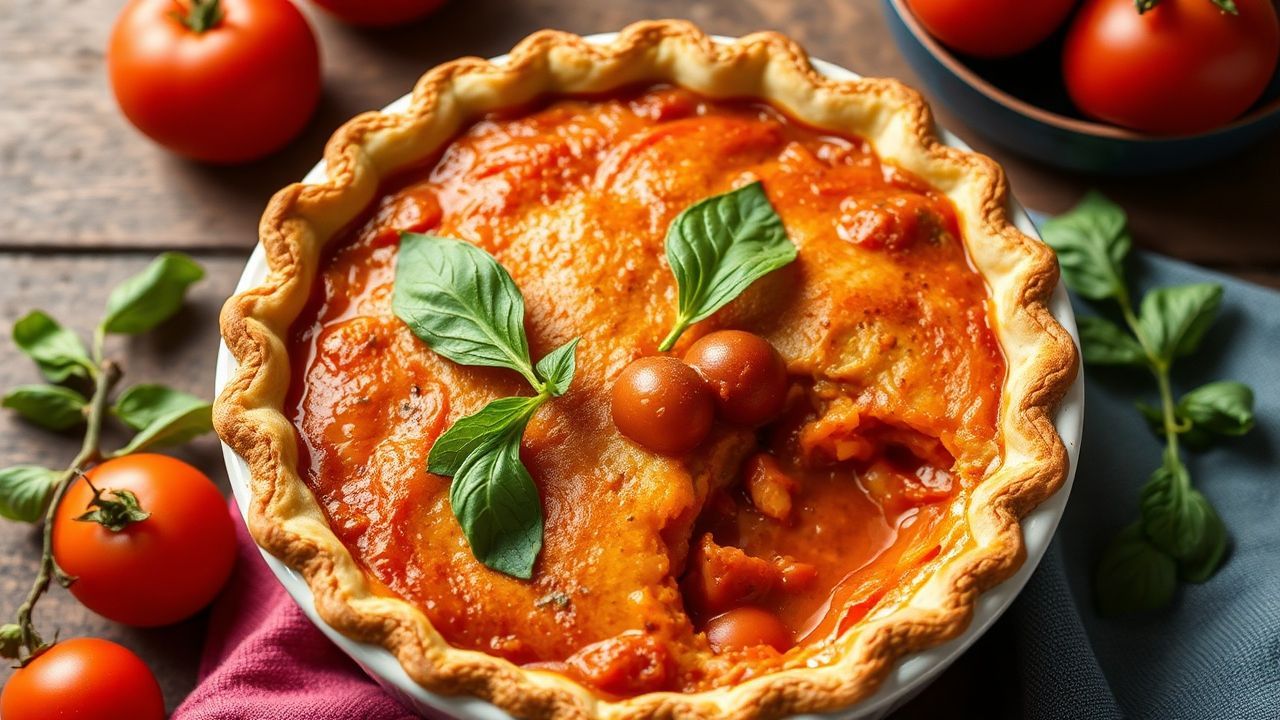

Tomato Pie is far more than a simple appetizer; it’s a culinary canvas, proof of the humble tomato’s versatility, and a dish that, when executed with intention, transcends mere sustenance to become an event. While many may relegate it to a mere side dish, its true potential lies in its ability to anchor a meal, spark conversation, and evoke a sense of nostalgic comfort. The misconception that it’s just “tomato and cheese on bread” vastly underestimates the nuanced alchemy that transforms these components into something profoundly satisfying.
- The Soul of the South: Unearthing the Roots of Tomato Pie
- Deconstructing the Masterpiece: The Core Components of an Exemplary Tomato Pie
- The Crust: A Foundation of Flavor and Texture
- The Tomatoes: The Star of the Show
- The Binder: Creaminess and Cohesion
- Mastering the Method: Expert Techniques for an Unforgettable Tomato Pie
- Beyond the Classic: Exploring Tomato Pie Variations
- Spicy Kick: Jalapeño and Pepper Jack
- Herbal Infusion: Pesto and Fresh Herbs
- Mediterranean Twist: Feta and Olives
- Bacon and Onion: A Savory Indulgence
- The Nutritional Landscape of Tomato Pie: A Balanced Perspective
- Serving and Enjoying: The Ritual of Tomato Pie
- Frequently Asked Questions
- What is the ideal type of tomato for Southern Tomato Pie?
- How can I prevent my Tomato Pie from being watery?
- What is the role of mayonnaise in Southern Tomato Pie?
- Can I make Tomato Pie ahead of time?
- What are some good variations on classic Tomato Pie?
- Final Recommendations for Achieving Tomato Pie Excellence
The true Southern Tomato Pie is a celebration of peak-season produce, proof of simplicity elevated by technique and thoughtful ingredient selection.
This exploration explore the multifaceted world of Southern Tomato Pie, moving beyond superficial recipes to uncover the foundational principles that make it an enduring classic and a genuinely remarkable dish. We will examine its historical roots, dissect the critical components of its construction, and offer expert insights into achieving that perfect balance of flavor, texture, and aroma that defines an exceptional Tomato Pie. Furthermore, we will explore variations and provide practical advice for home cooks seeking to master this beloved Southern staple.
The Soul of the South: Unearthing the Roots of Tomato Pie
The origins of Tomato Pie are, like many beloved regional dishes, somewhat shrouded in the mists of culinary history, but its lineage is undeniably Southern. Its emergence is closely tied to the agricultural bounty of the region, particularly the prolific tomato harvests that have long been a hallmark of Southern summers. Before the advent of widespread refrigeration and globalized produce markets, preserving the ephemeral sweetness of a ripe, sun-warmed tomato was paramount. Baking them into pies, often as a way to utilize a surplus and create a hearty, satisfying meal, became a natural extension of this need.
Early iterations were likely simpler, perhaps a basic crust filled with sliced tomatoes, a binder, and seasonings. However, as culinary traditions evolved, so too did the Tomato Pie. The introduction of mayonnaise as a creamy, emulsifying binder was a pivotal moment, providing a richness and cohesion that transformed the dish. Cheese, a natural partner to tomatoes, also became an integral part, adding a savory depth and a delightful bubbly crust. This evolution reflects a broader trend in Southern cooking: taking simple, readily available ingredients and elevating them through skillful preparation and the embrace of comforting, rich flavors. The dish found its place not just on family tables but also at church potlucks, community gatherings, and festive celebrations, solidifying its status as a cultural touchstone.
The Tomato Pie is proof of the ingenuity of Southern cooks who knew how to coax extraordinary flavor from ordinary ingredients. Its enduring appeal lies in its comforting familiarity, a taste of home that resonates deeply.
Deconstructing the Masterpiece: The Core Components of an Exemplary Tomato Pie
At its heart, a truly magnificent Tomato Pie is a symphony of carefully selected and prepared components. While recipes may vary, certain foundational elements are non-negotiable for achieving that signature Southern flavor and texture. Understanding these elements is the first step toward mastering the dish.
The Crust: A Foundation of Flavor and Texture
The crust of a Tomato Pie is not merely a vessel; it’s an active participant in the flavor profile and textural experience. A flabby, uninspired crust can detract significantly from the filling. Traditionally, a flaky, buttery pastry crust is favored. This provides a delightful contrast to the soft, yielding tomatoes and the creamy binder.
- Buttery Pastry: A well-made all-butter or lard-and-butter crust offers superior flavor and a delicate flakiness. The key is to keep the fat cold during preparation, creating steam pockets that separate the layers as it bakes.
- Pre-baking (Blind Baking): This is arguably one of the most crucial steps for preventing a soggy bottom. Blind baking the crust partially or fully before adding the filling ensures it is cooked through and develops a crisp texture that can stand up to the moisture of the tomatoes. A common method involves lining the unbaked crust with parchment paper and filling it with pie weights, dried beans, or rice.
- Cornmeal Crust: Some regional variations incorporate cornmeal into the crust, adding a subtle grit and a distinct Southern character. This can be achieved by substituting a portion of the flour with fine or medium-grind cornmeal.
The Tomatoes: The Star of the Show
The quality of your tomatoes directly dictates the success of your Tomato Pie. This is where the saying “garbage in, garbage out” holds particularly true.
- Peak Season is Key: For the most vibrant flavor, use ripe, in-season tomatoes. Heirloom varieties often offer the best taste and texture, with their complex sweetness and lower water content.
- Proper Preparation: Slicing the tomatoes evenly is essential for consistent cooking. Crucially, many recipes call for salting the sliced tomatoes and letting them drain for a period. This process draws out excess moisture, concentrating the tomato flavor and preventing the pie from becoming watery. Research published in the *Journal of Food Science* highlights how salting vegetables can reduce their water content significantly, thereby intensifying their inherent flavors.
- Variety Matters: While any ripe tomato can be used, some cooks prefer a mix of varieties for a more complex flavor profile. Beefsteak tomatoes offer a meaty texture, while Roma tomatoes are known for their concentrated sweetness.
The Binder: Creaminess and Cohesion
The binder is what holds the pie together, imparting richness and a luxurious mouthfeel.
- Mayonnaise: The quintessential Southern binder, good quality mayonnaise provides a creamy, tangy base that emulsifies beautifully. Look for a full-fat, good-quality mayonnaise rather than a light version, as the fat content is crucial for texture and flavor.
- Eggs: Eggs act as a crucial emulsifier, binding the mayonnaise and other ingredients, and contributing to the pie’s structure.
- Cheese: A generous amount of shredded cheese adds a savory, umami dimension and a delightful golden-brown topping. Sharp cheddar, Gruyère, or a blend of cheeses are popular choices.
Mastering the Method: Expert Techniques for an Unforgettable Tomato Pie
Beyond the ingredients, the execution of the recipe is paramount. These techniques, honed through years of experience, elevate a good Tomato Pie to an exceptional one.
The Art of Draining Tomatoes
This step cannot be overstated. It is the single most effective way to prevent a watery pie. After slicing your ripe tomatoes, arrange them in a single layer on paper towels or a clean kitchen towel. Sprinkle generously with salt. Let them sit for at least 30 minutes, and up to an hour, allowing the salt to draw out the excess liquid. You will see a pool of liquid form; this is good! Gently pat the tomatoes dry with more paper towels before proceeding.
Layering for Perfection
The order in which you layer your ingredients can influence the final texture and flavor distribution.
1. Crust: Ensure your blind-baked crust is cooled.
2. Cheese Layer (Optional but Recommended): A thin layer of shredded cheese at the bottom of the crust can create a barrier, further preventing sogginess and adding an extra cheesy dimension.
3. Tomatoes: Arrange the drained and patted-dry tomato slices evenly over the cheese layer.
4. Binder Mixture: Whisk together mayonnaise, eggs, seasonings (salt, pepper, a pinch of sugar to balance acidity, perhaps a dash of hot sauce or Worcestershire sauce), and any herbs (like fresh basil or chives). Pour this mixture evenly over the tomatoes, ensuring it seeps down into the crevices.
5. Topping: Finish with a generous layer of shredded cheese.
Baking to Golden Perfection
The baking process requires careful attention to temperature and time.
- Temperature: A moderately high oven temperature (around 375-400°F or 190-200°C) is typically used to ensure the crust browns properly and the filling sets.
- Time: Bake until the filling is set and the cheese topping is golden brown and bubbly, usually 30-45 minutes. If the crust edges start to brown too quickly, you can tent them with foil.
- Resting: This is perhaps the most challenging part for eager eaters, but it’s essential. Allow the Tomato Pie to rest for at least 15-20 minutes after removing it from the oven. This allows the filling to firm up, making it easier to slice and serve cleanly.
Beyond the Classic: Exploring Tomato Pie Variations
While the classic Southern Tomato Pie is a beloved standard, culinary creativity has led to numerous delicious variations that offer new taste experiences.
Spicy Kick: Jalapeño and Pepper Jack
For those who enjoy a bit of heat, incorporating finely diced jalapeños into the tomato layer or using pepper jack cheese can add a welcome spicy kick. A dash of cayenne pepper in the binder mixture also works wonders.
Herbal Infusion: Pesto and Fresh Herbs
Swirling a tablespoon or two of basil pesto into the mayonnaise binder, or generously scattering fresh chopped basil, parsley, or chives throughout the pie, can introduce bright, aromatic notes that beautifully complement the tomatoes.
Mediterranean Twist: Feta and Olives
A departure from the classic, a Mediterranean-inspired Tomato Pie can be made with crumbled feta cheese, Kalamata olives, and a sprinkle of dried oregano. This variation offers a tangier, saltier profile.
Bacon and Onion: A Savory Indulgence
Adding crispy crumbled bacon and thinly sliced sautéed onions to the tomato layer creates an incredibly savory and rich pie. This is a decadent option that is sure to please.
The Nutritional Landscape of Tomato Pie: A Balanced Perspective
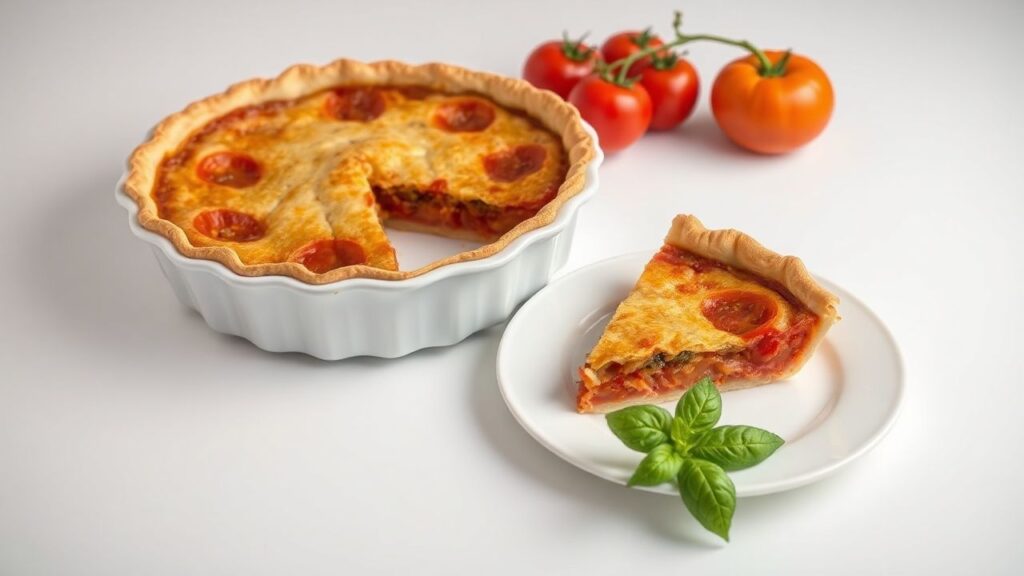
While undoubtedly delicious, it’s important to approach the nutritional aspects of Tomato Pie with a balanced perspective. It is, by its nature, a rich and indulgent dish.
Tomatoes themselves are a nutritional powerhouse, packed with vitamins A and C, potassium, and lycopene, a potent antioxidant. Research published by the *National Institutes of Health (NIH)* indicates that lycopene may be associated with a reduced risk of certain chronic diseases. However, the preparation of Tomato Pie often involves significant amounts of mayonnaise and cheese, which contribute to its calorie, fat, and sodium content.
A single serving of traditional Southern Tomato Pie can be quite calorie-dense, with a typical slice containing upwards of 400-500 calories and a substantial portion of saturated fat.
For those mindful of their intake, healthier adaptations are possible without sacrificing flavor entirely. Using a lower-fat mayonnaise or Greek yogurt as a partial binder, reducing the amount of cheese, or opting for a whole-wheat crust can help mitigate some of the less desirable nutritional aspects. However, it’s crucial to acknowledge that the richness is part of its appeal, and moderation is key.
Serving and Enjoying: The Ritual of Tomato Pie
The way Tomato Pie is served can enhance the overall dining experience. It’s a dish that benefits from a moment of anticipation.
- Temperature: While delicious warm, many find that Tomato Pie is equally, if not more, enjoyable at room temperature. This allows the flavors to meld and the texture to become more pronounced. Serving it directly from the oven can result in a looser filling.
- Accompaniments: Tomato Pie shines as a star but also complements other dishes beautifully. It’s a fantastic accompaniment to grilled meats, poultry, or fish. A simple green salad with a light vinaigrette provides a refreshing contrast to its richness.
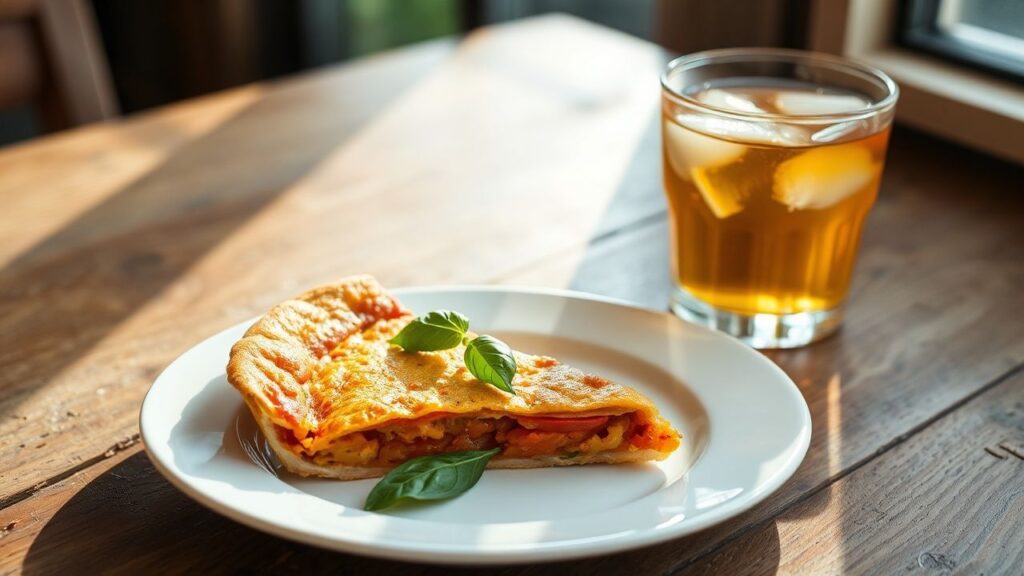
- Presentation: A simple slice on a plain white plate, perhaps garnished with a fresh basil leaf or a sprinkle of black pepper, is often all that’s needed. The golden crust and vibrant tomato filling are visually appealing on their own.
Frequently Asked Questions
What is the ideal type of tomato for Southern Tomato Pie?
For the most authentic and flavorful Southern Tomato Pie, ripe, in-season tomatoes are paramount. Heirloom varieties, such as Brandywine, Cherokee Purple, or Beefsteak, are often preferred for their rich flavor and meaty texture. They also tend to have a lower water content compared to some other varieties, which helps prevent a soggy pie. Roma tomatoes can also be used, especially if you are seeking a more concentrated sweetness.
How can I prevent my Tomato Pie from being watery?
The most critical step to prevent a watery Tomato Pie is to properly drain the sliced tomatoes. After slicing, arrange them in a single layer on paper towels or a clean kitchen towel and sprinkle them generously with salt. Let them sit for at least 30 minutes to an hour to draw out excess moisture. Gently pat them dry before using them in the pie. Blind-baking the crust is also essential for ensuring a firm, crisp base.
What is the role of mayonnaise in Southern Tomato Pie?
Mayonnaise is a cornerstone ingredient in traditional Southern Tomato Pie, serving as a rich, creamy binder. It emulsifies with the eggs and other ingredients, creating a cohesive filling that holds together beautifully. Its tangy flavor also complements the sweetness of the tomatoes, and its fat content contributes to the luxurious texture. Good quality, full-fat mayonnaise is recommended for the best results.
Can I make Tomato Pie ahead of time?
Yes, Tomato Pie can often be made ahead of time, which can even improve its flavor as the ingredients meld. It can be baked and then cooled completely, refrigerated, and then gently reheated before serving, or served at room temperature. If making ahead, it’s best to assemble and bake it on the day you plan to serve it, or at most, the day before, to ensure optimal freshness and texture. Avoid making the filling and storing it separately from the crust for extended periods.
What are some good variations on classic Tomato Pie?
Beyond the classic, many delicious variations exist. You can add a spicy kick by incorporating finely diced jalapeños or using pepper jack cheese. For a fresher, more aromatic pie, consider adding fresh herbs like basil, parsley, or chives, or swirling in some basil pesto. A Mediterranean twist can be achieved with feta cheese, Kalamata olives, and oregano. For a truly decadent option, adding crispy bacon and sautéed onions to the filling is highly recommended.
Final Recommendations for Achieving Tomato Pie Excellence
The journey to an exceptional Southern Tomato Pie is one of respect for ingredients and a keen eye for technique. Don’t shy away from the traditional methods that have stood the test of time. Prioritize quality produce, especially during tomato season, and never underestimate the power of proper draining and blind-baking. Experiment with herbs and cheeses to find your perfect flavor profile, but always remember that the humble tomato, when treated with care, is the undisputed star. Embrace the process, be patient with resting times, and you will be rewarded with a dish that is not just a meal, but a memorable culinary experience.
See also: Tomato Pie