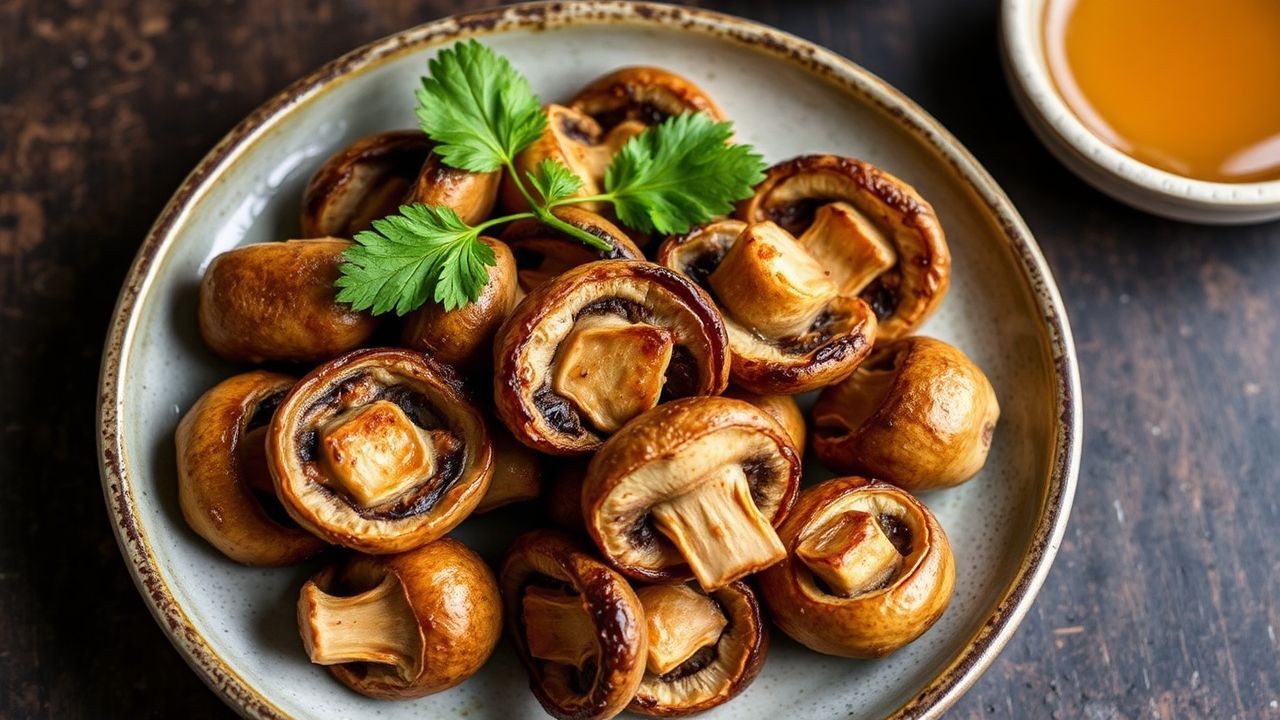

Mushrooms, often relegated to a simple side dish, hold a profound capacity to transform ordinary meals into culinary revelations. Yet, many home cooks approach them with trepidation, fearing a mushy texture or a bland outcome. This article unveils a remarkably straightforward method to unlock their inherent deliciousness, transforming them into a star attraction.
- The Humble Mushroom: An Untapped Culinary Powerhouse
- Why Oven Roasting is the Superior Method for Mushrooms
- The Science Behind the Savory: Umami and Caramelization
- The Essential Ingredients for Flavor Elevation
- Step-by-Step: Mastering the Oven-Roasted Mushroom Technique
- The Core Recipe: Oven-Roasted Mushrooms with Soy Sauce & Honey
- Beyond the Basics: Variations and Enhancements
- Spicy Kick: A Dash of Heat
- Herbal Infusion: Fresh Aromatics
- Citrus Brightness: A Zesty Finish
- Umami Boost: Beyond Soy Sauce
- Expert Tips for Unlocking Mushroom Perfection
- Serving Suggestions: Where These Flavorful Mushrooms Shine
- Nutritional Spotlight: More Than Just Flavor
- Frequently Asked Questions
- What are the best types of mushrooms to roast?
- Can I prepare the mushrooms ahead of time?
- My mushrooms came out soggy. What did I do wrong?
- How can I make these mushrooms spicier?
- Can I use a different sweetener instead of honey?
- Final Recommendations for Culinary Excellence
The Humble Mushroom: An Untapped Culinary Powerhouse
Mushrooms, a diverse group of fungi, have been a part of the human diet for millennia, prized not only for their unique textures and earthy flavors but also for their nutritional contributions. From the delicate shiitake to the robust portobello, each variety offers a distinct culinary profile. However, achieving that perfect, slightly crisp, deeply savory bite can seem elusive. Many common preparations, like pan-frying at too low a heat or overcrowding the pan, can lead to a steamy, rubbery disappointment, a far cry from the intensely flavored morsels we crave. This recipe, however, sidesteps those pitfalls with elegant simplicity, leveraging the dry, concentrated heat of the oven and a judicious blend of umami-rich soy sauce and balancing honey.
The magic of oven-roasted mushrooms lies in coaxing out their natural moisture, concentrating their flavors, and achieving a delightful textural contrast—crisp edges yielding to a tender, meaty interior.
Why Oven Roasting is the Superior Method for Mushrooms
While pan-searing offers speed and a certain rustic charm, oven roasting provides a more consistent and less hands-on approach for achieving optimal mushroom texture. The key lies in the dry heat. When mushrooms are placed in a hot oven, their inherent water content begins to evaporate. This process concentrates their natural glutamates, the compounds responsible for their savory, umami flavor. Unlike pan-frying, where steam can get trapped, leading to that undesirable soggy texture, the oven allows for efficient moisture release. Furthermore, oven roasting is inherently more forgiving. You can load a baking sheet with a generous amount of mushrooms without fear of overcrowding, as the air circulates freely around each piece. This allows for even browning and caramelization.
The Science Behind the Savory: Umami and Caramelization
Mushrooms are naturally rich in guanylate, a compound that synergizes with glutamate (found in ingredients like soy sauce and tomatoes) to create an intense umami experience. This is the fifth basic taste, often described as savory, brothy, or meaty. When mushrooms are roasted at high temperatures, two crucial processes occur: Maillard reactions and caramelization. The Maillard reaction, a complex series of chemical reactions between amino acids and reducing sugars, is responsible for the browning and development of deep, complex flavors. Caramelization, the browning of sugars, contributes sweetness and further depth. The combination of these reactions, amplified by the concentrated heat of the oven, transforms the mild, somewhat watery raw mushroom into a flavor powerhouse. Studies published in journals like the *Journal of Agricultural and Food Chemistry* have explored the intricate flavor compounds developed during the cooking of mushrooms, underscoring their complexity.
For instance, research indicates that roasting can increase the levels of certain volatile compounds that contribute to mushroom aroma and taste.
The Essential Ingredients for Flavor Elevation
This recipe is built on a foundation of simplicity, relying on a few key ingredients to amplify the natural goodness of mushrooms.
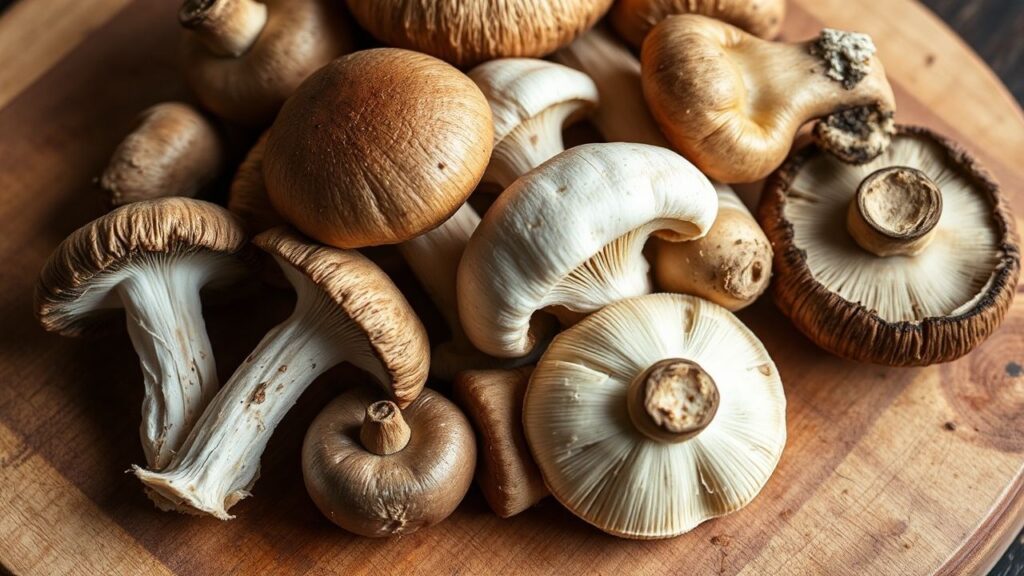
- Mushrooms: The star of the show. While cremini mushrooms (baby bellas) are an excellent all-around choice for their balanced flavor and texture, feel free to experiment. Shiitake mushrooms offer a more intense, smoky flavor, while button mushrooms are readily available and versatile. For larger varieties like portobellos, ensure they are cut into substantial pieces to prevent drying out too quickly.
- Soy Sauce: The umami catalyst. Opt for a good quality low-sodium soy sauce. This provides the essential glutamates that react with the mushrooms’ natural compounds, creating that deeply satisfying savory note. Low-sodium versions allow you to control the saltiness more precisely.
- Honey: The balancing act. Honey provides a touch of sweetness that beautifully contrasts the savory soy sauce and rounds out the overall flavor profile. Its syrupy nature also helps to create a slightly sticky glaze as the mushrooms roast. Maple syrup can be substituted for a slightly different, woodsy sweetness.
- Olive Oil: A good quality extra virgin olive oil is essential for coating the mushrooms, ensuring even roasting and preventing sticking. It also contributes to the development of those desirable crispy edges.
- Garlic: Freshly minced garlic adds an aromatic depth that complements the earthiness of the mushrooms. Don’t be shy; the roasting process mellows its pungency into a sweet, savory note.
- Black Pepper: Freshly ground black pepper adds a subtle warmth and a touch of spice.
Step-by-Step: Mastering the Oven-Roasted Mushroom Technique
Achieving perfect oven-roasted mushrooms is a straightforward process, requiring minimal active cooking time.
The Core Recipe: Oven-Roasted Mushrooms with Soy Sauce & Honey
This recipe is designed for simplicity and maximum flavor impact, perfect as a side dish, appetizer, or even a topping for salads, pizzas, or grain bowls.
Yields: Approximately 4 servings
Prep time: 10 minutes
Cook time: 20-25 minutes
Prep time: 10 minutes
Cook time: 20-25 minutes
Ingredients:
- 1 pound (approx. 450g) assorted mushrooms (cremini, shiitake, button), cleaned and trimmed
- 2 tablespoons extra virgin olive oil
- 2 tablespoons low-sodium soy sauce
- 1 tablespoon honey
- 2 cloves garlic, minced
- 1/4 teaspoon freshly ground black pepper
- Optional: Fresh parsley or chives, chopped, for garnish
Equipment:
- Large baking sheet
- Parchment paper (optional, for easier cleanup)
- Large mixing bowl
Instructions:
- Preheat your oven and prepare the baking sheet: Preheat your oven to 400°F (200°C). Line a large baking sheet with parchment paper for easier cleanup, if desired.
- Prepare the mushrooms: Gently wipe the mushrooms clean with a damp paper towel or a soft brush. Avoid washing them under running water, as they can absorb too much moisture. Trim any tough stems. Cut larger mushrooms into bite-sized pieces (about 1-inch chunks). Smaller mushrooms like button mushrooms can often be halved or quartered. The goal is to have pieces that are roughly uniform in size for even cooking.
- Create the flavor infusion: In a large mixing bowl, whisk together the olive oil, soy sauce, honey, minced garlic, and black pepper. Ensure the honey is well incorporated into the liquids.
- Coat the mushrooms: Add the prepared mushrooms to the bowl with the soy sauce and honey mixture. Toss gently but thoroughly to ensure each mushroom piece is evenly coated. The mixture should cling to the mushrooms.
- Arrange for optimal roasting: Spread the coated mushrooms in a single layer on the prepared baking sheet. It is crucial that the mushrooms are not crowded. Overcrowding will cause them to steam rather than roast, leading to a less desirable texture. If necessary, use two baking sheets.
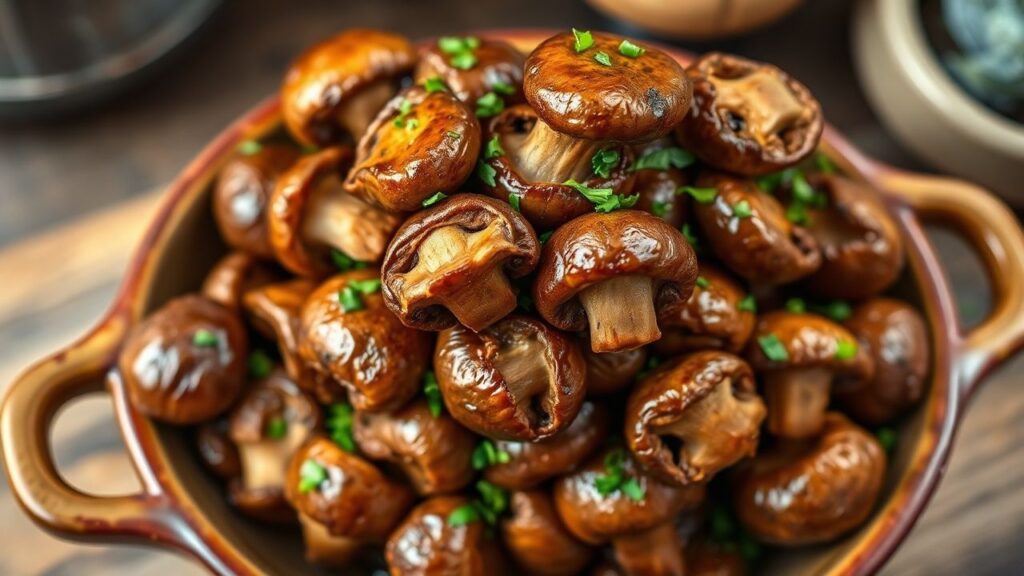
- Roast to perfection: Place the baking sheet in the preheated oven. Roast for 20 to 25 minutes, or until the mushrooms are tender, nicely browned, and slightly caramelized around the edges. For an extra touch of crispiness, you can broil them for the last 1-2 minutes, watching them very carefully to prevent burning.
- Serve and enjoy: Remove the mushrooms from the oven. Taste and adjust seasoning if needed. Garnish with fresh chopped parsley or chives, if desired. Serve immediately.
Beyond the Basics: Variations and Enhancements
While the core recipe is exceptionally satisfying, the versatility of oven-roasted mushrooms allows for numerous creative adaptations.
Spicy Kick: A Dash of Heat
For those who enjoy a little warmth, a pinch of red pepper flakes or a dash of Sriracha added to the marinade before roasting can elevate the flavor profile significantly. This works particularly well with heartier mushrooms like portobellos. Consider adding a teaspoon of chili garlic sauce for a more complex spicy-sweet profile.
Herbal Infusion: Fresh Aromatics
Experiment with different herbs. Thyme and rosemary are classic pairings with mushrooms, their earthy, woodsy notes complementing the fungi beautifully. Add a sprig or two of fresh thyme or rosemary to the baking sheet during the last 10 minutes of roasting, or stir in chopped fresh herbs just before serving.
Citrus Brightness: A Zesty Finish
A squeeze of fresh lemon or lime juice over the hot, roasted mushrooms just before serving can add a wonderful brightness, cutting through the richness and enhancing the savory notes. This is particularly effective if you’re serving the mushrooms as a topping for a richer dish.
Umami Boost: Beyond Soy Sauce
For an even deeper umami punch, consider adding a teaspoon of miso paste (whisked with the soy sauce and honey) or a dash of Worcestershire sauce to the marinade. These ingredients bring their own complex layers of fermented flavor that pair exceptionally well with mushrooms.
Expert Tips for Unlocking Mushroom Perfection
As a seasoned culinary professional, I’ve learned that a few key techniques can elevate even the simplest mushroom preparation from good to extraordinary.
The Importance of Single-Layer Roasting
This cannot be stressed enough: do not overcrowd the baking sheet. When mushrooms are piled on top of each other, they begin to steam instead of roast. The moisture they release gets trapped, leading to a soggy, unappealing texture. Think of it as giving each mushroom piece its own personal space to crisp up and develop flavor. If you have a large quantity of mushrooms, it is far better to use two baking sheets than to compromise on the single-layer arrangement. This is a fundamental principle in achieving excellent roasted vegetables of any kind.
Monitoring for Perfect Doneness
The cooking time of 20-25 minutes is a guideline. The exact time will depend on the size and type of mushrooms, as well as your oven’s performance. Keep an eye on them, especially during the last 10 minutes. You’re looking for tender mushrooms with browned, slightly crispy edges. They should have shrunk in size as their moisture has evaporated, and the sauce should have reduced to a glaze. Overcooking can lead to dry, tough mushrooms, so it’s better to err on the side of slightly underdone and return them to the oven for a few more minutes if needed.
Serving Suggestions: Where These Flavorful Mushrooms Shine
The possibilities for enjoying these roasted mushrooms are virtually endless. Their intense flavor and satisfying texture make them a versatile addition to countless dishes.
As a Standalone Appetizer
Serve them warm, perhaps with a sprinkle of flaky sea salt and a drizzle of balsamic glaze. They are an elegant and surprisingly simple appetizer that will impress guests.
Elevating Main Courses
- Steakhouse Quality: Top a perfectly seared steak with a generous portion of these mushrooms. The rich, savory flavor of the mushrooms beautifully complements the beef.
- Chicken and Pork Companion: They make a fantastic side dish for roasted chicken, pork chops, or even a simple grilled chicken breast.
- Pasta Perfection: Stir them into pasta dishes, adding a layer of umami depth to creamy sauces or simple aglio e olio.
- Grain Bowl Star: Incorporate them into your favorite quinoa, farro, or rice bowls for an added burst of flavor and texture.
Beyond the Plate: Creative Applications
- Pizza Topping: Scatter them over your favorite pizza for an gourmet touch.
- Omelette and Frittata Filler: Add them to egg dishes for a substantial and flavorful breakfast or brunch.
- Salad Enhancer: Toss them into a green salad or a heartier grain salad for a savory element.
Nutritional Spotlight: More Than Just Flavor
While we often focus on taste, Notably, mushrooms offer a respectable nutritional profile. According to the USDA FoodData Central, 100 grams of raw cremini mushrooms contain approximately 2.3 grams of protein, 3.3 grams of carbohydrates, and a good source of B vitamins (riboflavin, niacin, pantothenic acid) and minerals like selenium and potassium. Roasting, while concentrating flavors, also slightly alters the nutritional content by reducing water weight. Research has also highlighted the presence of antioxidants in mushrooms, such as ergothioneine and glutathione, which are thought to play a role in cellular protection. The addition of olive oil contributes healthy monounsaturated fats, while soy sauce provides some sodium and trace minerals.
Frequently Asked Questions
What are the best types of mushrooms to roast?
While most common cultivated mushrooms roast well, cremini (baby bella) mushrooms are an excellent all-rounder due to their balanced flavor and meaty texture. Shiitake mushrooms offer a more intense, smoky flavor and a chewier texture. Button mushrooms are readily available and a good option for beginners. Larger mushrooms like portobellos can be cut into thick slices or chunks for roasting.
Can I prepare the mushrooms ahead of time?
You can prepare the marinade and clean the mushrooms ahead of time. Store them separately in airtight containers in the refrigerator. It’s best to toss them together and roast them just before serving for optimal texture and flavor. Roasted mushrooms are best enjoyed fresh, but leftovers can be stored in an airtight container in the refrigerator for up to 2-3 days and gently reheated.
My mushrooms came out soggy. What did I do wrong?
Soggy mushrooms are typically the result of overcrowding the baking sheet or not using a high enough oven temperature. Ensure your mushrooms are in a single layer with space between them to allow air circulation. Also, make sure your oven is fully preheated to at least 400°F (200°C). High, dry heat is crucial for evaporating moisture and achieving browning.
How can I make these mushrooms spicier?
To add spice, you can incorporate red pepper flakes directly into the marinade along with the soy sauce and honey. Start with about 1/4 to 1/2 teaspoon and adjust to your preference. Alternatively, a small amount of sriracha or a spicy chili paste can be whisked into the marinade for a more complex heat.
Can I use a different sweetener instead of honey?
Yes, absolutely. Maple syrup is a fantastic substitute for honey, offering a slightly different, woodsy sweetness that pairs wonderfully with mushrooms. Agave nectar is another option, though it has a more neutral flavor. Ensure the sweetener you choose is liquid or can be easily incorporated into the marinade.
Final Recommendations for Culinary Excellence
The quest for perfectly roasted mushrooms is a journey of simple techniques yielding profound flavor. This oven-roasted soy sauce and honey method is not merely a recipe; it’s an invitation to rediscover the humble mushroom’s potential. By understanding the science behind the browning, respecting the need for space on the baking sheet, and embracing the balance of sweet and savory, you can consistently achieve results that are both visually appealing and intensely delicious. Don’t hesitate to experiment with the suggested variations – a touch of spice, a whisper of fresh herbs, or a bright citrus finish can transform these roasted gems into a signature dish. Make this recipe a staple in your culinary repertoire, and you’ll find yourself reaching for mushrooms more often, confident in your ability to turn them into a star attraction.
See also: Mushrooms