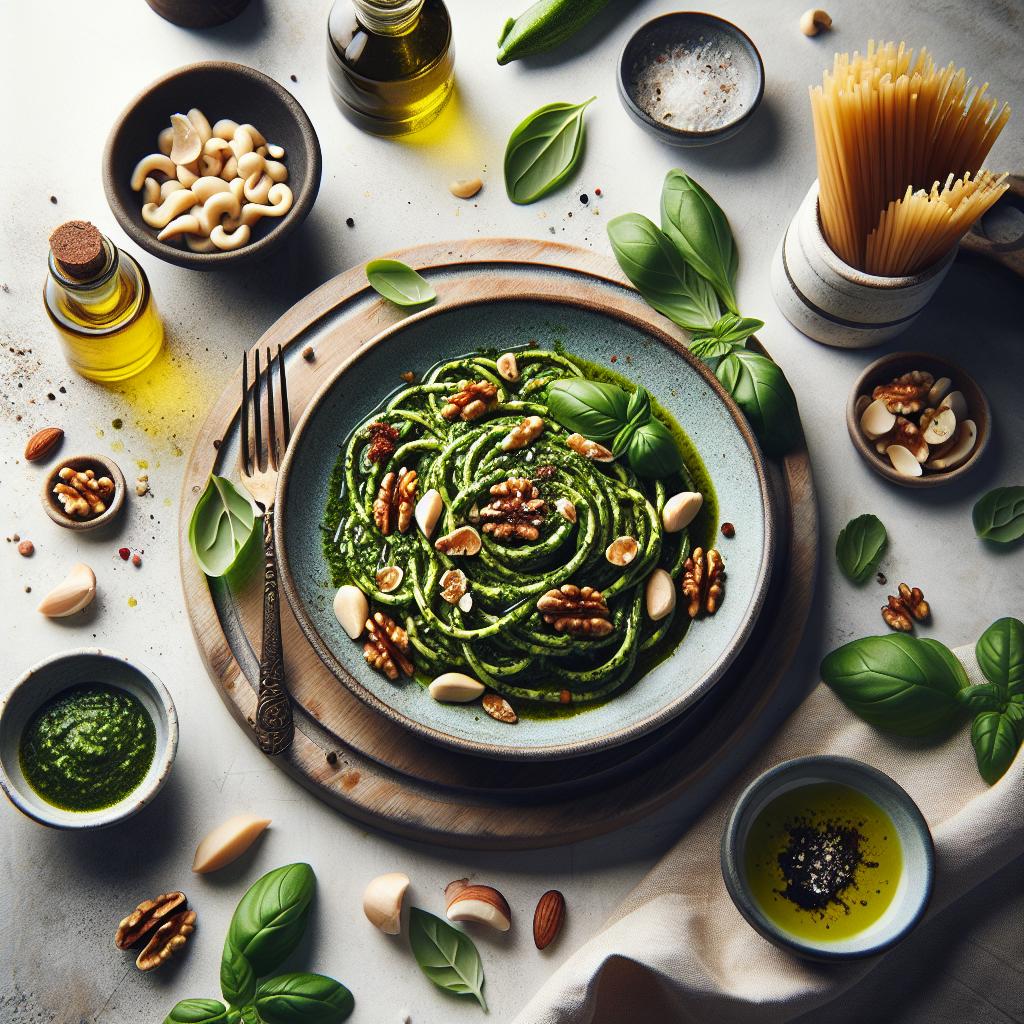

Pesto: a vibrant green elixir bursting with fresh basil, fragrant garlic, and a generous drizzle of olive oil. This iconic Italian sauce has long been celebrated for its bold, herbaceous flavor and versatile charm. But amidst its aromatic allure lies a subtle debate that often divides enthusiasts and purists alike: should classic pesto include nuts, or does its true essence transcend this crunchy addition? Join us as we unravel the history, recipes, and regional twists behind pesto, exploring whether nuts are an indispensable ingredient or just a delightful option in this beloved sauce.
Pesto Uncovered: Nuts or No Nuts in the Classic Sauce?
Pesto Uncovered starts with the heart of Liguria, where traditional Basil Pesto was born centuries ago, beautifully marrying fresh basil, olive oil, garlic, and cheese. Yet, the choice of nuts, or the decision to omit them entirely, holds the key to unlocking different layers of flavor and texture in this iconic sauce. From the crunch and warmth of pine nuts to innovative nut-free alternatives, the journey of pesto is one of passion, adaptation, and culinary creativity.
Prep and Cook Time
- Preparation: 10 minutes
- Cooking: 0 minutes (no cooking required)
- Total Time: 10 minutes
Yield
- Approximately 1 cup of pesto, enough for 4 servings
Difficulty Level
- Easy
Ingredients
- 2 cups fresh basil leaves, packed tightly
- 1/2 cup extra virgin olive oil
- 2 cloves garlic, peeled
- 1/4 cup grated Parmesan cheese
- 2 tablespoons sunflower seeds or pumpkin seeds (nut-free, for traditional texture)
- Salt and freshly ground black pepper to taste
- Juice of 1/2 lemon (optional, to brighten flavor)
Instructions
- Prepare the basil: Wash and thoroughly dry basil leaves to prevent a watery sauce. Using fresh, vibrant leaves brightens the pesto’s color and flavor.
- Pulse seeds and garlic: In a food processor, combine sunflower seeds and garlic. Pulse until finely chopped and fragrant, about 10 seconds, scraping down the sides as needed.
- Add basil: Add the basil leaves to the processor and pulse several times until chopped but still vibrant and not pureed.
- Incorporate cheese: Add the grated Parmesan cheese, pulsing to blend evenly into the mixture.
- Drizzle oil: With the processor running on low speed, slowly pour in the olive oil in a steady stream until the mixture becomes a smooth, silky sauce.
- Season and adjust: Add salt, freshly ground black pepper, and lemon juice (if using) to elevate brightness. Pulse once to incorporate and taste to adjust seasoning.
- Rest and store: For best flavor, let the sauce rest for 15 minutes at room temperature before serving. Store leftovers in an airtight container with a thin layer of olive oil on top to prevent oxidation.
Chef’s Notes
- Choosing seeds over nuts: Replacing pine nuts with sunflower seeds gives pesto a similar crunchy texture and a nutty, earthy flavor without triggering nut allergies.
- Alternative nut-free options: Blanched pumpkin seeds or even hemp seeds work wonderfully and add their unique flavors.
- Consistency tip: For a thinner pesto, add olive oil gradually and consider a splash of pasta cooking water to loosen the sauce.
- Make-ahead storage: Freeze pesto in ice cube trays for easy portioning and longer shelf life – just defrost as needed.
- Vegan tweak: Swap Parmesan for nutritional yeast or vegan cheese for a dairy-free version.
Serving Suggestions
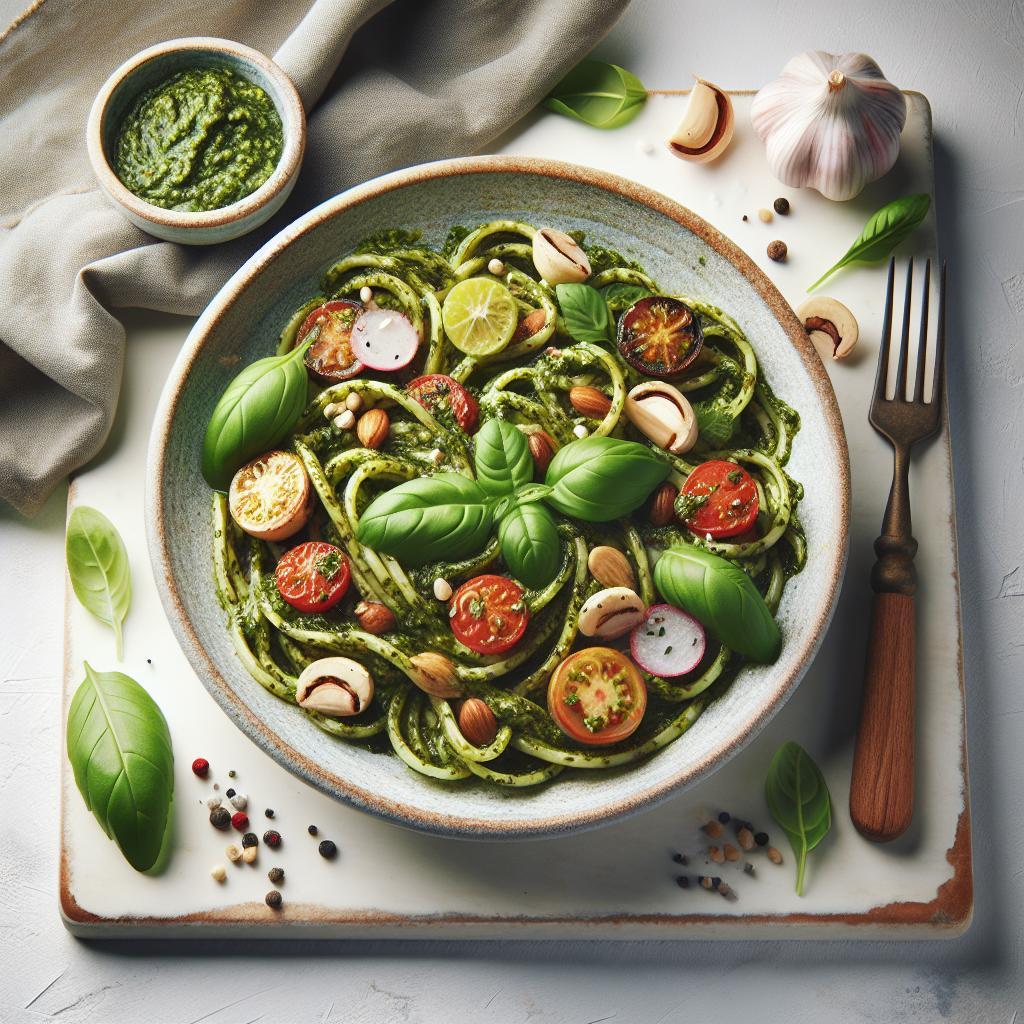
To showcase your nut-free pesto masterpiece, toss it with freshly cooked linguine or trofie pasta for a classic Ligurian meal. For added elegance, drizzle a little extra virgin olive oil on top and sprinkle with halved cherry tomatoes or toasted seed kernels for crunch contrast. Use it as a vibrant spread on toasted baguette slices or swirl through creamy polenta for a modern, comforting twist. Fresh basil leaves or microgreens elevate its presentation, turning every bite into a sensory delight.

| Nutrient | Per 2 tbsp Serving |
|---|---|
| Calories | 120 kcal |
| Protein | 3 g |
| Carbohydrates | 2 g |
| Fat | 12 g |
Explore more bold, allergy-friendly sauces with our Allergy-Friendly Sauces Collection. For a deep dive into the history of pesto and its evolution, National Geographic’s culinary article offers rich insights.
Q&A
Q&A: Pesto Uncovered – Nuts or No Nuts in the Classic Sauce?
Q1: What exactly is traditional pesto?
A1: Traditional pesto, or Pesto alla Genovese, is a vibrant green sauce originating from Genoa in Italy. Its core ingredients are fresh basil, garlic, pine nuts, Parmigiano-Reggiano cheese, Pecorino Romano, olive oil, and a pinch of salt. The magic of pesto lies in its fresh, herbaceous flavor, perfectly balanced by the creamy texture of the nuts.
Q2: Are pine nuts a must-have in classic pesto?
A2: Yes, pine nuts are traditionally a fundamental component. They add a rich, buttery texture that binds the sauce together and delivers subtle nuttiness. Without pine nuts, the texture and flavor profile shifts significantly, steering away from the classic.
Q3: Can pesto be made without nuts?
A3: Absolutely! While not traditional, nut-free versions do exist for those with allergies or dietary preferences. Ingredients like sunflower seeds, pumpkin seeds, or even extra cheese can help mimic the creamy texture. However, purists often argue that removing nuts detracts from the authentic pesto experience.
Q4: Why do some people skip nuts in their pesto?
A4: Several reasons. Allergy concerns top the list, followed by cost and availability-pine nuts can be pricey and sometimes hard to find. Some cooks also prefer a lighter pesto, where the focus is more on the herbal brightness than the richness nuts provide.
Q5: What’s the impact of nuts on pesto’s flavor and texture?
A5: Nuts enrich pesto with a creamy, slightly sweet, and toasted element. They help emulsify the sauce, giving it body and a luscious mouthfeel. Without nuts, pesto tends to be thinner and more sharply herbal, changing both its taste and consistency.
Q6: Are there any historical variations of pesto that didn’t include nuts?
A6: Historically, pesto has mostly featured nuts, especially pine nuts, since basil cultivation and pine nut harvesting coincide in Liguria. Still, old-fashioned versions sometimes used other regional ingredients like walnuts or even no nuts at all depending on local availability, though these are less common today.
Q7: How can I make a nut-free pesto at home that’s still delicious?
A7: Try substituting pine nuts with toasted pumpkin seeds or sunflower seeds to maintain creaminess. Add a bit more cheese to boost flavor, and use extra virgin olive oil generously. Fresh basil and garlic remain crucial, and a splash of lemon juice can brighten the sauce further.
Q8: So, is it “nuts or no nuts” in classic pesto?
A8: By strict traditional standards, pesto is definitely nuts-pine nuts, to be precise. However, modern adaptations allow for nut-free creativity without losing all the essence of this beloved sauce. Whether you embrace tradition or innovate, pesto’s charm lies in its fresh, vibrant spirit.
Q9: What’s the best way to enjoy pesto?
A9: Toss it with al dente pasta, spread it over toasted bread, drizzle on grilled vegetables, or swirl it into soups. Classic or nut-free, pesto adds a burst of Mediterranean sunshine to any dish.
In essence, while pine nuts hold the crown in classic pesto recipes, the sauce’s heart beats in its basil and olive oil harmony-leaving room for nutty tradition or nut-free innovation to thrive.
Future Outlook
As we drizzle the final spoonful of pesto onto our pasta, the age-old question lingers: nuts or no nuts? Whether you favor the rich crunch of pine nuts or embrace a nut-free twist, classic pesto remains a celebration of vibrant basil, sharp Parmesan, and fragrant garlic. Ultimately, the beauty of this iconic sauce lies in its versatility-a timeless tapestry of flavors inviting you to make it your own. So next time you blend your batch, remember: pesto isn’t just a recipe, it’s a delicious invitation to creativity and tradition dancing together on your palate.