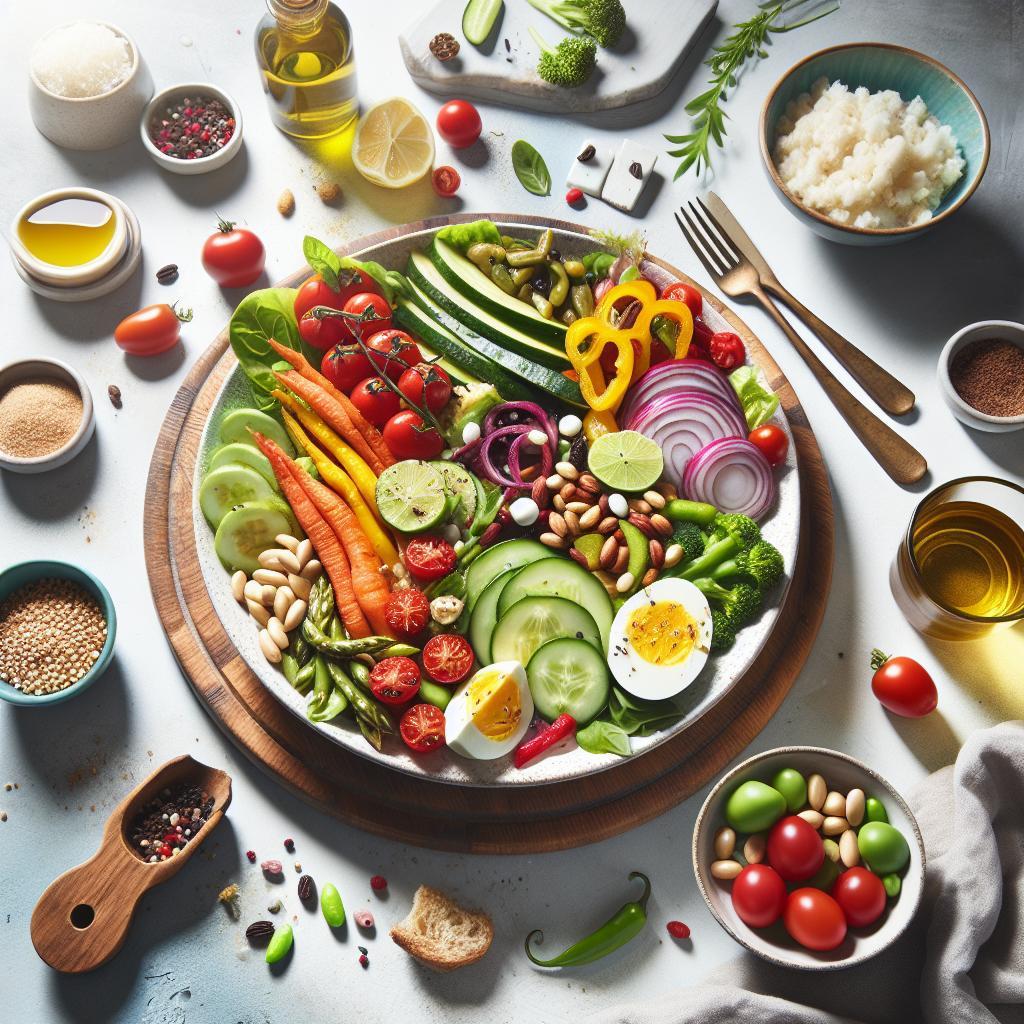

In every family kitchen, the sizzle of a pan and the aroma of fresh ingredients signal moments of love and togetherness. But for families navigating the world of food allergies, cooking can feel like walking a culinary tightrope-balancing safety with the joy of flavor. Enter Safe & Tasty: Cooking for Kids with Food Allergies Guide, a compass designed to transform mealtime worries into confident, delicious creations. This guide isn’t just about avoiding allergens; it’s about unlocking the magic of inclusive cooking where every child can savor each bite with delight and peace of mind. Join us as we explore smart strategies, creative recipes, and expert tips that make allergy-friendly cooking both safe and irresistibly tasty.
Safe & Tasty: Cooking for Kids with Food Allergies Guide
Navigating mealtime for children with allergies can feel overwhelming. Yet, creating delicious, nutritious dishes that are allergy-safe is not only possible but incredibly rewarding. Safe & Tasty: Cooking for Kids with Food Allergies Guide offers practical insights to identify common allergic reactions in children, build a kid-friendly allergy-conscious pantry, and master safe meal prep techniques. To bring this to life, let’s explore a vibrant Allergy-Friendly Rainbow Veggie Stir-Fry-a quick, colorful dish designed to excite young palates while ensuring safety and nutrition.
Prep and Cook Time
Prep: 15 minutes | Cook: 10 minutes | Total Time: 25 minutes
Yield
4 servings
Difficulty Level
Easy
Ingredients
- 2 tablespoons extra virgin olive oil
- 1 cup chopped red bell peppers
- 1 cup thinly sliced carrots
- 1 cup sugar snap peas, trimmed
- 1 cup chopped zucchini
- 1/2 cup celery, sliced
- 2 cloves garlic, minced
- 1 teaspoon fresh ginger, grated
- 1/4 cup low-sodium vegetable broth (allergy-safe and gluten-free)
- 2 teaspoons gluten-free tamari sauce
- 1 teaspoon pure maple syrup
- A pinch sea salt (optional)
- 1/4 teaspoon ground black pepper
- 1/4 cup chopped fresh cilantro or parsley (optional garnish)
Instructions
- Prepare the vegetables: Wash and chop all veggies into bite-sized pieces, ensuring they cook evenly. Keep colors vibrant by slicing similarly sized pieces.
- Heat the olive oil in a large non-stick skillet or wok over medium heat.
- Add garlic and ginger: Sauté for 30 seconds until fragrant, stirring constantly to prevent burning.
- Introduce sturdy vegetables-carrots and celery-to the skillet. Cook for 3-4 minutes, stirring occasionally until they begin to soften.
- Add red bell peppers, sugar snap peas, and zucchini. Stir well, sautéing for another 3 minutes to maintain a crisp texture and bright colors.
- Mix the sauce: Combine vegetable broth, tamari sauce, and maple syrup in a small bowl.
- Pour the sauce over the veggies and stir to coat. Let it simmer for 2-3 minutes, allowing flavors to meld and vegetables to become tender-crisp.
- Season lightly with salt and pepper, tasting to adjust seasoning as desired.
- Remove from heat and garnish with chopped cilantro or parsley before serving for fresh herbal notes and contrast.
Chef’s Notes
- For a protein boost, add allergy-safe tofu cubes or shredded chicken once the sturdy veggies begin cooking.
- Substitute olive oil with avocado oil for a neutral flavor and enhanced health benefits.
- To avoid cross-contamination, use separate utensils and prep surfaces dedicated to allergy-friendly meals.
- Make-ahead tip: chop all veggies in advance and store in airtight containers in the fridge for up to 2 days.
- Swap the vegetable broth for a homemade bone broth if your child’s allergies permit; this can increase nutrient content.
Serving Suggestions
Serve this stir-fry over fluffy white or brown rice, ensuring a gluten-free base. Sprinkle with toasted sesame seeds or crushed nuts (if no nut allergies) for extra texture. Pair with a side of fresh fruit cubes or a small salad to round out a colorful, balanced meal that children will love.

| Nutrient | Per Serving |
|---|---|
| Calories | 120 kcal |
| Protein | 3 g |
| Carbohydrates | 15 g |
| Fat | 7 g |
Spotting Symptoms & Pantry Prep for Allergy Safety
Recognizing allergy symptoms early is key. Look for hives, swelling, stomach discomfort, or respiratory issues after new foods. Keep common allergens like peanuts, dairy, gluten, and eggs out of your pantry to maintain a safe cooking zone. Stock up on alternative staples such as gluten-free grains, seed butters, plant-based milks, and fresh produce that can be mixed into creative kid-approved recipes.
Following these guidelines and recipes from Safe & Tasty: Cooking for Kids with Food Allergies Guide ensures every bite is a celebration of safety and flavor. For more expert advice on cross-contamination and kid-friendly meals, visit Food Allergy Research & Education.
Explore additional nourishing allergy-friendly recipes on our site here and feel empowered to make every mealtime joyous and safe.
Q&A
Q&A: Safe & Tasty – Cooking for Kids with Food Allergies Guide
Q1: Why is cooking for kids with food allergies such a big deal?
A1: Cooking for kids with food allergies is more than just preparing meals-it’s about safety, love, and ensuring every bite is both delicious and risk-free. Allergies can turn a simple snack into a potential emergency, so thoughtful meal prep means peace of mind for parents and a joyful experience for kids.
Q2: How can parents make allergen-free meals fun and tasty for children?
A2: Think creative! Use colorful fruits and veggies, experiment with herbs and spices, and involve kids in the cooking process. When kids help choose and prepare their allergen-free meals, they feel empowered and excited to eat what they’ve made.
Q3: What are some staples every allergy-conscious kitchen should have?
A3: Grab allergen alternatives like gluten-free flours, dairy-free milks, and nut-free butters. Stock up on fresh produce, safe proteins, and allergy-friendly snacks. Also, keep cleaning supplies separate to avoid cross-contact, and label everything clearly.
Q4: How do you prevent cross-contact in a busy kitchen?
A4: Designate specific utensils, cutting boards, and storage containers for allergen-free foods. Wash hands thoroughly before cooking. Clean surfaces frequently, and never reuse cooking oils or sauces that contained allergens. Creating zones for allergen-free cooking can save the day.
Q5: Can kids with multiple allergies still enjoy a varied diet?
A5: Absolutely! Many allergy-friendly recipes rely on naturally safe ingredients and colorful combinations. With a little creativity, kids can enjoy diverse textures and flavors-from crunchy veggie sticks to creamy coconut yogurt parfaits.
Q6: What’s one tried-and-true tip for introducing new allergen-free foods to picky eaters?
A6: Pair new flavors with familiar favorites. If your child loves apples, try blending apple puree into a safe muffin recipe. Consistency and patience are key; sometimes it takes several tries before a new taste becomes a beloved staple.
Q7: How can caregivers stay informed and confident about managing food allergies in cooking?
A7: Education is power! Consult allergy specialists, follow trusted allergy-friendly food blogs, and join parent support groups. Staying current on ingredient labels and understanding emergency protocols ensures you cook confidently and safely.
Q8: Where can parents find reliable allergy-friendly recipes?
A8: Look for cookbooks written by allergy experts or organizations dedicated to food allergies. Many websites and apps curate tested recipes free from common allergens. Also, joining online communities can provide personalized recommendations and creative ideas.
Q9: How important is involving kids in the meal prep process?
A9: Involvement empowers kids to understand their allergies and feel in control. Plus, it turns cooking into a fun activity rather than a chore. Hands-on experiences help reduce anxiety around unfamiliar foods and encourage healthy eating habits.
Q10: What’s the ultimate message for parents cooking for kids with food allergies?
A10: Safety and taste go hand in hand. With knowledge, creativity, and a loving approach, you can transform allergen-free cooking from a challenge into a delicious adventure-one that nourishes body and soul.
Key Takeaways
In the vibrant world of childhood, every meal is an opportunity – a chance to nourish, delight, and create lasting memories. Navigating the maze of food allergies might seem daunting, but with knowledge, care, and creativity, you can transform your kitchen into a safe haven where every bite is both delicious and secure. Remember, cooking for kids with food allergies isn’t just about avoidance; it’s about embracing new flavors, discovering fresh ingredients, and most importantly, fostering confidence and joy at the family table. So roll up your sleeves, let curiosity lead the way, and watch how safe, tasty meals can open doors to a world of happy, healthy mealtimes for your little ones.