
The Enchanting Crimson Swirl: Elevating Hummus Beyond the Ordinary
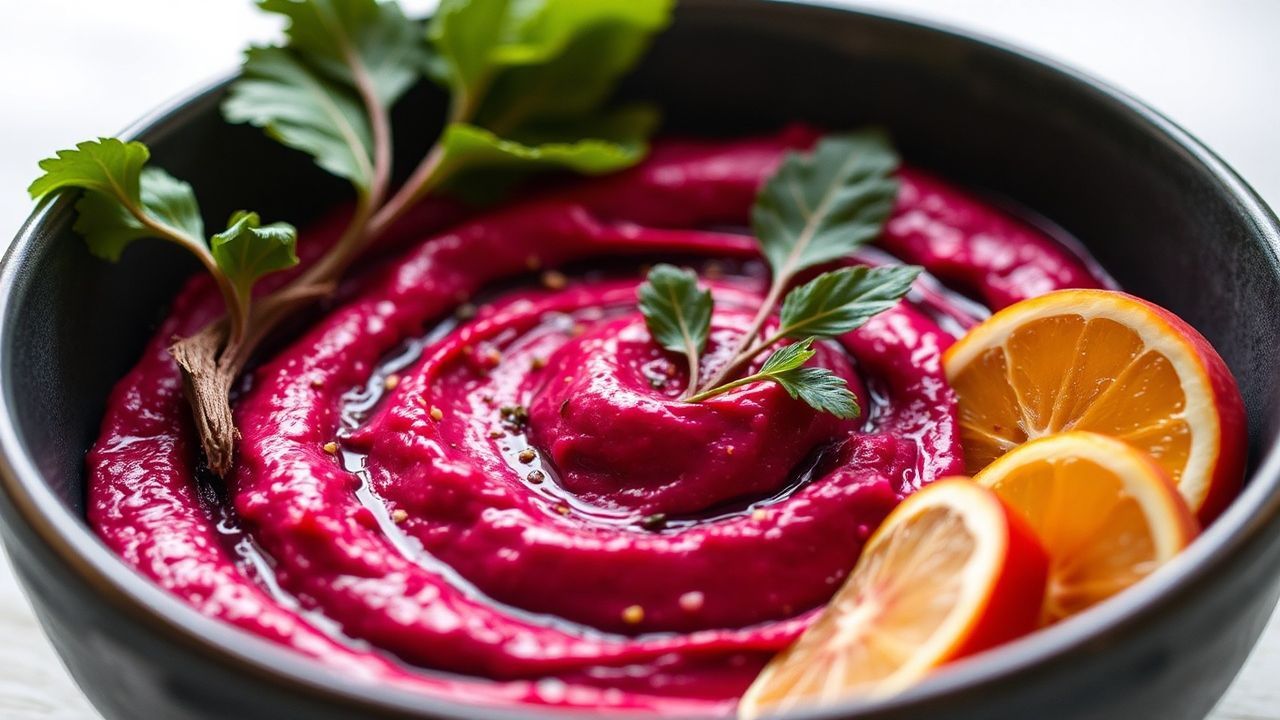
Beetroot hummus is far more than a mere culinary novelty; it represents a bold, vibrant evolution of a beloved classic, transforming a humble chickpea spread into a visual and gustatory masterpiece. For generations, hummus has been a cornerstone of Middle Eastern cuisine, celebrated for its simplicity and versatility. However, the addition of beetroot introduces a captivating crimson hue and a subtle, earthy sweetness that elevates it to an entirely new echelon. This isn’t just about adding a splash of color; it’s about unlocking a complex flavor profile and a nutritional payload that surpasses its traditional counterpart. Many home cooks approach this variation with a degree of trepidation, fearing an overpowering beet flavor or a texture that veers from the silky smoothness they expect. Yet, with the right technique and a keen understanding of ingredient synergy, achieving a truly exceptional beetroot hummus is remarkably straightforward.
- The Enchanting Crimson Swirl: Elevating Hummus Beyond the Ordinary
- The Essential Palette: Crafting Your Perfect Beetroot Hummus Ingredients
- The Alchemist’s Touch: Mastering the Beetroot Hummus Preparation Method
- Nutritional Brilliance: The Healthful Aspects of Beetroot Hummus
- Expert Elevation: Pro-Tips for Restaurant-Quality Beetroot Hummus
- Beyond the Dip: Creative Applications for Your Vibrant Creation
- Frequently Asked Questions About Beetroot Hummus
The true magic of beetroot hummus lies in its duality: a familiar comfort reimagined with an unexpected, vibrant personality.
This journey into beetroot hummus begins with an appreciation for its origins and the potential it holds. While tahini, chickpeas, lemon juice, and garlic form the bedrock of any great hummus, the star of this particular show, the beetroot, requires thoughtful integration. Its inherent earthiness, while delightful, needs to be balanced to prevent it from dominating the palate. This article demystifies the process, offering a comprehensive guide to crafting a beetroot hummus that is not only visually stunning but also boasts a depth of flavor that will have your guests clamoring for the recipe. We explore the nuances of ingredient selection, preparation techniques, and creative serving suggestions, ensuring your beetroot hummus is a resounding success, whether you’re a seasoned chef or a novice in the kitchen.
The Essential Palette: Crafting Your Perfect Beetroot Hummus Ingredients
The foundation of any exceptional dish rests upon the quality of its components. For beetroot hummus, this principle is paramount, as each ingredient matter significantly in the final symphony of flavors and textures. While the base remains consistent with traditional hummus, the beetroot’s integration demands careful consideration.
Here’s what you’ll need for a truly remarkable batch:
- Chickpeas: 2 cans (15-ounce / 425g each), drained and rinsed (or 1.5 cups / 300g dried chickpeas, soaked overnight and cooked until very tender)
- Beetroot: 1 large (approx. 8-10 ounces / 225-280g), roasted or boiled until tender, peeled and roughly chopped. Roasting concentrates the sweetness and minimizes water content.
- Tahini: 1/3 cup (80ml) high-quality, well-stirred tahini (sesame paste). Opt for brands that are smooth and have a mild, nutty flavor.
- Garlic: 2-3 cloves, minced or grated. Adjust to your preference for pungency.
- Lemon Juice: 1/4 cup (60ml) freshly squeezed lemon juice. The acidity is key to balancing the earthiness of the beetroot and tahini.
- Extra Virgin Olive Oil: 1/4 cup (60ml) for blending, plus more for drizzling.
- Water: 2-4 tablespoons (30-60ml) ice-cold water, or aquafaba (the liquid from the chickpea can), to achieve desired consistency.
- Cumin: 1 teaspoon ground cumin.
- Salt: 1/2 teaspoon sea salt, or to taste.
- Optional Garnishes: Fresh parsley or mint, toasted sesame seeds, a drizzle of olive oil, sumac, pomegranate seeds.
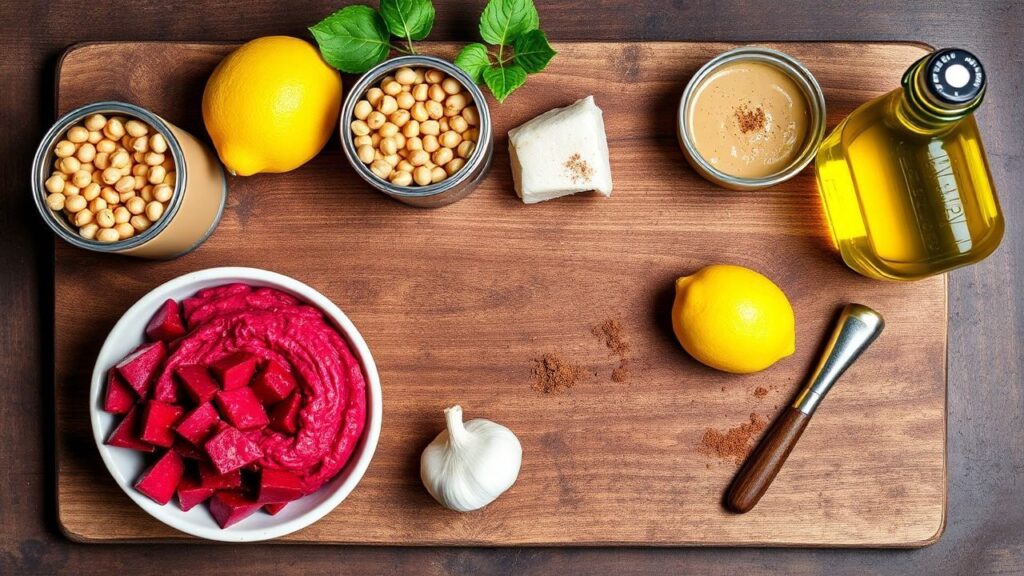
The secret to unlocking the beetroot’s full potential lies in its preparation. Roasting, as opposed to boiling, caramelizes the natural sugars within the beetroot, imparting a deeper, more nuanced sweetness and a less watery texture. This is critical for achieving a superior hummus consistency. If boiling, ensure the beets are cooked just until tender, then cooled before peeling and chopping.
The Alchemist’s Touch: Mastering the Beetroot Hummus Preparation Method
Transforming these raw ingredients into a silken, jewel-toned dip requires a methodical approach, paying close attention to the interplay of textures and flavors. The goal is a smooth, emulsified spread with a balanced taste profile where the sweetness of the beetroot complements, rather than overwhelms, the creamy tahini and zesty lemon.
Step-by-Step Mastery:
- Prepare the Beetroot: If you haven’t already, roast or boil your beetroot until fork-tender. Allow it to cool slightly, then peel and roughly chop it. This initial preparation ensures the beetroot is pliable and ready to blend.
- The Blending Begins: In a high-powered food processor, combine the drained and rinsed chickpeas, chopped beetroot, minced garlic, ground cumin, and salt. Pulse a few times to break down the larger ingredients.
- Introduce the Creaminess: Add the tahini and fresh lemon juice to the food processor. Begin blending on a low speed, scraping down the sides of the bowl as needed.
- Emulsify with Olive Oil and Water: While the food processor is running, slowly drizzle in the 1/4 cup of extra virgin olive oil. This is where the magic of emulsification truly begins, creating a smoother, richer texture.
- Achieve Silken Perfection: Gradually add the ice-cold water (or aquafaba), one tablespoon at a time, while the processor continues to blend. Continue until the hummus reaches your desired consistency – it should be luxuriously smooth and creamy, not watery or paste-like. This step is crucial for achieving that hallmark hummus texture.
- Taste and Adjust: Once blended to perfection, taste the beetroot hummus. Adjust seasoning with more salt, lemon juice, or a pinch more cumin if desired. If the beetroot flavor is too dominant, a little more lemon juice or tahini can help balance it.
- Chill and Serve: Transfer the beetroot hummus to a serving bowl. Cover and refrigerate for at least 30 minutes to allow the flavors to meld and deepen. This chilling period is essential for the best taste experience.
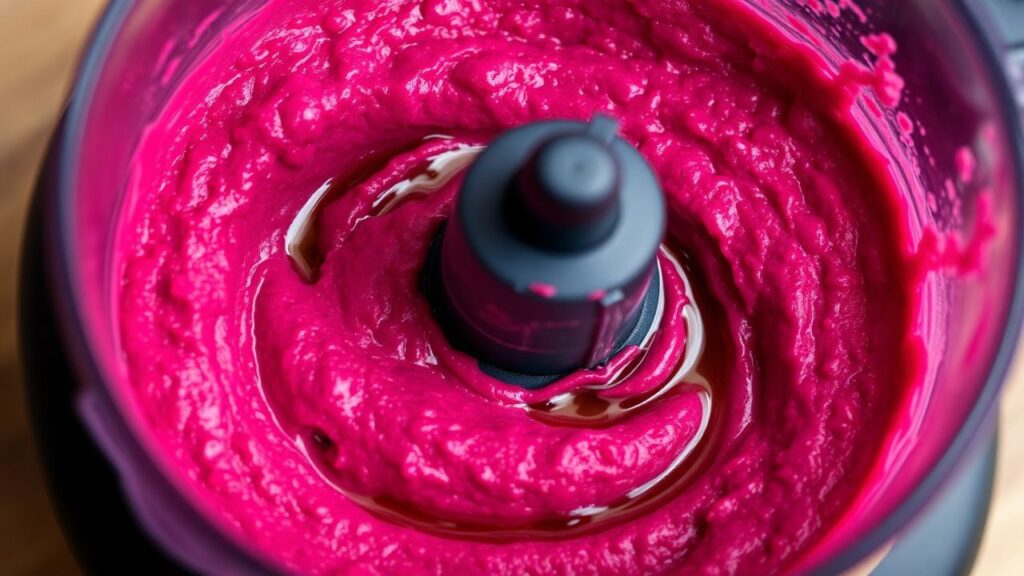
The use of ice-cold water or aquafaba is a chef’s trick that contributes to a lighter, fluffier texture. The cold temperature helps solidify the fats in the olive oil and tahini more effectively during emulsification, resulting in a superior mouthfeel. Patience here yields significant rewards in the final texture.
Nutritional Brilliance: The Healthful Aspects of Beetroot Hummus
Beyond its aesthetic appeal and delightful taste, beetroot hummus offers a compelling nutritional profile, making it a wise addition to a balanced diet. The synergy of its core ingredients provides a wealth of vitamins, minerals, and macronutrients.
Here’s a breakdown of the approximate nutritional information per serving (assuming 8 servings from the recipe):
- Calories: Approximately 180-220 kcal
- Protein: 6-8g (primarily from chickpeas)
- Fat: 10-14g (largely healthy monounsaturated fats from olive oil and tahini)
- Carbohydrates: 18-22g (including dietary fiber)
- Fiber: 5-7g (beneficial for digestive health)
- Vitamins: Rich in folate (B9), vitamin C, and various B vitamins.
- Minerals: Excellent source of iron, manganese, potassium, and magnesium.
- Antioxidants: Beetroots are particularly high in betalains, potent antioxidants that give them their vibrant color and offer anti-inflammatory benefits.
Research published in the Journal of Agricultural and Food Chemistry highlights the significant antioxidant and anti-inflammatory properties of betalains found in beetroot. These compounds are believed to play a role in cellular protection. Furthermore, the fiber content from both chickpeas and beetroot contributes to satiety, aiding in weight management, and supports a healthy gut microbiome. The combination of plant-based protein and fiber makes beetroot hummus a satisfying and nutrient-dense choice for snacks or appetizers.
While beetroot hummus is a healthy option, portion control is still key, especially considering the fat content from tahini and olive oil. However, compared to many commercially produced dips and spreads, it offers a significantly more beneficial nutritional package.
Expert Elevation: Pro-Tips for Restaurant-Quality Beetroot Hummus
Elevating your homemade beetroot hummus from merely good to truly exceptional requires a nuanced understanding of flavor balancing and textural refinement. These expert insights will transform your creation into a dish that rivals those served in upscale establishments.
💡 Expert Insight
Expert Insight: The Roasting Revelation
When preparing your beetroot, roasting is undeniably the superior method. It caramelizes the natural sugars, intensifying the sweetness and reducing the water content, which leads to a more concentrated flavor and a significantly smoother, less watery final hummus. Aim for a deep, tender roast, ensuring the beetroot is cooked through but not mushy. This single step can dramatically enhance the overall quality of your beetroot hummus.
When preparing your beetroot, roasting is undeniably the superior method. It caramelizes the natural sugars, intensifying the sweetness and reducing the water content, which leads to a more concentrated flavor and a significantly smoother, less watery final hummus. Aim for a deep, tender roast, ensuring the beetroot is cooked through but not mushy. This single step can dramatically enhance the overall quality of your beetroot hummus.
Another critical element is the quality of your tahini. Not all tahini is created equal. Seek out a smooth, creamy tahini made from high-quality sesame seeds, ideally from a reputable brand. Stir it vigorously before measuring, as the oil can separate. A well-emulsified tahini is the backbone of creamy hummus.
Consider the order of blending. For the smoothest possible texture, some chefs recommend blending the tahini and lemon juice first to create a smooth base before adding the chickpeas and beetroot. This technique helps to aerate the mixture and achieve a lighter consistency.
Finally, don’t underestimate the power of a perfectly executed garnish. A generous drizzle of high-quality extra virgin olive oil, a sprinkle of toasted sesame seeds, a scattering of fresh herbs like parsley or mint, or even a few vibrant pomegranate seeds can add both visual appeal and complementary flavor notes that complete the dish.
Beyond the Dip: Creative Applications for Your Vibrant Creation
While beetroot hummus is undeniably a star as a dip for pita bread, crudités, or falafel, its versatility extends far beyond the appetizer realm. Its striking color and unique flavor profile make it a compelling ingredient in a variety of culinary applications.
⚠️ Pro-Caution
Pro-Caution: Beware of Over-Blending
While the pursuit of ultimate smoothness is a worthy goal, over-blending your beetroot hummus can sometimes lead to a gummy or paste-like texture. This often happens when the food processor runs for too long without adequate liquid. Be mindful of the consistency and stop blending as soon as you achieve a creamy, emulsified state. Listen to your food processor; if it starts to sound strained, it’s likely time to stop.
While the pursuit of ultimate smoothness is a worthy goal, over-blending your beetroot hummus can sometimes lead to a gummy or paste-like texture. This often happens when the food processor runs for too long without adequate liquid. Be mindful of the consistency and stop blending as soon as you achieve a creamy, emulsified state. Listen to your food processor; if it starts to sound strained, it’s likely time to stop.
Think of your beetroot hummus as a vibrant sauce or spread. It can be slathered onto sandwiches and wraps, adding a burst of flavor and moisture. Imagine a grilled halloumi sandwich with a generous layer of beetroot hummus, or a veggie wrap elevated by its earthy sweetness. It also makes an excellent base for a vibrant salad dressing; simply thin it out with a little more lemon juice and olive oil.
For a more elaborate presentation, consider using it as a base for canapés or as a colorful layer in a layered dip. Its striking hue also makes it a fantastic accompaniment to roasted vegetables, grilled meats, or seafood. A dollop of beetroot hummus can add a sophisticated touch to a plate of grilled lamb chops or pan-seared scallops.
Frequently Asked Questions About Beetroot Hummus
How can I make my beetroot hummus smoother?
To achieve an exceptionally smooth beetroot hummus, ensure your chickpeas are well-cooked and their skins are removed if possible (though this is time-consuming and often unnecessary with good blending). Use a high-powered food processor, and don’t hesitate to add a little extra ice-cold water or aquafaba, one tablespoon at a time, while blending until the desired silkiness is achieved. Letting the hummus rest in the refrigerator for at least an hour also allows the ingredients to meld, contributing to a smoother mouthfeel.
Can I use canned beetroot instead of fresh?
While canned beetroot can be used in a pinch, it is generally not recommended for the best flavor and texture. Canned beetroot often has a metallic taste and a higher water content, which can dilute the flavor of your hummus and make it more watery. Fresh beetroot, especially when roasted, offers a superior sweetness and a more concentrated flavor profile. If you must use canned, drain it very thoroughly and consider rinsing it to remove some of the briny liquid.
How long does beetroot hummus last in the refrigerator?
Properly stored beetroot hummus can last for approximately 4-5 days in the refrigerator. Ensure it is kept in an airtight container to prevent it from drying out and absorbing other odors from the fridge. Always check for any signs of spoilage, such as an off smell or mold, before consuming.
My beetroot hummus tastes too “earthy.” How can I fix it?
An overly earthy flavor usually indicates that the beetroot’s natural taste is dominating. To counteract this, try increasing the amount of fresh lemon juice, as its acidity can cut through the earthiness. A little more tahini can also add richness and a nutty counterpoint. Some chefs also recommend adding a tiny pinch of smoked paprika, which can introduce a subtle smoky depth that complements the beetroot without overpowering it. Ensure you used roasted beetroot, as this method caramelizes sugars and reduces earthiness compared to boiling.
Can I make beetroot hummus without a food processor?
While a food processor is ideal for achieving a smooth hummus, you can make a passable version using a very sturdy blender or a mortar and pestle for a more rustic, traditional approach. If using a blender, you may need to work in smaller batches and add a bit more liquid to help it blend effectively. With a mortar and pestle, you’ll achieve a coarser texture, which can be quite appealing for a more artisanal feel, but it will require significant manual effort.
See also: beetroot hummus