
The Unassuming Majesty of Mac and Cheese
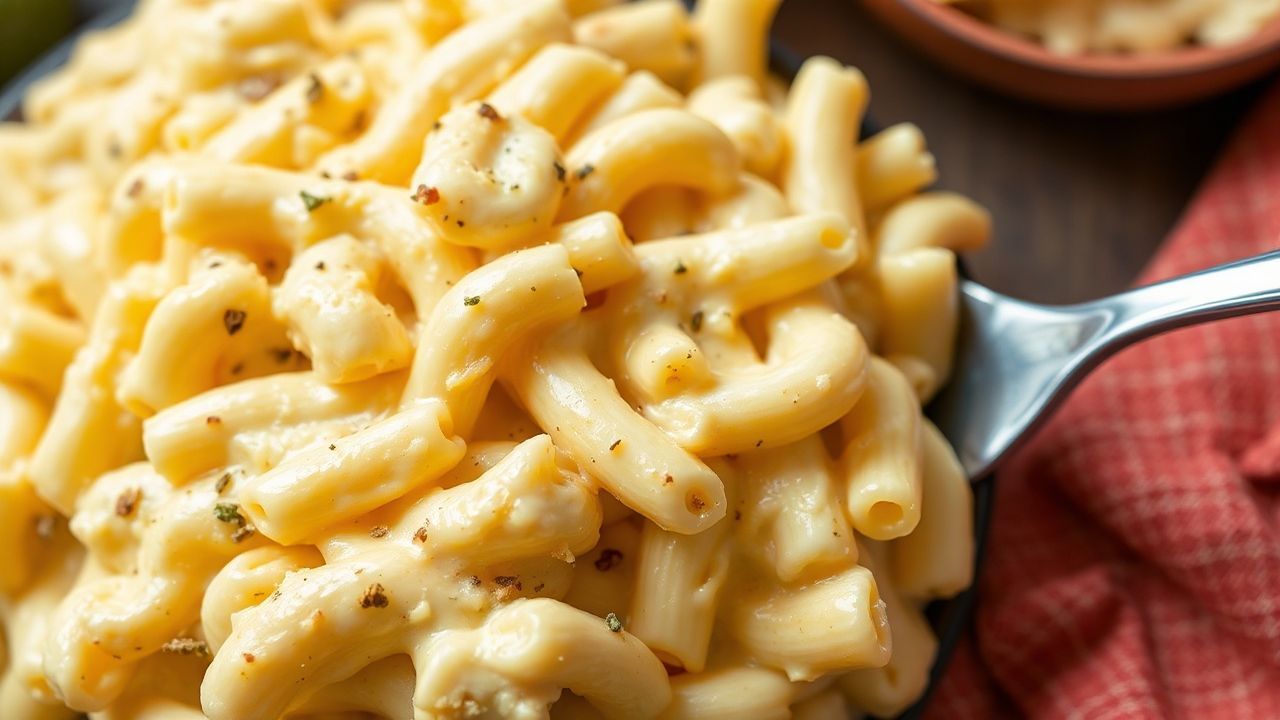
Mac and Cheese, a dish so universally adored it transcends culinary borders, is far more than just pasta and cheese. It’s a warm hug on a plate, a nostalgic journey to childhood kitchens, and a canvas for culinary creativity. Research indicates the average American consumes approximately 3.6 pounds of pasta per year, with macaroni and cheese consistently ranking among the most popular preparations. This humble dish, often relegated to quick weeknight meals, possesses an incredible potential for sophistication and depth, capable of dazzling palates from the most discerning gourmand to the most enthusiastic beginner. Its deceptive simplicity belies a complex interplay of textures and flavors that, when mastered, can result in a truly transcendent experience.
- The Unassuming Majesty of Mac and Cheese
- The Foundational Pillars: Choosing Your Pasta and Cheese Wisely
- Mastering the Roux: The Alchemist’s Touch for a Silky Sauce
- The Art of Cheese Integration: Avoiding the Oily Pitfall
- The Unsung Heroes: Flavor Enhancers and Textural Twists
- Beyond the Basics: Exploring Gourmet Variations
- The Science of Perfect Mac and Cheese: Temperature, Starch, and Emulsification
- Troubleshooting Common Mac and Cheese Calamities
- The Ultimate Mac and Cheese: A Synthesis of Technique and Taste
- Frequently Asked Questions
- What is the best type of pasta for mac and cheese?
- How do I prevent my mac and cheese sauce from becoming oily or separated?
- Can I make mac and cheese ahead of time?
- What are some good cheese combinations for mac and cheese?
- How can I add more flavor to my mac and cheese without adding more cheese?
- Final Recommendations
Mac and Cheese is not merely a dish; it’s an edible emotion, proof of the profound comfort found in simple, well-executed ingredients.
This article will guide you through the intricate nuances of crafting the perfect creamy mac and cheese, moving beyond the basic box mix to explore the secrets that elevate it to a culinary masterpiece. We will examine the science of cheese melding, the art of sauce construction, and the subtle techniques that transform ordinary ingredients into an extraordinary symphony of taste and texture, ensuring your mac and cheese is always a showstopper.
The Foundational Pillars: Choosing Your Pasta and Cheese Wisely
The cornerstone of any remarkable mac and cheese lies in the judicious selection of its two primary components: the pasta and the cheese. While elbow macaroni remains the quintessential choice, its porous surface and ability to hold sauce are undeniable assets. Exploring other shapes can unlock new textural dimensions. Consider shells (conchiglie) for their cup-like interiors that cradle generous portions of sauce, or cavatappi for its corkscrew grooves that offer exceptional sauce adhesion. Even less common shapes like orecchiette or campanelle can introduce delightful textural contrasts. The key is a shape that offers nooks and crannies, allowing the creamy sauce to adhere and permeate, thus maximizing flavor in every bite.
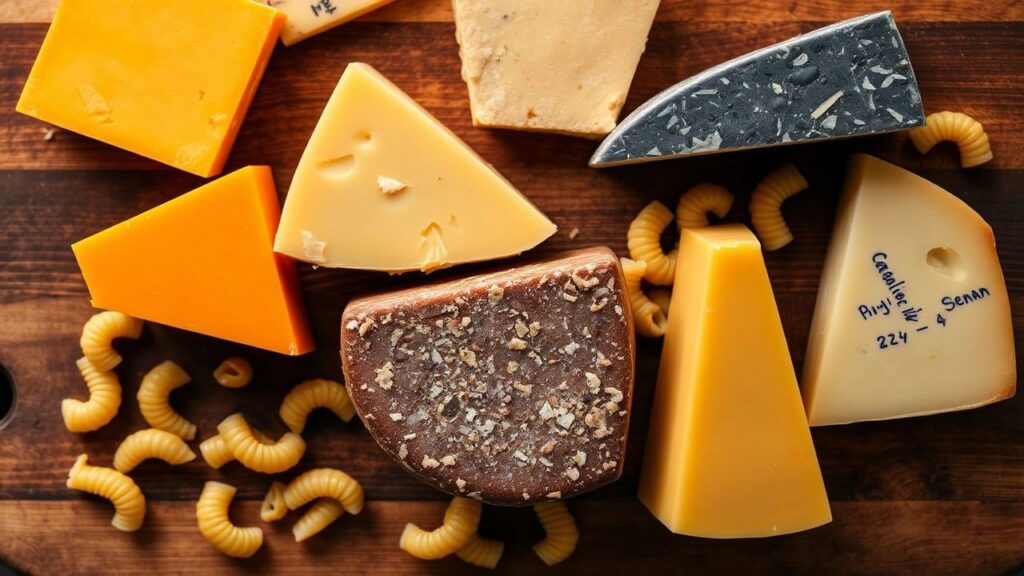
When it comes to cheese, the possibilities are as vast as the dairy aisle. A common pitfall is relying on a single cheese, which can often result in a one-dimensional flavor profile or an oily, separated sauce. The secret to a truly exceptional mac and cheese lies in the artful blend of cheeses, carefully chosen for their distinct melting properties, flavor intensity, and textural contributions. A good starting point is a combination of a good melting cheese, like sharp cheddar or Gruyère, which provides the creamy, gooey foundation. To this, introduce a cheese with a more pungent character, such as Parmesan Reggiano or aged Gouda, to add depth and complexity. A touch of fontina or Monterey Jack can further enhance the creaminess and prevent stringiness. The ratio is crucial; a balanced blend ensures a harmonious marriage of flavors and a consistently smooth, luxurious texture.
Mastering the Roux: The Alchemist’s Touch for a Silky Sauce
The foundation of a truly sublime cheese sauce is a perfectly executed béchamel, which begins with a roux. This seemingly simple mixture of equal parts fat (usually butter) and flour, cooked together, acts as a thickening agent and provides a smooth, velvety base for the cheese. The cooking time of the roux is critical. A “white roux,” cooked for just a minute or two until the raw flour taste disappears, is ideal for cheese sauces as it provides thickening power without imparting a significant color or nutty flavor. Overcooking a roux can lead to a darker color and a more pronounced flavor, which might be desirable for other applications but can muddy the delicate cheese notes in mac and cheese.
The technique for creating a flawless roux involves slowly whisking the flour into melted butter over medium-low heat. Patience is key; allow the mixture to bubble and cook for the requisite time, ensuring the flour is fully incorporated and the raw flour taste is eliminated. Once the roux is ready, gradually whisk in the liquid, typically milk, which has been gently warmed. Warming the milk prevents thermal shock, which can lead to a lumpy sauce. Whisk continuously as you add the milk, ensuring no lumps form. The sauce will gradually thicken as it heats. The consistency you aim for is a medium thickness – thick enough to coat the back of a spoon but still fluid enough to flow. This carefully constructed béchamel is the canvas upon which the cheese will be meticulously painted.
The Art of Cheese Integration: Avoiding the Oily Pitfall
Integrating cheese into a béchamel sauce requires finesse to achieve a smooth, cohesive emulsion. A common mistake is adding cold, pre-shredded cheese directly to a hot sauce. Pre-shredded cheeses often contain anti-caking agents like cellulose, which can interfere with the melting process, leading to a grainy or oily sauce. It is always preferable to grate your cheese fresh from the block. Furthermore, ensure the heat is kept at a low simmer; high heat can cause the fat in the cheese to separate, resulting in an undesirable greasy texture.
The most effective method is to add the grated cheese gradually, a handful at a time, whisking constantly until each addition is fully melted and incorporated before adding the next. This controlled melting process allows the cheese proteins to bind with the béchamel, creating a stable, creamy emulsion. Taste and adjust seasoning as you go. A pinch of nutmeg is a classic addition to béchamel-based sauces, enhancing the cheese flavors without overpowering them. For an extra layer of umami, a touch of Dijon mustard or a dash of Worcestershire sauce can work wonders. The goal is a sauce that is luxuriously smooth, intensely flavorful, and perfectly coats every strand of pasta.
The secret to truly exceptional mac and cheese isn’t just about the ingredients, but the deliberate, mindful process of bringing them together.
The Unsung Heroes: Flavor Enhancers and Textural Twists
Beyond the core ingredients, a world of flavor enhancers and textural twists can elevate your mac and cheese from comforting to truly extraordinary. Consider incorporating aromatics into your milk base before making the béchamel. Gently simmering a bay leaf, a clove of garlic, or even a sprig of thyme in the milk can infuse a subtle, sophisticated aroma that complements the cheese. For a more robust flavor, a pinch of smoked paprika can introduce a delightful smoky undertone, while a whisper of cayenne pepper can add a gentle warmth that balances the richness.
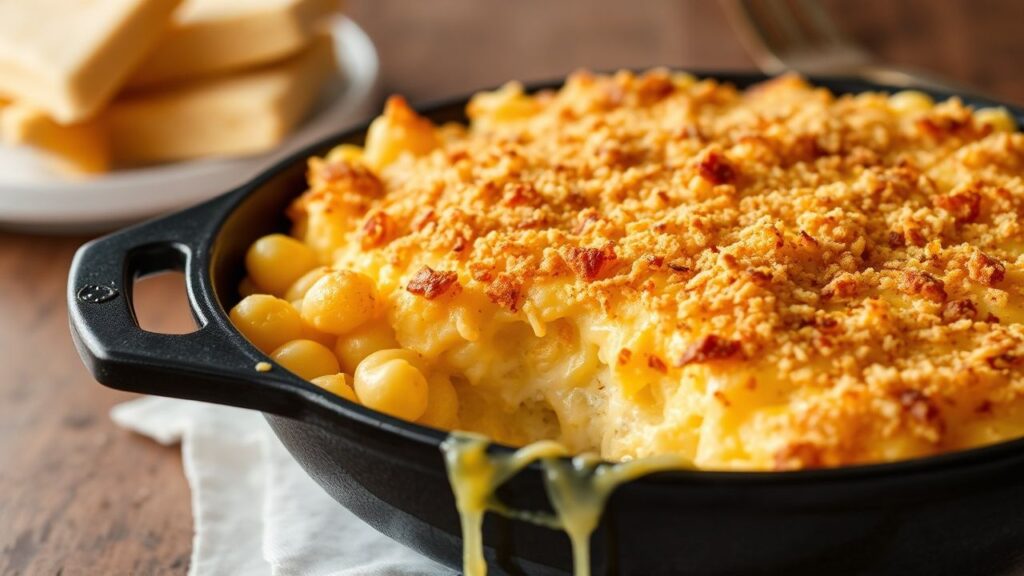
Textural contrast is another critical element that can elevate the mac and cheese experience. While the creamy sauce is paramount, a contrasting crunch can provide a delightful counterpoint. A classic topping of buttered breadcrumbs, toasted to a golden brown, offers a satisfying crunch and a rustic appeal. For a more elevated approach, consider panko breadcrumbs for their superior crispness, or mix in finely chopped herbs like parsley or chives for a burst of freshness. Another innovative textural element can be introduced by folding in ingredients like crispy bacon bits, caramelized onions, or even roasted vegetables such as broccoli florets or asparagus tips. These additions not only provide textural intrigue but also introduce new layers of flavor and visual appeal.
Beyond the Basics: Exploring Gourmet Variations
Once you’ve mastered the fundamental techniques, the world of gourmet mac and cheese variations opens up. Imagine a Lobster Mac and Cheese, where succulent chunks of fresh lobster are folded into a rich Gruyère and Parmesan sauce, perhaps with a hint of brandy. Or consider a Truffle Mac and Cheese, where a drizzle of high-quality truffle oil or finely grated fresh truffle elevates the dish to an opulent level, paired with a blend of fontina and Pecorino Romano. For a bolder, more complex flavor profile, a Smoked Gouda and Pancetta Mac and Cheese offers a savory depth that is simply irresistible.
These gourmet iterations often involve a more nuanced cheese selection and the judicious incorporation of premium ingredients. For instance, a white truffle oil can be added just before serving to preserve its delicate aroma. Caramelized onions, slow-cooked to a deep, jammy sweetness, can add a remarkable depth to a Gruyère-based mac and cheese. The key to successful gourmet variations lies in balancing the rich, creamy base with complementary flavors and textures that enhance, rather than overpower, the inherent deliciousness of mac and cheese. Remember, the goal is to create a harmonious symphony of flavors, where each component plays its part to perfection.
The Science of Perfect Mac and Cheese: Temperature, Starch, and Emulsification
Understanding the underlying science of mac and cheese preparation can unlock new levels of consistency and deliciousness. The interaction between starch (from the flour in the roux) and protein (from the cheese and milk) is fundamental to achieving a smooth, emulsified sauce. When flour and fat are cooked together (the roux), the starch granules swell and absorb liquid, creating thickening. The milk provides the liquid, and the cheese, rich in fats and proteins, adds flavor and further contributes to the sauce’s viscosity.
Temperature control is paramount. As mentioned, low heat is crucial during cheese integration to prevent fat separation. Similarly, when cooking pasta, al dente is your guiding principle. Overcooked pasta releases excess starch, which can make the sauce gummy. The residual heat from the perfectly cooked pasta will continue to cook the sauce slightly, ensuring a cohesive blend. For baked mac and cheese, the residual heat within the oven allows the sauce to set and the topping to crisp beautifully. Research published in the *Journal of Dairy Science* highlights how the casein proteins in cheese are responsible for its meltability and emulsification properties, emphasizing the importance of the right cheese types and gentle heating to maintain these characteristics.
Troubleshooting Common Mac and Cheese Calamities
Even seasoned cooks can encounter issues when crafting mac and cheese. One of the most common frustrations is a grainy or separated sauce. This is often due to overheating the cheese, using pre-shredded cheese with anti-caking agents, or an imbalance in the fat and liquid content. If your sauce appears oily, gently whisking in a tablespoon of warm milk or a bit of cornstarch slurry can sometimes help to re-emulsify it. A grainy texture can sometimes be salvaged by straining the sauce, though this is not ideal.
Another issue can be a sauce that is too thick or too thin. If it’s too thick, simply whisk in more warm milk, a tablespoon at a time, until the desired consistency is reached. If it’s too thin, you can try simmering it gently for a few more minutes to allow some of the liquid to evaporate, or you can create a small cornstarch slurry (1 teaspoon cornstarch mixed with 2 tablespoons cold water) and whisk it into the simmering sauce, cooking for another minute or two until thickened. Always remember to taste and adjust seasoning after any adjustments.
The Ultimate Mac and Cheese: A Synthesis of Technique and Taste
Crafting the ultimate creamy mac and cheese is a journey that rewards patience, precision, and a willingness to explore. It’s about understanding the fundamental principles of sauce making, the nuanced characteristics of different cheeses, and the subtle techniques that transform simple ingredients into culinary gold. From the initial selection of pasta and cheese to the final flourish of a crispy topping, every step matter significantly in the final outcome.
The pursuit of the perfect mac and cheese is an ongoing exploration. Experiment with different cheese combinations, incorporate new flavor enhancers, and don’t be afraid to venture into gourmet variations. The satisfaction of creating a dish that brings joy and comfort, a dish that is both deeply personal and universally loved, is immeasurable. By applying these expert insights, you are well-equipped to create a mac and cheese that is not just food, but an experience—proof of the enduring power of comfort food when elevated with skill and passion.
Frequently Asked Questions
What is the best type of pasta for mac and cheese?
While elbow macaroni is the classic choice due to its ability to hold sauce, other shapes like shells (conchiglie), cavatappi, or even rotini work exceptionally well. The key is to select a pasta shape with nooks and crannies that can effectively capture and cradle the creamy cheese sauce, ensuring a burst of flavor in every bite. Avoid very thin or delicate pasta shapes, as they can become mushy.
How do I prevent my mac and cheese sauce from becoming oily or separated?
The primary culprits for oily or separated mac and cheese sauce are high heat and the use of pre-shredded cheese. Always use cheese grated fresh from the block and integrate it into your béchamel sauce over low heat, adding it gradually and whisking until fully melted. Warming your milk base before adding it to the roux also helps to create a stable emulsion. If separation occurs, gently whisking in a tablespoon of warm milk or a cornstarch slurry can sometimes help to re-emulsify the sauce.
Can I make mac and cheese ahead of time?
Yes, you can prepare mac and cheese ahead of time, especially if you plan to bake it. Cook the pasta slightly less than al dente, prepare the cheese sauce, and combine them. Store the mixture in the refrigerator. When ready to serve, transfer it to a baking dish, top with breadcrumbs or extra cheese, and bake until heated through and bubbly. You may need to add a splash of milk or cream to loosen the sauce before baking if it has thickened considerably.
What are some good cheese combinations for mac and cheese?
The best mac and cheese often features a blend of cheeses. A strong foundation can be built with sharp cheddar or Gruyère for creaminess and flavor. Complement this with a sharper cheese like Parmesan Reggiano or aged Gouda for depth, and perhaps a milder, good-melting cheese like fontina or Monterey Jack for extra creaminess. Experiment with ratios to find your perfect balance. Other excellent additions include smoked Gouda, provolone, or even a touch of cream cheese for ultimate richness.
How can I add more flavor to my mac and cheese without adding more cheese?
There are numerous ways to enhance the flavor of your mac and cheese beyond just adding more cheese. Consider incorporating aromatics like finely minced garlic or shallots into the butter before making the roux. A pinch of nutmeg is a classic addition to béchamel. Spices like smoked paprika or a hint of cayenne pepper can add depth and warmth. For a savory kick, consider Dijon mustard, Worcestershire sauce, or even a dash of hot sauce. Fresh herbs like chives or parsley added just before serving can provide a refreshing contrast.
Final Recommendations
The journey to the perfect mac and cheese is one of exploration and refinement. Embrace the foundational techniques of a well-made roux and a judicious cheese blend. Don’t shy away from experimenting with different pasta shapes and flavor enhancers. For those seeking an elevated experience, explore gourmet variations that showcase premium ingredients and sophisticated flavor pairings. Remember that consistency in temperature and technique are paramount to achieving that signature creamy texture. Ultimately, the best mac and cheese is the one that brings you the most satisfaction, a comforting, delicious dish crafted with care and confidence.
See also: Mac and Cheese