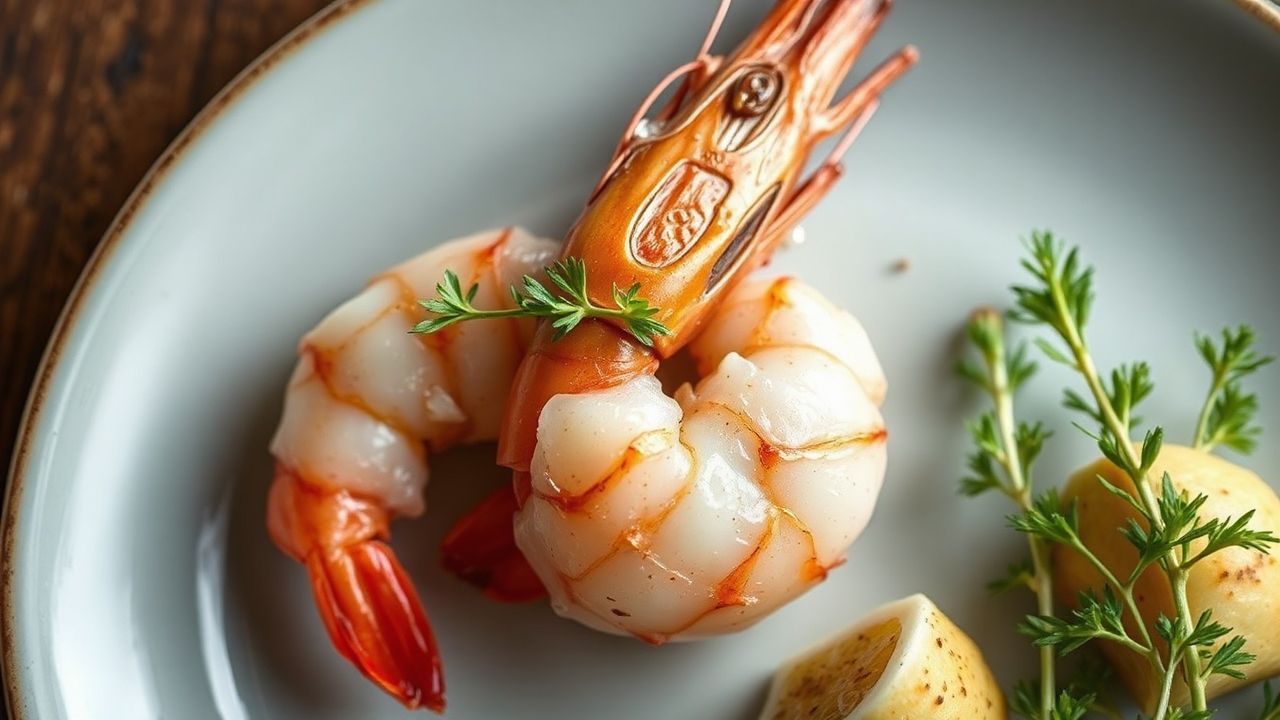

Shrimp are not merely a culinary delight; they represent a nutritional powerhouse often overlooked in the pursuit of more complex superfoods. Their rapid preparation time and versatility make them a staple, but their profound impact on health and well-being warrants a deeper exploration, moving beyond the plate to the cellular level.
- The Undeniable Nutritional Prowess of Shrimp
- Shrimp and Cardiovascular Health: A Surprising Alliance
- Boosting Cognitive Function and Brain Health with Shrimp
- Shrimp and Eye Health: A Crucial Nutrient Connection
- The Essential Guide to Preparing Perfect Honey Garlic Shrimp
- Shrimp and Immune System Support: A Potent Combination
- Shrimp and Bone Health: More Than Just Protein
- Shrimp: A Versatile Ingredient for Diverse Dietary Needs
- Shrimp and Skin Health: The Antioxidant Advantage
- Key Insights & Takeaways
- Frequently Asked Questions
- How many times a week can I safely eat shrimp?
- Are there any potential risks associated with eating shrimp?
- What is the best way to store cooked shrimp?
- Can I use frozen shrimp for the honey garlic recipe?
- What are the health benefits of the garlic and honey in the sauce?
- Final Recommendations
The humble shrimp, often relegated to appetizers or quick weeknight meals, is a veritable treasure trove of bioavailable nutrients, offering a disproportionately large health return for its minimal preparation effort.
The Undeniable Nutritional Prowess of Shrimp
Shrimp are universally recognized for their high protein content, a critical macronutrient for muscle repair, satiety, and overall bodily function. A standard 3-ounce serving of cooked shrimp typically contains around 20 grams of protein, which is roughly 40% of the daily recommended intake for an average adult. This protein is considered “complete,” meaning it contains all nine essential amino acids that the body cannot produce on its own. Beyond protein, shrimp are remarkably low in fat and calories, making them an excellent choice for weight management and balanced diets. A 3-ounce serving contains fewer than 100 calories and less than 1 gram of fat.
Further bolstering their nutritional profile, shrimp are an exceptional source of several vital micronutrients. They are particularly rich in selenium, a potent antioxidant that matter significantly in thyroid hormone metabolism and protecting the body from oxidative damage. Studies published in the journal *Biological Trace Element Research* have highlighted selenium’s role in mitigating inflammation and supporting immune function. Additionally, shrimp provide significant amounts of vitamin B12, essential for nerve function, DNA synthesis, and the formation of red blood cells. A deficiency in B12 can lead to fatigue and neurological issues, underscoring the importance of dietary sources like shrimp. They also offer iodine, crucial for thyroid health, and astaxanthin, a powerful antioxidant that gives shrimp their characteristic pink color and has been linked to anti-inflammatory and anti-cancer properties.
Shrimp and Cardiovascular Health: A Surprising Alliance
While shrimp were once cautioned against due to their cholesterol content, current nutritional science offers a more nuanced perspective. A 3-ounce serving of shrimp contains approximately 160-180 mg of dietary cholesterol. However, research has increasingly shown that dietary cholesterol has a less significant impact on blood cholesterol levels for most individuals than previously believed. The U.S. Dietary Guidelines for Americans, for example, now recommend consuming as little dietary cholesterol as possible, but do not set a specific upper limit, acknowledging the varied individual responses.
Instead of solely focusing on cholesterol, it’s more beneficial to consider the omega-3 fatty acid content in shrimp. While not as abundant as in fatty fish like salmon, shrimp do contain beneficial omega-3s, particularly EPA (eicosapentaenoic acid) and DHA (docosahexaenoic acid). These fatty acids are well-documented for their heart-protective benefits, including reducing inflammation, lowering triglycerides, and potentially decreasing the risk of blood clots. Furthermore, the selenium in shrimp acts synergistically with vitamin E to protect cell membranes from oxidative damage, including those in the cardiovascular system. This antioxidant capacity helps combat the processes that can lead to atherosclerosis.
Boosting Cognitive Function and Brain Health with Shrimp
The brain, a high-energy organ, thrives on consistent nutrient supply. Shrimp’s rich profile of vitamin B12 is paramount for cognitive health. This vitamin is integral to the formation of myelin, the protective sheath around nerve fibers, which ensures efficient signal transmission. Adequate B12 levels are associated with better memory, concentration, and overall cognitive performance. A meta-analysis published in the *American Journal of Clinical Nutrition* indicated that higher vitamin B12 intake was linked to a reduced risk of cognitive decline in older adults.
Beyond B12, the astaxanthin found in shrimp is gaining significant attention for its neuroprotective properties. As a potent antioxidant and anti-inflammatory agent, astaxanthin can cross the blood-brain barrier, helping to protect brain cells from oxidative stress and inflammation, which are implicated in neurodegenerative diseases like Alzheimer’s and Parkinson’s. Research in animal models has shown astaxanthin’s potential to improve memory and learning. Moreover, the iodine content in shrimp is crucial for the production of thyroid hormones, which regulate metabolism and are essential for brain development and function, particularly in infants and children.
Shrimp and Eye Health: A Crucial Nutrient Connection
Maintaining healthy vision throughout life requires a consistent intake of specific nutrients, and shrimp offer several key players. The antioxidant powerhouse astaxanthin is particularly noteworthy for its benefits to eye health. Studies suggest that astaxanthin can help protect the eyes from damage caused by UV radiation and oxidative stress, potentially reducing the risk of age-related macular degeneration (AMD) and cataracts. Its anti-inflammatory properties may also help alleviate eye strain and fatigue.
Furthermore, shrimp are a good source of vitamin E, another powerful antioxidant that works in tandem with selenium to protect the delicate tissues of the eye from damage. While not as concentrated as in nuts or seeds, the vitamin E present in shrimp contributes to the overall antioxidant defense system of the body, including the eyes. The zinc found in shrimp is also important for eye health, playing a role in transporting vitamin A from the liver to the retina to produce melanin, a protective pigment in the eyes.
The Essential Guide to Preparing Perfect Honey Garlic Shrimp
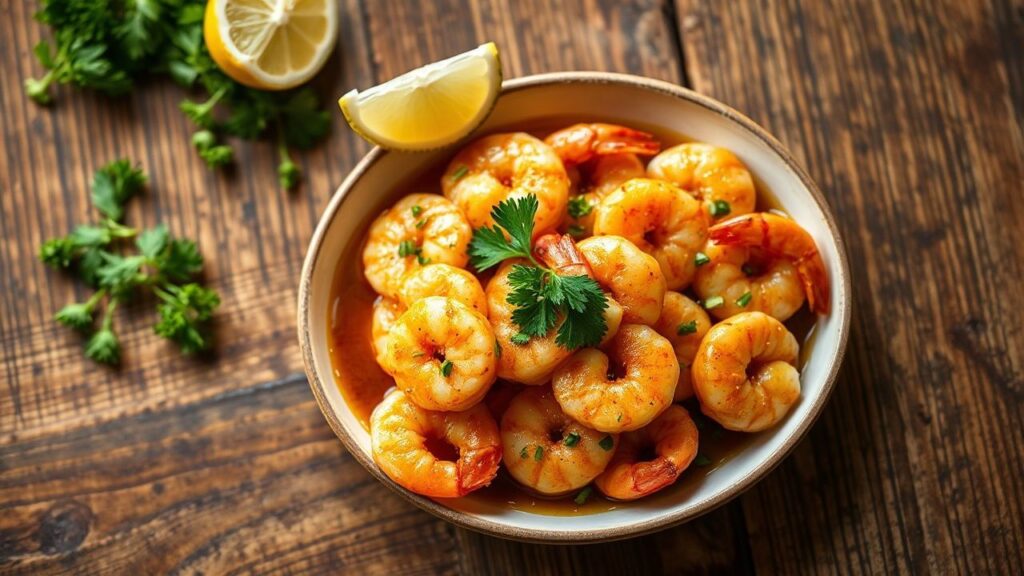
Achieving that perfect balance of sweet, savory, and slightly tangy in honey garlic shrimp is a culinary art that can be mastered with attention to detail and quality ingredients. This recipe focuses on maximizing flavor while keeping the preparation straightforward, ensuring a delicious and satisfying meal.
Ingredients You’ll Need:
- 1 pound large shrimp, peeled and deveined
- 2 tablespoons olive oil or avocado oil
- 4 cloves garlic, minced
- 1/4 cup honey
- 2 tablespoons soy sauce (or tamari for gluten-free)
- 1 tablespoon rice vinegar
- 1 teaspoon grated fresh ginger
- 1/4 teaspoon red pepper flakes (optional, for a hint of heat)
- 2 tablespoons chopped fresh parsley, for garnish
- Sesame seeds, for garnish (optional)
Step-by-Step Culinary Mastery:
1. Prepare the Shrimp: Ensure your shrimp are thoroughly thawed if frozen, peeled, and deveined. Pat them completely dry with paper towels. This is a critical step for achieving a good sear and preventing them from steaming rather than sautéing. 2. Whisk the Sauce: In a small bowl, whisk together the honey, soy sauce, rice vinegar, minced garlic, grated ginger, and red pepper flakes (if using). Set aside. 3. Sear the Shrimp: Heat the olive oil in a large skillet or wok over medium-high heat. Once the oil is shimmering, add the shrimp in a single layer. Avoid overcrowding the pan; cook in batches if necessary. Sauté for 1-2 minutes per side, just until the shrimp turn pink and opaque. Do not overcook at this stage, as they will continue to cook in the sauce. 4.
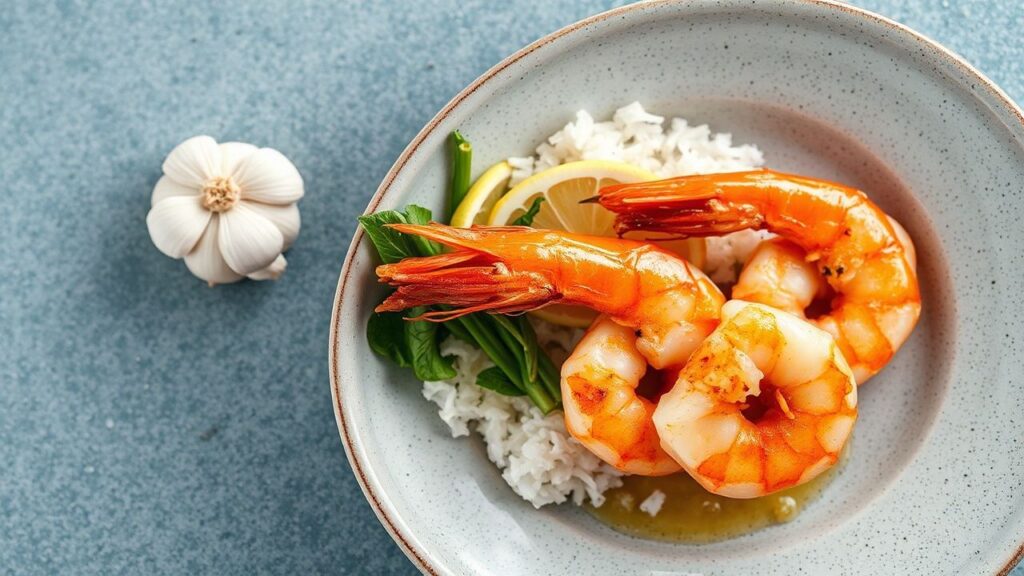
Deglaze and Infuse: Remove the shrimp from the skillet and set them aside on a plate. Reduce the heat to medium. Pour the prepared honey garlic sauce into the hot skillet. Let it simmer for about 1-2 minutes, allowing the flavors to meld and the sauce to thicken slightly. Scrape up any browned bits from the bottom of the pan – this adds immense flavor. 5. Combine and Coat: Return the cooked shrimp to the skillet with the sauce. Toss gently to coat all the shrimp evenly. Continue to cook for another 1-2 minutes, just until the shrimp are fully cooked through and coated in the glossy sauce. 6. Garnish and Serve: Remove the skillet from the heat. Garnish generously with fresh chopped parsley and sesame seeds, if desired. Serve immediately over steamed rice, quinoa, or your favorite noodles.
Shrimp and Immune System Support: A Potent Combination
The immune system is a complex network that requires a steady supply of diverse nutrients to function optimally. Shrimp contribute significantly to this by providing several key immune-boosting components. The selenium content is particularly vital. Selenium is a crucial component of several antioxidant enzymes, including glutathione peroxidase, which helps protect immune cells from damage caused by free radicals generated during immune responses. Studies have demonstrated that adequate selenium levels are associated with enhanced immune function and reduced susceptibility to infections. Research published in *Nutrients* highlights selenium’s role in both innate and adaptive immunity.
Zinc is another mineral found in shrimp that matter significantly in immune health. Zinc is essential for the development and function of immune cells, including T-cells and natural killer cells. It also acts as an antioxidant and helps regulate inflammatory responses. A deficiency in zinc can impair immune function, making individuals more vulnerable to pathogens. Furthermore, the protein in shrimp is fundamental for building antibodies and other immune molecules that the body uses to fight off infections.
Shrimp and Bone Health: More Than Just Protein
While calcium and vitamin D often dominate discussions about bone health, other nutrients play equally important supporting roles. Shrimp offer a valuable contribution through their protein content, which forms the structural matrix of bone tissue. Adequate protein intake is essential for bone density and strength throughout life, from childhood development to preventing osteoporosis in older age.
Beyond protein, shrimp provide phosphorus, a mineral that works in conjunction with calcium to build strong bones and teeth. Phosphorus is a major component of hydroxyapatite, the mineral complex that gives bones their rigidity. While deficiencies are rare in developed countries, ensuring adequate intake is important for maintaining bone mineral density. The zinc in shrimp is also involved in bone metabolism, playing a role in bone formation and remodeling. Furthermore, the astaxanthin may offer indirect benefits by reducing systemic inflammation, which can negatively impact bone health.
Shrimp: A Versatile Ingredient for Diverse Dietary Needs
The remarkable adaptability of shrimp makes them a culinary chameleon, fitting seamlessly into a wide array of dietary patterns and preferences. Their rapid cooking time and mild, slightly sweet flavor profile allow them to be the star of a dish or a complementary element.
For those following low-carbohydrate or ketogenic diets, shrimp are an ideal protein source. They are naturally very low in carbohydrates, making them a perfect choice for maintaining ketosis. Pairing them with non-starchy vegetables and healthy fats creates satisfying and nutrient-dense meals.
Individuals managing diabetes can benefit from shrimp’s low carbohydrate and high protein content. Protein helps promote satiety, which can aid in blood sugar management and reduce the likelihood of overeating. The presence of omega-3 fatty acids may also have positive effects on insulin sensitivity.
As mentioned, shrimp are excellent for weight management due to their high protein and low-calorie density. Protein is known to increase feelings of fullness, which can help reduce overall calorie intake and support weight loss efforts.
Furthermore, for those seeking to increase their intake of antioxidants and essential micronutrients, shrimp offer a convenient and delicious way to do so. Their diverse nutrient profile supports overall health and well-being, contributing to energy levels, immune function, and cellular protection.
Shrimp and Skin Health: The Antioxidant Advantage
The skin, our body’s largest organ, is constantly exposed to environmental stressors that can accelerate aging and compromise its health. The antioxidant powerhouses within shrimp, particularly astaxanthin, offer significant benefits for skin health. Astaxanthin is renowned for its ability to combat free radical damage caused by UV radiation, pollution, and other environmental toxins. By neutralizing these harmful molecules, it can help prevent premature aging, such as wrinkles and fine lines, and maintain skin elasticity.
Research has indicated that astaxanthin may improve skin hydration, elasticity, and texture. Its anti-inflammatory properties can also help soothe irritated skin conditions. The selenium in shrimp also contributes to skin health by protecting against oxidative damage and supporting the skin’s natural defense mechanisms. Moreover, the protein in shrimp provides the building blocks for collagen and elastin, the essential proteins that give skin its structure, firmness, and resilience.
Key Insights & Takeaways
- Shrimp are a nutritional powerhouse, offering complete protein, essential vitamins like B12, and crucial minerals such as selenium and zinc, with minimal calories and fat.
- Their omega-3 fatty acid content and potent antioxidants like astaxanthin contribute significantly to cardiovascular health, brain function, and eye vitality.
- The versatility of shrimp allows them to be incorporated into numerous dietary patterns, supporting low-carb, diabetic-friendly, and weight management goals.
- The preparation of honey garlic shrimp is straightforward, yielding a flavorful and satisfying dish that highlights the natural goodness of shrimp.
- Beyond their culinary appeal, shrimp actively support immune function and contribute to bone and skin health through their rich micronutrient profile.
Frequently Asked Questions
How many times a week can I safely eat shrimp?
For most healthy individuals, consuming shrimp 2-3 times per week is considered safe and beneficial. The U.S. Food and Drug Administration (FDA) and the Environmental Protection Agency (EPA) recommend that women of childbearing age, pregnant women, nursing mothers, and young children eat 2-3 servings (8-12 ounces) of low-mercury fish and shellfish per week. Shrimp are classified as a low-mercury option. However, individuals with shellfish allergies must, of course, avoid them entirely.
Are there any potential risks associated with eating shrimp?
The primary risk for a small percentage of the population is an allergic reaction to shellfish, which can range from mild skin rashes to severe anaphylaxis. For those without allergies, the main concerns revolve around mercury content and potential contaminants. Shrimp are generally considered to have low mercury levels compared to larger predatory fish. However, it’s always advisable to purchase shrimp from reputable sources to minimize the risk of contamination from pollutants or improper handling. The cooking process is also critical to prevent foodborne illnesses.
What is the best way to store cooked shrimp?
Cooked shrimp should be stored in an airtight container in the refrigerator and consumed within 3-4 days. Ensure they are cooled down to room temperature within two hours of cooking before refrigerating. If you’re unsure about their freshness, it’s best to discard them. Properly stored, cooked shrimp can also be frozen for up to 2-3 months for longer-term use, though their texture may change slightly upon thawing.
Can I use frozen shrimp for the honey garlic recipe?
Yes, frozen shrimp are perfectly suitable for the honey garlic shrimp recipe. Ensure they are fully thawed before use. The best way to thaw them is to place them in a colander in the refrigerator overnight. Alternatively, you can place them in a sealed bag and submerge them in cold water for about 20-30 minutes, changing the water periodically. Crucially, after thawing, pat them thoroughly dry with paper towels, as this is essential for achieving a good sear and preventing a watery dish.
What are the health benefits of the garlic and honey in the sauce?
Garlic is renowned for its immune-boosting properties, containing compounds like allicin, which have shown antimicrobial and antiviral effects. It also contributes to cardiovascular health by potentially helping to lower blood pressure and cholesterol. Honey, in addition to providing natural sweetness, has antioxidant and mild antibacterial properties. Manuka honey, in particular, is known for its medicinal qualities. Together, these ingredients not only enhance the flavor of the shrimp but also contribute their own unique health benefits, creating a synergistic culinary experience.
Final Recommendations
To truly harness the multifaceted benefits of shrimp, integrate them thoughtfully into your diet. Prioritize sourcing from reputable suppliers to ensure quality and safety. Experiment with various cooking methods – grilling, baking, stir-frying – to discover your preferences, always remembering that overcooking is the enemy of tender, flavorful shrimp. When preparing dishes like the Honey Garlic Shrimp, focus on fresh, high-quality ingredients to maximize both taste and nutritional value. Educate yourself on the latest nutritional science regarding seafood, understanding that the benefits of moderate consumption, particularly of low-mercury options like shrimp, far outweigh the perceived risks for most individuals. By embracing shrimp as a staple, you are not just enjoying a delicious meal; you are actively investing in your long-term health and vitality.
See also: Shrimp