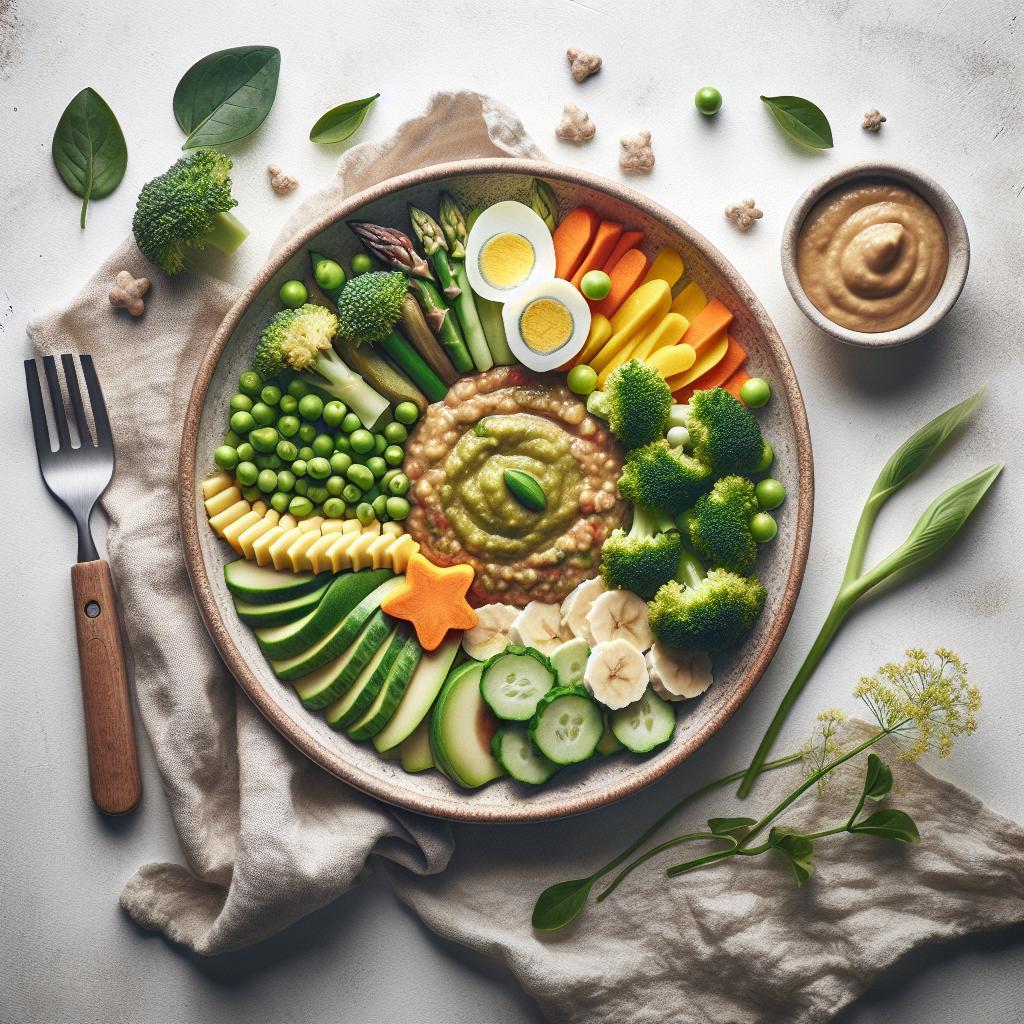

Introducing your baby to the world of solid foods is a magical milestone, filled with curious tastes, delightful textures, and blossoming independence. Among the many approaches to this exciting journey, traditional weaning-often known as the purees path-stands as a timeless, gentle introduction to those first bites. In this article, we’ll unravel the art and science behind traditional weaning, exploring how smooth, spoon-fed purees pave the way for your baby’s culinary adventure. Whether you’re a new parent or simply curious about the classic method, join us as we dive into the nourishing world of purees and discover how they lay a delicious foundation for healthy eating habits to come.
- Understanding the Basics of Traditional Weaning and Its Benefits
- Prep and Cook Time
- Yield
- Difficulty Level
- Selecting the Perfect Purees to Kickstart Your Baby’s Culinary Journey
- Ingredients
- Step by Step Guide to Preparing and Introducing Homemade Purees
- Expert Tips for Ensuring Safe and Nourishing First Bites
- Serving Suggestions
- Q&A
- Future Outlook
Understanding the Basics of Traditional Weaning and Its Benefits
Traditional Weaning Explained: The Purees Path to Baby’s First Bites invites caregivers to embark on a gentle, nourishing journey introducing solids through smooth, homemade purees. This time-honored method not only respects your baby’s developmental pace but also provides essential nutrients, shapes flavor preferences, and fosters a soothing mealtime routine. Rooted in centuries of culinary care, traditional weaning connects your little one to wholesome foods in their purest form-soft, vibrant, and bursting with natural goodness.
Prep and Cook Time
- Preparation: 10 minutes
- Cooking: 15-20 minutes
- Total Time: 25-30 minutes
Yield
Approximately 4 servings (about ½ cup each), adjustable based on baby’s appetite and age.
Difficulty Level
Easy – Ideal for first-time parents and caregivers, perfect for beginners in baby food preparation.
Selecting the Perfect Purees to Kickstart Your Baby’s Culinary Journey
Choosing ingredients is key for success. Start with single-ingredient purees made from fresh, organic produce to gauge your baby’s tolerance and preference. Classics like sweet potatoes, carrots, apples, and pears offer natural sweetness and gentle textures that delight tiny taste buds. Each puree acts like a blank canvas, introducing flavors while building trust in new foods.
Ingredients
- 1 large sweet potato, peeled and cubed
- 2 medium carrots, peeled and chopped
- 1 medium apple, peeled, cored, and chopped
- 1 medium pear, peeled, cored, and chopped
- 1 cup water or low-sodium vegetable broth
- Optional: 1 teaspoon unsalted butter or breast milk/formula for creaminess
Step by Step Guide to Preparing and Introducing Homemade Purees
- Steam the Vegetables and Fruits: Place the sweet potato, carrots, apple, and pear in a steamer basket over boiling water. Cover and steam for 15-20 minutes or until tender when pierced with a fork.
- Cool Slightly: Allow the steamed produce to cool just enough to handle safely, preserving both nutrients and flavor.
- Puree Smoothly: Transfer the steamed pieces into a blender or food processor. Add ½ cup of water or broth gradually, blending until silky smooth. Adjust liquid for the desired consistency. For a creamier and richer texture, blend in optional butter or breast milk.
- Test and Taste: Check the temperature before serving. Offer a spoonful to your baby and watch for cues of enjoyment or hesitation.
- Clean and Store: Refrigerate leftovers in airtight containers for up to 48 hours or freeze in ice cube trays for future use.
Expert Tips for Ensuring Safe and Nourishing First Bites
- Introduce one new food at a time: Wait 3-5 days before trying another flavor to monitor allergies.
- Use organic, seasonal ingredients: This ensures maximum freshness and nutrient density.
- Maintain smooth textures at first: Gradually increase thickness and texture complexity as your baby develops chewing skills.
- Keep mealtime calm and engaging: Smile and talk to your baby to create positive associations with eating.
- Create variety over time: Rotate purees and experiment with combinations after initial tolerance is established.
Serving Suggestions
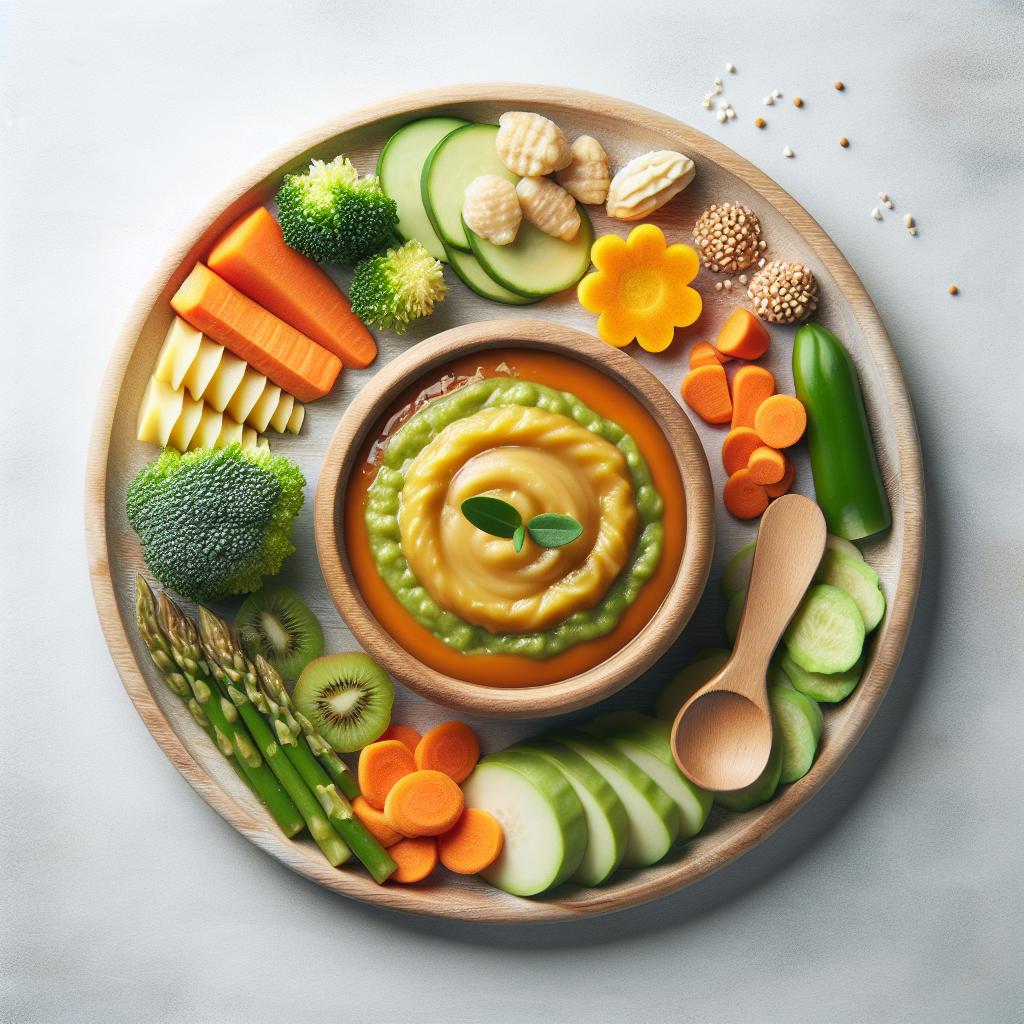
Purees shine best when presented simply but attractively. Spoon colorful mounds onto a small, brightly colored plate or into specialized baby bowls. Garnish lightly with a pinch of cinnamon or a swirl of natural yogurt for added visual and flavor appeal. Pair purees with small, soft finger foods as your baby grows to encourage exploration and self-feeding skills.
| Nutrient | Per ½ cup Serving |
|---|---|
| Calories | 45-60 kcal |
| Protein | 1-2 g |
| Carbohydrates | 10-14 g |
| Fat | 0.2-1 g |
To explore further food introduction techniques, visit our in-depth guide on Baby-Led Weaning. For health and safety advice on infant nutrition, the CDC Infant Nutrition Resources provide reliable, expert-backed information.

Q&A
Q&A: Traditional Weaning Explained: The Purees Path to Baby’s First Bites
Q1: What exactly is traditional weaning?
A1: Traditional weaning is the classic method of introducing solid foods to your baby, beginning with smooth purees and gradually moving to thicker textures and finger foods. It’s a gentle pathway, designed to help little tummies adjust to new flavors and consistencies one spoonful at a time.
Q2: Why do many parents choose the purees path for weaning?
A2: Purees offer an easy transition from milk to solids. Their smooth texture minimizes choking risks and allows babies to explore flavors safely. Plus, purees are versatile-you can blend fruits, vegetables, grains, and proteins into tiny bowls of nutritional goodness that suit your baby’s developing palate.
Q3: When is the right time to start traditional weaning with purees?
A3: Typically, around 6 months of age, babies are developmentally ready. They can sit up with support, show interest in food, and have diminished tongue-thrust reflexes that once pushed food out. But remember: every baby is unique, so watch for those subtle cues that say, “I’m ready to taste!”
Q4: What are some beginner puree foods to try?
A4: Start simple: steamed and blended carrots, sweet potatoes, peas, or ripe bananas. These gentle flavors and soft textures are perfect first bites. As your baby grows, you can experiment with combinations-like apple and cinnamon or lentils with mild spices-to add excitement and nutrition.
Q5: How can parents make puree meals fun and engaging?
A5: Turn mealtime into a mini adventure! Use colorful bowls, let your baby touch and smell the purees before tasting, and sing silly food songs. Remember, patience is key-babies might make a mess or spit out food as they learn, but those moments are part of the joyful journey.
Q6: Can traditional weaning with purees help identify food allergies?
A6: Absolutely! Introducing one new food at a time allows parents to monitor any reactions, such as rashes or tummy upsets. This slow, steady approach makes it easier to spot sensitivities and keep your baby safe.
Q7: When should parents move beyond purees?
A7: Gradually increasing texture-from smooth to lumpy purees, then mashed foods, and finally soft finger foods-usually happens between 7 to 10 months. This progression encourages chewing skills and helps develop those tiny muscles that foreshadow independent eating.
Q8: Is traditional weaning the only way to start solids?
A8: Not at all. While traditional purees are popular, there are other methods like baby-led weaning that emphasize self-feeding with whole foods. The best approach depends on your family’s style and your baby’s preferences. Traditional weaning, however, remains a beautifully simple and nurturing start for many.
Q9: What are the benefits of following the traditional weaning “purees path”?
A9: It’s a nurturing, controlled way to introduce solids-minimizing choking hazards, helping parents gauge allergies, and easing babies into new tastes with patience. This method builds a strong foundation for healthy eating habits and positive food experiences.
Q10: Any final tips for parents embarking on traditional weaning?
A10: Keep calm and carry a bib! Embrace the mess, trust your baby’s signals, and celebrate each tiny bite. Remember that weaning is not just about nutrition-it’s a bonding moment filled with discovery, joy, and the first steps towards a lifelong love of food.
Future Outlook
As your little one embarks on the journey from milk to meals, traditional weaning with purees offers a gentle and nurturing introduction to the vibrant world of tastes and textures. This time-honored approach not only ensures that your baby receives the nutrients they need but also creates a mindful and loving experience around food. By blending patience with creativity, parents can watch their babies savor each spoonful, laying a foundation for healthy eating habits that will grow alongside them. So, embrace the purees path-because every tiny bite is a big step toward a lifetime of discovery and delight.