
Za’atar, that aromatic blend of herbs, sesame seeds, and sumac, is more than just a spice; it’s a culinary journey to the heart of the Levant. But how can we harness its vibrant essence in a way that’s both remarkably simple and profoundly delicious for weeknight meals?
- The Magic of Za’atar: Understanding the Blend
- Essential Ingredients for Your Easy Za’atar Chicken
- The Proven Method: Crafting Your Za’atar Chicken
- Step 1: Prepare the Chicken
- Step 2: Mix the Za’atar Marinade
- Step 3: Coat the Chicken
- Step 4: Cook the Chicken
- Step 5: Rest and Serve
- Nutritional Insights: A Wholesome Choice
- Expert Pro-Tips for Za’atar Chicken Perfection
- Marination Matters
- Achieving the Perfect Sear
- Don’t Skip the Rest
- Beyond the Plate: Serving Suggestions
- Variations to Explore: Expanding Your Za’atar Horizons
- Conclusion: A Flavorful Staple for Every Table
- Frequently Asked Questions
Za’atar is a cornerstone of Middle Eastern cuisine, a fragrant tapestry woven from wild thyme, sesame seeds, sumac, and often a touch of salt. Its distinctive earthy, tangy, and nutty profile has captivated palates for centuries, making it a versatile ingredient that elevates everything from flatbreads to roasted meats. This article explores the art of creating an easy, yet utterly spectacular, Za’atar chicken recipe, uncovering its nuances, variations, and the sheer joy it brings to the table. We’ll reveal how to achieve that perfect balance of tender chicken and a crust of intensely flavored Za’atar, ensuring a meal that is both deeply satisfying and remarkably straightforward.
Za’atar chicken isn’t just a dish; it’s an accessible gateway to the rich culinary heritage of the Middle East, offering a burst of authentic flavor with minimal effort.
The beauty of Za’atar chicken lies in its inherent simplicity. It doesn’t require a pantry full of exotic ingredients or hours of marinating. Instead, it leverages the potent flavor of the Za’atar blend itself to transform humble chicken into something truly special. This recipe is designed for the busy home cook who craves authentic taste without the fuss, proving that gourmet flavors can indeed be achieved with ease.
The Magic of Za’atar: Understanding the Blend
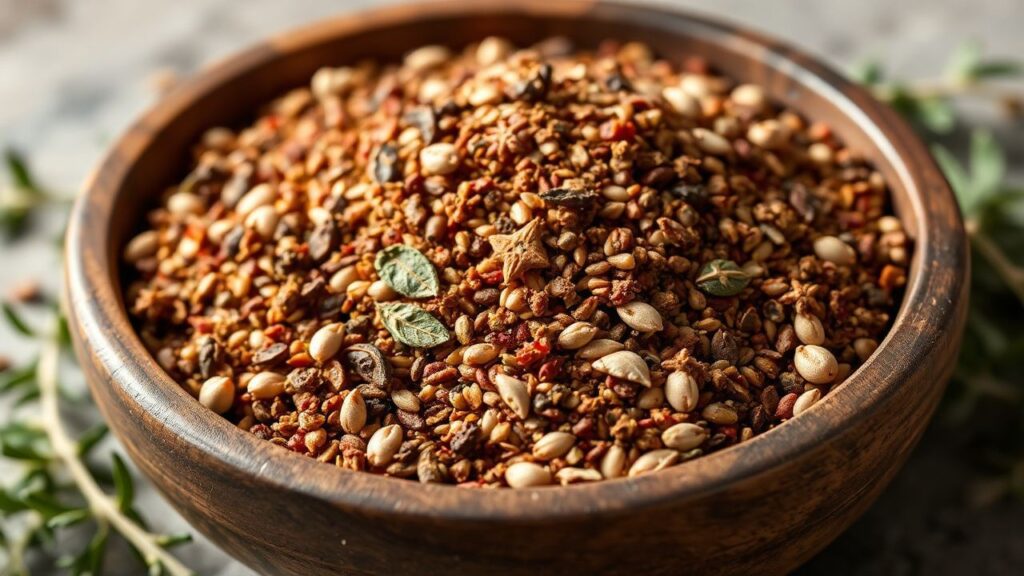
Before we embark on our culinary adventure, it’s crucial to understand the star ingredient: Za’atar. While often presented as a single spice, it’s actually a complex blend, and its exact composition can vary regionally and even from family to family. The core components, however, remain consistent:
- Thyme (or Oregano): This provides the earthy, herbaceous backbone of the blend. In many Levantine recipes, the specific variety of thyme used is *Origanum syriacum*, often referred to as Syrian oregano or Bible hyssop, which has a more robust and slightly peppery flavor than common garden thyme.
- Sesame Seeds: Toasted sesame seeds lend a nutty depth and a delightful crunch. The toasting process is critical; it unlocks their full aroma and flavor potential.
- Sumac: This crimson spice, derived from dried berries, imparts a distinctive tangy, lemony note. It’s the sumac that gives Za’atar its characteristic bright, zesty finish, cutting through the richness of the chicken.
- Salt: A touch of salt enhances all the other flavors and helps to draw out moisture from the chicken, leading to a better sear.
The interplay of these elements is what makes Za’atar so captivating. It’s a symphony of savory, nutty, tangy, and herbaceous notes that dance on the palate. The specific ratio of these ingredients dictates the final flavor profile. Some blends are more herbaceous, others tangier, and some richer with sesame. Understanding this variability can help you select the perfect Za’atar for your chicken.
Regional Variations and Authenticity
The “authentic” Za’atar can be a point of passionate discussion. In Lebanon, the blend is often dominated by wild thyme, while in Palestine, it might feature a higher proportion of sumac for extra tang. Turkish versions might include other herbs like marjoram, and some modern interpretations even incorporate chili flakes for a hint of heat. For this recipe, a good quality, readily available Za’atar blend will suffice, but exploring artisanal blends can offer a deeper understanding of its regional nuances.
Essential Ingredients for Your Easy Za’atar Chicken
The beauty of this recipe is its minimalist approach to ingredients. We’re focusing on quality and simplicity to let the Za’atar shine.
- Chicken: Approximately 1.5 to 2 pounds (680-900g) of boneless, skinless chicken thighs or breasts. Thighs are generally more forgiving and stay moister, but breasts work beautifully if preferred.
- Za’atar Blend: 3 to 4 tablespoons of high-quality Za’atar. Adjust this amount based on your preference for intensity and the specific blend you are using.
- Olive Oil: 2 to 3 tablespoons of extra virgin olive oil. A good quality olive oil is crucial for both flavor and achieving a beautiful sear.
- Lemon Juice: The juice of half a lemon. This brightens the flavors and complements the tang of the sumac in the Za’atar.
- Garlic: 2 cloves, minced. Fresh garlic adds an indispensable aromatic depth.
- Salt: ½ teaspoon, or to taste.
- Black Pepper: ¼ teaspoon, freshly ground, or to taste.
Optional Enhancements
While the core recipe is incredibly satisfying on its own, these additions can elevate your Za’atar chicken:
- Red Pepper Flakes: A pinch (¼ teaspoon) for a subtle warmth.
- Yogurt or Tahini Drizzle: For serving, a dollop of plain yogurt or a drizzle of tahini sauce adds creaminess and another layer of flavor.
- Fresh Parsley or Cilantro: Chopped fresh herbs for garnish introduce a burst of freshness.
The Proven Method: Crafting Your Za’atar Chicken
This preparation method is designed for maximum flavor impact with minimal kitchen time. It focuses on creating a flavorful crust and ensuring the chicken is cooked to tender perfection.
Step 1: Prepare the Chicken
Pat the chicken pieces thoroughly dry with paper towels. This is a critical step for achieving a good sear and a crispy exterior. If using chicken breasts, you might want to pound them slightly to an even thickness (about ¾ inch) to ensure uniform cooking.
Step 2: Mix the Za’atar Marinade
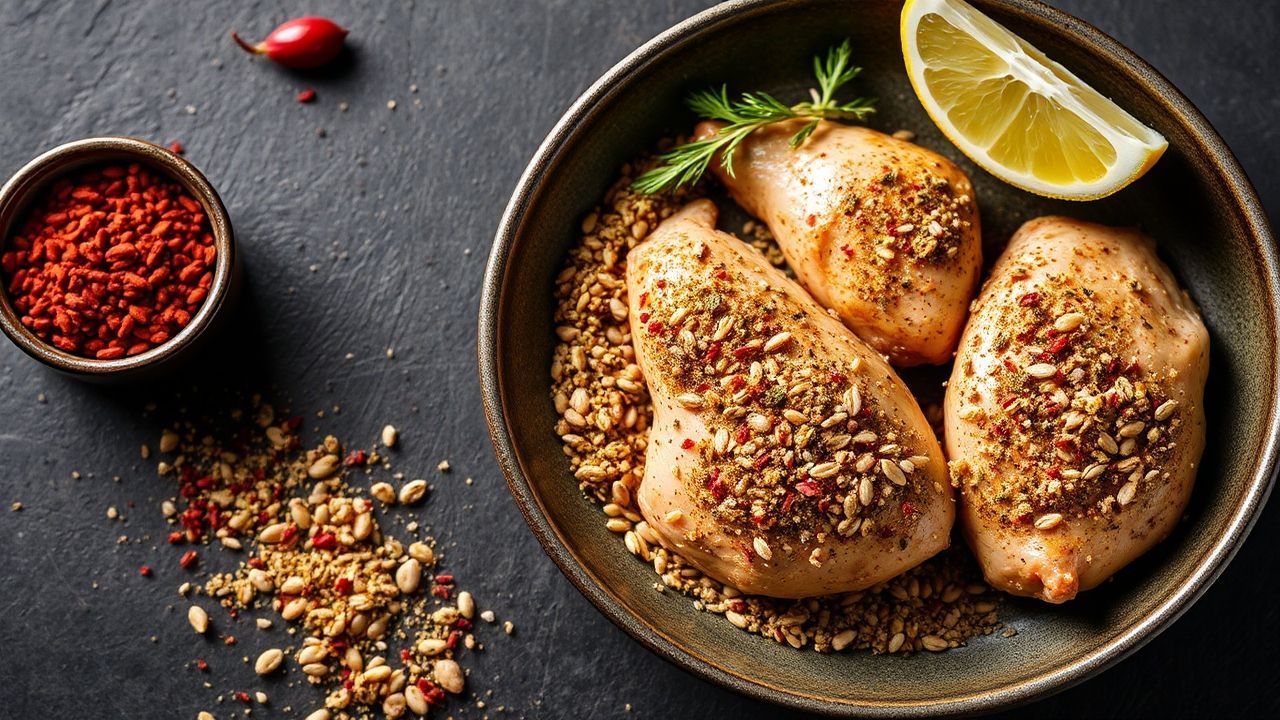
In a medium bowl, whisk together the Za’atar blend, olive oil, lemon juice, minced garlic, salt, and black pepper. If using optional red pepper flakes, add them now.
The synergy between the citrusy sumac and herbaceous thyme in Za’atar is what gives this blend its unparalleled ability to both tenderize and flavor proteins.
Step 3: Coat the Chicken
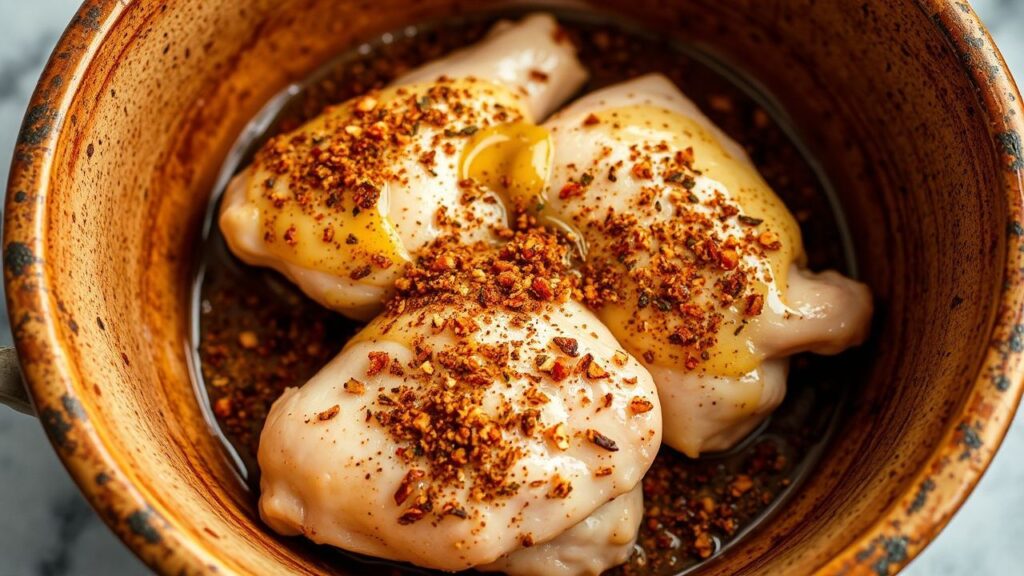
Add the dried chicken pieces to the bowl with the Za’atar mixture. Use your hands or tongs to ensure each piece is thoroughly coated, pressing the spice blend onto the surface. Allow the chicken to marinate for at least 15-20 minutes at room temperature, or for up to 2 hours in the refrigerator. For an even deeper flavor, you can marinate it overnight.
Step 4: Cook the Chicken
- Pan-Searing (Recommended for Crispiest Results): Heat 1 tablespoon of olive oil in a large skillet over medium-high heat. Once the oil is shimmering, carefully place the marinated chicken pieces in the skillet, ensuring not to overcrowd the pan. Cook in batches if necessary. Sear for 4-6 minutes per side for thighs, or 5-7 minutes per side for breasts, until golden brown and cooked through. The internal temperature should reach 165°F (74°C).
- Baking: Preheat your oven to 400°F (200°C). Place the marinated chicken on a baking sheet lined with parchment paper. Bake for 20-25 minutes for thighs, or 18-22 minutes for breasts, or until cooked through and the juices run clear. You can broil for the last 1-2 minutes to enhance browning.
Step 5: Rest and Serve
Once cooked, remove the chicken from the skillet or oven and let it rest on a cutting board for 5-10 minutes. This allows the juices to redistribute, ensuring a moist and tender final product. Slice the chicken and serve immediately.
Nutritional Insights: A Wholesome Choice
Za’atar chicken, when prepared with olive oil and lean chicken, offers a nutritious and flavorful meal. While exact nutritional values can vary based on the specific ingredients and portion sizes, a typical serving (based on 4 servings from 1.5 lbs chicken) would provide approximately 250-350 kcal, 25-35g protein, 15-25g fat, and 5-10g carbohydrates. It’s also a good source of fiber, Vitamin A, Vitamin C, iron, and calcium.
The herbs in Za’atar, particularly thyme, have been traditionally associated with various health benefits. Research published in the *Journal of Agricultural and Food Chemistry* has highlighted the antioxidant and antimicrobial properties of compounds found in thyme and oregano, suggesting that culinary use of these herbs can contribute to overall well-being.
Focus on Healthy Fats
The use of extra virgin olive oil is a significant contributor to the health profile of this dish. Olive oil is a cornerstone of the Mediterranean diet, rich in monounsaturated fats and polyphenols, which have been linked to a reduced risk of heart disease. Studies, such as those published by the *European Journal of Nutrition*, consistently demonstrate the cardiovascular benefits associated with regular olive oil consumption.
Expert Pro-Tips for Za’atar Chicken Perfection
Achieving restaurant-quality Za’atar chicken at home is within reach with these expert insights.
Marination Matters
While this recipe allows for a shorter marination period, longer marination (even overnight) will infuse the chicken with deeper flavor. If you’re short on time, ensure you really press the Za’atar mixture into the chicken to maximize surface contact.
Achieving the Perfect Sear
The key to a beautiful, flavorful crust is a hot pan and dry chicken. Don’t overcrowd the skillet; cook in batches if necessary. Overcrowding will steam the chicken rather than sear it, resulting in a pale, unappealing exterior.
Don’t Skip the Rest
This is a non-negotiable step for tender, juicy chicken. Resting allows the muscle fibers to relax and reabsorb the juices, preventing them from running out when you slice into the meat.
Beyond the Plate: Serving Suggestions
Za’atar chicken is incredibly versatile. It pairs wonderfully with:
- Tabbouleh or Fattoush: Fresh, vibrant salads that offer a cooling counterpoint to the rich chicken.
- Hummus and Pita Bread: Classic accompaniments that create a delightful mezze experience.
- Roasted Vegetables: Root vegetables like carrots, potatoes, or sweet potatoes, or Mediterranean staples like zucchini and bell peppers.
- Simple Rice Pilaf: A comforting base to soak up any delicious pan juices.
Variations to Explore: Expanding Your Za’atar Horizons
Once you’ve mastered the basic Za’atar chicken, don’t hesitate to experiment.
Za’atar Chicken Skewers
Cut chicken into bite-sized cubes, marinate as directed, and thread onto skewers. Grill or broil until cooked through and slightly charred. These are perfect for appetizers or light meals.
Za’atar Chicken Salad
Shred or dice cooked Za’atar chicken and mix with Greek yogurt or mayonnaise, chopped celery, red onion, and a squeeze of lemon juice. Serve on lettuce cups or in sandwiches.
Za’atar Chicken Pasta Bake
Toss cooked pasta with shredded Za’atar chicken, a creamy sauce (like béchamel or a tomato-based sauce), and top with cheese before baking until bubbly and golden.
Conclusion: A Flavorful Staple for Every Table
This easy Za’atar chicken recipe is more than just a meal; it’s an invitation to explore a world of flavor with minimal effort. Its simplicity belies its profound deliciousness, making it a perfect candidate for busy weeknights and relaxed weekend gatherings alike. The harmonious blend of herbs, sesame, and sumac creates a unique taste profile that is both comforting and exciting. By understanding the nuances of Za’atar and following these straightforward steps, you can effortlessly bring a taste of the Levant into your own kitchen, creating a dish that is sure to become a beloved staple.
Frequently Asked Questions
What is the best type of chicken to use for Za’atar chicken?
Boneless, skinless chicken thighs are generally recommended for their tenderness and ability to stay moist during cooking. However, chicken breasts also work well, especially if pounded to an even thickness to ensure uniform cooking.
How long should I marinate the chicken?
For optimal flavor, marinate for at least 15-20 minutes at room temperature. For a more intense taste, you can marinate for up to 2 hours in the refrigerator, or even overnight for the deepest infusion of flavor.
Can I make Za’atar chicken ahead of time?
Yes, you can marinate the chicken ahead of time. Cooked Za’atar chicken can also be stored in the refrigerator for up to 3-4 days and reheated gently. It’s also excellent served cold in salads.
What makes Za’atar taste unique?
The unique flavor of Za’atar comes from its signature blend of ingredients: earthy thyme, nutty toasted sesame seeds, and tangy sumac. This combination creates a complex profile that is herbaceous, savory, slightly sour, and subtly sweet.
Where can I buy good quality Za’atar?
High-quality Za’atar can be found at Middle Eastern grocery stores, specialty spice shops, and increasingly, in the international aisle of larger supermarkets. Artisanal blends often offer superior freshness and more nuanced flavors.
See also: Za’atar