
“The art of cooking is a journey, not a destination, and every dish tells a story of heritage, culture, and love.” – Chef Yotam Ottolenghi
- The Enduring Allure of Lentil Rice: A Culinary Staple
- Mastering the Art: Essential Ingredients for Authentic Lentil Rice
- The Alchemy of Preparation: Step-by-Step to Lentil Rice Perfection
- Step 1: Preparing the Crispy Onions (The Crown Jewels)
- Step 2: Cooking the Lentils
- Step 3: Cooking the Rice and Assembling the Dish
- Step 4: Serving the Masterpiece
- Nutritional Snapshot: The Wholesome Power of Lentil Rice
- Elevating Your Lentil Rice: Expert Pro-Tips for Restaurant-Quality Flavor
- Conclusion: A Dish of Comfort, Culture, and Culinary Wisdom
- Frequently Asked Questions
Lentil rice, a humble yet profoundly satisfying dish, stands as proof of the enduring culinary wisdom of the Middle East. Far more than just a simple mixture of grains and legumes, it embodies centuries of resourcefulness, flavor alchemy, and communal dining. In kitchens across the Levant and beyond, this dish, known by various names like Mujaddara, is a staple, a comfort food that evokes warmth, nostalgia, and the sheer pleasure of deeply savory, wholesome ingredients. Understanding the nuances of preparing this dish unlocks a gateway to a rich culinary tradition, where simplicity yields extraordinary results.
The true magic of lentil rice lies not in complex techniques, but in the patient coaxing of inherent flavors from staple ingredients, transforming them into something truly sublime.
This dish is a cornerstone in many diets, particularly in regions where legumes and grains are readily available and form the backbone of sustenance. Research published by the Food and Agriculture Organization of the United Nations (FAO) consistently highlights the importance of pulses, like lentils, as vital sources of protein and micronutrients in global food security, especially in the Middle East and North Africa (MENA) region. The combination with rice, a primary carbohydrate, creates a nutritionally complete meal that has sustained populations for generations. Its preparation is often a communal affair, passed down through families, with each household adding its subtle variations.
The Enduring Allure of Lentil Rice: A Culinary Staple
The allure of lentil rice lies in its remarkable ability to be both profoundly simple and astonishingly complex in flavor. It’s a dish that whispers tales of ancient trade routes, where ingredients like lentils, rice, and onions were staples, easily stored and prepared. Its widespread popularity is proof of its adaptability and inherent deliciousness.
A Symphony of Textures and Flavors
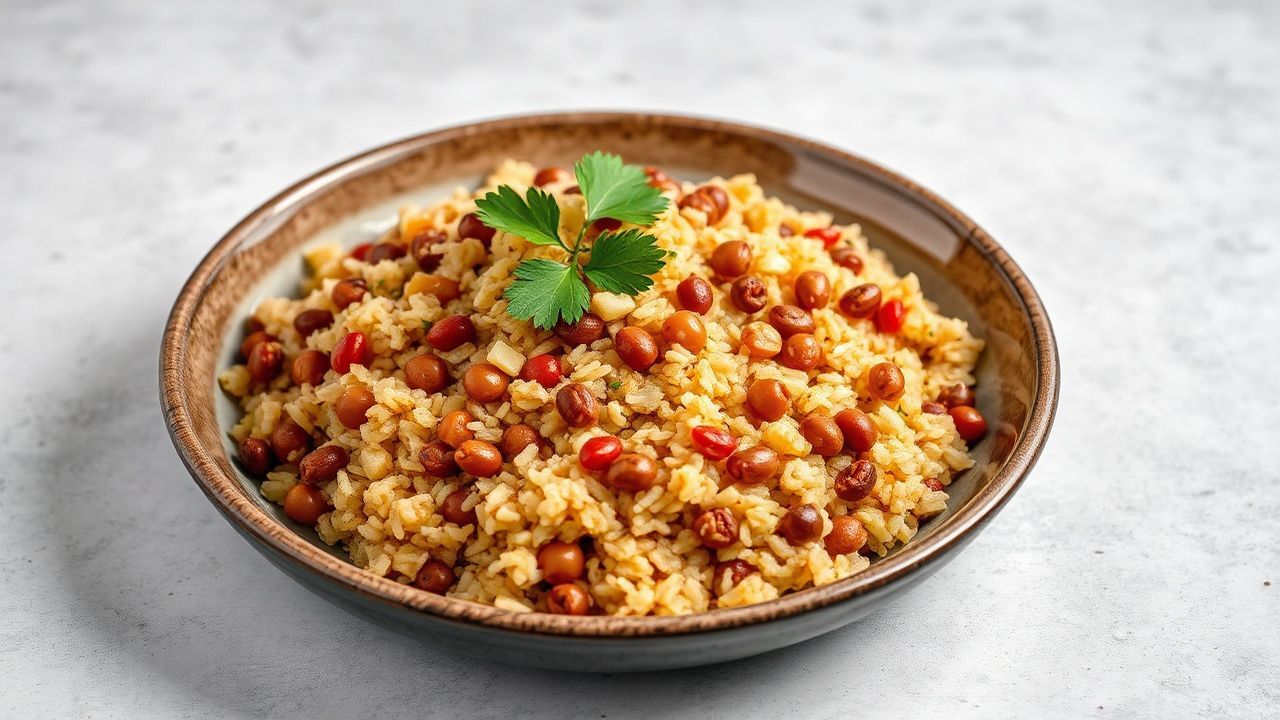
At its heart, lentil rice is a harmonious blend of soft, tender lentils and fluffy rice, often punctuated by the sweet, caramelized crunch of fried onions. The earthy notes of the lentils provide a robust foundation, while the rice adds a delicate, yielding texture. The real star, however, is often the generous topping of deeply browned, almost candied onions, which infuse the entire dish with a sweet, savory, and slightly pungent aroma that is utterly captivating. This interplay of textures – the yielding grains, the tender legumes, and the crispy onion topping – elevates lentil rice from mere sustenance to a culinary delight.
Cultural Significance and Regional Variations
Across the Middle East, variations of lentil rice abound, each reflecting local culinary traditions and ingredient availability. In Lebanon and Jordan, it’s often known as *Mujaddara*, frequently served with a side of plain yogurt and a fresh salad. In Syria, it might be called *Mjadara Hamra*, utilizing red lentils and sometimes incorporating tomatoes. In Egypt, *Koshari*, while a more elaborate layered dish, shares the fundamental lentil and rice base, demonstrating the dish’s widespread influence. These variations, while distinct, all share a common thread: the celebration of simple, wholesome ingredients transformed through skillful preparation. The act of preparing and sharing lentil rice is deeply embedded in the social fabric, often served at family gatherings, informal meals, and even as a comforting dish during times of reflection.
Mastering the Art: Essential Ingredients for Authentic Lentil Rice
The beauty of lentil rice lies in its accessible ingredients. However, the quality and preparation of these staples are paramount to achieving that authentic, deeply satisfying flavor profile.
The Core Components: Lentils and Rice
- Lentils: The choice of lentil is crucial. Traditional recipes often call for brown or green lentils. These varieties hold their shape well during cooking, preventing the dish from becoming mushy. They offer a satisfying, slightly firm texture and a robust, earthy flavor. Avoid red lentils for the classic *Mujaddara* style, as they tend to disintegrate, creating a softer porridge-like consistency.
- Rice: Medium-grain rice is generally preferred. Varieties like Calrose or Egyptian rice absorb flavors beautifully and cook to a tender, fluffy consistency without becoming overly sticky. Long-grain rice can also be used, but it may require slight adjustments to the cooking liquid to ensure optimal texture. Basmati rice, while aromatic, might be too distinct in flavor for some traditional renditions, though it can be a delicious variation.
- Onions: This is where the magic truly happens. Yellow or white onions are ideal for caramelizing. The key is to slice them thinly and fry them slowly until deeply golden brown and crispy. This process transforms the pungent raw onion into sweet, savory, and aromatic jewels.
Aromatic Foundations and Enhancements
- Olive Oil: A generous amount of good quality extra virgin olive oil is essential. It’s used both for frying the onions and for cooking the rice and lentils, imparting a rich, fruity undertone.
- Spices: While some recipes are minimalist, the addition of warm spices elevates the dish significantly. Cumin is almost always present, lending its distinctive earthy, slightly peppery notes. Coriander adds a subtle citrusy warmth. A pinch of allspice or cinnamon can add a layer of complexity, particularly during the onion caramelization. Salt and freshly ground black pepper are, of course, fundamental.
- Liquid: Water or vegetable broth is used to cook the lentils and rice. Using a good quality vegetable broth can deepen the flavor profile considerably.
The Alchemy of Preparation: Step-by-Step to Lentil Rice Perfection
Achieving the perfect lentil rice is a process that rewards patience and attention to detail. It’s about building layers of flavor and achieving the ideal texture.
Step 1: Preparing the Crispy Onions (The Crown Jewels)
This is arguably the most critical step and requires patience.
1. Peel and thinly slice 2-3 large yellow or white onions. A mandoline slicer is ideal for achieving uniform thinness. 2. In a large, heavy-bottomed skillet or pot, heat a generous amount of olive oil (enough to generously coat the bottom, about ½ cup or more). The oil should be medium-hot, not smoking. 3. Add the sliced onions and stir to coat them in oil. 4. Cook the onions over medium-low heat, stirring frequently. This is a slow process, and the goal is to coax out their sugars and caramelize them deeply. This can take anywhere from 20 to 45 minutes, depending on the heat and the onions. 5. As they begin to brown, they will soften and release moisture. Continue stirring, ensuring they don’t burn. They should turn a deep, rich golden-brown, almost mahogany color. 6.
Once deeply caramelized and crispy, use a slotted spoon to remove the onions from the oil and place them on a plate lined with paper towels to drain. Reserve the flavorful onion-infused oil.
Step 2: Cooking the Lentils
1. Rinse 1 cup (approximately 200g) of brown or green lentils thoroughly under cold water.
2. In a medium saucepan, combine the rinsed lentils with 3 cups (700ml) of water or vegetable broth.
3. Bring to a boil, then reduce the heat to a simmer, cover, and cook for about 15-20 minutes, or until the lentils are tender but still hold their shape. They should not be mushy.
4. Drain any excess liquid from the lentils and set them aside.
Step 3: Cooking the Rice and Assembling the Dish
1. In the same pot used for the lentils (or a clean one), add about 2 tablespoons of the reserved onion-infused olive oil. 2. Add 1 ½ cups (approximately 300g) of medium-grain rice. Rinse the rice under cold water until the water runs clear, then drain well. 3. Add the rinsed rice to the pot and sauté for 1-2 minutes, stirring constantly, until the grains are lightly toasted and coated in oil. This step helps to create fluffy, separate grains. 4. Add the cooked lentils to the pot with the rice. 5. Pour in 2 ½ cups (600ml) of hot water or vegetable broth. Add ½ teaspoon of ground cumin, ¼ teaspoon of ground coriander, and salt and pepper to taste. 6.
Bring the mixture to a boil, then immediately reduce the heat to the lowest setting, cover tightly, and simmer for 15-20 minutes, or until the liquid is absorbed and the rice is tender. 7. Once cooked, let the lentil rice stand, covered, off the heat for 10 minutes. This allows the steam to distribute evenly, ensuring fluffy rice. 8. Gently fluff the lentil rice with a fork.
Step 4: Serving the Masterpiece
1. Transfer the fluffed lentil rice to a serving platter.
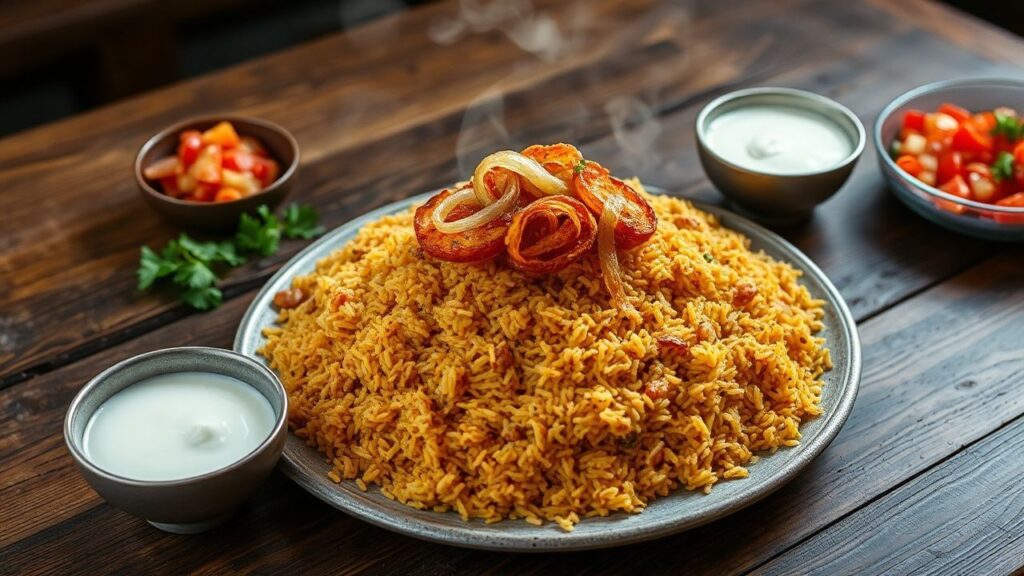
2. Generously scatter the crispy fried onions over the top.
3. Serve hot, traditionally accompanied by a dollop of plain yogurt and a simple salad of chopped tomatoes, cucumbers, and parsley dressed with lemon juice and olive oil.
Nutritional Snapshot: The Wholesome Power of Lentil Rice
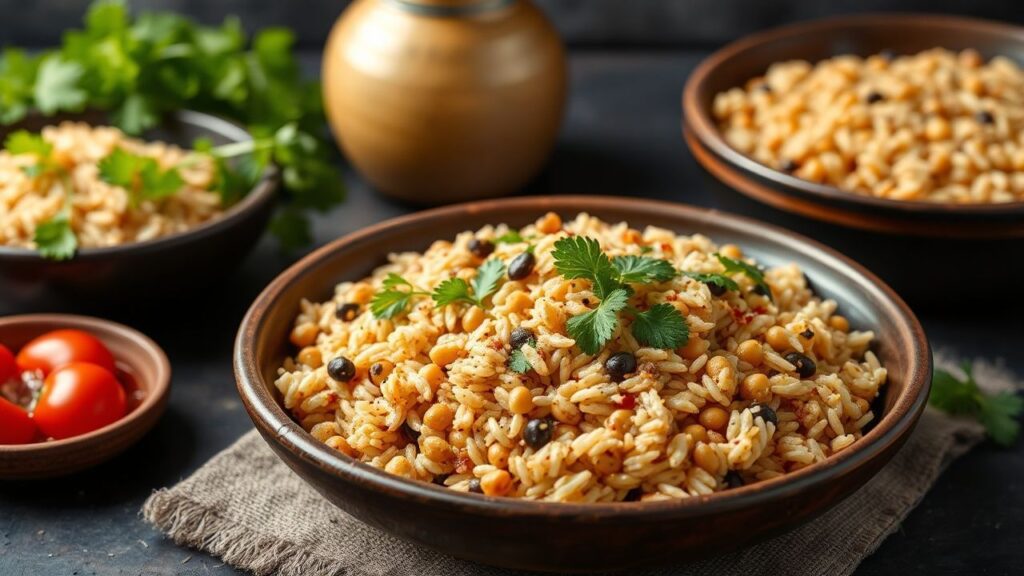
Lentil rice is a nutritional powerhouse, offering a balanced profile of macronutrients and essential micronutrients. Its combination of complex carbohydrates, plant-based protein, and fiber makes it a truly satisfying and healthy meal.
Approximate Nutritional Information Per Serving (assuming 4 servings):
- Calories: 450-550 kcal
- Protein: 18-22g
- Carbohydrates: 70-85g
- Fiber: 12-15g
- Fat: 10-15g (primarily from olive oil and onions)
- Vitamins and Minerals: Rich in iron, folate, magnesium, potassium, and B vitamins.
The fiber content is particularly noteworthy. According to the Harvard T.H. Chan School of Public Health, dietary fiber plays a critical role in digestive health, can help regulate blood sugar levels, and contributes to a feeling of fullness, aiding in weight management. The iron content is also significant, especially for those relying on plant-based diets, and its absorption can be enhanced by the vitamin C found in the accompanying salad.
Elevating Your Lentil Rice: Expert Pro-Tips for Restaurant-Quality Flavor
While the basic recipe is straightforward, a few expert touches can transform your lentil rice into an unforgettable culinary experience.
- The Onion’s Secret: Don’t rush the onion caramelization. The deep, dark color indicates intense flavor development. If they brown too quickly, lower the heat. For extra depth, a tiny pinch of sugar can be added during the last stages of caramelization to encourage browning, but this is optional.
- Rice Rinsing is Non-Negotiable: Thoroughly rinsing your rice until the water runs clear removes excess starch, which is essential for achieving fluffy, separate grains rather than a clumpy, sticky mass.
- Infuse the Cooking Liquid: For an even more aromatic dish, consider simmering your lentils and rice in a flavorful vegetable or chicken broth instead of plain water. You can also add a bay leaf or a few whole cardamom pods to the cooking liquid for a subtle perfume.
- The Power of Resting: Letting the cooked lentil rice rest, covered, off the heat for at least 10 minutes is a vital step. It allows the moisture to redistribute evenly, ensuring every grain is perfectly cooked and tender.
- Spice Balance: While cumin is the star, a small amount of ground coriander adds a lovely citrusy warmth that complements the earthiness of the lentils. Don’t overdo it; it should be a subtle background note.
Conclusion: A Dish of Comfort, Culture, and Culinary Wisdom
Lentil rice is more than just a recipe; it’s an invitation to connect with a rich culinary heritage. It’s a dish that proves that the most profound flavors often arise from the simplest ingredients, prepared with care and intention. Whether you’re seeking a nourishing weeknight meal or a comforting dish to share with loved ones, mastering lentil rice is a rewarding endeavor. Its adaptability, nutritional value, and deeply satisfying taste ensure its place as a beloved classic for generations to come.
Frequently Asked Questions
H3: What are the best types of lentils for lentil rice?
For the classic Middle Eastern lentil rice (Mujaddara), brown or green lentils are the preferred choice. These varieties maintain their shape well during cooking, providing a pleasant texture. Red lentils tend to break down and can make the dish overly mushy. The firmer texture of brown and green lentils is essential for the signature mouthfeel of this dish.
H3: Can I make lentil rice ahead of time?
Yes, lentil rice can be made ahead of time. It can be stored in an airtight container in the refrigerator for up to 3-4 days. Reheat gently on the stovetop with a splash of water or broth, or in the microwave. The crispy onions are best added just before serving to maintain their crunch, as they can become soft when stored with the rice and lentils.
H3: What can I serve with lentil rice?
Lentil rice is traditionally served with a side of plain yogurt, which provides a cooling contrast to the warm, savory flavors. A fresh salad, such as a chopped tomato, cucumber, and parsley salad dressed with lemon juice and olive oil, is also a classic accompaniment. Pickled vegetables, like turnips or cucumbers, can also add a delightful tang.
H3: Why are my fried onions not crispy?
There are a few common reasons for this. Ensure the onions are sliced very thinly and uniformly. Overcrowding the pan will cause them to steam rather than fry, preventing crispiness. Crucially, they need to be cooked slowly over medium-low heat to allow moisture to evaporate and sugars to caramelize. If the heat is too high, they will burn before they crisp. Always drain them thoroughly on paper towels after frying.
H3: Can I use different types of rice for lentil rice?
While medium-grain rice is ideal for its texture and absorption properties, you can use other types. Long-grain rice, like basmati, can be used, but you may need to adjust the liquid ratio slightly. Ensure the rice is rinsed well regardless of the type used. Some recipes might even incorporate a small amount of orzo pasta for a textural variation, though this is less traditional for Mujaddara itself.
See also: Lentil rice