
- Kofta: 7 Essential Secrets for an Amazing Culinary Experience
- Mastering the Art of Beef Kofta
- Cooking Methods: Unleashing the Flavor
- 7 Essential Secrets for Exceptional Kofta
- Nutritional Profile and Considerations
- Estimated Nutritional Information per Serving (approx. 4 oz / 113g cooked kofta):
- ⚠️ Pro-Caution: Dietary Mindfulness
- Variations and Creative Adaptations
- Frequently Asked Questions about Beef Kofta
Kofta: 7 Essential Secrets for an Amazing Culinary Experience
Kofta, a name that conjures images of sizzling skewers and aromatic kitchens across the Middle East and beyond, is far more than just seasoned meat. It’s a culinary cornerstone, proof of the region’s rich gastronomic heritage, and a dish that can range from humble home cooking to sophisticated restaurant fare with a few key adjustments. My own journey with kofta began in a bustling souk, the air thick with the scent of grilled lamb and exotic spices, a memory that cemented its place as an absolute favorite. This article aims to demystify the art of making truly exceptional kofta, drawing on years of experience and deep dives into culinary traditions to bring you a recipe that is both authentic and accessible.
The true magic of kofta lies not just in its ingredients, but in the mindful integration of each element, transforming simple ground meat into a symphony of flavor and texture.
Kofta’s ubiquity across diverse cultures speaks volumes about its inherent adaptability and universal appeal. From the spiced lamb kofta of the Levant to the richer, beef-centric versions found in parts of the Arabian Peninsula, the core concept remains: ground meat, expertly seasoned and shaped. This versatility allows it to be grilled, baked, pan-fried, or even simmered in rich sauces. Its popularity is also rooted in its nutritional value. Ground meat, particularly lean beef or lamb, is a significant source of protein, iron, and B vitamins. A study published in the Journal of Nutrition highlighted the crucial role of heme iron, abundant in red meat, for preventing iron-deficiency anemia, a condition affecting millions globally.
Beyond its nutritional benefits, kofta represents a cultural bridge. Sharing a plate of well-made kofta is often an act of hospitality and connection, a tradition deeply embedded in Middle Eastern social customs. The ability to customize kofta to individual or regional tastes makes it an endlessly fascinating subject for both home cooks and professional chefs.
The origins of kofta are as layered as its flavor profile. While the exact genesis is debated, the practice of grinding and seasoning meat for easier cooking and enhanced flavor likely emerged in ancient Persia, with the word “kofta” itself deriving from the Persian verb “kōftan,” meaning “to pound.” Over centuries, as trade routes expanded and culinary ideas intermingled, kofta traveled across continents, evolving with local ingredients and preferences. In many parts of the Middle East, kofta is not just food; it’s a ritual, a centerpiece of family gatherings and celebrations. Its presence at festive occasions underscores its importance as a dish that brings people together.
Mastering the Art of Beef Kofta
Achieving a truly magnificent kofta starts with selecting the right ingredients. This isn’t merely about throwing spices into a bowl; it’s about understanding how each component contributes to the final texture and taste. For a classic, robust beef kofta, the foundation is critical.
Classic Beef Kofta Recipe
Yields: Approximately 12-16 kofta (4-6 servings)
Prep time: 20 minutes
Cook time: 15-25 minutes
Ingredients:
- Ground Beef: 1.5 lbs (approximately 680g). Opt for a cut with a good fat ratio, ideally 80/20 lean-to-fat. The fat is crucial for moisture and flavor. Chuck roast or brisket are excellent choices. Avoid overly lean ground beef, as it can result in dry kofta.
- Onion: 1 medium, finely grated or minced. Grating the onion releases its juices and distributes flavor more evenly than chopping. Squeeze out any excess liquid to prevent sogginess.
- Fresh Parsley: 1/2 cup, finely chopped. This adds a burst of freshness and a vibrant green hue.
- Fresh Mint: 1/4 cup, finely chopped (optional, but highly recommended for a classic touch). Mint complements the richness of the beef beautifully.
- Garlic: 2-3 cloves, minced. Use fresh garlic for the most potent flavor.
- Breadcrumbs: 1/2 cup (plain or panko). This acts as a binder, helping the kofta hold their shape. If using stale bread, pulse it in a food processor to create fresh breadcrumbs.
- Egg: 1 large, lightly beaten. Another essential binder that contributes to the kofta’s structure.
- Spices:
- 1 teaspoon ground cumin
- 1 teaspoon ground coriander
- 1/2 teaspoon smoked paprika (for depth and a hint of smokiness)
- 1/4 teaspoon ground cinnamon (a subtle warmth that elevates the savory notes)
- Pinch of cayenne pepper (optional, for a touch of heat)
- Salt: 1.5 teaspoons, or to taste.
- Black Pepper: 1/2 teaspoon, freshly ground.
Serving Suggestions:
- Tahini sauce
- Pita bread or flatbread
- Fresh salad (e.g., tomatoes, cucumbers, red onion)
- Grilled vegetables (e.g., bell peppers, zucchini)
The Process: From Mixture to Masterpiece
The process of making kofta is a tactile experience, one that requires a gentle but firm hand. It’s about coaxing the ingredients to meld, not forcing them.
- Begin by finely grating the onion using a box grater. Place the grated onion in a fine-mesh sieve and press down gently to remove as much excess liquid as possible. This step is critical for achieving a cohesive mixture that won’t fall apart during cooking. Finely mince the garlic and chop the fresh parsley and mint.
- In a large mixing bowl, combine the ground beef, grated onion, chopped parsley, mint (if using), minced garlic, breadcrumbs, and the lightly beaten egg. Add all the dry spices: cumin, coriander, smoked paprika, cinnamon, cayenne pepper (if using), salt, and black pepper.
- This is where technique truly matters. Using your hands, gently mix all the ingredients until they are just combined. Avoid overworking the meat, as this can toughen the kofta. The goal is to distribute the seasonings and binders evenly without developing the meat’s proteins too much. You should be able to handle the mixture without it sticking excessively to your hands. If it feels too wet, add another tablespoon of breadcrumbs. If it seems too dry, a tablespoon of water or olive oil can help.
Shaping Your Kofta:
There are several traditional ways to shape kofta. The most common are:
- Skewers: Take about 1/4 cup of the mixture and firmly press it around a metal or soaked wooden skewer, shaping it into an elongated oval or cylinder, about 4-5 inches long. Ensure the meat is packed evenly to prevent it from breaking.
- Freestyle Patties: Form the mixture into small, flattened patties, about 1 inch thick. These are excellent for pan-frying.
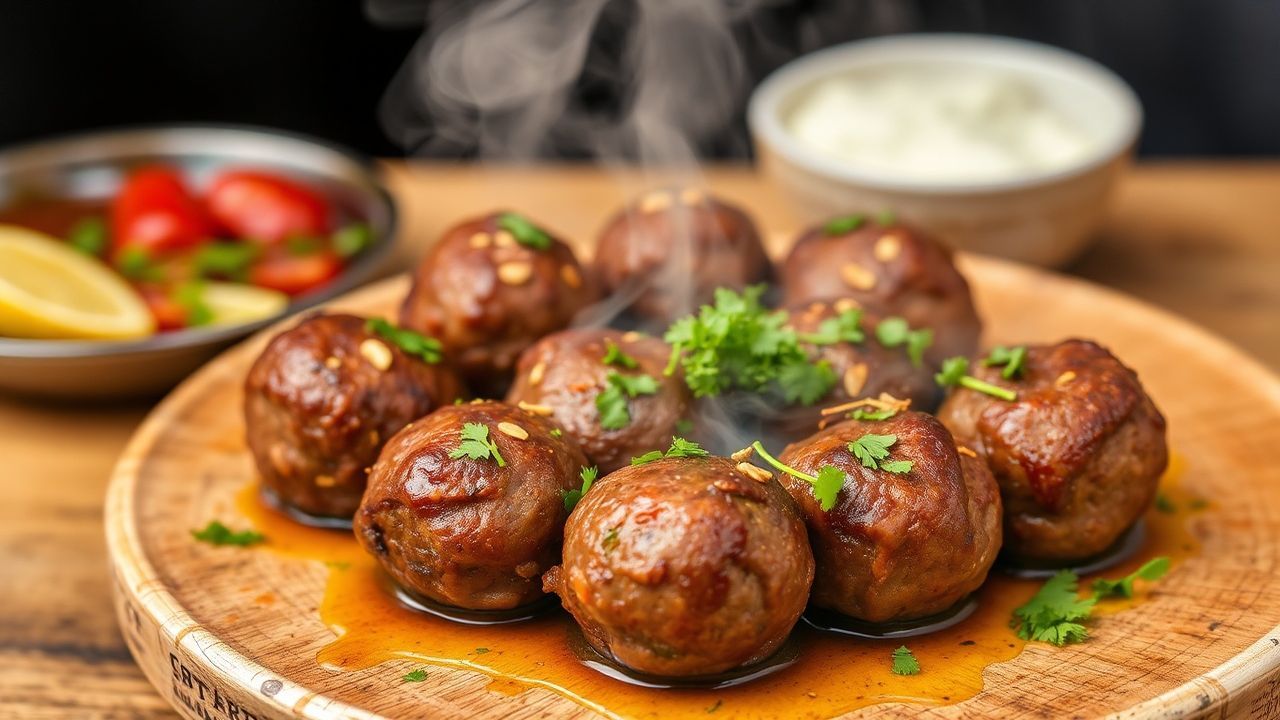
- Meatballs: Roll the mixture into small, uniform balls. These are ideal for simmering in sauces or for a more casual presentation.
Once shaped, it’s highly recommended to place the kofta on a plate or baking sheet and refrigerate them for at least 30 minutes. This allows the flavors to meld and the mixture to firm up, which significantly improves their stability during cooking. This often-overlooked step is a hallmark of professional preparation.
Cooking Methods: Unleashing the Flavor
The cooking method you choose will dramatically influence the final texture and taste of your kofta. Each method offers distinct advantages.
Grilling: The Smoky Sensation
Grilling imparts a smoky char and a delightful crispness to the exterior.
- Preheat your grill to medium-high heat.
- Lightly oil the grill grates to prevent sticking.
- Place the kofta skewers on the grill.
- Cook for 4-6 minutes per side, turning occasionally, until browned and cooked through. The internal temperature should reach 160°F (71°C). Be mindful of flare-ups, which can burn the kofta.
Baking: The Convenient Choice
Baking is a convenient option, especially when preparing a large batch or when grilling isn’t feasible.
- Preheat your oven to 400°F (200°C).
- Arrange the kofta (skewered or as patties/meatballs) on a baking sheet lined with parchment paper or lightly greased.
- Bake for 20-25 minutes for patties and meatballs, or 15-20 minutes for skewers, flipping halfway through, until cooked through and nicely browned.
Pan-Frying: The Crispy Crust
Pan-frying is excellent for achieving a beautiful crust, especially with kofta patties.
- Heat 1-2 tablespoons of oil (such as olive or vegetable oil) in a large skillet over medium-high heat.
- Carefully place the kofta patties in the hot skillet, ensuring not to overcrowd the pan. Cook in batches if necessary.
- Sear for 4-5 minutes per side, until deeply browned and cooked through.
7 Essential Secrets for Exceptional Kofta
Elevating your kofta from good to extraordinary involves understanding a few nuanced techniques that seasoned chefs employ.
💡 Expert Insight: The Foundation of Flavor
The quality of your ground meat is paramount. For the most succulent kofta, consider grinding your own meat from a cut like chuck or brisket, ensuring a good fat content. A 75/25 or 80/20 lean-to-fat ratio is ideal. This fat renders during cooking, basting the meat from within and preventing dryness, a common pitfall for many home cooks.
As mentioned, allowing the kofta mixture to rest in the refrigerator for at least 30 minutes is non-negotiable. This resting period allows the proteins to relax and the binders to hydrate, leading to a more cohesive and tender final product. It’s a simple step that yields significant results.
Fat is flavor, and in kofta, it’s also about moisture. When recipes call for lean meat, it’s often a misguided attempt at healthiness that sacrifices taste and texture. The rendered fat during cooking lubricates the meat, keeping it juicy. If you are concerned about fat content, focus on using higher-quality, flavorful cuts and trimming excess fat after cooking, rather than compromising the meat’s natural succulence beforehand.
While the provided spice blend is classic, don’t be afraid to experiment. A pinch of allspice can add an interesting dimension, and some regional variations include a touch of dried chili flakes for a more pronounced heat. The key is to taste and adjust. Before shaping all your kofta, take a small portion of the mixture, cook it in a pan, and taste for seasoning. This allows you to fine-tune the salt and spice levels before committing the entire batch.
The texture of your kofta is as important as its flavor. Finely grating the onion ensures it melts into the meat, providing moisture without large, watery chunks. Similarly, finely chopping fresh herbs prevents them from creating tough spots. Some cooks also like to add a tablespoon of finely chopped walnuts or pine nuts for an added textural element and nutty depth, particularly in certain Levantine preparations.
Nutritional Profile and Considerations
A typical serving of beef kofta (approximately 3-4 pieces, depending on size) offers a substantial nutritional profile, primarily driven by the ground beef.
Estimated Nutritional Information per Serving (approx. 4 oz / 113g cooked kofta):
- Calories: 250-300 kcal (this can vary significantly based on fat content and cooking method)
- Protein: 25-30g
- Fat: 15-20g (saturated fat will be a portion of this)
- Carbohydrates: 5-8g (mostly from breadcrumbs and onion)
- Iron: Approximately 15-20% of the Daily Value (DV)
- Zinc: Approximately 30-40% of the DV
- Vitamin B12: A significant portion of the DV
Keep in mind that these figures are estimates. The use of leaner beef, baking instead of frying, and serving with a large salad can significantly alter the overall nutritional impact of the meal. Research from the USDA’s FoodData Central confirms that beef is a rich source of essential nutrients, including protein, iron, zinc, and B vitamins, making it a valuable component of a balanced diet when consumed in moderation.
⚠️ Pro-Caution: Dietary Mindfulness
While beef kofta is a good source of protein and essential minerals, it can also be high in saturated fat and cholesterol, depending on the cut of meat used and the cooking method. For individuals managing cardiovascular health or specific dietary restrictions, it is advisable to opt for leaner cuts of beef, reduce portion sizes, and prioritize grilling or baking over frying. Consulting with a registered dietitian or healthcare professional can provide personalized dietary guidance.
Variations and Creative Adaptations
The beauty of kofta lies in its adaptability. Here are a few ideas to inspire your culinary creativity:
- Spicy Lamb Kofta: Substitute half the beef with ground lamb and increase the cayenne pepper or add a pinch of red pepper flakes.
- Kofta Tagine: Simmer kofta meatballs in a rich tomato-based sauce with spices like turmeric, ginger, and a touch of honey. Serve with couscous.
- Kofta Kebabs with Yogurt Sauce: Serve grilled kofta skewers with a cooling dip made from Greek yogurt, garlic, lemon juice, and fresh dill.
- Kofta in Pita: Stuff grilled kofta patties into warm pita bread with lettuce, tomato, onion, and a generous drizzle of tahini sauce.
Frequently Asked Questions about Beef Kofta
What is the best beef for kofta?
The best beef for kofta is one that has a good balance of lean meat and fat, typically an 80/20 or 75/25 lean-to-fat ratio. Cuts like chuck roast, brisket, or even a good quality ground sirloin with added fat are excellent choices. The fat is crucial for moisture, flavor, and binding the kofta together during cooking.
How to prevent dry kofta?
To prevent dry kofta, ensure you are using meat with sufficient fat content. Avoid overworking the mixture, as this develops the proteins and can make the kofta tough. Grating the onion and squeezing out excess liquid also helps maintain moisture. Finally, don’t overcook the kofta; use a meat thermometer to ensure it reaches the safe internal temperature of 160°F (71°C) without going beyond. Resting the mixture before cooking also contributes to moisture retention.
Can I make the kofta mixture ahead of time?
Yes, you can absolutely make the kofta mixture ahead of time. It can be prepared up to 24 hours in advance and stored, covered, in the refrigerator. In fact, allowing the seasoned mixture to rest in the refrigerator for a few hours or overnight can enhance the flavor development. You can also shape the kofta and refrigerate them for up to 24 hours before cooking.
What other spices can I use in kofta?
Beyond cumin, coriander, and parsley, many variations include allspice, cinnamon, nutmeg, cardamom, sumac, and dried mint. Fresh herbs like cilantro and dill are also popular in certain regional styles. The spice profile can be adjusted to personal preference, with some opting for a spicier kick with cayenne or paprika.
See also: kofta