
Mushroom pate, often relegated to the realm of simple appetizers, is in fact a complex canvas for culinary artistry, capable of evoking profound sensory experiences that transcend mere sustenance. Its potential, however, is frequently understated, leading to a homogenization of flavors and textures that fails to capture the ingredient’s inherent versatility. This piece aims to elevate the understanding and appreciation of mushroom pate, moving beyond the conventional to unlock its true gastronomic significance.
- The Unassuming Power of Mushroom Pate
- Deconstructing the Essence: Key Ingredients and Their Roles
- The Alchemy of Texture: Mastering the Blend
- A Proven Path to Perfection: Step-by-Step Preparation
- Beyond the Basics: Elevating Your Mushroom Pate
- Nutritional Prowess: The Healthier Side of Indulgence
- The Art of Presentation: Making Your Pate Shine
- Frequently Asked Questions
- What is the best type of mushroom for pate?
- Can mushroom pate be made ahead of time?
- How long does mushroom pate last in the refrigerator?
- What are the best serving suggestions for mushroom pate?
- How can I make my mushroom pate vegan?
- Final Recommendations
Mushroom pate is not merely a spread; it is an alchemical transformation of earthy ingredients into a symphony of umami and texture, offering a sophisticated gateway to a world of refined flavors.
The Unassuming Power of Mushroom Pate
Mushroom pate has long held a place in culinary traditions across the globe, its humble origins belied by its capacity for sophisticated flavor development. Far from being a mere afterthought in a charcuterie spread, a well-executed mushroom pate can be the star of the show, proof of the subtle yet profound impact of earthy ingredients. The magic lies in the transformation of simple fungi, often combined with rich fats and aromatic elements, into a spreadable delicacy that can range from rustic and hearty to elegantly refined. This culinary alchemy elevates mushroom pate from a common dip to a subject worthy of serious gastronomic exploration. The inherent umami flavor profile of mushrooms, particularly varieties like cremini, shiitake, and portobello, provides a robust foundation that can be manipulated and enhanced through various preparation techniques and ingredient pairings.
The rich, savory notes that mushrooms impart are a direct result of their glutamate content, the same compound responsible for the characteristic taste of aged cheeses and cured meats. When processed into a pate, this umami intensity is concentrated, creating a depth of flavor that is both satisfying and complex. This inherent richness makes mushroom pate an exceptional vegan or vegetarian alternative to traditional meat-based pates, offering comparable depth of flavor without animal products. Furthermore, the textural possibilities are vast, from a finely blended, silken smooth pate to a coarser, more rustic preparation that retains discernible pieces of mushroom and other ingredients, providing a pleasing contrast in every bite.
Deconstructing the Essence: Key Ingredients and Their Roles
The soul of any exceptional mushroom pate lies in the thoughtful selection and harmonious interplay of its core components. At its heart are the mushrooms themselves. While common button mushrooms can form the base, exploring varieties like shiitake for their intense savoriness, cremini for their balanced earthiness, or even exotic options like oyster or maitake mushrooms can unlock entirely new dimensions of flavor. The preparation of these fungi is paramount; sautéing them until deeply caramelized is not just about cooking them through, but about coaxing out their latent sugars and developing a rich, toasted aroma that forms the bedrock of the pate’s character. This browning process, known as the Maillard reaction, is critical for developing complex flavor compounds.
Beyond the mushrooms, the fat component is crucial for achieving the desired texture and mouthfeel. Traditional recipes often call for butter, which contributes a luxurious richness and a subtle dairy sweetness. For a dairy-free or vegan rendition, high-quality olive oil or a neutral vegetable oil can be employed, though the richness may differ slightly. Some recipes even incorporate nuts, such as walnuts or pecans, which not only add a delightful textural contrast but also contribute their own unique, often toasted, nutty flavors and healthy fats. These nuts, when finely ground or incorporated as whole pieces, can transform a simple mushroom pate into something far more complex and engaging.
Aromatic elements provide the supporting cast that elevates the primary flavors. Shallots and garlic, when gently sautéed until tender and fragrant, offer a mild sweetness and pungency that complements the mushrooms without overpowering them. Herbs matter significantly in adding layers of freshness and complexity. Thyme, rosemary, and sage are classic pairings, their earthy, herbaceous notes resonating beautifully with the mushrooms. A touch of acidity, often from a splash of white wine, sherry, or even a squeeze of lemon juice, can cut through the richness, brightening the overall flavor profile and preventing it from becoming cloying. Seasoning, of course, is the final brushstroke, with salt and freshly ground black pepper essential for bringing all elements into sharp focus.
The Alchemy of Texture: Mastering the Blend
Achieving the perfect texture in mushroom pate is as crucial as perfecting its flavor. The process of transforming cooked mushrooms and other ingredients into a smooth, spreadable consistency requires careful attention to technique. For a classic, silken pate, a food processor is the indispensable tool. The cooked mushroom mixture, along with the chosen fat and aromatics, is pulsed until it reaches the desired smoothness. It is vital not to over-process, which can lead to a gummy or pasty texture. Instead, intermittent pulsing, scraping down the sides of the bowl, and observing the consistency as it develops is key. Some chefs advocate for passing the mixture through a fine-mesh sieve after processing for an ultra-refined finish, though this is often reserved for more delicate preparations.
For a more rustic pate, the goal is to retain some discernible texture. This can be achieved by pulsing the ingredients for a shorter duration, leaving small pieces of mushroom or nuts intact. Alternatively, some recipes involve coarsely chopping some of the cooked ingredients by hand and then folding them into a smoothly processed base. This creates a delightful contrast in mouthfeel, adding an element of surprise and interest to each bite. The addition of ingredients like finely chopped toasted walnuts or toasted breadcrumbs can also contribute to this textural complexity, providing a subtle crunch that plays against the creaminess of the pate.
The role of fat cannot be overstated in texture development. Butter, when chilled and then blended in, can create a firmer, more sliceable pate, especially when it is intended to be served cold. Olive oil, on the other hand, tends to result in a softer, more spreadable pate, ideal for immediate consumption or for creating a luscious dip. The temperature at which the pate is served also significantly impacts its perceived texture. A pate served at room temperature will be softer and more yielding than one that has been thoroughly chilled. Understanding these variables allows for the deliberate creation of a pate that perfectly suits its intended purpose.
A Proven Path to Perfection: Step-by-Step Preparation
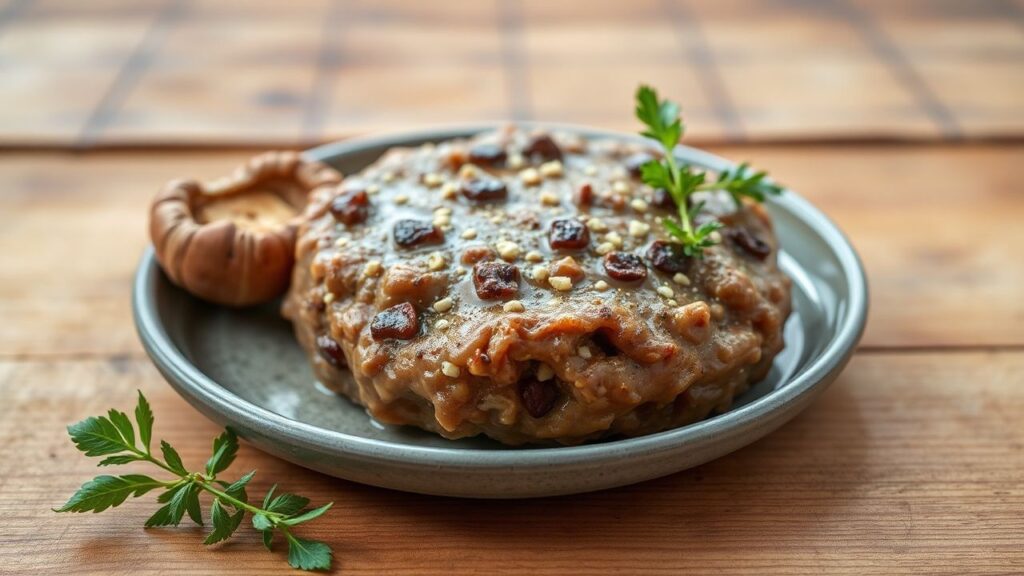
Creating an exceptional mushroom pate is an achievable culinary endeavor with careful execution. Here is a fundamental, yet highly effective, method to guide you:
1. Prepare Your Mushrooms: Begin with approximately 1 pound of mixed mushrooms (e.g., cremini, shiitake). Clean them thoroughly by brushing off any dirt; avoid washing if possible, as they absorb water. Slice or roughly chop them. 2. Sauté Aromatics: In a large skillet, heat 2 tablespoons of unsalted butter or olive oil over medium heat. Add 1 finely minced shallot and 2 cloves of minced garlic. Cook until softened and fragrant, about 3-4 minutes, ensuring they do not brown excessively. 3. Caramelize the Mushrooms: Add the prepared mushrooms to the skillet. Increase the heat to medium-high and cook, stirring occasionally, until the mushrooms have released their liquid and are deeply caramelized and browned. This crucial step develops rich, savory flavors and can take 15-20 minutes. Season generously with salt and freshly ground black pepper during this stage. 4.
Deglaze (Optional but Recommended): If using, pour in 1/4 cup of dry white wine or sherry. Scrape the bottom of the pan to loosen any browned bits, and let the liquid simmer and reduce until almost evaporated. This infuses the mushroom mixture with additional depth. 5. Cool and Process: Remove the skillet from the heat and let the mushroom mixture cool slightly for about 10-15 minutes. Transfer the cooled mixture to a food processor. 6. Incorporate Fat and Flavorings: Add 4 tablespoons of softened unsalted butter (or your chosen vegan fat) to the food processor. You can also add a tablespoon of fresh thyme leaves or other desired herbs at this stage. 7. Blend to Desired Consistency: Process the mixture until it reaches your preferred texture. For a smooth pate, process until very fine. For a more rustic pate, pulse intermittently, leaving some texture. Taste and adjust seasoning as needed.
8. Chill and Serve: Transfer the pate to a serving dish or ramekins. Cover tightly with plastic wrap, pressing it directly onto the surface to prevent a skin from forming. Refrigerate for at least 2 hours, or preferably overnight, to allow the flavors to meld and the texture to firm up. 9. Garnish and Enjoy: Before serving, allow the pate to sit at room temperature for about 20-30 minutes to soften slightly. Garnish with a drizzle of olive oil, fresh herbs, or a sprinkle of toasted nuts. Serve with crusty bread, crackers, or crudités.
Beyond the Basics: Elevating Your Mushroom Pate
While the foundational recipe provides a stellar starting point, the true artistry of mushroom pate lies in its potential for creative variation. Think of it as a culinary chameleon, capable of adapting to a vast array of flavor profiles and dietary needs. For those seeking a richer, more decadent experience, incorporating a spoonful of crème fraîche or a touch of mascarpone cheese into the food processor can impart unparalleled creaminess. A hint of Dijon mustard can add a subtle tang and complexity, while a dash of Worcestershire sauce (ensure it’s vegan if preparing a vegetarian version) can amplify the savory notes.
The realm of spices and seasonings also offers fertile ground for experimentation. A pinch of smoked paprika can introduce a gentle smoky character, while a whisper of nutmeg can add a warm, aromatic depth, particularly appealing in autumn or winter preparations. For those who enjoy a touch of heat, a finely minced chili pepper or a dash of cayenne pepper can provide a subtle kick that awakens the palate.
When it comes to serving, the possibilities are as broad as your imagination. Beyond the classic bread and crackers, consider serving mushroom pate as a sophisticated filling for vol-au-vents, a topping for crostini adorned with microgreens, or even as a flavorful layer in a vegan Wellington. The advent of plant-based ingredients has also opened up exciting new avenues. Nutritional yeast can be incorporated to impart a cheesy, umami flavor in vegan versions, while silken tofu can provide a smooth, creamy base when blended with sautéed mushrooms.
Nutritional Prowess: The Healthier Side of Indulgence
While often perceived as an indulgence, mushroom pate, particularly when prepared with thoughtful ingredient choices, can offer surprising nutritional benefits. Mushrooms themselves are nutritional powerhouses, packed with essential vitamins and minerals. They are a good source of B vitamins, crucial for energy production and brain function. Research has indicated that certain mushrooms, like shiitake, contain compounds that may support immune health. For instance, studies published in journals like *Nutrients* have highlighted the immunomodulatory effects of beta-glucans found in mushrooms, which can help regulate immune responses (Seto et al., 2021).
Furthermore, mushrooms are a source of antioxidants, which help protect the body’s cells from damage caused by free radicals. They also provide minerals such as selenium, an important antioxidant, and potassium, which plays a role in maintaining healthy blood pressure. When nuts like walnuts are incorporated, the pate gains a boost of omega-3 fatty acids, known for their anti-inflammatory properties and benefits for heart and brain health. Walnuts are also rich in protein and fiber, contributing to satiety.
The choice of fat also plays a role in the pate’s nutritional profile. Using high-quality olive oil instead of butter can increase the intake of monounsaturated fats, beneficial for cardiovascular health. When opting for a vegan preparation, the absence of cholesterol and saturated fats found in animal products further enhances its health appeal. As a versatile dish, mushroom pate can be adapted to various dietary needs, including low-carb or gluten-free diets, by serving it with appropriate accompaniments.
The Art of Presentation: Making Your Pate Shine
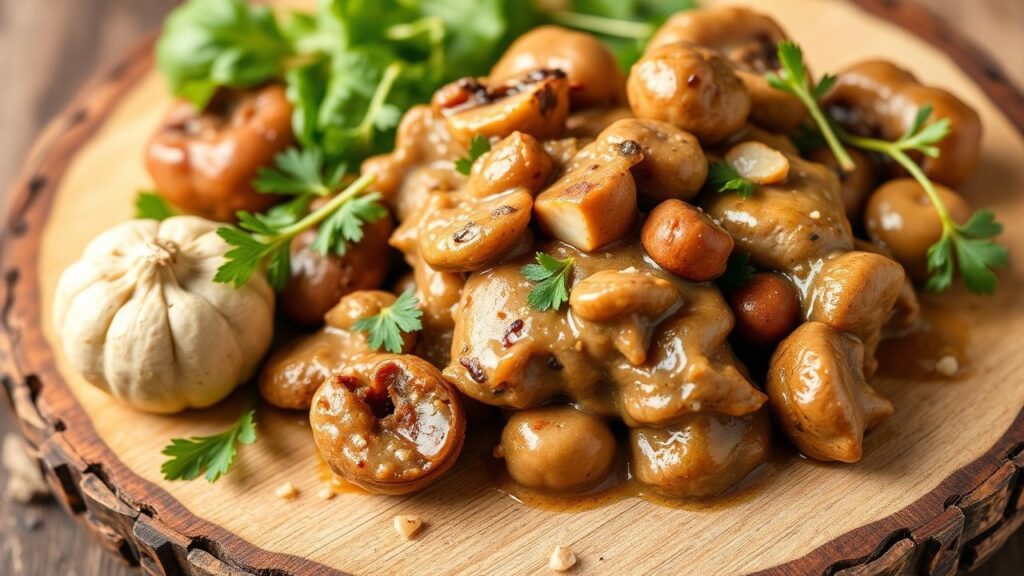
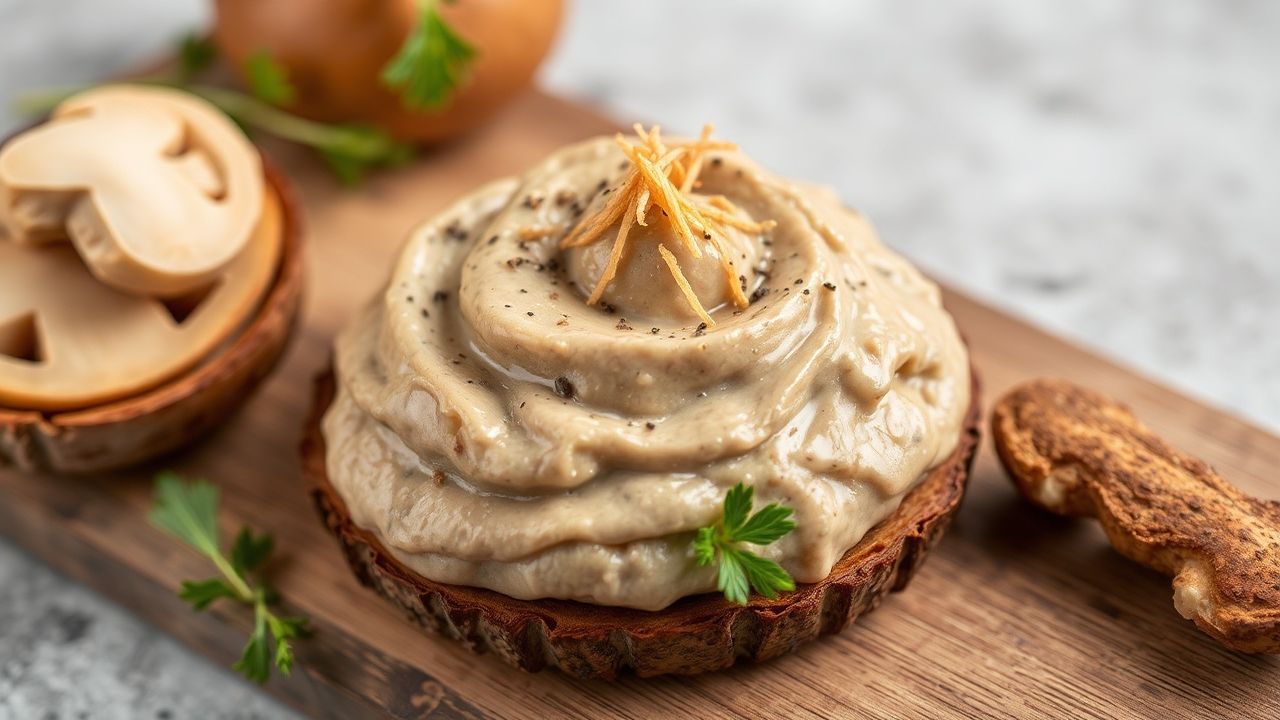
The visual appeal of food is as critical to the dining experience as its taste and aroma, and mushroom pate is no exception. Even the most exquisitely flavored pate can be overlooked if presented without care. The journey of presentation begins with the vessel. Serving the pate in an attractive ramekin, a rustic earthenware dish, or even a small cast-iron skillet can immediately elevate its perceived value. For a more formal setting, shaping the pate into a neat log or dome before chilling can offer a sophisticated presentation.
Garnishes are the final flourish, adding color, texture, and a hint of intrigue. A simple drizzle of high-quality extra virgin olive oil can lend a glossy sheen. Fresh herbs, such as chives, parsley, or thyme sprigs, provide a vibrant burst of green. Toasted nuts, whether whole or chopped, offer a textural counterpoint and visual interest. For a touch of elegance, a sprinkle of flaky sea salt or a few edible flowers can transform a humble pate into a culinary work of art. Consider pairing the pate with a selection of artisanal breads, crisp vegetable crudités, or even pickled elements like cornichons or pickled onions to create a balanced and appealing platter.
Frequently Asked Questions
What is the best type of mushroom for pate?
While common cremini mushrooms form a robust base, a blend of varieties often yields the most complex flavor. Shiitake mushrooms contribute an intense umami depth, while oyster mushrooms offer a delicate, slightly sweet note. For unparalleled richness, rehydrated dried porcini mushrooms are an exceptional addition, imparting a profound earthy aroma and flavor. Experimenting with a mix allows for a nuanced flavor profile that is greater than the sum of its parts.
Can mushroom pate be made ahead of time?
Absolutely. Mushroom pate is an ideal make-ahead dish. In fact, chilling it for at least a few hours, and ideally overnight, allows the flavors to meld and deepen, and the texture to firm up beautifully. This makes it perfect for entertaining, as it can be prepared a day in advance, freeing up valuable time on the day of the event. Ensure it is covered tightly to prevent drying out.
How long does mushroom pate last in the refrigerator?
When stored properly in an airtight container, mushroom pate typically lasts for 3 to 4 days in the refrigerator. It is best to press plastic wrap directly onto the surface of the pate before sealing the container to minimize air exposure and prevent the formation of a dry skin. Always check for any signs of spoilage, such as off-odors or mold, before consuming.
What are the best serving suggestions for mushroom pate?
Mushroom pate is incredibly versatile. It pairs wonderfully with a variety of accompaniments, including crusty baguette slices, artisanal crackers, toasted sourdough bread, or an assortment of fresh vegetable crudités like carrot sticks, cucumber slices, and bell pepper strips. For a more elaborate presentation, consider serving it as part of a charcuterie board alongside cheeses, cured meats, olives, and pickled vegetables. It can also be used as a spread for sandwiches or as a filling for pastries.
How can I make my mushroom pate vegan?
To create a vegan mushroom pate, simply substitute the butter with a high-quality olive oil or a vegan butter alternative. Ensure any other ingredients, such as Worcestershire sauce, are also vegan-certified. Nutritional yeast can be added for a cheesy, savory depth, and silken tofu can be incorporated for an extra creamy texture if desired. The core process of sautéing mushrooms and blending remains the same.
Final Recommendations
The journey into the world of mushroom pate is one of continuous discovery and refinement. By understanding the fundamental principles of ingredient selection, flavor layering, and textural manipulation, you unlock the potential for truly exceptional culinary creations. Do not shy away from experimentation; embrace the opportunity to tailor this versatile dish to your personal palate and dietary preferences. Whether aiming for a rustic, hearty spread or an elegantly smooth delicacy, the key lies in thoughtful preparation and a willingness to explore the boundless possibilities that mushrooms offer. The next time you encounter mushroom pate, remember its potential for sophistication and savor its intricate symphony of flavors and textures.
See also: Mushroom pate