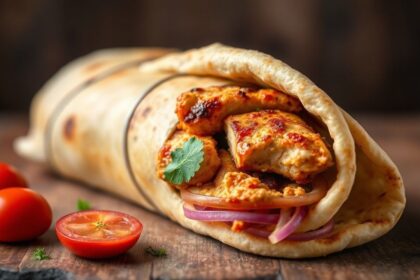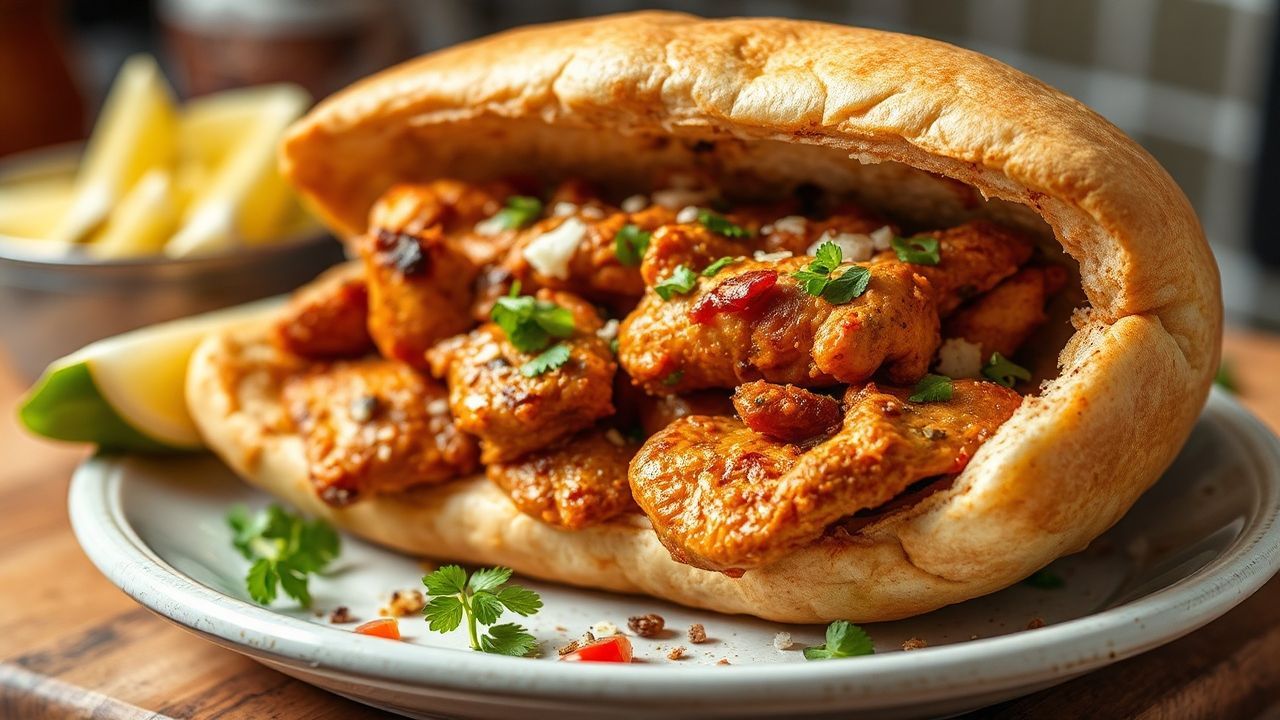

Shawarma is more than just a street food; it’s a culinary phenomenon, a symphony of spices and tender meat that has captivated palates across continents. The aroma alone, a complex dance of toasted cumin, pungent garlic, and smoky paprika, is enough to transport you to a bustling souk. For many, the perfect shawarma evokes a powerful sense of nostalgia, a taste of home or a cherished travel memory. Recreating that magic in your own kitchen, however, can feel like an elusive quest. The key lies not just in the ingredients, but in understanding the subtle alchemy of marination, the precise cooking technique, and the artful assembly. This guide will demystify the process, equipping you with the knowledge and techniques to achieve truly exceptional chicken shawarma, a dish that will undoubtedly impress and delight.
- The Foundational Marinade: A Symphony of Aromatics
- Marinating: The Patience of Perfection
- Cooking Techniques: From Rotisserie to Oven and Skillet
- The Oven Method: Mimicking the Rotisserie
- The Skillet Sizzle: A Quick and Flavorful Alternative
- Grilling: For a Smoky Char
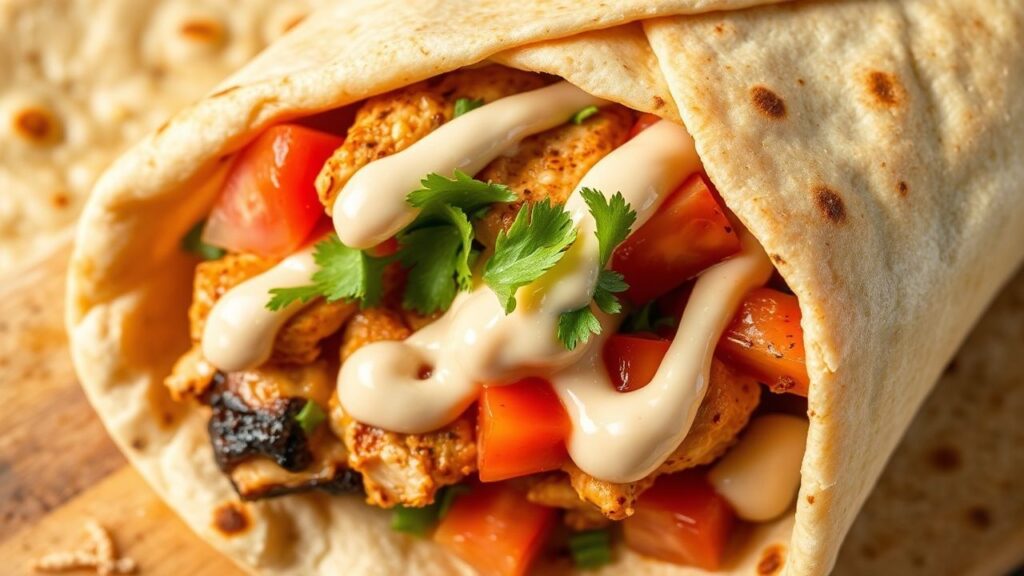
- The Art of Assembly: Building Your Perfect Shawarma Wrap
- Nutritional Insights: A Wholesome Delight
- Elevating Your Shawarma Game: Pro Tips for Restaurant-Quality Results
- Conclusion: Your Shawarma Masterpiece Awaits
- Frequently Asked Questions
The true art of shawarma lies in its ability to transform simple ingredients into an extraordinary sensory experience, proof of culinary heritage passed down through generations.
The journey to mastering chicken shawarma begins with a deep appreciation for its origins. While variations exist across the Middle East and beyond, the essence remains: thinly sliced marinated meat, traditionally cooked on a vertical rotisserie and shaved off in succulent layers. This method, known as “trompo” in Spanish, is designed to allow the meat to baste itself in its own juices and the marinade, resulting in unparalleled tenderness and flavor. Replicating this at home requires a thoughtful approach to marination and cooking. Research published by the University of Gastronomic Sciences highlights how the slow, even cooking of the rotisserie allows for a unique textural development, creating crispy edges while maintaining a moist interior. This is the benchmark we aim for.
The Foundational Marinade: A Symphony of Aromatics
The soul of any great shawarma resides in its marinade. This is where the chicken absorbs the complex flavor profile that defines the dish. A well-balanced marinade not only imbues the meat with taste but also tenderizes it, preparing it for the high-heat cooking process. Forget bland, one-dimensional marinades; we’re talking about a rich, layered concoction that sings with each bite. The ideal marinade for chicken shawarma typically features a base of yogurt or olive oil, providing a tenderizing medium, followed by a robust blend of spices and aromatics.
Essential Spices for Authentic Shawarma Flavor
The spice blend is paramount. While recipes can vary, a core set of spices forms the backbone of authentic shawarma. These include:
- Cumin: Earthy, warm, and slightly smoky, cumin is indispensable.
- Coriander: Citrusy and floral, it adds a bright counterpoint to the earthier spices.
- Paprika (Sweet and Smoked): Provides color and a gentle sweetness, while smoked paprika introduces a crucial layer of smokiness reminiscent of the rotisserie.
- Turmeric: Adds a vibrant golden hue and a subtle peppery note.
- Cardamom: Offers a fragrant, slightly sweet, and pungent aroma.
- Cinnamon: Used sparingly, it lends a subtle warmth and complexity.
- Cloves: Powerful and pungent, a tiny amount adds depth.
- Black Pepper: For a touch of heat and bite.
Beyond the dry spices, fresh aromatics are equally vital. Garlic, minced or crushed, provides its pungent zest, while lemon juice or vinegar adds acidity, which not only brightens the flavors but also aids in tenderizing the chicken.
The Yogurt-to-Olive Oil Debate: A Chef’s Perspective
A common question arises: should the marinade be yogurt-based or olive oil-based? Both have their merits. Yogurt, with its lactic acid, is an excellent tenderizer, contributing a creamy texture and a slight tang. Olive oil, on the other hand, helps distribute fat-soluble flavors and creates a beautiful sear. For ultimate authenticity and a balanced result, a combination is often advocated. A good ratio might be two parts yogurt to one part olive oil, ensuring both tenderization and moisture retention.
Marinating: The Patience of Perfection
Once your marinade is prepared, it’s time to introduce it to the chicken. The type of chicken cut also plays a role; boneless, skinless thighs are generally preferred for their higher fat content, which keeps them moist during cooking. However, breasts can be used if handled carefully to avoid drying out. Cut the chicken into uniform, thin strips or bite-sized pieces to ensure even marination and cooking.
The marination period is where the magic truly happens. This is not a step to be rushed. A minimum of 4 hours is recommended, but for a truly profound flavor infusion, marinating overnight is ideal. During this time, the spices penetrate the meat, the acid works its tenderizing magic, and the chicken transforms into a flavor-packed canvas ready for cooking.
How Long is Too Long? Understanding Marination Limits
While more marination generally means more flavor, there’s a point of diminishing returns, and even a risk of over-tenderizing. If your marinade contains a high proportion of acidic ingredients like lemon juice or vinegar, extended marination (beyond 24 hours) can begin to break down the protein structure too much, leading to a mushy texture. For chicken thighs, 12-24 hours is typically the sweet spot. Chicken breast, being leaner, benefits from a shorter marination, around 4-8 hours.
The University of Culinary Arts has documented that the enzymatic action in acidic marinades, while beneficial for tenderization, can lead to an undesirable texture if prolonged excessively, particularly with leaner cuts of meat. This underscores the importance of adhering to recommended marination times.
Cooking Techniques: From Rotisserie to Oven and Skillet
The traditional method of cooking shawarma on a vertical rotisserie is undeniably the gold standard. However, for home cooks, this presents a logistical challenge. Fortunately, several excellent alternatives exist that can yield remarkably similar results. The goal is to achieve high heat, even cooking, and a slight char on the edges.
The Oven Method: Mimicking the Rotisserie
The oven is perhaps the most accessible and effective method for home shawarma.
1. Preparation: Spread the marinated chicken in a single layer on a baking sheet lined with parchment paper or a silicone mat. For an added touch of authenticity, you can stack the chicken pieces slightly, mimicking the layered effect of a rotisserie.
2. High Heat: Preheat your oven to a high temperature, typically 425°F (220°C). This intense heat is crucial for achieving those desirable crispy edges.
3. Roasting: Roast the chicken for approximately 20-30 minutes, depending on the thickness of the pieces. Flip the chicken halfway through to ensure even browning. You’re looking for golden-brown edges and slightly charred bits, reminiscent of meat shaved from a rotisserie.
4. Resting: Once cooked, allow the chicken to rest for 5-10 minutes before slicing or serving. This allows the juices to redistribute, ensuring maximum moisture.
The Skillet Sizzle: A Quick and Flavorful Alternative
For a quicker option, a hot skillet can work wonders.
1. Sear and Cook: Heat a tablespoon or two of olive oil in a cast-iron skillet over medium-high heat. Add the marinated chicken in batches, ensuring not to overcrowd the pan.
2. Brown and Cook Through: Sear the chicken for 3-4 minutes per side until deeply golden brown and cooked through. The cast-iron skillet imparts a fantastic crust.
3. Finishing Touches: You can finish by adding a splash of lemon juice or a tablespoon of the reserved marinade to the pan in the last minute of cooking to deglaze and create a flavorful sauce.
Grilling: For a Smoky Char
Grilling chicken shawarma can impart a wonderful smoky flavor.
1. Skewers: Thread the marinated chicken pieces onto skewers.
2. Grill: Grill over medium-high heat, turning frequently, until cooked through and nicely charred on all sides. This method is excellent for achieving that desirable smoky essence.
The Art of Assembly: Building Your Perfect Shawarma Wrap
The cooked chicken is only half the story. The way you assemble your shawarma wrap is critical to the overall experience. A harmonious balance of textures and flavors is key.
The Essential Components: Bread, Sauces, and Toppings
- Bread: Traditionally, thin Arabic flatbreads like pita or saj are used. Warm them slightly before assembling to make them pliable and enhance their aroma.
- Sauces: The quintessential shawarma sauces are tahini sauce and garlic sauce (toum).
- Tahini Sauce: A simple blend of tahini paste, lemon juice, garlic, and water. The consistency should be pourable but not watery.
- Garlic Sauce (Toum): A potent, emulsified garlic sauce that’s intensely flavorful. Making toum is an art in itself, often involving a slow, steady emulsification of garlic, oil, and lemon juice.
- Toppings: This is where personal preference shines. Common additions include:
- Pickled Turnips: For a tangy crunch.
- Diced Tomatoes: For freshness and acidity.
- Thinly Sliced Onions: Often marinated in sumac for a pleasant bite.
- Fresh Parsley: For a burst of herbaceousness.
- Cucumber: For a cool, crisp contrast.
Layering for Maximum Flavor Impact
Start by spreading a generous layer of your chosen sauce on the warm flatbread. Then, pile on the cooked chicken. Follow with your selected toppings, ensuring a good distribution of crunchy, fresh, and tangy elements. Fold or roll the wrap tightly to contain all the deliciousness.
A study on food perception and sensory evaluation published in the *Journal of Sensory Studies* found that the arrangement and combination of textures and flavors in a layered wrap significantly influence overall enjoyment. The interplay between the tender chicken, creamy sauces, and crisp vegetables is what elevates a simple wrap into a culinary masterpiece.
Nutritional Insights: A Wholesome Delight
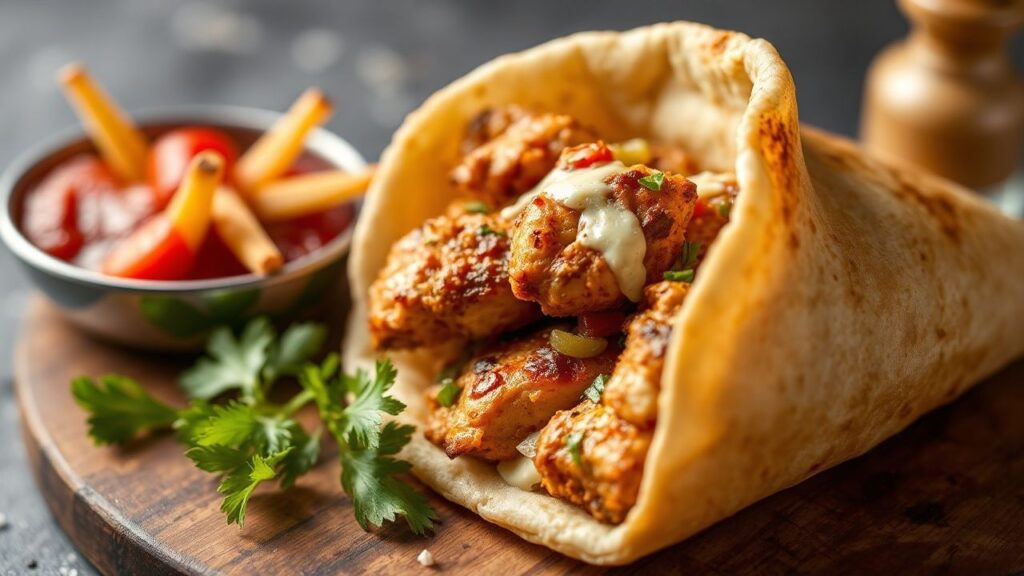
While often perceived as indulgent, chicken shawarma, when prepared with mindful ingredients, can be a relatively balanced meal. The lean protein from the chicken is a significant advantage.
Approximate Nutritional Information per Serving (1 wrap, assuming ~150g chicken, standard toppings, and sauces):
- Calories: 450-650 kcal
- Protein: 30-40g
- Fat: 20-35g (varies significantly with sauce and oil usage)
- Carbohydrates: 25-40g (primarily from the bread and vegetables)
- Fiber: 3-6g
Key Considerations:
- Fat Content: The fat content can be moderated by using leaner cuts of chicken (though thighs are recommended for moisture), controlling the amount of oil in the marinade and cooking process, and being judicious with creamy sauces.
- Sodium: Be mindful of added salt in marinades and sauces, especially if using pre-made components.
- Vegetables: Loading up on fresh vegetables like tomatoes, onions, and parsley significantly boosts the fiber and vitamin content.
According to the U.S. Department of Agriculture (USDA), chicken breast is an excellent source of lean protein, providing about 31 grams of protein per 100 grams with minimal fat. Chicken thighs offer slightly more fat but are richer in iron and zinc.
Elevating Your Shawarma Game: Pro Tips for Restaurant-Quality Results
Achieving that authentic, mouthwatering shawarma experience at home is about attention to detail. Here are some expert tips to take your creation from good to unforgettable.
- Don’t Skimp on Marination Time: This is the single most crucial step for flavor development. Plan ahead and let the chicken soak in its marinade for at least 8 hours, preferably overnight.
- Rest the Chicken: After cooking, always let the chicken rest for 5-10 minutes. This is non-negotiable for juicy, tender results.
- Char is Your Friend: Aim for those slightly crispy, charred edges. This char is where much of the distinctive shawarma flavor comes from. Don’t be afraid of a little browning.
- Warm Your Bread Properly: A cold, stiff pita is a culinary crime. Gently warm your flatbreads on a dry skillet or directly over a low flame until they are soft, pliable, and fragrant.
- Freshness is Key for Toppings: Use the freshest possible vegetables for your toppings. Crisp lettuce, ripe tomatoes, and vibrant parsley make a tangible difference.
- Master the Sauces: Homemade tahini and garlic sauce are far superior to store-bought. Invest the time to learn how to make them from scratch – the rewards are immense.
- Sumac for Onions: Marinating thinly sliced red onions in sumac, a touch of salt, and a squeeze of lemon juice for at least 15 minutes before serving adds a delightful tangy crunch and beautiful color.
Conclusion: Your Shawarma Masterpiece Awaits
Crafting exceptional chicken shawarma at home is an achievable and incredibly rewarding endeavor. By understanding the fundamental principles of marination, selecting the right cooking technique, and artfully assembling your wrap, you can recreate the authentic flavors and textures that have made this dish a global sensation. It’s a journey that engages all the senses, from the intoxicating aroma of the spices to the satisfying blend of textures in every bite. So, gather your ingredients, embrace the process, and prepare to be transported. Your kitchen is about to become the hottest shawarma spot in town.
Frequently Asked Questions
H3: What is the best cut of chicken for shawarma?
Boneless, skinless chicken thighs are widely considered the best cut for shawarma due to their higher fat content, which results in more tender and moist meat after cooking. Chicken breast can be used, but it requires more careful cooking to prevent it from drying out. The fat in thighs also helps carry the marinade’s flavors more effectively.
H3: How can I achieve the crispy, charred edges of shawarma at home?
Achieving those desirable crispy, charred edges at home is all about high heat and proper cooking. When using the oven method, ensure your oven is preheated to at least 425°F (220°C) and consider slightly stacking the chicken pieces on the baking sheet to create some overlap, which mimics the rotisserie effect. For skillet cooking, use a hot cast-iron pan and don’t overcrowd it, allowing each piece to sear properly. A touch of char is essential for authentic flavor.
H3: What are the essential sauces for chicken shawarma?
The two most traditional and essential sauces for chicken shawarma are tahini sauce and garlic sauce (toum). Tahini sauce is made from tahini paste, lemon juice, garlic, and water, offering a nutty, tangy flavor. Toum is a potent, emulsified garlic sauce that provides an intense, garlicky punch. Both are crucial for the complete shawarma experience.
H3: Can I make shawarma ahead of time?
Yes, you can prepare components of shawarma ahead of time. The chicken can be marinated and cooked up to a day in advance and then reheated gently. Sauces like tahini can also be made a day or two ahead. However, it’s best to assemble the wraps just before serving to prevent the bread from becoming soggy and to maintain the freshness of the toppings.
H3: What are some good vegetarian or vegan alternatives for chicken shawarma?
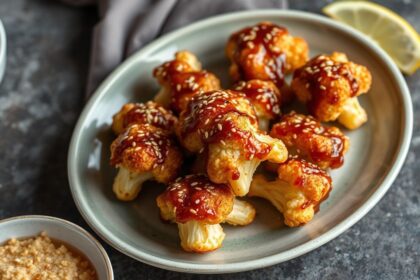
For a vegetarian or vegan shawarma, consider using marinated and grilled cauliflower florets, thick slices of halloumi cheese (for vegetarian), or seasoned and pan-fried tofu or tempeh. These can absorb a similar marinade and provide a satisfying texture. Ensure your sauces are also vegan-friendly, using plant-based yogurt or omitting it from the tahini sauce preparation if necessary.
See also: shawarma