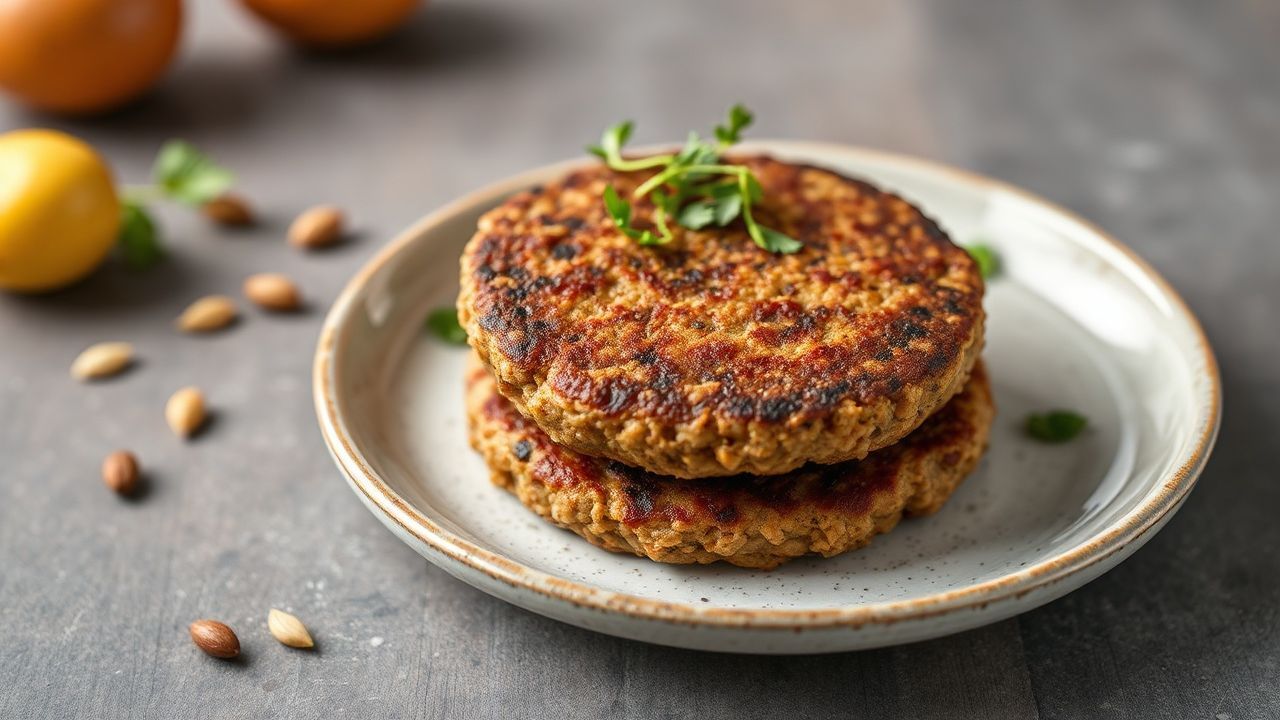

Buckwheat patties have emerged as a culinary powerhouse, offering a remarkable fusion of robust nutrition and delightful flavor, compelling a reevaluation of what constitutes a truly satisfying and healthful meal. This isn’t merely another fleeting dietary trend; it’s a fundamental shift towards incorporating nutrient-dense, whole ingredients that nourish the body and excite the palate.
- The Nutritional Cornerstone: Unpacking Buckwheat’s Prowess
- Crafting the Perfect Buckwheat Patties: A Step-by-Step Culinary Journey
- The Health Imperative: Why Buckwheat Patties Elevate Your Well-being
- Beyond the Basics: Creative Variations and Culinary Exploration
- Serving Suggestions for Every Occasion
- A Real-World Application: The Busy Professional’s Lunch Solution
- The Cultural Significance and Global Appeal
- Frequently Asked Questions
- H3: Are buckwheat patties suitable for a gluten-free diet?
- H3: How can I make buckwheat patties crispier?
- H3: Can I freeze buckwheat patties?
- H3: What are the main health benefits of eating buckwheat patties?
- H3: How can I incorporate buckwheat patties into a high-protein diet?
- Final Recommendations for Embracing Buckwheat Patties
“The future of food lies not in the pursuit of novelty, but in the rediscovery and elevation of time-tested, wholesome ingredients that sustain both our bodies and our planet.” – Dan Barber, Chef and Food Activist
The modern kitchen is a dynamic arena where tradition meets innovation, and few dishes embody this synergy as effectively as buckwheat patties. Far beyond their humble origins, these versatile patties represent a sophisticated approach to meal preparation, seamlessly blending the earthy goodness of buckwheat with a potent protein punch. Whether you’re a seasoned home cook seeking to expand your repertoire or a health-conscious individual prioritizing nutrient density, understanding the multifaceted benefits and preparation nuances of buckwheat patties is an indispensable asset. This exploration will demystify their creation, illuminate their profound health advantages, and inspire creative ways to integrate them into your daily culinary landscape.
The Nutritional Cornerstone: Unpacking Buckwheat’s Prowess
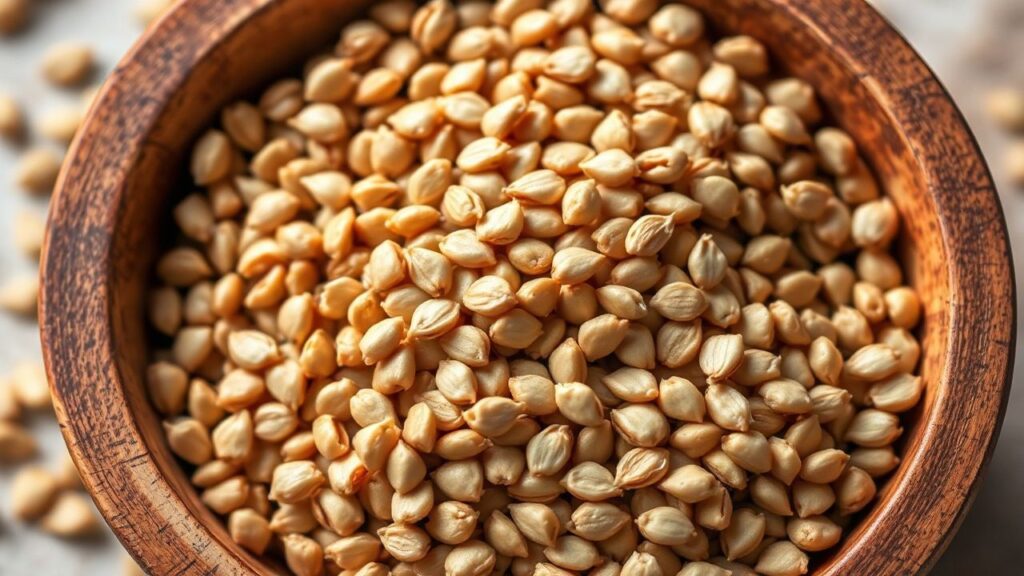
Buckwheat, despite its name, is not a type of wheat. It’s a pseudocereal, a seed from a plant related to rhubarb, offering a unique nutritional profile that sets it apart from traditional grains. Its appeal lies in its complete protein content, a rarity among plant-based foods. This means it contains all nine essential amino acids that the human body cannot produce on its own and must obtain from the diet. This makes buckwheat an exceptionally valuable ingredient for vegetarians, vegans, and anyone looking to enhance their protein intake. Furthermore, buckwheat is naturally gluten-free, making it a safe and highly beneficial option for individuals with celiac disease or gluten sensitivity.
Research published in the *Journal of Agricultural and Food Chemistry* highlights buckwheat’s rich content of antioxidants, particularly rutin and quercetin. These compounds are instrumental in combating oxidative stress, a cellular damage implicated in chronic diseases. For instance, a study by the U.S. Department of Agriculture (USDA) found that buckwheat groats are a significant source of manganese, magnesium, and phosphorus, all crucial for bone health, energy metabolism, and nerve function.
Beyond Protein: The Micronutrient Bounty
The protein and fiber content of buckwheat are often lauded, but its micronutrient profile is equally impressive. It provides a substantial amount of manganese, an essential mineral involved in bone formation, metabolism, and antioxidant defense. A mere half-cup serving of cooked buckwheat can deliver over 20% of the recommended daily intake for this mineral. It’s also a good source of magnesium, vital for muscle and nerve function, blood sugar control, and blood pressure regulation. The presence of phosphorus further supports bone and teeth health, while also playing a role in energy production and DNA synthesis.
Crafting the Perfect Buckwheat Patties: A Step-by-Step Culinary Journey
The beauty of buckwheat patties lies in their adaptability and the relative simplicity of their preparation. While countless variations exist, a foundational recipe provides a superb starting point, allowing for customization based on individual preferences and dietary needs. The key is to achieve a patty that holds its shape, boasts a delightful texture—crisp on the outside, tender within—and bursts with flavor.
Essential Ingredients for Your First Batch
To embark on your buckwheat patty creation, gather the following core components:
- Buckwheat Groats: 1 cup, cooked (follow package instructions, typically 1 part buckwheat to 2 parts water, simmered until tender)
- Binder: 1/2 cup mashed cooked sweet potato or 1/4 cup oat flour or breadcrumbs
- Aromatics: 1/4 cup finely chopped onion, 2 cloves minced garlic
- Flavor Enhancers: 1 tablespoon nutritional yeast (for a cheesy, umami note), 1 teaspoon dried herbs (such as thyme, rosemary, or parsley), salt and freshly ground black pepper to taste
- Optional Add-ins: 1/4 cup finely chopped bell peppers, shredded carrots, or cooked lentils for added texture and nutrients.
- Fat for Frying: 1-2 tablespoons olive oil, avocado oil, or coconut oil
The Method: From Groats to Golden Patties
Executing the recipe involves a series of straightforward steps, each contributing to the final texture and flavor profile:
1. Prepare the Buckwheat: Ensure your buckwheat groats are cooked and cooled. Overcooked, mushy buckwheat can lead to patties that are too soft. Aim for a tender yet distinct grain. 2. Combine Ingredients: In a medium bowl, combine the cooked buckwheat, your chosen binder, chopped onion, minced garlic, nutritional yeast, dried herbs, salt, and pepper. If using any optional add-ins, incorporate them at this stage. 3. Mix Thoroughly: Use a sturdy spoon or your hands to mix all ingredients until well combined. The mixture should be cohesive enough to form patties without crumbling. If it feels too dry, add a tablespoon of water or vegetable broth at a time. If too wet, add a little more oat flour or breadcrumbs. 4. Form the Patties: Take about 1/4 cup of the mixture and gently shape it into a patty, about 1/2 inch thick. Aim for uniform size to ensure even cooking.
You should be able to yield approximately 6-8 patties from this quantity. 5. Cook to Perfection: Heat the oil in a large skillet over medium heat. Once shimmering, carefully place the patties in the skillet, ensuring not to overcrowd it. Cook for 4-5 minutes per side, until golden brown and heated through. You may need to cook in batches. 6. Serve: Remove patties from the skillet and drain any excess oil on a paper towel-lined plate. Serve immediately.
The versatility of these patties means they can be served in numerous ways. They are excellent as a vegetarian burger base, nestled in a whole-grain bun with your favorite toppings. They also make a fantastic addition to salads, served alongside roasted vegetables, or even crumbled over pasta dishes for added protein and texture.
The Health Imperative: Why Buckwheat Patties Elevate Your Well-being
Incorporating buckwheat patties into your diet is not merely about enjoying a delicious meal; it’s an investment in your long-term health. The synergistic combination of buckwheat’s nutritional density and the added protein from other ingredients offers a formidable array of health benefits, supported by scientific inquiry.
One of the most significant advantages is their contribution to heart health. The fiber in buckwheat, particularly soluble fiber, can help lower cholesterol levels by binding to bile acids in the digestive tract and preventing their reabsorption. A meta-analysis of randomized controlled trials, published in the journal *Nutrients*, indicated that buckwheat consumption is associated with significant reductions in total cholesterol and LDL (“bad”) cholesterol, while also potentially improving blood pressure. This makes buckwheat patties a smart choice for those monitoring their cardiovascular health.
Blood Sugar Regulation and Diabetes Management
For individuals managing or seeking to prevent type 2 diabetes, buckwheat patties present a compelling dietary option. Buckwheat has a low glycemic index (GI), meaning it causes a slower, more gradual rise in blood sugar levels compared to refined grains. This is largely attributed to its fiber content and the presence of specific compounds that can enhance insulin sensitivity. Studies, including one from the University of Toronto, have shown that certain buckwheat components may play a role in improving glucose metabolism. By stabilizing blood sugar levels, buckwheat patties can help reduce cravings and prevent energy crashes, contributing to a more sustained feeling of fullness and improved metabolic health.
Furthermore, the high protein content of these patties is crucial for satiety. Protein takes longer to digest than carbohydrates, helping you feel fuller for longer periods. This can be instrumental in weight management efforts, as it reduces the likelihood of overeating or reaching for unhealthy snacks between meals. The combination of fiber and protein in buckwheat patties creates a powerful duo for sustained energy and appetite control.
Beyond the Basics: Creative Variations and Culinary Exploration
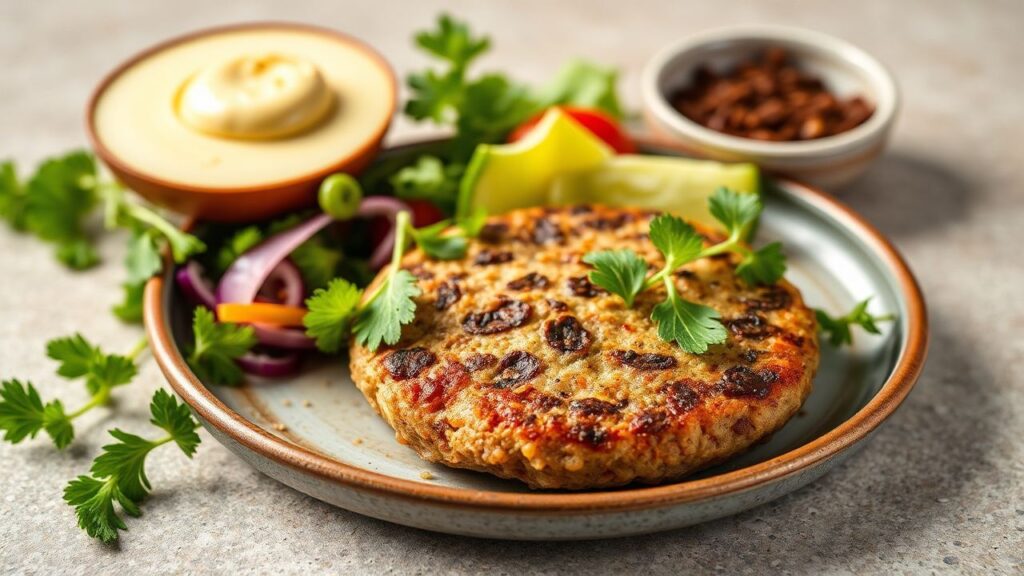
The foundational buckwheat patty recipe is merely a gateway to a universe of flavor possibilities. Experimentation is encouraged, allowing you to tailor these nutritious discs to your unique palate and the ingredients you have on hand. Consider infusing different spices and herbs to shift the flavor profile dramatically. For an Indian-inspired twist, incorporate turmeric, cumin, and a pinch of chili powder, perhaps adding finely grated ginger for an extra kick. A Mediterranean flair can be achieved with sun-dried tomatoes, olives, and oregano.
For those seeking an even higher protein count, consider adding cooked, mashed beans (like black beans or kidney beans) or finely chopped nuts and seeds to the mixture. These additions not only boost protein but also introduce new textures and beneficial fats. Another avenue for exploration is the use of different binders. While sweet potato and oat flour are excellent choices, you might experiment with ground flaxseed mixed with water (flax egg) or even a small amount of blended tofu for an exceptionally protein-rich patty.
Serving Suggestions for Every Occasion
The adaptability of buckwheat patties extends to their serving possibilities. They can be a hearty vegetarian main course, a light appetizer, or a substantial component of a packed lunch.
- The Gourmet Burger: Serve on a toasted whole-grain bun with avocado, sprouts, a smear of hummus, and a side of sweet potato fries.
- The Power Salad: Crumble warm patties over a bed of mixed greens, cherry tomatoes, cucumber, and a tahini-lemon dressing.
- The Comfort Meal: Pair with steamed broccoli, roasted Brussels sprouts, or a generous dollop of plain Greek yogurt or a dairy-free alternative.
- The Snack Sensation: Enjoy them chilled, perhaps with a spicy dipping sauce like sriracha-mayonnaise or a homemade salsa.
A Real-World Application: The Busy Professional’s Lunch Solution
Consider Sarah, a marketing executive who struggles to find time for healthy lunches during her demanding work week. She discovered buckwheat patties and has made them a staple. On Sunday evenings, she prepares a large batch, storing them in the refrigerator. Each morning, she can quickly pack a few patties to enjoy at her desk, perhaps with some raw vegetables or a small salad. This simple dietary adjustment has significantly reduced her reliance on processed convenience foods and has led to a noticeable improvement in her energy levels and overall well-being throughout the workday.
The Cultural Significance and Global Appeal
Buckwheat has a long and storied history, particularly in Eastern Europe and parts of Asia, where it has been a staple food for centuries. In Russia, buckwheat porridge (kasha) is a national dish, deeply ingrained in the culinary identity. Its resilience as a crop, thriving in cooler climates and poor soil conditions, has made it a reliable food source for generations. The modern resurgence of buckwheat patties taps into this rich heritage, reintroducing a functional and nutritious food in a format that appeals to contemporary tastes and dietary trends.
The global appeal of buckwheat patties is amplified by their inherent plant-based nature, aligning with the growing movement towards more sustainable and ethical food choices. As consumers become increasingly aware of the environmental impact of their food consumption, ingredients like buckwheat, which require fewer resources to cultivate, gain prominence. This makes buckwheat patties not just a healthy choice for the individual, but a conscientious one for the planet.
“Embracing plant-forward eating is not about deprivation; it’s about abundance. It’s about discovering the incredible diversity and deliciousness that the plant kingdom offers.” – Alice Waters, Chef and Food Activist
Frequently Asked Questions
H3: Are buckwheat patties suitable for a gluten-free diet?
Absolutely. Buckwheat is naturally gluten-free, making buckwheat patties an excellent option for individuals with celiac disease or gluten intolerance. However, it’s always prudent to check product labels to ensure there has been no cross-contamination during the manufacturing process, especially if you have a severe sensitivity.
H3: How can I make buckwheat patties crispier?
To achieve a crispier exterior, ensure your buckwheat mixture is not too wet. You can also try pan-frying them in a bit more oil over medium-high heat, being careful not to burn them. Another effective method is to lightly coat the formed patties with a thin dusting of oat flour, cornmeal, or almond flour before frying. Allowing them to cool slightly before serving can also help maintain their crispness.
H3: Can I freeze buckwheat patties?
Yes, buckwheat patties freeze exceptionally well. After cooking and cooling them completely, place them on a baking sheet in a single layer and freeze until firm. Once frozen, transfer them to an airtight container or freezer bag, separating layers with parchment paper to prevent sticking. They can be stored for up to 2-3 months. Reheat them in a skillet, oven, or toaster oven until warmed through.
H3: What are the main health benefits of eating buckwheat patties?
Buckwheat patties are a powerhouse of nutrition. They offer complete plant-based protein, are rich in fiber, and provide essential minerals like manganese, magnesium, and phosphorus. Their low glycemic index aids in blood sugar regulation, making them beneficial for diabetes management. The fiber content also supports heart health by helping to lower cholesterol levels. Additionally, their protein and fiber combination promotes satiety, aiding in weight management.
H3: How can I incorporate buckwheat patties into a high-protein diet?
Buckwheat patties are inherently a good source of protein due to the buckwheat itself. To further enhance their protein content, consider adding ingredients like cooked lentils, black beans, or even a small amount of finely chopped firm tofu to the patty mixture. Serving them with high-protein accompaniments such as Greek yogurt, tahini, or alongside lean meats or fish (if not strictly vegetarian) also boosts the overall protein intake of the meal.
Final Recommendations for Embracing Buckwheat Patties
The journey into the world of buckwheat patties is one of discovery, flavor, and profound nutritional benefit. By understanding the fundamental principles of their preparation and appreciating their robust health advantages, you are empowered to integrate this versatile ingredient into your diet with confidence and creativity. Start with the foundational recipe, and then allow your culinary intuition to guide you through an endless array of flavor combinations and serving styles.
Remember that consistency is key; aim to incorporate buckwheat patties into your weekly meal rotation. Whether it’s a quick weeknight dinner, a packed lunch, or a weekend brunch, these patties offer a reliable and delicious way to nourish your body. Embrace the opportunity to experiment, to taste, and to discover how a simple, wholesome ingredient can transform your approach to healthy eating. The power to create vibrant, satisfying meals that support your well-being is well within your reach, one perfectly crafted buckwheat patty at a time.
See also: Buckwheat Patties