
Chicken pasta has long been a weeknight staple, often conjuring images of rich, creamy sauces and indulgent flavors. However, the perception of chicken pasta as an inherently unhealthy meal is a misconception that can be readily debunked with a few strategic culinary adjustments. This guide will steer you through transforming this beloved dish into a genuinely nourishing and satisfying option, proving that convenience and health can coexist beautifully on your dinner plate. We’ll explore how to infuse your chicken pasta with vibrant nutrients, lean protein, and complex carbohydrates, ensuring a meal that not only tastes incredible but also actively contributes to your well-being.
- The Case for Healthier Chicken Pasta
- The Foundation: Choosing the Right Pasta and Chicken
- Incorporating Nutrient-Rich Vegetables: The Color Factor
- Sauce Smarts: Navigating Creamy vs. Lighter Options
- Portion Control and Mindful Eating
- The Expert’s Approach: Flavor Enhancement Without Excess
- Step-by-Step Guide to an Easy, Healthy Garlic Parmesan Chicken Pasta
- The Broader Health Impact of Chicken Pasta
- Frequently Asked Questions
- H3: Can I make this chicken pasta recipe gluten-free?
- H3: How can I add more protein to this healthy chicken pasta?
- H3: What are some good vegetable substitutions for this recipe?
- H3: Is it really possible to make a creamy chicken pasta healthy?
- Final Recommendations
Key Takeaways:
- Transforming chicken pasta into a healthy meal is achievable through mindful ingredient selection and preparation methods.
- Prioritizing whole grains, lean proteins, and abundant vegetables forms the nutritional bedrock of a healthier chicken pasta.
- Smart sauce choices and portion control are paramount in moderating calorie and fat intake without sacrificing flavor.
- This guide offers practical, expert-backed strategies for creating delicious and nutritious chicken pasta dishes that support a balanced lifestyle.
The Case for Healthier Chicken Pasta
The ubiquitous nature of chicken pasta in home kitchens and restaurant menus has, unfortunately, led to its categorization as a comfort food that often sidelines nutritional considerations. The common culprits behind this perception are typically refined white pasta, excessive amounts of saturated fat in creamy or cheesy sauces, and a general lack of vegetables. However, the foundation of chicken pasta – pasta and chicken – can be incredibly nutritious. Pasta, when chosen wisely, provides essential complex carbohydrates for sustained energy, while chicken is a lean protein powerhouse. The challenge lies not in the core ingredients, but in how they are assembled and prepared. By understanding the nutritional impact of each component, we can consciously curate a chicken pasta dish that is both delicious and health-promoting. It’s about making informed decisions that elevate, rather than detract from, the meal’s inherent potential.
The Foundation: Choosing the Right Pasta and Chicken
The journey to a healthier chicken pasta begins with its most fundamental elements: the pasta itself and the protein. Opting for whole wheat or whole grain pasta is a significant step in the right direction. Unlike refined white pasta, whole grain varieties retain their bran and germ, offering a richer profile of fiber, vitamins, and minerals. According to the Whole Grains Council, whole grains have been linked to a reduced risk of heart disease, type 2 diabetes, and certain cancers due to their complex carbohydrate structure and nutrient density. This means sustained energy release, preventing the sharp blood sugar spikes and subsequent crashes often associated with refined grains.
When it comes to chicken, lean cuts are paramount. Boneless, skinless chicken breasts are the gold standard for a healthy chicken pasta, boasting a high protein-to-fat ratio. Chicken thighs can also be a good option if the skin is removed and visible fat is trimmed, offering a bit more moisture and flavor, though with a slightly higher fat content. Grilling, baking, or pan-searing with minimal oil are far superior preparation methods to deep-frying, which adds unnecessary calories and unhealthy fats. The goal is to maximize the protein benefit while minimizing the caloric and fat load.
Incorporating Nutrient-Rich Vegetables: The Color Factor
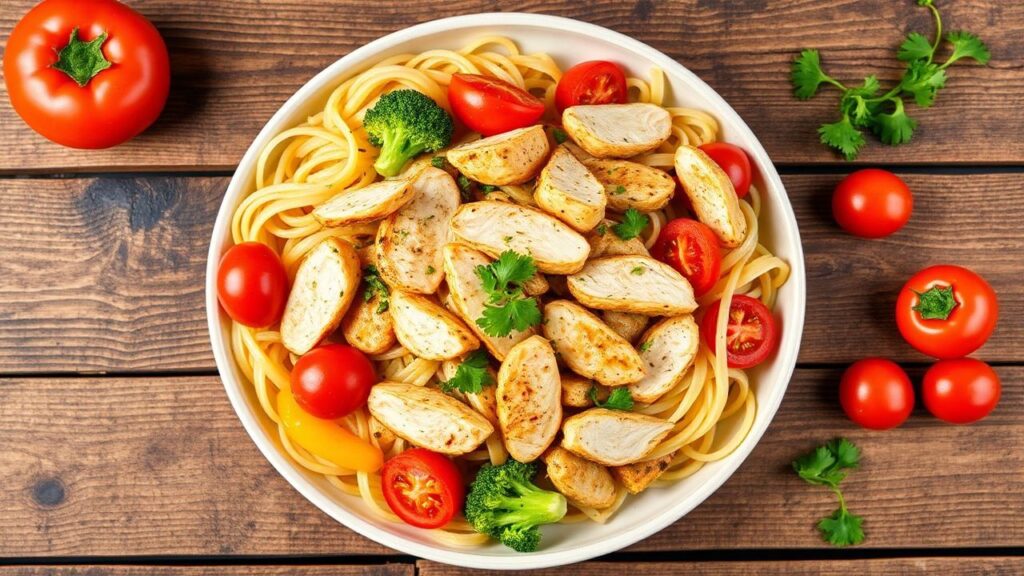
A truly healthy chicken pasta is a vibrant one, and this vibrancy comes from an abundance of vegetables. They are not merely decorative additions; they are critical components that significantly boost the nutritional profile of the dish. Vegetables provide essential vitamins, minerals, antioxidants, and dietary fiber, all of which are crucial for overall health and can contribute to feelings of fullness, aiding in portion control.
Consider a diverse palette of vegetables that complement the chicken and pasta. Broccoli and spinach are excellent sources of vitamins A, C, and K, as well as iron and calcium. Bell peppers, in their various colors, offer a significant dose of vitamin C and antioxidants. Cherry tomatoes, when lightly sautéed, release their lycopene, a powerful antioxidant. Zucchini and mushrooms add volume and a subtle earthy flavor while being low in calories and high in nutrients. The key is to incorporate them generously, ensuring they are not an afterthought but an integral part of the meal’s composition. Roasting or lightly sautéing vegetables can enhance their natural sweetness and texture, making them more appealing to even the most discerning palates.
Sauce Smarts: Navigating Creamy vs. Lighter Options
The sauce is often the make-or-break element for the healthiness of chicken pasta. Traditional creamy sauces, laden with heavy cream, butter, and copious amounts of cheese, can quickly elevate a dish from healthy to decadent, and not in a good way nutritionally. However, this doesn’t mean you must forgo creamy textures altogether.
Consider lighter alternatives that deliver similar satisfaction. A base of low-sodium chicken broth or vegetable broth, thickened with a small amount of whole wheat flour or cornstarch, can create a lighter sauce. Pureed vegetables, such as roasted cauliflower or butternut squash, can lend a surprisingly creamy texture and a nutritional boost without the heavy fat content. A simple garlic and olive oil base, often referred to as “aglio e olio,” infused with herbs and a squeeze of lemon juice, offers a bright, flavorful, and exceptionally healthy option. For those who still crave creaminess, using a reduced-fat milk or a plant-based milk like unsweetened almond or cashew milk can significantly cut down on saturated fat and calories. A small amount of Parmesan cheese can still be used for flavor, but sparingly, to avoid an overload of sodium and fat.
Portion Control and Mindful Eating
Even with the healthiest ingredients and preparation methods, portion control remains a critical factor in maintaining a balanced diet. A common pitfall with pasta dishes is the tendency to overserve, leading to excessive calorie intake. The recommended serving size for pasta is typically around 2 ounces (dry weight), which translates to roughly one cup cooked. However, many individuals consume significantly more.
Be mindful of your serving size. Using smaller plates can psychologically assist in managing portions. Moreover, practice mindful eating: savor each bite, pay attention to your body’s hunger and fullness cues, and avoid distractions like television or smartphones while eating. This not only helps with portion control but also enhances the overall dining experience, allowing you to appreciate the flavors and textures of your carefully prepared meal. Combining a sensible portion of chicken pasta with a side salad can further contribute to satiety and ensure you are getting a well-rounded meal.
The Expert’s Approach: Flavor Enhancement Without Excess
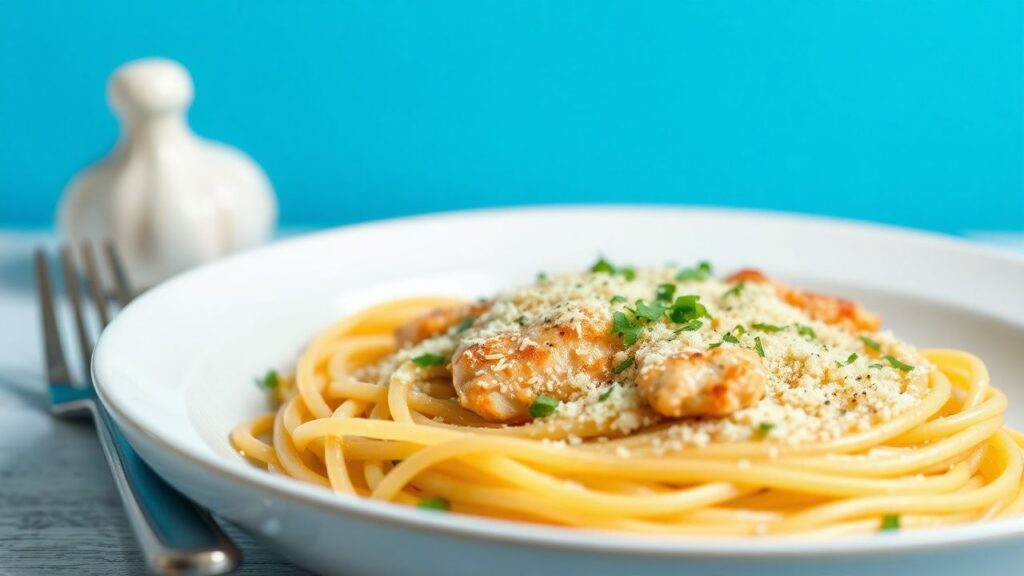
As an experienced culinary professional, I’ve learned that achieving exceptional flavor in healthy dishes is not about deprivation, but about intelligent ingredient utilization and technique. For chicken pasta, this means leaning into aromatics and fresh herbs.
Start with a base of finely minced garlic and onion, sautéed gently in a tablespoon of olive oil until fragrant. This forms an incredibly flavorful foundation. Fresh herbs like basil, parsley, oregano, and thyme can be added towards the end of cooking to preserve their vibrant taste and aroma. A squeeze of fresh lemon juice can brighten flavors and cut through richness, especially in lighter sauces. Don’t underestimate the power of a pinch of red pepper flakes for a subtle kick that can enhance the perception of flavor without adding calories. Roasting vegetables alongside the chicken can also intensify their natural sweetness and create a deeper flavor profile for the entire dish.
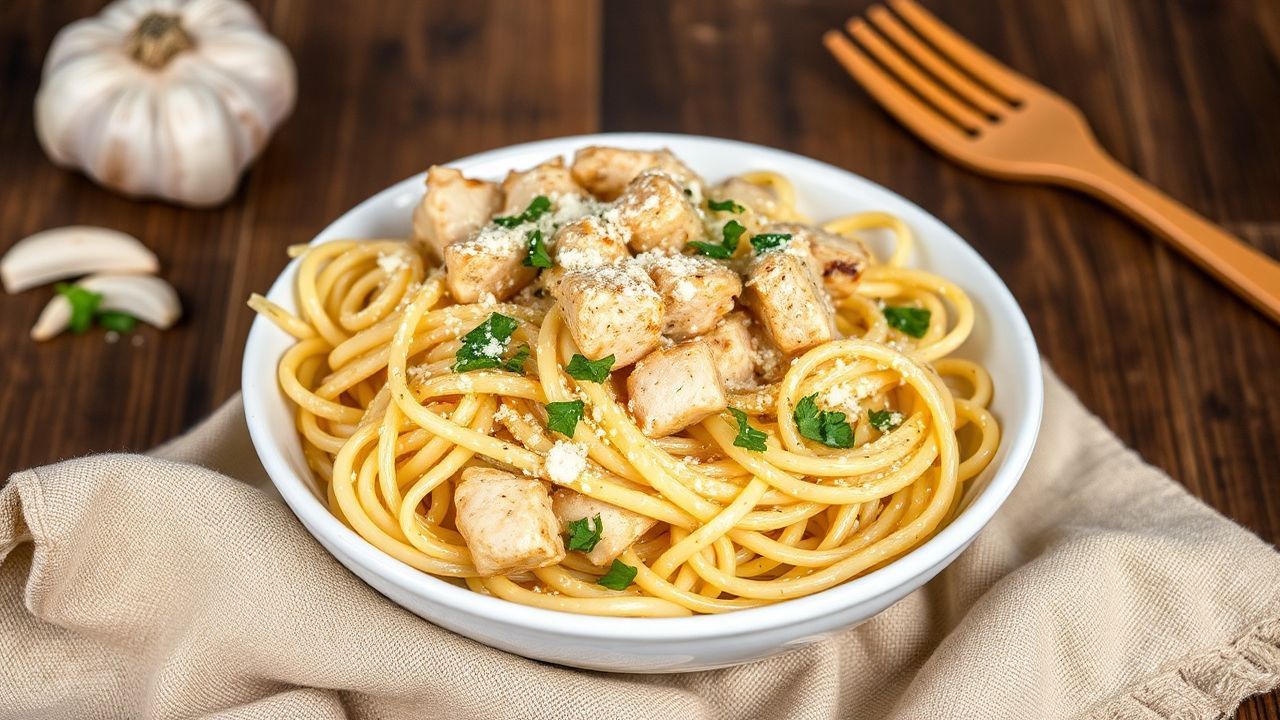
Step-by-Step Guide to an Easy, Healthy Garlic Parmesan Chicken Pasta
This recipe offers a balanced approach, prioritizing lean protein, whole grains, and fresh vegetables, with a focus on flavor without excessive fat or sodium.
Ingredients:
- 8 ounces whole wheat pasta (linguine, spaghetti, or penne)
- 1 pound boneless, skinless chicken breasts, cut into bite-sized pieces
- 2 tablespoons olive oil, divided
- 4 cloves garlic, minced
- 1 cup broccoli florets
- 1 cup cherry tomatoes, halved
- 1/2 cup chopped bell pepper (any color)
- 1/4 cup low-sodium chicken broth or vegetable broth
- 2 tablespoons grated Parmesan cheese (optional, for garnish)
- 2 tablespoons fresh parsley, chopped
- Salt and freshly ground black pepper to taste
- Pinch of red pepper flakes (optional)
Instructions:
- Cook the Pasta: Bring a large pot of salted water to a boil. Add the whole wheat pasta and cook according to package directions until al dente. Reserve about 1/2 cup of pasta water before draining.
- Prepare the Chicken: While the pasta cooks, pat the chicken pieces dry with paper towels. Season with salt and pepper. Heat 1 tablespoon of olive oil in a large skillet or Dutch oven over medium-high heat. Add the chicken and cook until browned and cooked through, about 5-7 minutes. Remove the chicken from the skillet and set aside.
- Sauté Aromatics and Vegetables: Add the remaining 1 tablespoon of olive oil to the same skillet. Add the minced garlic and red pepper flakes (if using) and sauté for about 30 seconds until fragrant, being careful not to burn the garlic. Add the broccoli florets, cherry tomatoes, and bell pepper. Sauté for 5-7 minutes, until the vegetables are tender-crisp.
- Build the Sauce: Pour in the low-sodium broth. Bring to a simmer and let it reduce slightly for 2-3 minutes.
- Combine and Finish: Return the cooked chicken to the skillet. Add the drained pasta. Toss everything together to coat. If the pasta seems a bit dry, add a tablespoon or two of the reserved pasta water to create a light sauce. Season with additional salt and pepper to taste.
- Garnish and Serve: Stir in most of the fresh parsley. Serve immediately, garnished with the optional grated Parmesan cheese and the remaining fresh parsley.
The Broader Health Impact of Chicken Pasta
Beyond the immediate nutritional benefits of a single meal, incorporating healthier chicken pasta dishes into your regular rotation can contribute significantly to long-term well-being. The emphasis on whole grains supports digestive health and can help regulate blood sugar levels, a crucial factor in preventing or managing type 2 diabetes. The lean protein from chicken aids in muscle repair and satiety, which can be beneficial for weight management. Furthermore, the abundance of vitamins, minerals, and antioxidants from a wide array of vegetables matter significantly in bolstering the immune system, reducing inflammation, and protecting against chronic diseases. Research published in the *American Journal of Clinical Nutrition* has consistently shown that diets rich in whole grains and vegetables are associated with lower risks of cardiovascular disease and certain cancers. By making conscious choices about your chicken pasta, you are not just preparing a meal; you are investing in your health.
Frequently Asked Questions
H3: Can I make this chicken pasta recipe gluten-free?
Absolutely. To make this chicken pasta recipe gluten-free, simply substitute the whole wheat pasta with your favorite gluten-free pasta option. Many excellent gluten-free pastas made from rice, corn, quinoa, or legumes are available and will work beautifully in this dish. Ensure that any other packaged ingredients you use, such as broth, are also certified gluten-free.
H3: How can I add more protein to this healthy chicken pasta?
While chicken breast is already a good source of lean protein, you can further enhance the protein content by using a larger portion of chicken, or by incorporating other lean protein sources. For instance, adding a can of drained and rinsed cannellini beans or chickpeas to the vegetable sauté can boost both protein and fiber. Alternatively, you could mix in some pre-cooked lentils for an additional protein and iron punch.
H3: What are some good vegetable substitutions for this recipe?
The beauty of this healthy chicken pasta is its versatility. Feel free to swap out the suggested vegetables for others you have on hand or prefer. Excellent alternatives include asparagus spears, green beans, peas, zucchini noodles (zoodles), spinach, kale, mushrooms, or even roasted Brussels sprouts. The key is to maintain a colorful and varied mix of vegetables to maximize nutrient intake.
H3: Is it really possible to make a creamy chicken pasta healthy?
Yes, it is entirely possible to achieve a satisfying creamy texture in a healthy chicken pasta. The trick lies in using lighter thickening agents and bases. Instead of heavy cream, consider using pureed silken tofu, blended cannellini beans, a small amount of low-fat Greek yogurt (added off the heat to prevent curdling), or even a cashew cream made from soaked and blended cashews. These alternatives provide creaminess with significantly less saturated fat and calories than traditional dairy-based creams.
Final Recommendations
Embracing a healthier approach to chicken pasta is not about adopting restrictive diets; it’s about making informed, empowering choices that align with a balanced lifestyle. By prioritizing whole grains, lean proteins, a rainbow of vegetables, and smart sauce strategies, you can transform a potentially heavy meal into a nutrient-dense powerhouse. Remember that consistency is key. Make healthy chicken pasta a regular feature in your meal rotation, and you will undoubtedly experience the positive effects on your energy levels, overall well-being, and enjoyment of food. Experiment with different vegetables, herbs, and lighter sauce bases to discover your personal favorite healthy chicken pasta variations.
See also: Chicken Pasta