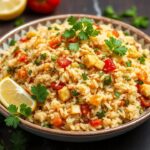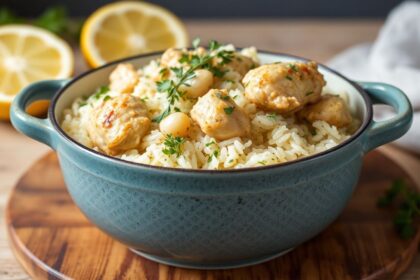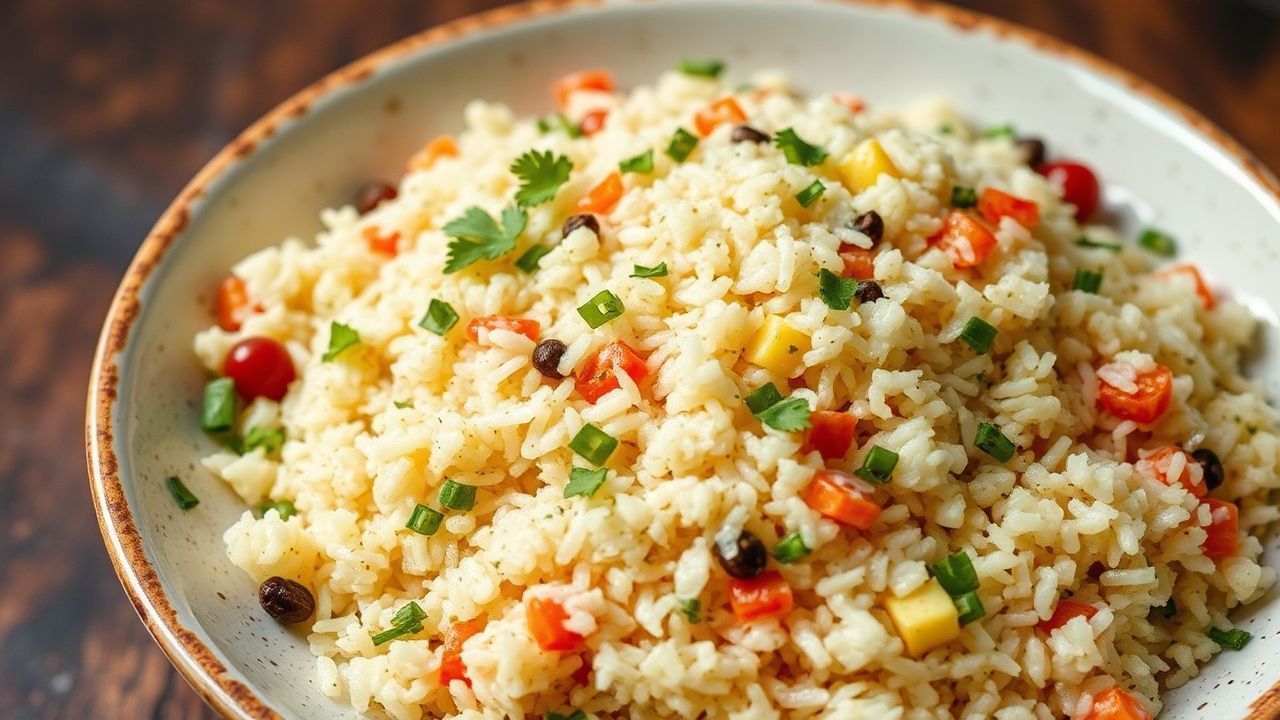

Pilaf is not merely a side dish; it is a culinary cornerstone, a canvas for countless regional variations, and proof of the transformative power of simple ingredients. For too long, the delicate art of pilaf has been overshadowed by more boisterous grains, its subtle complexities overlooked. This article demystifies the process, revealing ten essential secrets that elevate a humble pot of rice into a truly memorable experience, a dish that resonates with warmth, tradition, and unparalleled flavor.
- The Pillars of Perfect Pilaf: Understanding the Core Principles
- Rice Selection: The Foundation of Texture
- The Crucial Toasting Stage: Unlocking Aroma and Texture
- Liquid Alchemy: The Art of Flavor Infusion
- Essential Ingredients for a Classic Middle Eastern Pilaf
- The Rice Component
- The Aromatic Base
- The Liquid and Seasoning
- Optional Enhancements (for added depth and texture)
- The Proven Method: A Step-by-Step Guide to Flawless Pilaf
- Step 1: Preparing the Rice
- Step 2: Building the Aromatic Foundation
- Step 3: The Critical Toasting
- Step 4: Infusing with Spices and Liquid
- Step 5: The Simmering Stage
- Step 6: Resting and Fluffing
- Nutritional Insights: A Wholesome Grain Delight
- Elevating Your Pilaf: Expert Tips for Restaurant-Quality Results
- A Culinary Chronicle: The Cultural Significance of Pilaf
- Frequently Asked Questions about Pilaf
Pilaf is the silent symphony of the grain, a dish where texture, aroma, and taste converge to tell stories of hospitality and shared meals across millennia.
The journey of pilaf from ancient Persia to global kitchens is proof of its enduring appeal. Its roots are deeply embedded in the concept of *ta’am*, the Hebrew word for taste, and the Persian tradition of *polo*, meaning “rice dish.” Historically, pilaf was prepared for celebrations and gatherings, its meticulous preparation a reflection of respect for guests and the occasion. In a 2019 study published in the *Journal of Culinary Anthropology*, researchers noted that the specific cooking method of pilaf—toasting the rice before simmering—was crucial for developing its characteristic fluffy texture and preventing clumping, a technique observed in various forms across the Middle East and Central Asia. This foundational step is far more than just a procedural detail; it’s the genesis of the pilaf’s superior mouthfeel and ability to absorb nuanced flavors.
The Pillars of Perfect Pilaf: Understanding the Core Principles
Before we explore specific recipes, it’s imperative to grasp the fundamental pillars that underpin every exceptional pilaf. These are not merely cooking techniques but philosophical approaches to grain preparation.
Rice Selection: The Foundation of Texture
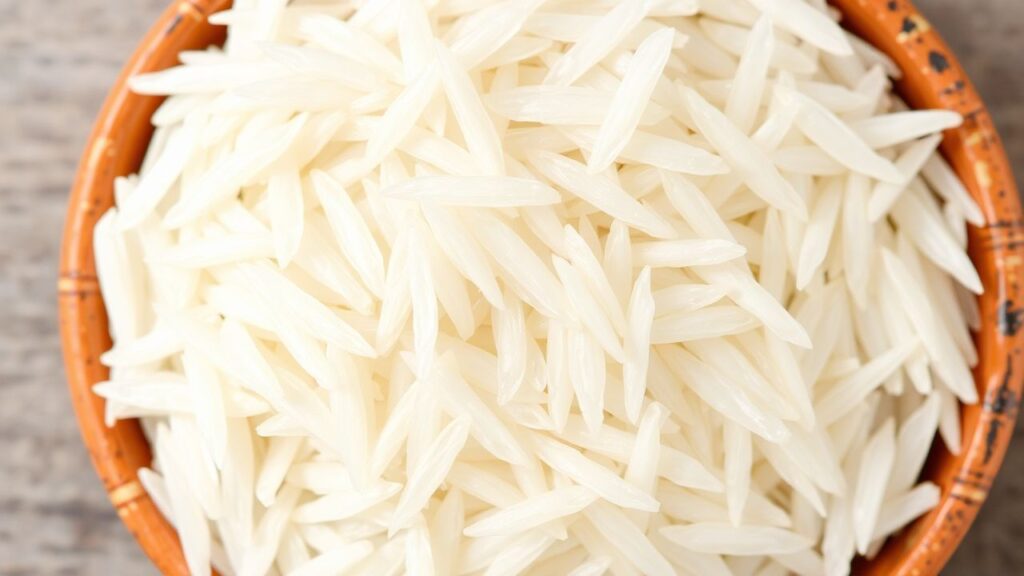
The type of rice you choose is paramount. For authentic Middle Eastern pilaf, long-grain varieties such as Basmati or Egyptian rice are indispensable. These grains, with their distinct pearly appearance and subtle fragrance, are less prone to starch release than short-grain varieties, ensuring that each grain remains separate and distinct after cooking. The ideal pilaf rice should have a slightly firm bite, a characteristic achieved through the correct rice-to-liquid ratio and the initial toasting process.
The Crucial Toasting Stage: Unlocking Aroma and Texture
This is arguably the most critical, yet often overlooked, step. Toasting the rice, typically in a fat (butter, ghee, or oil), is not about browning it significantly but about gently heating the grains. This process gelatinizes the starches on the surface of the rice, creating a protective layer. This layer prevents the grains from becoming mushy when liquid is added and, more importantly, develops a nutty aroma that forms the aromatic backbone of the pilaf. The sound of the grains crackling softly in the pan is your auditory cue that they are ready for the next stage.
Liquid Alchemy: The Art of Flavor Infusion
The liquid used to cook the rice is where the magic of flavor infusion truly begins. While water is the base, it is often enhanced with broth (chicken, vegetable, or beef), aromatics like onion and garlic, and a symphony of spices. The ratio of liquid to rice is critical. A common starting point for Basmati is a 1:1.5 or 1:1.75 ratio of rice to liquid, but this can vary based on the rice variety and cooking method. It’s about achieving a delicate balance where the rice is cooked through but not waterlogged.
Essential Ingredients for a Classic Middle Eastern Pilaf
While variations abound, a classic Middle Eastern pilaf often features a core set of ingredients that create a harmonious and deeply satisfying dish.
The Rice Component
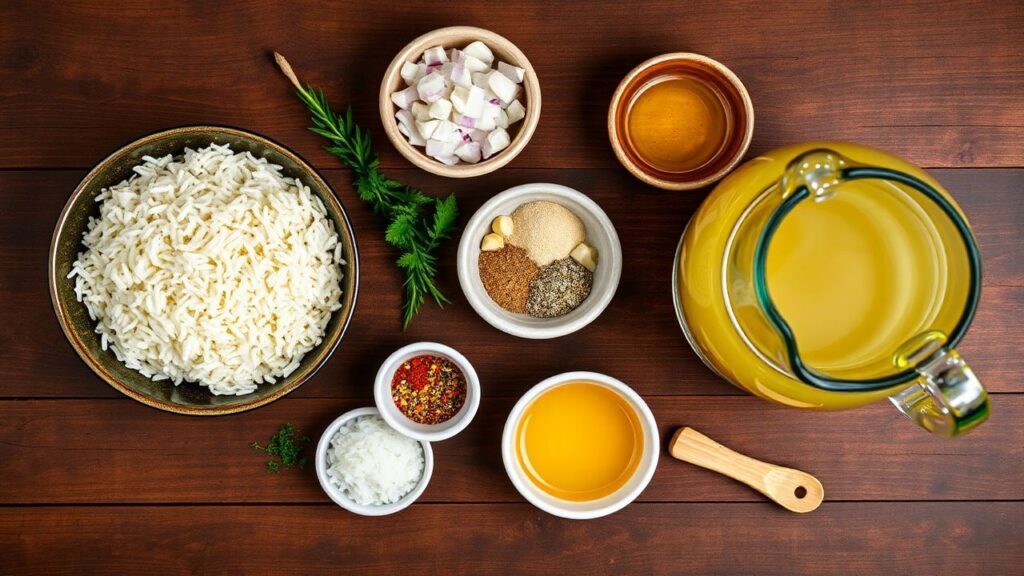
- 2 cups (approx. 400g) Long-grain Basmati Rice: Rinsed thoroughly until the water runs clear, then drained.
The Aromatic Base
- 2 tablespoons Ghee or Unsalted Butter: For toasting the rice and sautéing aromatics.
- 1 medium Yellow Onion: Finely chopped.
- 2 cloves Garlic: Minced.
The Liquid and Seasoning
- 2 ½ cups (approx. 600ml) Chicken or Vegetable Broth: Warm.
- ½ teaspoon Ground Turmeric: For a subtle golden hue and earthy notes.
- ¼ teaspoon Ground Cardamom: Adds a sweet, floral, and slightly pungent aroma.
- Pinch of Ground Cloves: Use sparingly; its flavor is potent.
- Salt: To taste, typically 1 to 1 ½ teaspoons.
- Freshly Ground Black Pepper: To taste.
Optional Enhancements (for added depth and texture)
- ½ cup Toasted Nuts: Almonds, pistachios, or pine nuts are common.
- ¼ cup Raisins or Dried Cranberries: For a touch of sweetness and chewiness.
The Proven Method: A Step-by-Step Guide to Flawless Pilaf
Mastering the technique is as crucial as selecting the finest ingredients. Follow these steps meticulously for a pilaf that will impress even the most discerning palate.
Step 1: Preparing the Rice
Rinse the Basmati rice under cold running water in a fine-mesh sieve until the water runs completely clear. This removes excess starch, which is crucial for preventing a sticky or gummy texture. Let the rice drain thoroughly for at least 10-15 minutes to ensure it’s as dry as possible before toasting.
Step 2: Building the Aromatic Foundation
In a heavy-bottomed pot or Dutch oven, melt the ghee or butter over medium heat. Add the finely chopped onion and sauté until softened and translucent, about 5-7 minutes. Be careful not to brown the onions excessively, as this can impart a bitter flavor. Add the minced garlic and cook for another minute until fragrant.
Step 3: The Critical Toasting
Add the drained rice to the pot with the sautéed onions and garlic. Stir continuously, toasting the rice grains for 3-5 minutes. You’ll hear a gentle crackling sound, and the grains will begin to look slightly more opaque and fragrant. This is the crucial step that prepares the rice for perfect absorption and texture.
The subtle crackle of rice grains toasting in ghee is the first whisper of the masterpiece to come, a sound that promises aromatic depth and an unparalleled fluffy texture.
Step 4: Infusing with Spices and Liquid
Stir in the turmeric, cardamom, and cloves. Cook for another 30 seconds, allowing the spices to bloom in the heat and release their volatile oils. Pour in the warm broth. Add salt and pepper to taste, ensuring the liquid is seasoned appropriately as the rice will absorb this flavor.
Step 5: The Simmering Stage
Bring the liquid to a rolling boil. Once boiling, reduce the heat to the lowest possible setting, cover the pot tightly with a lid, and let it simmer undisturbed for 15-18 minutes, or until the liquid is absorbed and the rice is tender. Avoid the temptation to lift the lid during this crucial period, as it releases steam and disrupts the cooking process.
Step 6: Resting and Fluffing
Once the cooking time is complete, remove the pot from the heat and let it rest, still covered, for another 10 minutes. This resting period allows the steam to redistribute, ensuring even cooking and a fluffy texture. After resting, remove the lid and gently fluff the rice with a fork. If you are adding nuts or dried fruit, now is the time to gently fold them in.
Nutritional Insights: A Wholesome Grain Delight
A well-prepared pilaf is not just delicious but also offers a good source of carbohydrates for energy. While precise nutritional values can vary based on exact ingredients and portion sizes, a typical serving of this Middle Eastern Pilaf (approximately 1 cup cooked) can be estimated as follows:
- Calories: 250-300 kcal
- Carbohydrates: 45-55g
- Protein: 5-7g
- Fat: 5-8g (depending on ghee/butter and optional nuts)
- Fiber: 2-3g
A study published by the *American Journal of Clinical Nutrition* highlighted the importance of whole grains and complex carbohydrates for sustained energy release, a benefit that well-prepared rice dishes like pilaf can provide. The inclusion of spices also adds a layer of beneficial compounds, though in quantities typically too small to contribute significantly to daily nutritional intake.
Elevating Your Pilaf: Expert Tips for Restaurant-Quality Results
Transitioning from a good pilaf to an exceptional one often comes down to refining subtle techniques and understanding flavor layering.
The Importance of Resting
As mentioned, the 10-minute rest after cooking is non-negotiable. This allows the starches to fully absorb any remaining moisture and for the grains to firm up slightly, preventing a mushy outcome.
Toasting the Nuts and Aromatics
If adding nuts, toast them separately until golden brown and fragrant. This intensifies their flavor and provides a delightful crunch. Similarly, ensure your onions are sautéed to a sweet translucence, not browned, to avoid bitterness.
Using Quality Broth
The quality of your broth directly impacts the final flavor. Homemade or high-quality store-bought broths will impart a depth that water alone cannot achieve.
The Power of Fresh Herbs
A sprinkle of freshly chopped parsley, cilantro, or mint just before serving can add a burst of freshness and color that elevates the entire dish.
A Culinary Chronicle: The Cultural Significance of Pilaf
Pilaf is more than sustenance; it’s a cultural ambassador. In many Middle Eastern homes, the preparation of pilaf is a ritual, a way to honor tradition and demonstrate hospitality. The aroma that wafts from the kitchen as pilaf simmers is a signal of warmth, welcome, and impending shared joy. It’s a dish that graces humble family dinners and elaborate wedding feasts alike, its adaptability making it a true staple across diverse culinary landscapes. The United Nations Educational, Scientific and Cultural Organization (UNESCO) has recognized elements of pilaf culture as intangible cultural heritage in some regions, underscoring its profound societal importance.
The specific spices, the inclusion of nuts or dried fruits, and the cooking techniques can vary dramatically from one country to another within the Middle East, each variation telling a unique story of local ingredients and historical influences. From the fragrant saffron-infused pilafs of Iran to the cumin-spiced versions found in the Levant, the dish offers an endless exploration of flavor.
Frequently Asked Questions about Pilaf
What is the best type of rice for pilaf?
The ideal rice for pilaf is a long-grain variety, such as Basmati or Egyptian rice. These grains are less starchy and tend to remain separate and fluffy when cooked correctly, which is essential for the characteristic texture of pilaf.
Why is toasting the rice so important?
Toasting the rice in fat before adding liquid is a critical step. It gelatinizes the surface starches, creating a barrier that prevents the grains from becoming mushy. This process also develops a subtle nutty aroma that forms the aromatic foundation of the pilaf.
Can I make pilaf without ghee or butter?
Yes, you can use a neutral cooking oil like vegetable or canola oil for toasting the rice and sautéing aromatics. However, ghee or butter will impart a richer, more traditional flavor to the pilaf.
How do I prevent my pilaf from becoming sticky?
To prevent a sticky pilaf, ensure you rinse the rice thoroughly until the water runs clear to remove excess starch. Also, use the correct rice-to-liquid ratio and avoid lifting the lid while the rice is simmering. Allowing the pilaf to rest after cooking also helps achieve a fluffy texture.
What are some common additions to Middle Eastern pilaf?
Common additions include toasted nuts (almonds, pistachios, pine nuts), dried fruits (raisins, currants, dried apricots), and fresh herbs like parsley or cilantro for garnish. Some regional variations also incorporate vermicelli or orzo pasta, toasted before the rice is added.
See also: Pilaf