
Mastering High-Heat Cooking: The Crucial Role of the Right Oil
When mastering the art of high-heat cooking, selecting the correct oil is paramount. It’s the difference between a perfectly seared steak and a smoking disaster. Whether you’re stir-frying vibrant vegetables, searing a juicy steak, or deep-frying golden-brown perfection, an oil’s ability to withstand intense temperatures without breaking down is essential. This guide unlocks the secrets behind the top oils that thrive under heat, elevating flavor while maintaining their nutritional integrity.
- Mastering High-Heat Cooking: The Crucial Role of the Right Oil
- Understanding Smoke Points: Your First Line of Defense
- Top Oils Engineered for Intense Heat
- Avocado Oil: The All-Around Performer
- Refined Coconut Oil: A Tropical Advantage
- Light Olive Oil (Refined): A Versatile Staple
- Grapeseed Oil: The Neutral Palate
- Safflower Oil: High Oleic Champion
- Peanut Oil: The Deep-Frying Favorite
- Beyond Smoke Points: Flavor and Nutrition
- Practical Tips for High-Heat Oil Mastery
- FAQ: Your High-Heat Oil Questions Answered
Key Takeaways: High-Heat Cooking Oils
- Choosing oils with high smoke points prevents burning and the creation of undesirable compounds.
- Refined oils generally possess higher smoke points than their unrefined counterparts.
- Avocado oil, refined coconut oil, and light olive oil are excellent choices for various high-heat applications.
- Consider the flavor profile of the oil to complement your dish’s ingredients.
Understanding Smoke Points: Your First Line of Defense
The “smoke point” of an oil is the temperature at which it begins to produce visible smoke. Once an oil reaches its smoke point, it starts to degrade, breaking down its fatty acids. This degradation not only imparts an unpleasant burnt flavor to your food but can also release harmful free radicals.
For any cooking method involving high temperatures, such as searing, frying, or even aggressive stir-frying, selecting an oil with a smoke point well above your intended cooking temperature is crucial. Think of it as a buffer, ensuring your oil remains stable and performs optimally. Understanding this single factor is the most critical step in achieving culinary success and maintaining a healthy cooking environment.
Top Oils Engineered for Intense Heat
Not all oils are created equal when it comes to enduring high temperatures. Some oils, due to their chemical structure and refinement process, are far more resilient. These oils allow you to achieve that perfect sear or crispy exterior without compromising the quality of your ingredients or the oil itself.
We examine the contenders that consistently perform under pressure, ensuring your high-heat culinary endeavors are always a success. These oils offer stability, contribute positively to flavor, and maintain their beneficial properties when subjected to intense heat.
Avocado Oil: The All-Around Performer
With an exceptionally high smoke point, often around 520°F (271°C) for refined varieties, avocado oil is a champion for high-heat cooking. Its neutral flavor profile means it won’t interfere with the taste of your food, making it incredibly versatile.
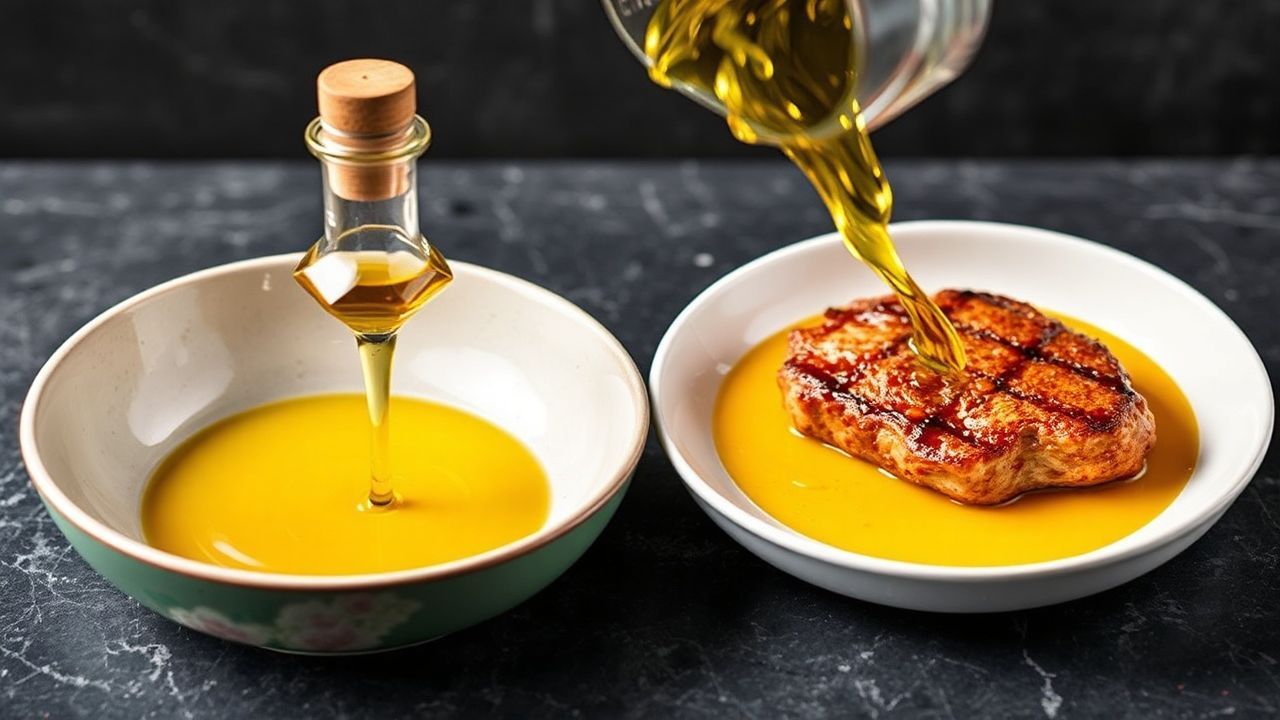
This oil is perfect for everything from pan-searing steaks and chicken to stir-frying vegetables and even deep-frying. Its rich content of monounsaturated fats also contributes to its stability under heat. You can find more about the benefits of healthy fats on the Wikipedia page for Fat.
Refined Coconut Oil: A Tropical Advantage
Refined coconut oil boasts a smoke point of around 450°F (232°C). While unrefined coconut oil has a lower smoke point and a distinct coconut flavor, the refined version is processed to remove impurities, resulting in a higher smoke point and a more neutral taste.
It’s excellent for sautéing and baking where a subtle, tropical undertone might be desirable. The medium-chain triglycerides (MCTs) in coconut oil are also known for their unique metabolic properties, as discussed on Wikipedia regarding MCTs.
Light Olive Oil (Refined): A Versatile Staple
Contrary to popular belief, not all olive oils are delicate. Light olive oil, also known as refined olive oil, undergoes processing that removes color and flavor compounds, significantly raising its smoke point to approximately 465°F (240°C).
This makes it a superb choice for stir-frying, roasting, and general high-heat sautéing. It offers a more affordable alternative to some specialty oils while still providing the benefits of olive oil. Understanding the different types of Olive Oil can help you make informed choices.
Grapeseed Oil: The Neutral Palate
Grapeseed oil has a moderate to high smoke point, typically around 420°F (216°C). Its light, neutral flavor makes it an almost invisible participant in your cooking, allowing the natural flavors of your ingredients to shine through.
It’s a fantastic option for sautéing, pan-frying, and even in homemade mayonnaise or dressings. Its subtle taste profile makes it a go-to for many chefs. The extraction process for oils like grapeseed is often discussed in the context of Seed Oil production.
Safflower Oil: High Oleic Champion
Safflower oil, especially high-oleic varieties, can achieve smoke points as high as 510°F (266°C). This makes it one of the most stable oils for extreme heat applications.
It’s ideal for deep-frying and any cooking method that requires sustained, high temperatures. Its neutral flavor ensures it complements rather than competes with your dish’s core tastes.
Peanut Oil: The Deep-Frying Favorite
Refined peanut oil is a classic choice for deep-frying, with a smoke point around 450°F (232°C). It imparts a subtle, pleasant nutty flavor that is particularly well-suited for Asian cuisine and classic fried foods.
When dealing with common allergens, it’s important to be aware of ingredients. Information on Peanuts and their common uses can be found on Wikipedia.
Beyond Smoke Points: Flavor and Nutrition
While smoke point is king for high-heat cooking, the flavor profile and nutritional content of an oil also play a role in your culinary decisions. Some oils add a desirable depth of flavor, while others are chosen for their health benefits.
Consider how the oil’s inherent taste will interact with your ingredients. For instance, a robust peanut oil might be perfect for a spicy stir-fry, whereas a neutral avocado oil ensures the delicate flavors of seared scallops are not overshadowed.
The Nutritional Landscape of Cooking Oils
Many high-heat oils are rich in monounsaturated and polyunsaturated fats, which are considered heart-healthy. Avocado oil, for example, is packed with vitamin E and monounsaturated fats. Light olive oil also provides beneficial polyphenols.
However, it’s crucial to remember that the health benefits of oils can be compromised if they are heated beyond their smoke point. Consistent overheating can lead to the formation of harmful compounds, regardless of the oil’s initial nutritional profile. Understanding the fat composition of oils is key, and a good resource is the Wikipedia entry on Fatty Acids.
Practical Tips for High-Heat Oil Mastery
Achieving perfect results with high-heat cooking involves more than just selecting the right oil. Proper technique and preparation are equally important.
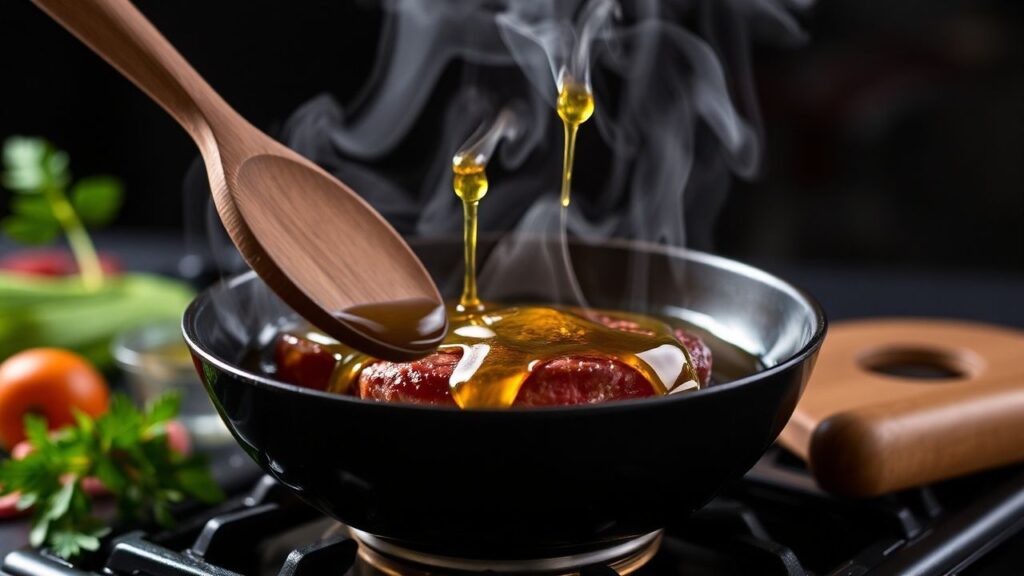
Always ensure your pan is adequately preheated before adding oil. This prevents food from sticking and ensures an even sear. Once the oil is added, let it shimmer—a visual cue that it’s reached the optimal temperature without smoking.
Don’t Overcrowd the Pan
A common mistake in high-heat cooking is overcrowding the pan. When too much food is added at once, it lowers the pan’s temperature significantly. This leads to steaming rather than searing, resulting in soggy food instead of a desirable crust.
Work in batches if necessary to maintain a consistent, high temperature. This allows each piece of food to come into direct contact with the hot pan and oil, promoting proper browning and flavor development.
Storage Matters
Proper storage of your cooking oils is vital for maintaining their freshness and preventing rancidity. Most oils, including those used for high-heat cooking, should be stored in a cool, dark place, away from direct sunlight and heat.
A pantry or cupboard is ideal. For oils like avocado or peanut oil, using them within a reasonable timeframe after opening ensures they retain their quality and flavor. Light can degrade oils, so keeping them in opaque containers or dark cupboards is best.
FAQ: Your High-Heat Oil Questions Answered
Q1: Why is a high smoke point crucial for searing and frying?
A high smoke point is essential because it signifies that the oil can withstand high temperatures without breaking down. When oil smokes, it degrades, releasing free radicals and creating unpleasant flavors. For searing and frying, where temperatures are intense, oils with high smoke points ensure food cooks properly without burning or developing off-flavors.
Q2: Can I use extra virgin olive oil for high-heat cooking?
Generally, extra virgin olive oil is not recommended for high-heat cooking. It has a lower smoke point (around 375°F or 190°C) due to its higher concentration of free fatty acids and polyphenols. While it’s excellent for dressings and low-heat sautéing, refined or light olive oil with a higher smoke point is a better choice for searing or frying.
Q3: How do I know if my oil is at the right temperature for searing?
The best way to tell if your oil is ready for searing is to observe its behavior. When the oil is hot enough, it will shimmer. You can also test it by adding a tiny piece of food or a drop of water; if it sizzles and evaporates instantly, the oil is ready. Avoid waiting for smoke, as this means the oil is too hot.
Q4: What are the best oils for deep-frying and why?
Peanut oil, refined safflower oil, and avocado oil are excellent choices for deep-frying due to their high smoke points (around 450-510°F or 232-266°C). These oils can maintain stability at the high temperatures required for deep-frying, producing a crispy exterior on foods without burning the oil itself.
Q5: Does the flavor of high-heat oils matter?
Yes, the flavor can matter significantly. Neutral oils like avocado, grapeseed, or refined safflower oil are ideal when you want the ingredients’ flavors to be the star. Oils like peanut oil or refined coconut oil can add a complementary flavor profile, which is desirable in certain cuisines, such as Asian dishes or baked goods.
By understanding the properties of different cooking oils and applying these practical tips, you can confidently tackle any high-heat cooking challenge. From achieving that perfect, crispy sear to ensuring your stir-fries are vibrant and flavorful, the right oil is your most valuable kitchen ally. Happy cooking!
See also: high-heat cooking oils