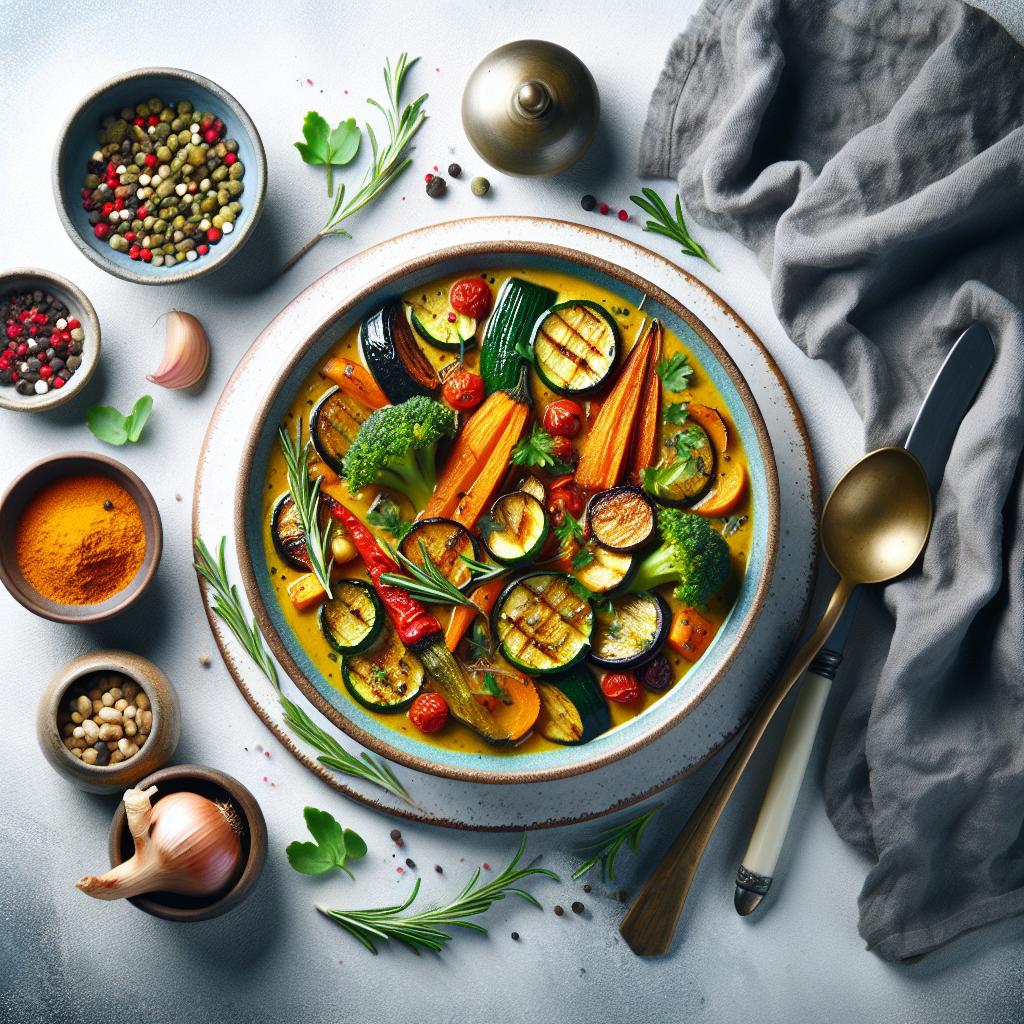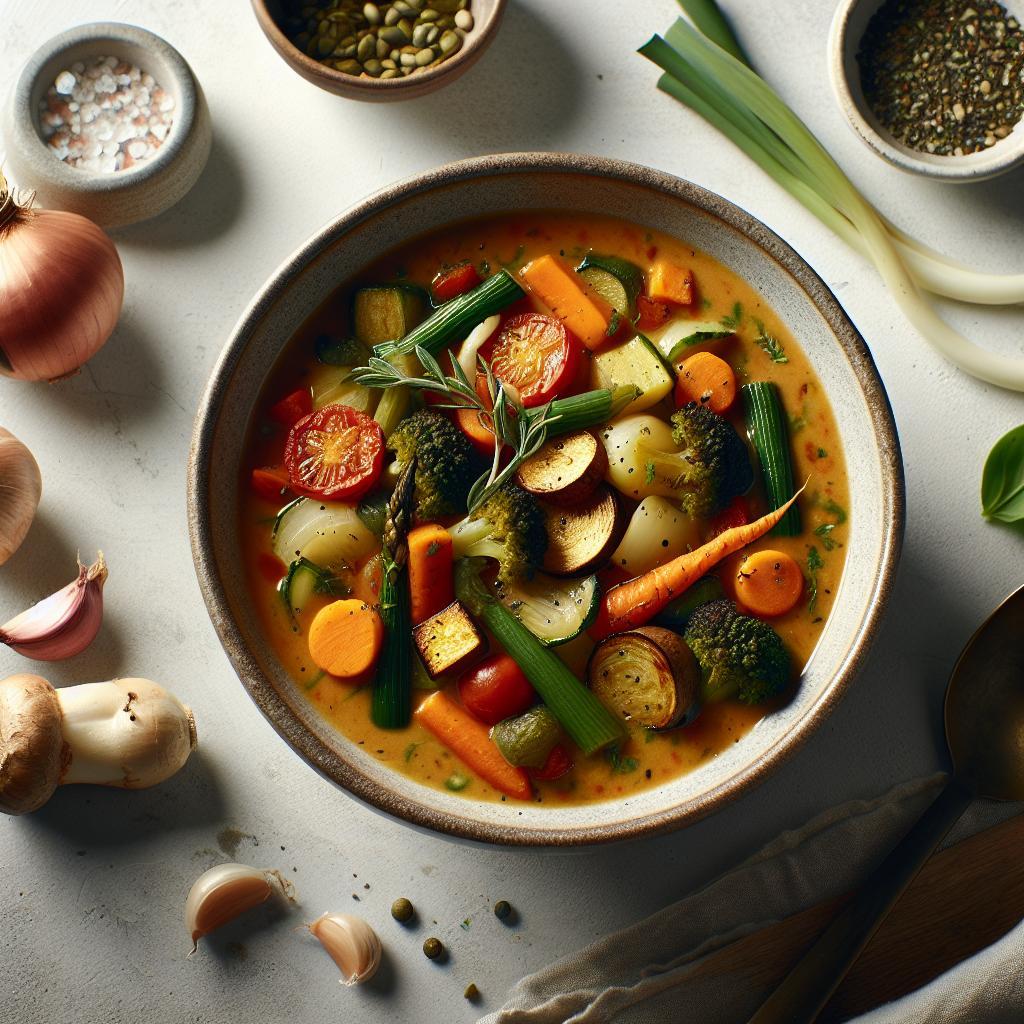

There’s something undeniably soothing about a warm bowl of soup, especially when the flavors feel like a cozy hug on a chilly day. But what if your favorite comfort food could be transformed into an even richer, more vibrant experience? Enter roasted vegetable soup-a deliciously smoky, caramelized twist on the traditional bowl of goodness. By roasting the veggies first, this recipe unlocks layers of complex, deep flavors that elevate a simple soup into a memorable feast for the senses. Join us as we explore how this easy technique reinvents classic comfort food, blending nutrition and nuanced taste to warm both body and soul.
Roasted Vegetable Soup: A Flavorful Twist on Comfort Food
Roasted Vegetable Soup is a delightful way to transform humble, seasonal produce into a vibrant and deeply satisfying meal. Roasting vegetables intensifies their natural sugars, creating caramelized edges that add complex layers of flavor and a satisfying texture to the soup. This recipe invites you to explore the harmony of carefully chosen vegetables, aromatic spices, and innovative techniques for a luxuriously creamy finish-without relying on cream or dairy.
Prep and Cook Time
- Preparation: 20 minutes
- Roasting: 35 minutes
- Simmering: 25 minutes
- Total Time: 1 hour 20 minutes
Yield
Serves 6
Difficulty Level
Easy to Medium – perfect for home cooks seeking a rewarding seasonal soup.
Ingredients
- 3 cups mixed seasonal vegetables (carrots, butternut squash, parsnips, and red bell peppers), peeled and chopped
- 1 large sweet onion, quartered
- 4 cloves garlic, peeled
- 2 tbsp olive oil
- 1 tsp smoked paprika
- 1 tsp ground cumin
- 1/2 tsp ground coriander
- 1/4 tsp cayenne pepper (optional)
- 6 cups vegetable broth, preferably low sodium
- 1 cup cooked white beans (for creaminess)
- Salt and freshly ground black pepper to taste
- Fresh rosemary sprig (optional, for roasting)
- Fresh thyme for garnish
Instructions
- Preheat your oven to 425°F (220°C). Line a large baking sheet with parchment paper for easy cleanup.
- In a large bowl, toss the chopped vegetables, onion quarters, and garlic cloves with olive oil, smoked paprika, ground cumin, coriander, and cayenne pepper. Add a rosemary sprig if using. Ensure each piece is evenly coated.
- Spread the vegetables evenly across the baking sheet. Roast for 30-35 minutes, turning halfway through until they develop golden, caramelized edges and are tender.
- Carefully transfer the roasted vegetables and garlic into a large stockpot. Add the vegetable broth and bring to a gentle simmer over medium heat.
- Stir in the cooked white beans to help build a creamy texture naturally; simmer the soup uncovered for 20-25 minutes to blend flavors fully.
- Use an immersion blender or transfer in batches to a countertop blender and puree the soup until smooth. For an extra lush consistency, blend until perfectly creamy without using dairy.
- Season generously with salt and freshly ground black pepper. Adjust spices to taste, adding a pinch more smoked paprika or cayenne if you desire a bolder flavor profile.
- Serve hot in warmed bowls, garnished with fresh thyme leaves and a drizzle of high-quality olive oil for a beautiful finish.
Tips for Success
- Vegetable Choice: Use a mix of sweet and earthy vegetables such as carrots, butternut squash, and parsnips for balance. Bell peppers add a subtle smoky sweetness when roasted.
- Aromatics Balance: The trio of smoked paprika, cumin, and coriander builds a warm, inviting base spice profile. Adjust cayenne for heat, or omit for a milder soup.
- Pureeing Tip: Beans are a brilliant natural thickener, boosting creaminess without heaviness. Cannellini or navy beans work beautifully.
- Make Ahead: This soup tastes even better the next day once flavors marry. Store in an airtight container in the fridge up to 3 days, or freeze for up to 3 months.
- Texture Variation: For more bite, reserve a handful of roasted vegetables and stir them in after blending.
Serving Suggestions
Present this roasted vegetable soup in rustic bowls to highlight its comforting soul food roots. Garnish with a fresh thyme sprig or a sprinkle of toasted pumpkin seeds for crunch. Pair with crusty artisan bread, garlic crackers, or a light green salad for a complete meal. A swirl of extra virgin olive oil or a spoonful of herb-infused oil adds a glossy, inviting sheen and subtle flavor boost. Consider a side of tangy pickled vegetables to offset the soup’s natural sweetness.

| Nutrient | Amount per Serving |
|---|---|
| Calories | 180 |
| Protein | 7g |
| Carbohydrates | 28g |
| Fat | 5g |
For more inspiring vegetable-based recipes and tips on enhancing natural flavors, check out our article on making vegetable stock from scratch. To deepen your understanding of roasting’s impact on taste and texture, visit The Culinary Institute of America.
Q&A
Q&A: Roasted Vegetable Soup – A Flavorful Twist on Comfort Food
Q1: What makes roasted vegetable soup different from traditional vegetable soups?
A1: The magic lies in roasting! Unlike traditional soups where vegetables are boiled or steamed, roasting caramelizes their natural sugars, intensifying flavors and adding a subtle smoky depth. This creates a richer, more robust base that transforms a simple vegetable soup into a cozy gourmet experience.
Q2: Which vegetables work best for roasting in this soup?
A2: Root vegetables like carrots, sweet potatoes, and parsnips shine in roasting butternut squash, bell peppers, and tomatoes bring a vibrant sweetness and acidity. Adding garlic and onions rounds out the flavor profile with aromatic warmth. The combination is flexible-feel free to roast your favorites!
Q3: How does roasting affect the nutritional value of the vegetables?
A3: Roasting maintains most nutrients while enhancing flavor without extra fats or salt. Certain antioxidants, like lycopene in tomatoes, become more bioavailable after roasting. However, high heat can reduce some heat-sensitive vitamins, so balance is key for taste and nutrition.
Q4: Can roasted vegetable soup be made creamy without dairy?
A4: Absolutely! Blending roasted vegetables with vegetable broth creates a naturally creamy texture. For extra silkiness, add coconut milk, cashew cream, or even pureed white beans. This keeps the soup vegan-friendly without compromising richness.
Q5: What are some creative garnishes that complement roasted vegetable soup?
A5: Toasted pumpkin seeds add a crunchy surprise, fresh herbs like thyme or basil brighten flavors, and a drizzle of chili oil or balsamic glaze introduces exciting contrasts. Crumbled feta or a dollop of garlic yogurt also offer a tangy counterpoint to the smoky soup.
Q6: Is roasted vegetable soup a good make-ahead meal?
A6: Yes! Its flavors deepen with time, making overnight storage beneficial. Simply reheat gently on the stove and adjust seasoning if needed. This soup freezes well too-perfect for busy days when comfort food calls for quick magic.
Q7: How can I customize roasted vegetable soup for dietary preferences?
A7: Roasted vegetable soup is wonderfully versatile. Keep it vegan by skipping dairy garnishes, boost protein with lentils or quinoa, or add spices like cumin or smoked paprika for a global twist. It’s a canvas for creativity that welcomes every eater at the table.
Closing Remarks
As the steam rises from your bowl of roasted vegetable soup, you’re not just savoring a meal-you’re tasting a celebration of natural flavors transformed by fire and time. This comforting classic, reborn through roasting, invites you to experience vegetables in their richest, most caramelized form, adding depth and warmth to every spoonful. Whether enjoyed on a chilly evening or as a nourishing pick-me-up, roasted vegetable soup proves that comfort food can be both simple and sensational. So next time you crave something hearty and wholesome, remember: sometimes, the secret to extraordinary flavor lies in a touch of golden roast.