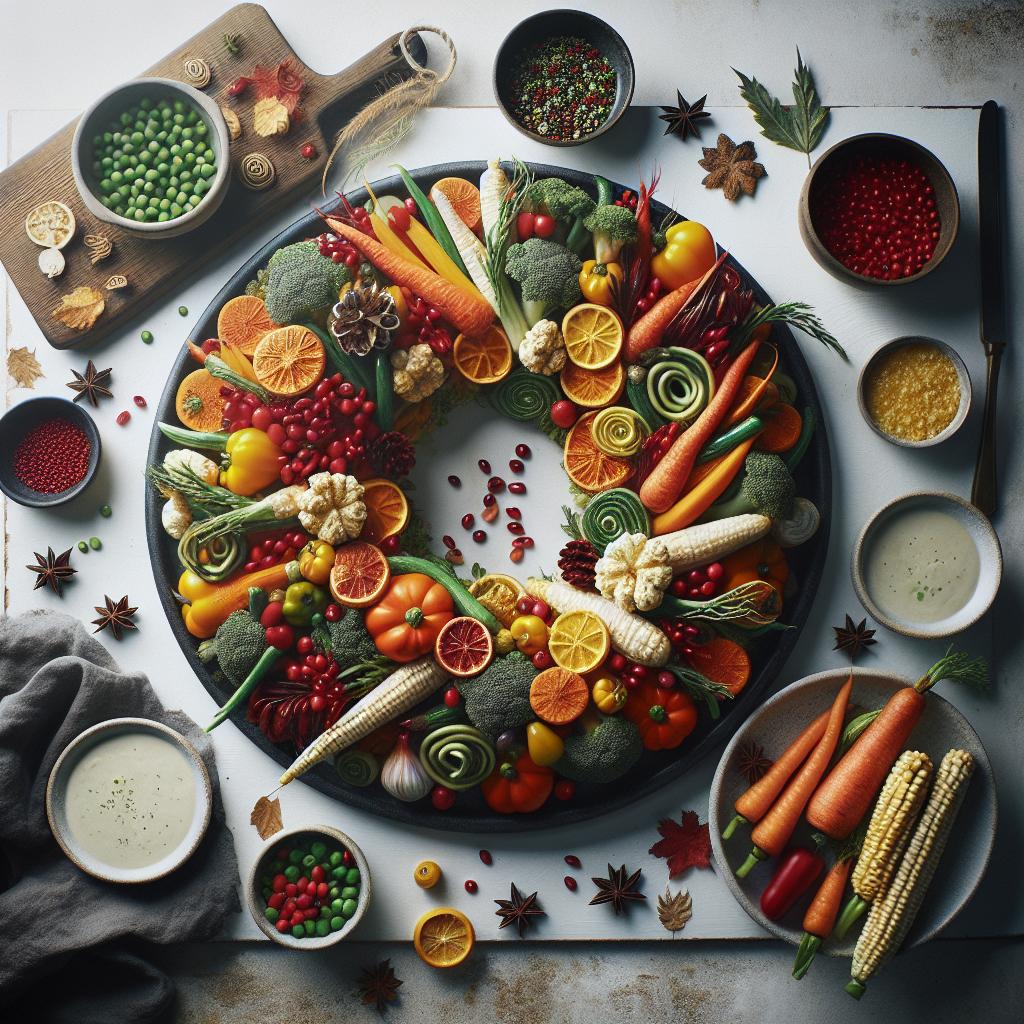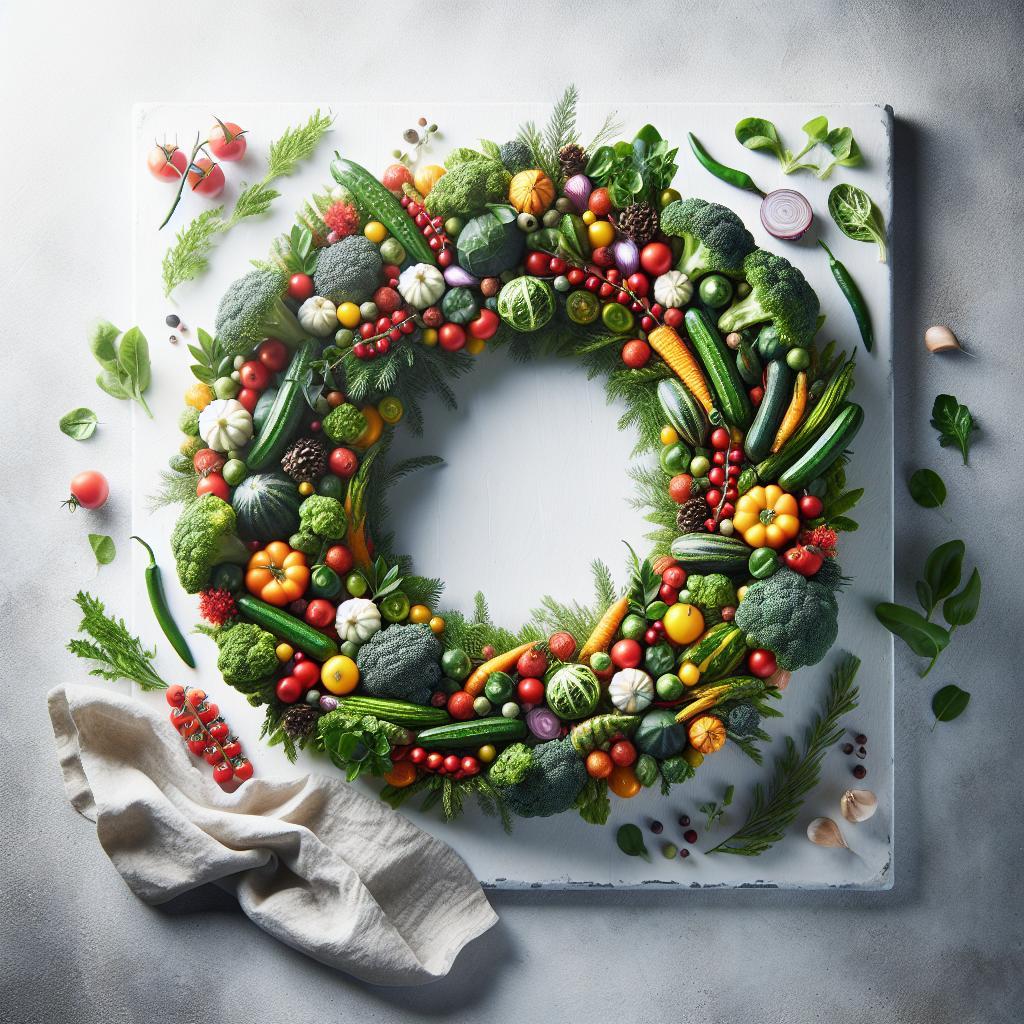

As the crisp autumn air ushers in the season of gratitude and celebration, homes begin to glow with warm, inviting decor that speaks to the heart of harvest time. Among the twinkling lights and fragrant spices, a delightful trend is blossoming-a festive craft that marries nature’s bounty with artistic flair: vegetable wreaths. “Harvest Joy: Crafting Festive Vegetable Wreaths for Holidays” invites you to explore the vibrant world of wreath-making, where colorful squash, glossy tomatoes, and rustic gourds come together to create stunning centerpieces that celebrate abundance and sustainability. Whether adorning your front door or gracing your holiday table, these wreaths offer a fresh, eco-friendly twist on traditional decorations, turning the season’s produce into joyful works of art. Join us as we delve into the techniques, inspirations, and seasonal secrets behind crafting these charming homage to the harvest.
Harvest Joy begins long before your festive vegetable wreath graces the holiday table. The magic starts in the garden, selecting the freshest, most colorful seasonal vegetables that promise vibrancy and texture. Whether you’re inspired by nature’s bounty or eager to create a conversation centerpiece that’s both edible and enchanting, assembling a vegetable wreath is a celebration of the season’s best offerings.
Prep and Cook Time
Preparation Time: 45 minutes
Assembly Time: 30 minutes
Total Time: 1 hour 15 minutes
Yield
This recipe yields one stunning vegetable wreath, perfect for serving 6 to 8 guests as an appetizer centerpiece or festive buffet accent.
Difficulty Level
Intermediate: Requires some knife skills and creative arrangement, but easily manageable with a bit of patience and imagination.
Ingredients
- 1 medium butternut squash, peeled and cut into thin half-moons
- 1 cup cherry tomatoes, halved
- 1 medium zucchini, sliced thin on a mandoline
- 1 cup assorted colorful bell peppers, julienned
- 1 bunch kale leaves, de-stemmed and blanched
- 1 cup multicolored radishes, thinly sliced
- 1 small red onion, thinly sliced into rings
- 1/4 cup fresh parsley, chopped for garnish
- 2 tablespoons olive oil
- 1 teaspoon sea salt
- 1/2 teaspoon freshly ground black pepper
- Optional: edible flowers for vivid pops of color
- 1 wire wreath frame or a sturdy circular tray
- Floral pins or thin skewers for securing vegetables
Instructions
- Prepare your vegetables: Wash and dry all vegetables thoroughly. Blanch the kale leaves in boiling water for 30 seconds, then plunge into ice water to retain vibrant color. Pat dry.
- Roast the squash slices: Toss butternut squash with 1 tablespoon olive oil, salt, and pepper. Spread on a baking sheet and roast at 400°F (200°C) for 15 minutes until tender but firm. Let cool.
- Arrange base layer: Lay kale leaves evenly around your wire wreath frame or tray, overlapping slightly to form a lush green foundation. Use floral pins or skewers to securely affix leaves.
- Create vibrant vegetable layers: Starting with larger elements like squash and zucchini slices, arrange them along the kale base in an alternating pattern, letting colors contrast beautifully. Pin each piece gently, ensuring stability.
- Add bursts of color: Fill spaces with cherry tomato halves, radish slices, bell pepper strips, and onion rings. Vary textures and shapes for visual intrigue, pinning as needed.
- Fill and finish: Tuck small sprigs of parsley and optional edible flowers throughout for natural accents and freshness.
- Finishing touches: Lightly drizzle remaining olive oil across vegetables for subtle sheen and flavor. Season with a final sprinkle of salt and black pepper.
- Chill and serve: Refrigerate your wreath until ready to display. Bring to room temperature for 15 minutes before serving to enhance natural flavors.
Chef’s Notes
- Vegetable selection: Flex your creativity with root vegetables like golden beets or carrots for added depth. Firm textures hold better for wreath shaping.
- Make ahead: Assemble your wreath up to 6 hours before serving and keep refrigerated to preserve freshness.
- Pinning tips: Use food-safe floral wire or skewers to avoid damaging delicate vegetables. Anchor heavier pieces first to maintain structure.
- Substitutions: Swap kale for collard greens or Swiss chard leaves if preferred for your base.
- Preservation: To extend your wreath’s freshness, mist lightly with water daily and keep covered in the fridge.
Serving Suggestions
Present your vegetable wreath on a rustic wooden board or a clean white platter for striking contrast. Surround with small bowls of hummus, herbed cream cheese, or olive tapenade to encourage interactive nibbling. Garnish with extra edible flowers or microgreens for elegance. This creation invites guests to pick and savor, making it an interactive addition to holiday gatherings or farm-to-table festivities.
| Nutrient | Amount per serving |
|---|---|
| Calories | 110 kcal |
| Protein | 3 g |
| Carbohydrates | 20 g |
| Fat | 4 g |
For more garden-fresh holiday ideas, visit our related post on Farm-to-Table Seasonal Recipes. Learn about vegetable preservation methods and pickling at National Center for Home Food Preservation.

Q&A
Q&A: Harvest Joy – Crafting Festive Vegetable Wreaths for Holidays
Q1: What is a vegetable wreath, and why choose it for holiday decor?
A: A vegetable wreath is a vibrant, living arrangement made from freshly harvested vegetables, herbs, and sometimes fruits, woven into a festive circular design. Choosing a vegetable wreath for your holiday decor brings a unique blend of rustic charm and natural beauty to your celebrations. Unlike traditional floral wreaths, vegetable wreaths celebrate the bounty of the harvest season and add a fresh, earthy touch to your home.
Q2: Which vegetables work best for crafting a holiday wreath?
A: Versatility is key! Root vegetables like mini carrots, radishes, and baby beets hold up well, adding pops of color and texture. Leafy greens such as kale, Swiss chard, and spinach offer luscious, deep greens that mimic traditional evergreens. Bright cherry tomatoes, colorful peppers, and small squashes or gourds introduce festive hues and shapes. Herbs like rosemary or thyme not only look beautiful but add an inviting, fragrant aroma.
Q3: How do I prepare vegetables for wreath-making to ensure they stay fresh?
A: Start by selecting crisp, firm vegetables and crisp herbs. Wash and dry them gently to avoid bruising. To extend freshness, you can lightly mist the wreath with water occasionally and keep it in a cool spot away from direct sunlight. Using a floral foam base soaked in water can provide hydration, especially if your wreath is for a few days. For longer-lasting displays, consider dried or preserved vegetables paired with fresh accents.
Q4: What tools and materials are essential for crafting a vegetable wreath?
A: You’ll need a sturdy wreath base-wireframes or grapevine wreaths work beautifully. Floral wire or green craft wire helps secure veggies and herbs. A pair of pruning shears or garden scissors makes trimming easier, and floral picks or toothpicks come in handy for anchoring smaller items. Optional: a hot glue gun for securing dried elements. Don’t forget a palette of fresh vegetables, herbs, and decorative accents!
Q5: Can vegetable wreaths be multi-purpose-both decorative and edible?
A: Absolutely! One of the joys of a vegetable wreath is its edible potential. While primarily designed for decor, many components-think kale, herbs, cherry tomatoes, and peppers-can be carefully removed and enjoyed after the festivities. This dual-purpose appeal reduces waste and celebrates the spirit of sharing and abundance inherent in the holiday season.
Q6: How do I incorporate holiday themes into my vegetable wreath?
A: Infuse traditional holiday spirit through color and symbolism! Deep reds from radishes and peppers reminiscent of holly berries, vibrant greens from kale and herbs, and touches of white from cauliflower or garlic bulbs evoke classic seasonal beauty. Add bows, small ornaments, cinnamon sticks, or dried orange slices to heighten festivity. Let your color scheme and the natural shapes of vegetables inspire creativity-from rustic autumn vibes to bright Christmas cheer.
Q7: What makes vegetable wreaths stand out compared to other holiday decorations?
A: Vegetable wreaths embody the essence of seasonal creativity and sustainability, showcasing nature’s palette in a fresh, edible form. They invite conversation and connection to the land’s bounty, bridging festive cheer with healthy living. Each wreath tells a story of harvest and homegrown goodness, adding depth and texture that spark warmth and joy far beyond conventional decorations.
Q8: Any tips for beginners wanting to try vegetable wreath-making?
A: Start simple! Choose a small, manageable wreath base and focus on just a few vegetable varieties. Practice arranging your elements before securing them, creating balance between colors, sizes, and textures. Don’t stress perfection-embrace the imperfect charm of natural shapes. Above all, enjoy the sensory experience-the crunch of fresh veggies and herbal fragrance-as you craft your unique harvest joy.
Crafting a vegetable wreath is an artful way to celebrate the holidays-one that intertwines beauty, bounty, and the spirit of gratitude. Whether as a centerpiece for your door or a festive gift, these wreaths bring the garden’s harvest straight into your home’s heart. Happy crafting!
Insights and Conclusions
As the final hues of autumn settle and the holiday spirit begins to glow, crafting festive vegetable wreaths offers a unique way to celebrate the season’s bounty. These vibrant, living decorations not only bring a burst of natural beauty to your doorstep but also tell a story of harvest, creativity, and tradition. Whether adorned with crisp carrots, glossy peppers, or sprigs of fragrant herbs, each wreath becomes a testament to the joy found in nature’s gifts. So this season, embrace the art of the vegetable wreath-where harvest joy and holiday cheer entwine in a colorful embrace that welcomes all who gather near.