
The Emerald Embrace: Unveiling the Soul of Spinach Risotto
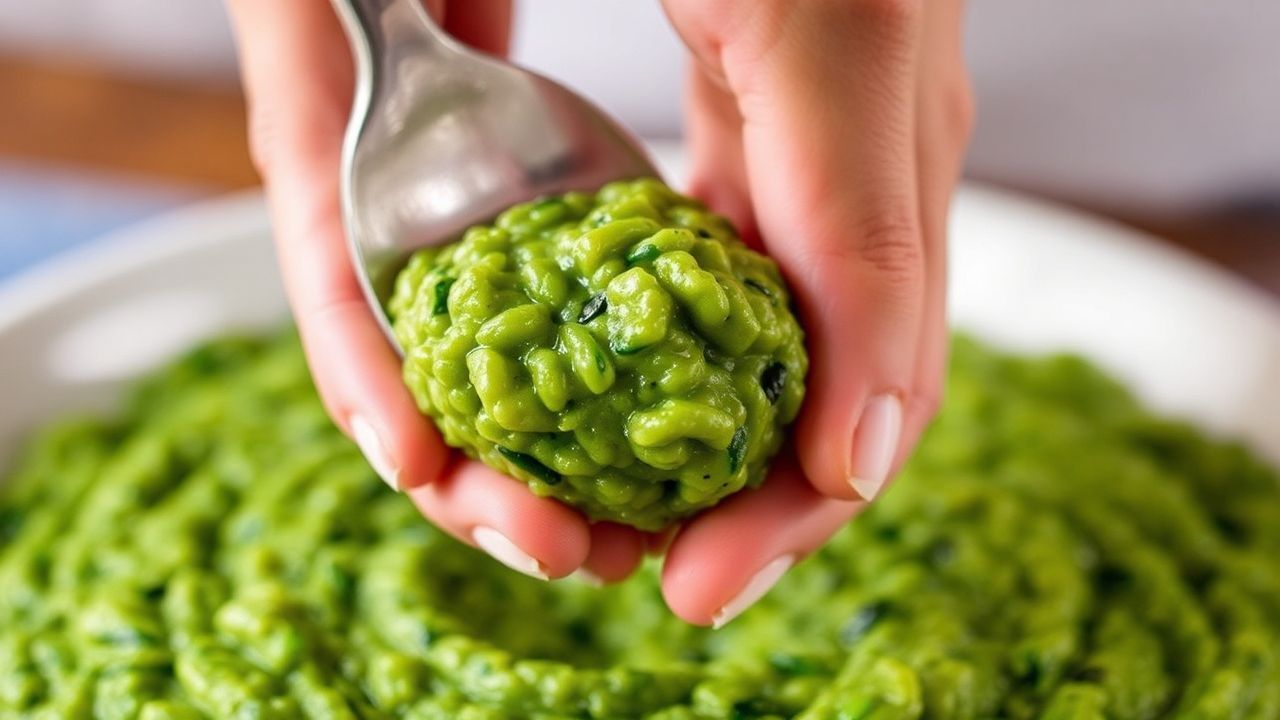
The humble spinach risotto, a dish often conjured in moments of comforting necessity, possesses a profound capacity for culinary artistry. Its verdant hue, reminiscent of sun-drenched Tuscan hills, belies a sophisticated interplay of textures and flavors that, when executed with precision, can elevate a simple meal into an occasion. Far from being merely a vehicle for greens, a truly exceptional spinach risotto is proof of the alchemical transformation of humble ingredients – rice, broth, and a whisper of cheese – into a symphony of creamy, yielding perfection. It’s a dish that whispers of home, yet speaks with the authority of a seasoned chef, demanding respect for its technique and rewarding patience with unparalleled satisfaction. The very essence of this dish lies in its ability to be both profoundly comforting and remarkably refined, a duality that has cemented its place in the pantheon of Italian comfort foods.
- The Emerald Embrace: Unveiling the Soul of Spinach Risotto
- Mastering the Medium: The Science and Art of Spinach Risotto
- The Anatomy of Excellence: Essential Ingredients for Spinach Risotto
- The Symphony of Preparation: A Step-by-Step Culinary Overture
- Preparing the Spinach: The Verdant Infusion
- Building the Aromatic Base: The Olfactory Overture
- Toasting the Rice: The Foundation of Texture
- Deglazing with Wine: The Acidity Anchor
- The Gradual Infusion: The Art of Ladling
- Incorporating the Spinach: The Emerald Embrace
- The Grand Finale: Mantecatura – The Unctuous Finish
- Serving: The Moment of Revelation
- Nutritional Insights: The Wholesome Appeal of Spinach Risotto
- Frequently Asked Questions: Unraveling the Mysteries of Spinach Risotto
- The Foundation of Flavor: The quality of your Arborio rice and the depth of your broth are paramount.
- The Art of the Stir: Constant, gentle stirring is crucial for releasing the starch and achieving that signature creamy texture.
- Balancing Act: The subtle sweetness of spinach must be balanced with the savory notes of Parmesan and a hint of acidity.
- Finishing Touches: A final swirl of butter and a generous grating of cheese are non-negotiable for achieving peak richness.
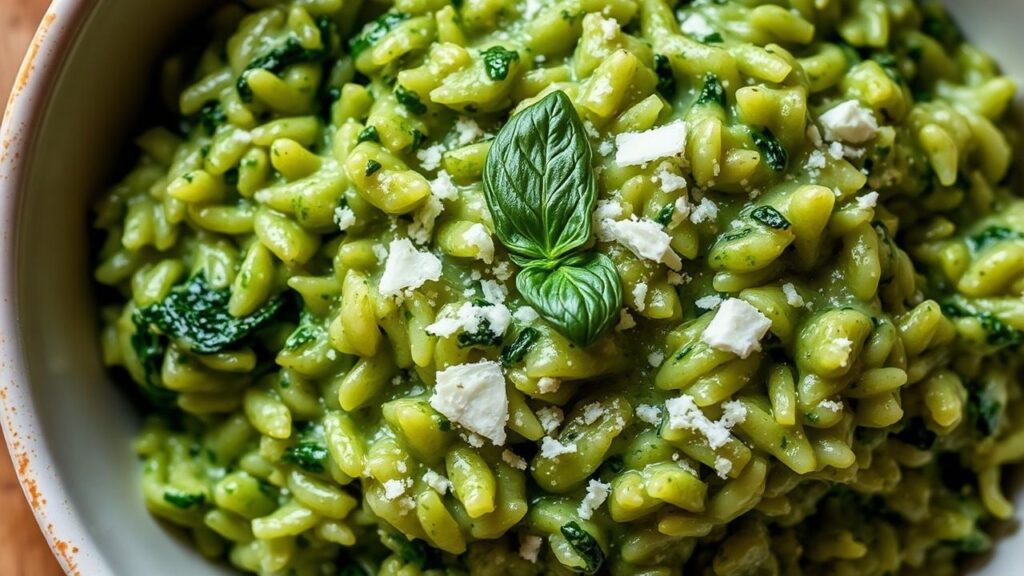
A Journey Through Time: The Risotto’s Italian Roots
The lineage of risotto stretches back centuries, its origins intrinsically tied to the cultivation of rice in the northern Italian regions, particularly Lombardy and Piedmont. While the exact moment spinach became a favoured companion is lost to the mists of culinary history, its integration speaks to a profound understanding of seasonal produce and a desire to imbue this hearty grain dish with vital nutrients and a refreshing counterpoint to its inherent richness. Early forms of risotto were likely simpler, perhaps seasoned with just broth and a basic fat. Over time, as regional ingredients and culinary techniques evolved, so too did the complexity and artistry of the dish. The addition of vegetables like spinach, along with the liberal use of cheese and butter, transformed it from sustenance to a celebrated delicacy. Consider the historical context: in an era where preserving fresh produce was a significant challenge, the ability to incorporate nutrient-dense greens like spinach, which could be readily grown and cooked down, offered a practical yet delicious solution. This adaptability is a hallmark of Italian cuisine, proof of its ability to weave local bounty into enduring culinary traditions.
Mastering the Medium: The Science and Art of Spinach Risotto
The creation of a truly magnificent spinach risotto is not merely a matter of following a recipe; it is an exercise in understanding the fundamental principles of starch gelatinization and flavor infusion. The star of the show, beyond the vibrant spinach, is the Arborio rice. Its plump, pearly grains possess a high starch content, a crucial characteristic that, when coaxed out through diligent stirring and the gradual addition of hot liquid, creates the signature creamy, unctuous texture that defines a perfect risotto. This process, known as “mantecatura” in Italian, is where the magic truly happens. It’s a delicate dance between heat, liquid, and agitation, transforming individual grains of rice into a cohesive, flowing, and utterly delectable whole. The spinach, in its own right, contributes not only a striking visual appeal but also a subtle, earthy sweetness that cuts through the richness of the rice and cheese, preventing the dish from becoming cloying.
The Anatomy of Excellence: Essential Ingredients for Spinach Risotto
To embark on the journey of crafting an exemplary spinach risotto, one must begin with an unwavering commitment to quality ingredients. Each component matter significantly, and their synergy is the key to unlocking the dish’s full potential.
The Grain: Arborio Rice – The Heart of the Matter
The choice of rice is non-negotiable. Arborio rice is the quintessential choice for risotto due to its high amylopectin content, which allows it to release starch gradually, resulting in a wonderfully creamy texture. Other short-grain Italian rice varieties like Carnaroli or Vialone Nano are also excellent alternatives, each offering subtle variations in texture and creaminess. Carnaroli, often hailed as the “king of rice,” yields a particularly firm texture and superior creaminess.
The Liquid Gold: Broth – The Lifeblood of the Dish
A flavourful, well-seasoned broth is the foundation upon which your risotto will be built. Vegetable broth is a natural fit, enhancing the vegetal notes of the spinach. However, a light chicken broth can also be used to add a layer of savory depth, provided it doesn’t overpower the delicate flavors. Crucially, the broth must be kept simmering hot throughout the cooking process. Adding cold broth would shock the rice, hindering starch release and resulting in a less creamy, more granular texture.
The Verdant Star: Spinach – Nature’s Gem
For this particular iteration, fresh spinach is paramount. While frozen spinach can be a convenience, it often lacks the vibrant flavour and tender texture of its fresh counterpart. Opt for young, tender leaves for the best results. The spinach will be blanched and pureed or finely chopped, infusing the risotto with its characteristic colour and flavour.
The Savory Umami: Parmesan Cheese – The Quintessential Finish
Parmigiano-Reggiano is the undisputed king of Italian cheeses and an essential element for achieving the rich, nutty finish characteristic of a superior risotto. Its complex flavour profile adds depth and a salty counterpoint to the sweetness of the spinach. Ensure you are using real Parmigiano-Reggiano, aged for at least 24 months, for optimal flavour.
Aromatic Foundations: Onion and Garlic – The Olfactory Overture
A finely minced yellow onion or shallot, sautéed gently in olive oil or butter, forms the aromatic bedrock of the dish. A clove or two of garlic, added towards the end of the sauté, provides a pungent counterpoint without overwhelming the other flavours.
The Enhancers: Butter and Olive Oil – The Unctuous Embrace
A combination of good quality unsalted butter and extra virgin olive oil provides both flavour and the necessary fat for sautéing the aromatics and achieving the final, luxurious creaminess. The butter, added at the end, is key to the “mantecatura.”
The Zest of Life: White Wine – The Acidity Anchor
A splash of dry white wine (such as Pinot Grigio or Sauvignon Blanc) adds a crucial element of acidity, brightening the flavours and deglazing the pan, lifting any delicious browned bits from the bottom.
The Symphony of Preparation: A Step-by-Step Culinary Overture
The meticulous execution of each step is what separates a good spinach risotto from an extraordinary one. This is not a dish to be rushed; it rewards patience and attentive technique.
-
Preparing the Spinach: The Verdant Infusion
Begin by thoroughly washing your fresh spinach. In a large pot, bring a generous amount of water to a rolling boil. Add the spinach and blanch for just 30-60 seconds, until wilted. Immediately drain the spinach and plunge it into an ice bath to stop the cooking process and preserve its vibrant green colour. Once cooled, squeeze out as much excess water as possible. You can then either finely chop the spinach or, for a smoother, more integrated flavour and colour, puree it in a food processor with a tablespoon or two of your simmering broth.
-
Building the Aromatic Base: The Olfactory Overture
In a wide, heavy-bottomed pan or Dutch oven, heat 1 tablespoon of olive oil and 1 tablespoon of unsalted butter over medium heat. Add the finely minced onion or shallot and sauté gently for 5-7 minutes, or until softened and translucent, but not browned. This slow sauté is crucial for developing a sweet, mellow flavour. Add the minced garlic and cook for another minute until fragrant, being careful not to burn it.
-
Toasting the Rice: The Foundation of Texture
Add the Arborio rice to the pan with the sautéed aromatics. Stir constantly for 1-2 minutes, allowing the grains to toast slightly. This process, known as “tostatura,” seals the outer layer of the rice grains, helping them to absorb liquid more evenly and preventing them from becoming mushy. The rice should become slightly translucent around the edges.
-
Deglazing with Wine: The Acidity Anchor
Pour in the dry white wine. Stir continuously, scraping any browned bits from the bottom of the pan, until the wine has almost completely evaporated. The alcohol will cook off, leaving behind a subtle acidity that brightens the overall flavour profile of the risotto.
-
The Gradual Infusion: The Art of Ladling
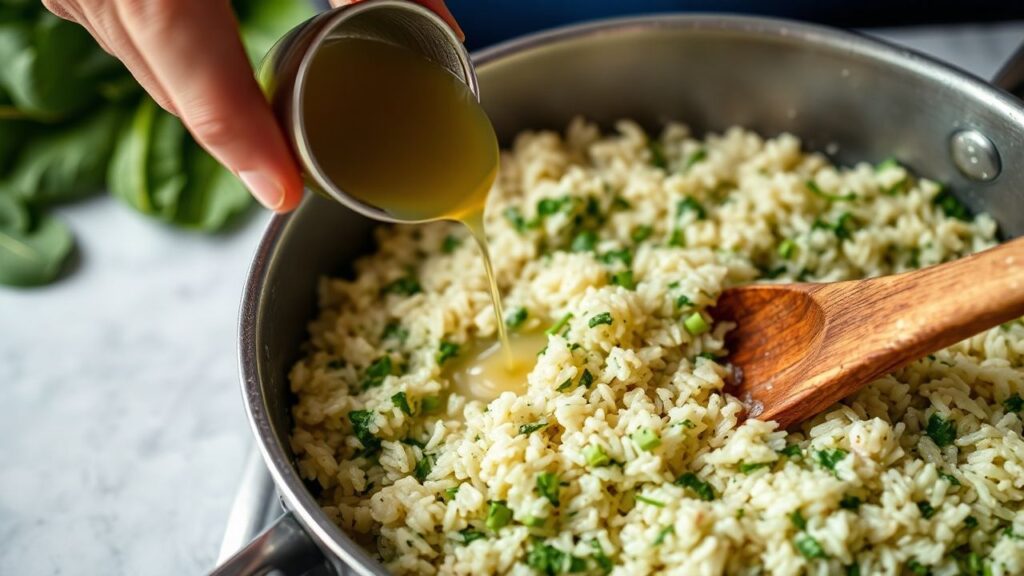
Begin adding the hot broth, one ladleful at a time. Stir the rice constantly, ensuring each addition of liquid is almost completely absorbed before adding the next. This constant stirring is vital for releasing the starch from the rice, which creates the signature creamy texture. Continue this process for approximately 18-20 minutes, or until the rice is al dente – tender but still with a slight bite in the centre.
-
Incorporating the Spinach: The Emerald Embrace
Once the rice has reached the desired al dente texture, stir in the prepared spinach (chopped or pureed). Cook for another 1-2 minutes, allowing the spinach to fully integrate into the risotto and for its colour to permeate the dish.
-
The Grand Finale: Mantecatura – The Unctuous Finish
Remove the pan from the heat. Stir in the remaining 1 tablespoon of unsalted butter and the grated Parmigiano-Reggiano cheese. Stir vigorously until the butter and cheese are fully melted and emulsified into the risotto, creating a luxuriously creamy and glossy consistency. This final step, the “mantecatura,” is what truly elevates the dish. Season with salt and freshly ground black pepper to taste. Remember that the Parmesan cheese is salty, so taste before adding too much salt.
-
Serving: The Moment of Revelation
Serve the spinach risotto immediately in warm bowls. Garnish with a little extra grated Parmesan cheese, a drizzle of good quality olive oil, or a few fresh basil leaves if desired. The risotto should be fluid enough to spread slightly on the plate, not stiff or dry.
Nutritional Insights: The Wholesome Appeal of Spinach Risotto
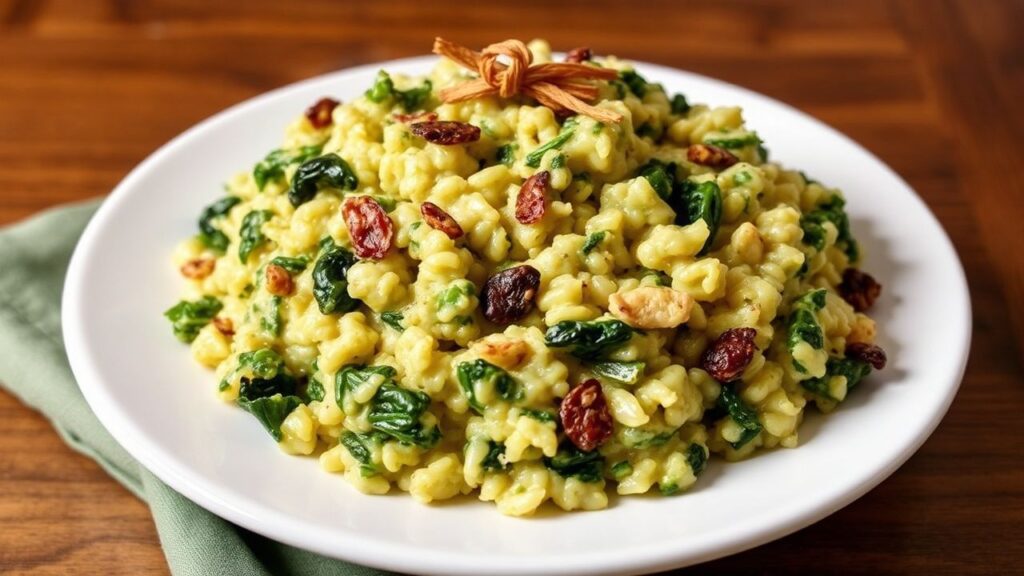
While often perceived as an indulgence, a well-prepared spinach risotto can offer a surprising array of nutritional benefits, particularly when mindful choices are made regarding ingredients and portion sizes. The spinach itself is a powerhouse of vitamins and minerals, including Vitamin A, Vitamin C, Vitamin K, folate, iron, and calcium. The Arborio rice, while primarily a source of carbohydrates for energy, also provides some dietary fiber. The inclusion of cheese and butter, while contributing to the dish’s decadent texture, also adds protein and calcium.
A typical serving of spinach risotto (approximately 1.5 cups), made with vegetable broth, 1 cup of Arborio rice, 5 oz of fresh spinach, 1/4 cup of grated Parmesan, 2 tablespoons of butter, and 1/4 cup of white wine, can be estimated to contain:
- Calories: ~450-550 kcal
- Protein: ~15-20g
- Fat: ~18-25g (with a significant portion from healthy fats if using quality olive oil)
- Carbohydrates: ~50-60g
- Fiber: ~3-5g
- Key Vitamins & Minerals: Significant contributions of Vitamin A, Vitamin K, Folate, Iron, Calcium, and Potassium.
Keep in mind that these figures are approximate and can vary significantly based on the exact quantities and types of ingredients used, particularly the amount of cheese and butter. For a lighter version, one can reduce the butter and cheese, or opt for a lower-sodium broth.
Elevating the Everyday: Expert Tips for Restaurant-Quality Spinach Risotto
Achieving that coveted restaurant-quality spinach risotto at home is an attainable goal with a few strategic enhancements and a deep understanding of the subtle nuances that differentiate the sublime from the satisfactory.
One common pitfall for home cooks is the temptation to rush the process. Risotto demands patience. The gradual addition of hot broth, coupled with consistent, gentle stirring, is not merely a culinary chore; it is the very mechanism that unlocks the creamy texture. Think of it as coaxing the starch from the rice, not forcing it. The rice should always be cooking at a gentle simmer. If the broth is evaporating too quickly, reduce the heat slightly. If it’s too slow, increase it just a touch. The goal is a steady, controlled absorption.
Another area where home cooks can falter is in the final “mantecatura.” This is not just about stirring in butter and cheese; it’s about creating an emulsion. The heat must be off the stove, and the stirring should be brisk and decisive. This process binds the starch, fat, and cheese into a cohesive, glossy sauce that coats the rice beautifully. If the risotto appears too stiff, a final splash of hot broth can loosen it. Conversely, if it’s too soupy, continue to stir gently off the heat until it thickens slightly.
Consider the quality of your finishing touches. A drizzle of high-quality extra virgin olive oil, a scattering of toasted pine nuts for added texture, or a few fresh, delicate microgreens can elevate the visual appeal and introduce subtle complementary flavours. For instance, a whisper of lemon zest added at the very end can provide a surprising burst of freshness that cuts through the richness, offering a delightful contrast.
A less common, yet highly effective, technique involves lightly toasting some of the Arborio rice grains separately in a dry pan before adding them to the main sauté. This “double toasting” can enhance the nutty flavour of the rice and further contribute to a firmer, more distinct grain texture within the creamy matrix. This is a subtle but impactful refinement that can truly set a risotto apart. Think of it as creating micro-layers of texture and flavour within each spoonful.
Frequently Asked Questions: Unraveling the Mysteries of Spinach Risotto
Here we address some of the most common queries that arise when one explore the art of crafting this beloved Italian dish.
Why is my risotto not creamy?
The primary reasons for a lack of creaminess in risotto are often related to the rice itself and the cooking technique. Firstly, using the wrong type of rice is a common culprit. Arborio, Carnaroli, or Vialone Nano are essential for their high starch content. Secondly, insufficient stirring is a major factor. The constant agitation is what releases the starch, creating the creamy texture. If you are not stirring enough, the starch won’t be liberated. Thirdly, adding cold broth can shock the rice and hinder starch release. Always ensure your broth is simmering hot. Finally, overcrowding the pan can lead to uneven cooking and a less creamy result. Ensure you are using a wide, shallow pan that allows for even heat distribution and easy stirring.
Can I use frozen spinach in my risotto?
While frozen spinach can be used, it will significantly alter the texture and flavour profile of your dish. Fresh spinach, when blanched and pureed or finely chopped, offers a brighter, more vibrant flavour and a more appealing colour. Frozen spinach often contains more water, which can make the risotto too watery, and its flavour can be more muted or even slightly metallic. If you must use frozen spinach, ensure it is thawed completely, squeezed dry of all excess moisture, and then finely chopped. You may also need to adjust the amount of broth you add to compensate for the moisture content. For the best results, however, fresh spinach is strongly recommended.
How can I make my spinach risotto taste more flavourful?
To enhance the flavour of your spinach risotto, focus on the quality and preparation of your core ingredients. A robust, homemade broth is foundational. If using store-bought, opt for a low-sodium, high-quality variety. Sautéing your aromatics (onion and garlic) slowly and gently develops their sweetness and depth. Toasting the rice before adding liquid is crucial for developing a nutty flavour. The addition of dry white wine adds a bright acidity that balances the richness. Don’t underestimate the power of good quality Parmigiano-Reggiano; its complex, nutty, and salty notes are indispensable. Finally, consider adding a pinch of nutmeg alongside the spinach; it complements the earthy notes beautifully. A final drizzle of high-quality extra virgin olive oil and a touch of freshly ground black pepper also contribute significantly to the overall flavour profile.
See also: Spinach risotto