
“The true art of cooking lies not just in mastering techniques, but in understanding the soul of an ingredient.” – Ferran Adrià
- The Foundation: Deconstructing the Perfect Acai Smoothie
- The Master Acai Smoothie Recipe: A Culinary Blueprint
- Detailed Preparation Method: Crafting the Perfect Texture
- Nutritional Insights: More Than Just a Pretty Bowl
- Expert Pro-Tips: Elevating Your Acai Smoothie to Gourmet Status
- Flavor Pairings and Enhancements
- The Art of Toppings: Texture and Taste Amplification
- Beyond the Blender: Alternative Preparation Methods
- Conclusion: Embracing the Acai Lifestyle
- Frequently Asked Questions
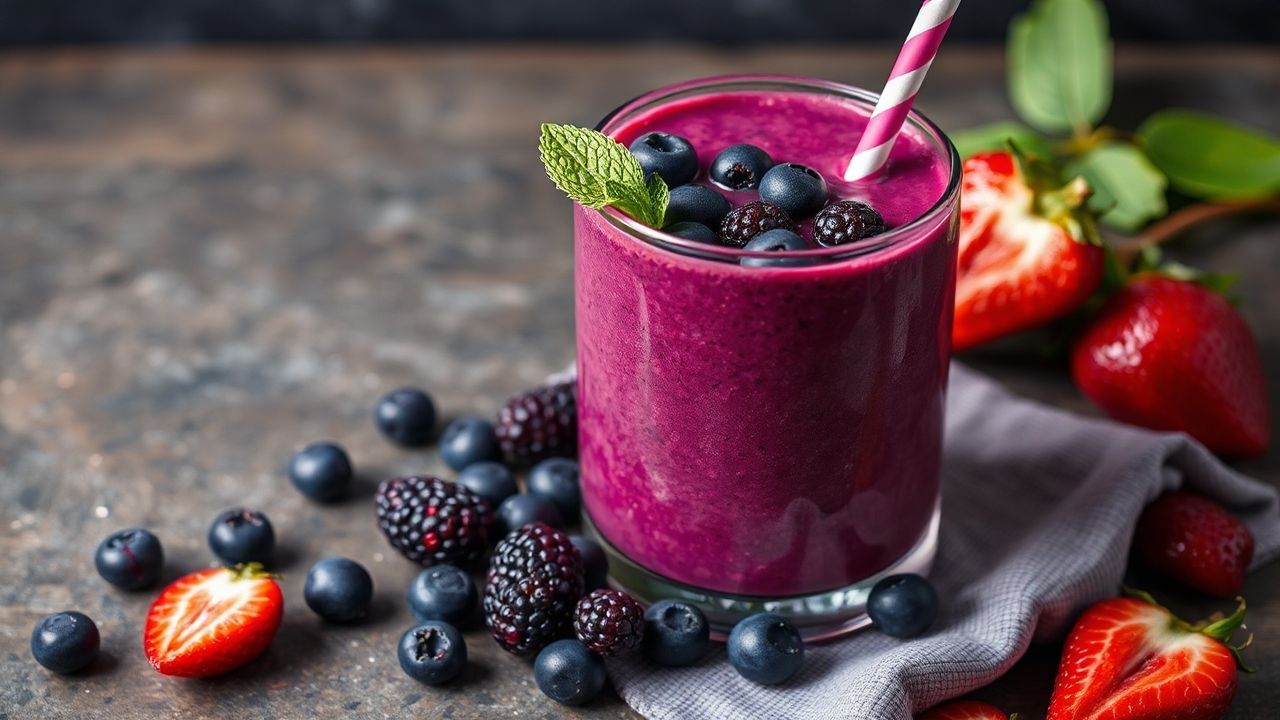
For many, the acai smoothie represents more than just a breakfast or snack; it’s a portal to a sun-drenched, nutrient-rich experience. Hailing from the Amazon rainforest, the acai berry (*Euterpe oleracea*) has transcended its regional origins to become a global phenomenon, celebrated for its deep, complex flavor profile and impressive antioxidant capacity. Crafting the perfect acai smoothie is an exercise in balance – a delicate interplay of tartness, sweetness, creaminess, and texture. It’s about more than simply blending frozen fruit; it’s about understanding how each component contributes to the final symphony of taste and nutrition. This guide will equip you with the knowledge to elevate your acai smoothie game from pedestrian to sublime, transforming a simple concoction into a culinary masterpiece.
At a Glance: Key Takeaways
- Flavor Harmony: Balance the acai’s inherent earthiness with complementary fruits and a touch of natural sweetness.
- Texture is Paramount: Achieve a thick, spoonable consistency through ingredient selection and blending technique.
- Nutritional Synergy: Layer in healthy fats and proteins to enhance satiety and the absorption of fat-soluble vitamins.
- Customization is Key: Adapt the base recipe to suit personal preferences and dietary needs, exploring a spectrum of flavor profiles.
The journey of the acai berry from the remote floodplains of the Amazon to the smoothie bowls gracing cafés worldwide is proof of its inherent appeal. Traditionally consumed by indigenous populations as a vital food source, its unique flavor – often described as a blend of dark chocolate and berries – and perceived health benefits have propelled it into mainstream consciousness. The challenge for the home cook, however, lies in replicating the vibrant taste and satisfying texture that often characterizes expertly prepared versions. This involves a nuanced understanding of ingredient ratios, the impact of freezing techniques, and the strategic addition of supporting players that amplify, rather than mask, the star ingredient.
The Foundation: Deconstructing the Perfect Acai Smoothie
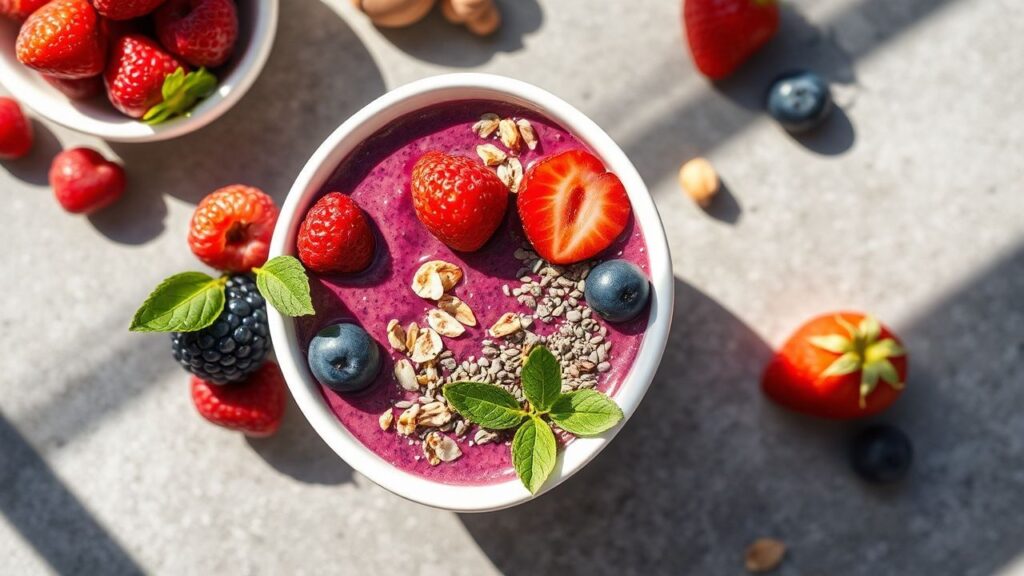
At its core, a superior acai smoothie is built upon a few fundamental principles. The acai itself, typically sourced in frozen puree form, provides the base flavor and color. However, its intense, sometimes slightly bitter, profile necessitates careful accompaniment. The quest for a thick, spoonable texture – the hallmark of a truly satisfying acai bowl rather than a drinkable smoothie – is paramount. This is achieved through a judicious selection of frozen fruits and a minimal use of liquid. Finally, the addition of ingredients that promote satiety and nutrient absorption transforms the acai smoothie from a fleeting treat into a genuinely nourishing meal.
Mastering the Acai Base
Acai is most commonly found in unsweetened frozen puree packets, which is precisely what we aim for in this recipe. These packets are often flash-frozen shortly after harvesting, preserving their potent antioxidants and characteristic flavor. The natural earthiness of the acai is a powerful element, but it can be divisive. Complementing this earthiness, rather than attempting to overpower it, is key. This means understanding its interaction with other fruits.
The quality of the acai puree itself can vary significantly. Look for brands that are 100% acai, with no added sugars or fillers. Some brands may include guarana, a stimulant, which can be a welcome addition for some but should be noted for those sensitive to caffeine. The texture of the frozen puree is also crucial; it should be firm and amenable to being broken down into a thick base.
Beyond Acai: The Supporting Cast
While acai is the star, a supporting cast of ingredients is essential for achieving the desired flavor and texture. Frozen bananas are an indispensable ally in creating a creamy, naturally sweet base that also contributes to that coveted thick consistency. Their starch content, when frozen, gelatinizes during blending, yielding a smooth, almost ice-cream-like texture.
Other frozen fruits matter significantly in modulating the flavor profile and enhancing the overall appeal. Berries, such as blueberries and raspberries, offer tartness and a complementary color, while also contributing their own antioxidant profiles. Mango adds tropical sweetness and a silken texture, a delightful counterpoint to the acai’s earthiness. Using at least one other frozen fruit dilutes the intensity of the acai and builds complexity.
Liquid Dynamics: The Art of Restraint
Perhaps the most common pitfall in smoothie making is the overuse of liquid. For an acai smoothie destined for a bowl, restraint is the operative word. Too much liquid results in a thin, watery product that is both unsatisfying and difficult to eat with a spoon. The aim is to use just enough liquid to facilitate the blending process, allowing the frozen ingredients to break down into a thick, cohesive mass.
Plant-based milks, such as almond, coconut, or oat milk, are excellent choices, offering subtle flavors that don’t compete with the acai. Coconut water provides hydration and electrolytes with a lighter profile. In some cases, a small amount of fruit juice can be used, but this often introduces unwanted added sugars. Unsweetened plant-based milks are preferred for their neutral flavor and creaminess.
The Master Acai Smoothie Recipe: A Culinary Blueprint
This recipe is designed to be a versatile foundation, a starting point from which you can embark on your own flavor explorations. It prioritizes a thick, spoonable texture and a balanced flavor profile that allows the acai to shine while being harmoniously supported by complementary ingredients.
Yields: 1 serving
Prep time: 5 minutes
Blend time: 1-2 minutes
Ingredients:
- 1 packet (100g / 3.5 oz) unsweetened frozen acai puree, broken into chunks
- 1/2 medium frozen banana, sliced
- 1/4 cup (approx. 30g / 1 oz) frozen berries (e.g., blueberries, raspberries, or a mix)
- 2-4 tablespoons (30-60 ml / 1-2 fl oz) unsweetened plant-based milk (almond, coconut, or oat), or coconut water
- Optional: 1 teaspoon chia seeds or flax seeds for added fiber and omega-3s
- Optional: 1/2 teaspoon natural sweetener (e.g., maple syrup, honey, or date paste), if desired
Equipment:
- High-powered blender
- Spatula
- Serving bowl
Detailed Preparation Method: Crafting the Perfect Texture
The success of this acai smoothie hinges on precise execution during the blending phase. It’s a dance between powerful machinery and the inherent resistance of frozen ingredients.
- Prepare the Acai: Remove the frozen acai puree packet from the freezer. Run it under warm water for a few seconds, then carefully slice it open and break the frozen block into smaller chunks. This makes it easier for your blender to process.
- Layer the Ingredients: Add the acai chunks to the blender jar first. This allows the blades to catch them more effectively. Follow with the frozen banana slices and the frozen berries. If you are using chia or flax seeds, add them at this stage.
- Introduce the Liquid (Sparingly): Begin by adding the minimum amount of liquid (2 tablespoons / 30 ml). It is far easier to add more liquid if needed than to rectify a smoothie that is too thin.
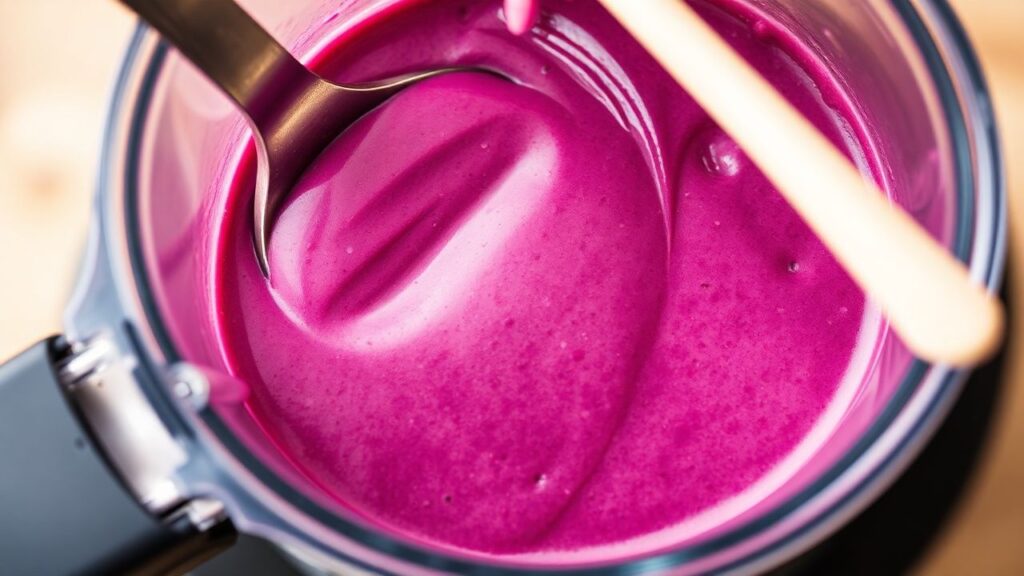
- Blend with Precision: Secure the lid on your blender. Start blending on a low speed, gradually increasing to a higher speed. You may need to stop the blender periodically and use a spatula to push the ingredients down towards the blades, especially if your blender has a tamper. The goal is to create a thick, smooth, and homogenous mixture without over-blending, which can generate heat and melt the frozen ingredients.
- Assess and Adjust: Once the mixture is mostly smooth, assess the consistency. If it’s too thick and the blender is struggling, add another tablespoon of liquid and blend again. Continue this process until you achieve a thick, spoonable consistency, similar to soft-serve ice cream. If using a sweetener, add it now and blend briefly to incorporate.
- Serve Immediately: Transfer the acai smoothie to a chilled serving bowl. The texture is best when fresh, so avoid letting it sit for too long.
Nutritional Insights: More Than Just a Pretty Bowl
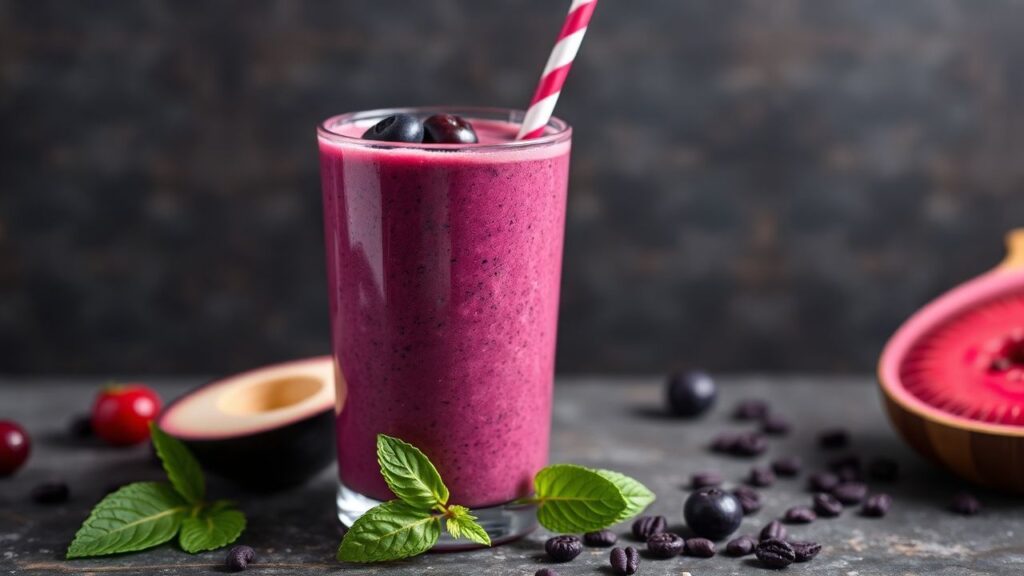
The allure of the acai smoothie extends beyond its visual appeal and refreshing taste; it is a powerhouse of nutrients. The acai berry itself is celebrated for its exceptionally high antioxidant content, particularly anthocyanins, which are responsible for its deep purple hue. These compounds are believed to combat oxidative stress in the body, contributing to overall health and well-being.
However, the nutritional profile is significantly enhanced by the synergistic additions. Frozen bananas, while primarily contributing to texture and sweetness, also provide potassium and dietary fiber. Berries, like blueberries, are rich in vitamins C and K, as well as further antioxidants. When healthy fats and proteins are incorporated, the acai smoothie transforms into a more complete and satisfying meal.
A Deeper Dive into Macronutrients and Micronutrients (Per Serving, approximate, without optional additions):
| Nutrient | Amount |
|---|---|
| Calories | 180-250 kcal |
| Carbohydrates | 30-45g |
| Fiber | 5-8g |
| Sugars (Natural) | 15-25g |
| Protein | 2-4g |
| Fat | 5-10g |
| Vitamin A | ~5% DV |
| Vitamin C | ~10% DV |
| Potassium | ~15% DV |
| Calcium | ~4% DV |
| Iron | ~6% DV |
Note: Daily Values (DV) are based on a 2,000-calorie diet. These values are approximate and will vary based on specific ingredient choices and brands used.
The strategic inclusion of ingredients like chia seeds or flax seeds can significantly boost the omega-3 fatty acid content and fiber, promoting digestive health and increasing satiety. Adding a scoop of protein powder (whey, pea, or hemp) or a spoonful of nut butter can further enhance the protein and healthy fat content, turning this into a truly sustaining meal that can power you through the morning or a workout. The bioavailability of fat-soluble vitamins present in acai, such as Vitamin E, is also improved when consumed with healthy fats.
Expert Pro-Tips: Elevating Your Acai Smoothie to Gourmet Status
Moving beyond the foundational recipe, there are nuanced techniques and ingredient choices that distinguish an average acai smoothie from an exceptional one. These insights are born from countless hours in the kitchen, experimenting with textures, flavors, and ingredient synergies.
Flavor Pairings and Enhancements
The inherent earthiness of acai is a canvas for a multitude of flavors. Consider these pairings:
- Tropical: Mango, pineapple, a splash of lime juice.
- Berry Burst: A mix of strawberries, raspberries, and blackberries.
- Chocolate Indulgence: A tablespoon of raw cacao powder and a date for sweetness.
- Green Power: A handful of spinach or kale (the color might change, but the flavor is surprisingly well-masked by the acai and other fruits).
- Spiced Warmth: A pinch of cinnamon or cardamom.
When introducing new flavors, always do so incrementally. Taste as you go. A touch of fresh ginger can add a zesty kick, while a few mint leaves can provide a refreshing counterpoint.
The Art of Toppings: Texture and Taste Amplification
The toppings are not merely decorative; they are integral to the acai smoothie experience, providing textural contrast and amplifying the flavor. Aim for a variety of textures:
- Crunchy: Granola (homemade is often superior), toasted coconut flakes, chopped nuts (almonds, walnuts, pecans).
- Chewy: Dried fruits like goji berries or chopped dates.
- Fresh: Sliced fresh fruit (banana, kiwi, berries), bee pollen.
- Seeds: Chia seeds, hemp seeds, pumpkin seeds.
The arrangement of toppings is also an art form. Consider creating distinct sections or patterns for visual appeal. A sprinkle of edible flowers can add an unexpected touch of elegance.
Beyond the Blender: Alternative Preparation Methods
For those who prefer an even thicker, more sorbet-like consistency, consider the “super-frozen” method. This involves freezing the entire blended mixture in a shallow dish for an hour or two, then re-blending it or scooping it out. This process crystallizes the mixture further, yielding an intensely thick and frosty result. This technique is particularly effective for creating acai bowls that can be eaten with a spoon in warmer climates.
Another consideration for consistent results is the use of pre-portioned frozen fruit bags. While slightly less economical, it ensures you always have the right ingredients on hand and simplifies the prep process. For those who consume acai smoothies frequently, investing in a high-quality blender with a tamper is a worthwhile endeavor.
Conclusion: Embracing the Acai Lifestyle
The acai smoothie is more than just a trend; it’s a sophisticated and versatile culinary creation that offers a delightful balance of flavor, texture, and nutrition. By understanding the fundamental principles of ingredient selection, liquid management, and blending technique, you can consistently craft an acai smoothie that rivals those found in the finest establishments. Whether you seek a revitalizing breakfast, a post-workout refuel, or a healthy dessert, the acai smoothie, when prepared with intention and care, is a truly rewarding experience. Experiment with the variations, embrace the toppings, and savor the vibrant essence of this Amazonian superfood. The journey to the perfect acai smoothie is one of continuous discovery, a delicious exploration of flavor and wellness.
Frequently Asked Questions
What is the best way to break down frozen acai puree for a smoothie?
The most effective method for breaking down frozen acai puree is to use a high-powered blender. Before blending, it’s beneficial to slightly soften the frozen acai. You can do this by running the packet under warm water for 10-15 seconds, then carefully slicing it open and breaking the block into smaller, manageable chunks with your hands or a sturdy utensil. This pre-treatment allows the blender blades to engage with the frozen fruit more efficiently, reducing the strain on the motor and promoting a smoother, thicker consistency without requiring excessive liquid.
Can I make an acai smoothie without a high-powered blender?
Yes, you can absolutely make a delicious acai smoothie without a high-powered blender, though it might require a bit more patience and a slightly different approach. Begin by ensuring your acai puree is well-softened – let it sit at room temperature for 10-15 minutes until it’s pliable but still largely frozen. You may also want to chop frozen bananas and other fruits into smaller pieces before adding them to a standard blender. Start blending on a low speed, and be prepared to stop frequently to scrape down the sides of the blender jar with a spatula, pushing the ingredients towards the blades. You might need to add a touch more liquid than specified in the recipe to help the blending process, but do so gradually to avoid making the smoothie too thin.
How can I make my acai smoothie thicker and more like a smoothie bowl?
To achieve a thicker, spoonable acai smoothie bowl consistency, focus on two key elements: minimizing liquid and maximizing frozen ingredients. Use the absolute minimum amount of liquid necessary to get your blender moving – start with just 2 tablespoons (30 ml) and add more only if the blender is completely stuck. Ensure that at least two of your primary ingredients (acai, banana, and any other chosen frozen fruit) are indeed frozen solid. Using frozen banana is particularly crucial for achieving creaminess and thickness. Avoid over-blending, as this can generate heat and melt the frozen ingredients, leading to a thinner consistency. If your blender has a tamper, use it to push ingredients down without adding more liquid. For an extra thick result, consider the “super-frozen” method: blend the smoothie to your desired consistency, pour it into a shallow freezer-safe dish, and freeze for 1-2 hours until firm, then re-blend or scoop out.
Are acai smoothies healthy?
Acai smoothies can be very healthy, but their nutritional value depends heavily on the ingredients used. The acai berry itself is rich in antioxidants, fiber, and healthy fats. When combined with fruits like bananas and berries, it provides vitamins, minerals, and natural sugars. However, it’s crucial to be mindful of added sugars from sweeteners, juices, or sweetened plant-based milks. To maximize health benefits and create a satisfying meal, consider adding sources of protein (like protein powder, Greek yogurt, or nut butter) and healthy fats (like chia seeds, flax seeds, or avocado). A well-balanced acai smoothie can be an excellent source of nutrients and energy. Conversely, an acai smoothie laden with added sugars and minimal protein can be less beneficial.
See also: Acai smoothie