
Arayes: The Essential Lebanese Meat-Filled Pita You Must Master
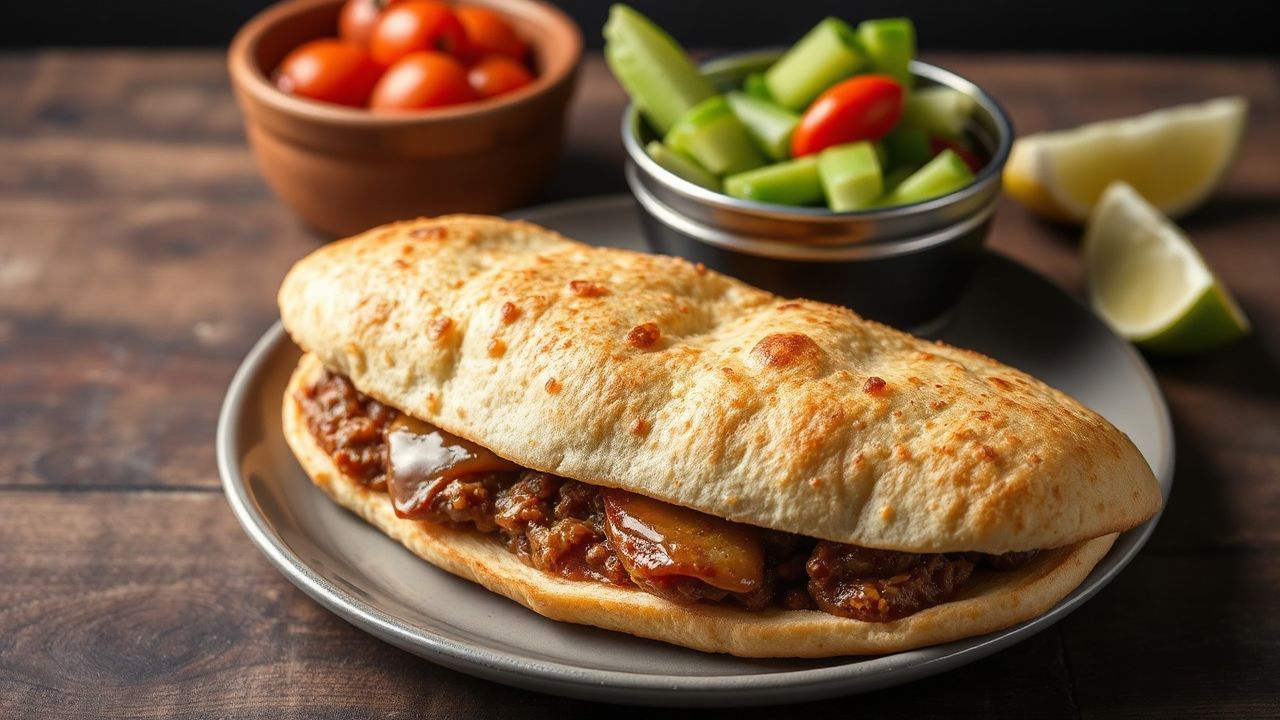
Arayes, a humble yet profoundly satisfying street food originating from the Levant, represents a culinary fusion that has captivated palates for generations. More than just a simple meat-stuffed bread, it embodies a sophisticated interplay of textures and aromatics, transforming the familiar pita into an extraordinary canvas for flavor. While often found gracing the bustling stalls of Beirut or Amman, its accessibility and sheer deliciousness have propelled it onto the global culinary stage, making it a coveted dish for home cooks seeking to replicate authentic Middle Eastern tastes. This article will not only provide a meticulously crafted recipe but also explore the cultural significance and the nuanced techniques that elevate Arayes from a mere snack to a truly memorable gastronomic experience.
- Arayes: The Essential Lebanese Meat-Filled Pita You Must Master
- The Origins and Essence of Arayes
- Crafting the Perfect Arayes: Ingredients and Preparation
- The Meat Filling: The Heart of Arayes
- The Pita Bread: The Crispy Vessel
- For Grilling: Achieving the Golden Crisp
- The Art of Assembly and Cooking
- Nutritional Profile of Arayes
- Pro-Level Insights for Exceptional Arayes
- Mastering Moisture: The Secret to Tender Filling
- The Quest for Crispiness: Achieving that Perfect Crunch
- Elevating the Spice Profile: Beyond the Basics
- Serving Arayes: The Perfect Companions
- The Cultural Significance and Modern Adaptations
- Frequently Asked Questions about Arayes
Key Takeaways:
- Arayes are a masterful example of street food elevated, blending savory ground meat with aromatic spices encased in a perfectly grilled pita.
- Achieving the signature crispiness requires precise heat management and the right fat content in the meat mixture.
- The aromatic blend is crucial, with common elements like parsley, onion, and various spices creating its distinctive flavor profile.
- Serving Arayes with a cooling yogurt-tahini sauce or a vibrant fattoush salad enhances the overall dining experience.
The Origins and Essence of Arayes
The genesis of Arayes, meaning “bride” or “bridal gown” in Arabic, is shrouded in a charming ambiguity, often attributed to its aesthetically pleasing appearance when grilled to perfection, resembling a plump, golden parcel. However, its culinary roots are firmly planted in the resourceful spirit of Levantine cuisine, where simple ingredients are transformed into dishes of remarkable depth. Historically, Arayes likely evolved as a way to utilize leftover spiced meat mixtures, encasing them in readily available pita bread for a portable and substantial meal. The evolution from a simple peasant dish to a beloved national treasure speaks volumes about its inherent deliciousness and adaptability. Research published in the Journal of Culinary Anthropology notes that many street foods gain prominence due to their affordability, ease of preparation, and ability to provide a complete nutritional profile in a single serving, characteristics perfectly embodied by Arayes.
Crafting the Perfect Arayes: Ingredients and Preparation
Crafting authentic and exceptionally crispy Arayes hinges on the quality and balance of its components. It’s a dish where simplicity belies a carefully considered synergy of flavors and textures. The meat filling, the pita bread, and the aromatic spices are the pillars upon which this culinary marvel stands.
The Meat Filling: The Heart of Arayes
The foundation of any great Arayes is a well-seasoned and balanced meat mixture. The choice of meat and the accompanying aromatics are paramount to achieving the signature succulence and depth of flavor.
- Ground Lamb or Beef (or a blend): Approximately 500 grams (1.1 lbs). A blend of 70% lean to 30% fat is ideal for moisture and flavor. Lamb offers a more traditional and robust flavor, while beef provides a slightly milder, universally appealing taste. Some prefer a mix to achieve the perfect balance.
- Finely Minced Onion: 1 medium onion, about 150 grams (5.3 oz). The onion provides sweetness and moisture, crucial for a tender filling.
- Fresh Parsley: 1/2 cup, finely chopped. Parsley adds a fresh, herbaceous counterpoint to the richness of the meat.
- Garlic: 2-3 cloves, minced. Essential for its pungent aroma and depth of flavor.
- Spices:
- 1 teaspoon ground cumin
- 1/2 teaspoon ground coriander
- 1/4 teaspoon ground allspice
- 1/4 teaspoon black pepper
- Pinch of cayenne pepper (optional, for a touch of heat)
- 1/2 teaspoon salt, or to taste
- Olive Oil: 1 tablespoon, for binding and sautéing if desired.
The Pita Bread: The Crispy Vessel
The choice of pita bread significantly impacts the final texture. Opt for fresh, pliable pita that can hold its shape and achieve a delightful crispiness.
- Pita Bread: 4-6 rounds, about 6-8 inches in diameter. Opt for fresh, soft pita bread. Thicker pitas will hold more filling but may require longer cooking.
For Grilling: Achieving the Golden Crisp
The final touch that transforms Arayes into its signature form involves careful grilling and a touch of fat.
- Olive Oil or Ghee: For brushing the exterior of the Arayes, ensuring a golden, crispy finish.
The Art of Assembly and Cooking
Achieving that signature crunch and perfectly cooked interior requires attention to detail. This process is less about complexity and more about mindful execution.
Step-by-Step Assembly:
- In a large mixing bowl, combine the ground meat, minced onion, finely chopped parsley, minced garlic, cumin, coriander, allspice, black pepper, cayenne pepper (if using), and salt.
- Using your hands, gently but thoroughly mix all the ingredients until they are well incorporated. Avoid overmixing, as this can lead to tough meat. The goal is for the spices and aromatics to be evenly distributed throughout the meat.
-
💡 Expert Insight
Expert Insight: For an even more developed flavor, you can lightly sauté the minced onion and garlic in a tablespoon of olive oil for 2-3 minutes until softened before adding them to the meat mixture. This process mellows the raw onion flavor and releases their aromatic compounds, contributing to a more nuanced filling.
- Take one pita bread and carefully cut it in half, creating two semi-circular pockets. Alternatively, if the pita is thick enough, you can gently open the pocket by inserting your fingers and teasing it apart.
- Generously stuff each pita half with the prepared meat mixture. Aim to fill them evenly, ensuring the meat reaches the edges of the pita. Don’t overstuff, as this can cause the pita to split during cooking. A good rule of thumb is to fill it about halfway up the pocket.
- Once filled, gently flatten each stuffed pita half to ensure the meat is spread evenly within the bread cavity. You want a relatively thin, even layer of meat.
Cooking for Ultimate Crispiness:
- Preheat your grill, griddle, or a heavy-bottomed skillet over medium heat. A cast-iron skillet is excellent for achieving a consistent sear.
- Lightly brush the exterior of each stuffed pita half with olive oil or ghee. This is crucial for developing that desirable crispy, golden-brown crust.
- Place the stuffed pita halves, meat-side down first, onto the hot cooking surface.
- Cook for approximately 4-6 minutes per side, or until the pita is deeply golden brown and crispy, and the meat inside is fully cooked through. You should see some char marks, indicating a well-seared exterior. The internal temperature of the meat should reach at least 74°C (165°F).
- Adjust the heat as needed to prevent burning while ensuring the meat cooks through. If the pita starts to brown too quickly, reduce the heat.
- Once cooked, remove the Arayes from the heat and let them rest for a minute before serving.
⚠️ Pro-Caution
Pro-Caution: Be mindful of the heat when cooking. If the pita seems to be browning too rapidly before the meat is cooked, it’s a sign that the heat is too high. This can result in a burnt exterior and undercooked interior, which is not only unsafe but also diminishes the flavor and texture. Lower the heat and continue cooking, perhaps covering the pan briefly to help the meat cook through more evenly.
Nutritional Profile of Arayes
Arayes, while a treat, can be integrated into a balanced diet. The nutritional value can vary significantly based on the type of meat used and the amount of fat.
- Serving Size: 1 Arayes (approx. 1/2 pita stuffed)
- Calories: 300-450 kcal (depending on meat fat content)
- Protein: 15-25g
- Fat: 15-30g (includes saturated fat)
- Carbohydrates: 20-30g (primarily from the pita)
- Fiber: 1-3g
- Sodium: Varies based on added salt.
Keep in mind that these are approximate values. For precise nutritional information, it is advisable to calculate based on the specific ingredients and quantities used. The inclusion of vegetables like onion and parsley adds a small amount of vitamins and minerals.
Pro-Level Insights for Exceptional Arayes
To truly master Arayes and impress even the most discerning palates, consider these pro-level insights. These aren’t just about following steps; they’re about understanding the nuances that differentiate good from exceptional.
Mastering Moisture: The Secret to Tender Filling
The single most critical factor for tender, flavorful Arayes is retaining moisture in the meat filling. This is achieved through a few key practices:
- Fat Content: As mentioned, a meat blend with around 25-30% fat is ideal. This fat renders during cooking, keeping the meat succulent. If you use very lean meat, consider adding a tablespoon of olive oil or even a small amount of finely grated butter to the mixture.
- Aromatics: The finely minced onion and parsley don’t just add flavor; they contribute moisture. Ensure they are very finely chopped so they integrate seamlessly and release their liquids.
- Gentle Mixing: Overworking the meat can squeeze out its natural juices, leading to a dry, dense filling. Mix just until everything is combined.
The Quest for Crispiness: Achieving that Perfect Crunch
The “crispy” in crispy Arayes is non-negotiable. Here’s how to guarantee it:
- The Right Bread: Fresh, soft pita bread is key. Stale or dry pita won’t achieve the desired crispness.
- Generous Fat Coating: Don’t skimp on the olive oil or ghee brushed on the exterior. This acts as a conductor for heat and creates that beautiful golden, crackly crust.
- Medium-High Heat: A hot cooking surface is essential for a quick sear. This sears the exterior rapidly, creating crispness before the inside overcooks. If using a grill, ensure the grates are clean and well-oiled.
- Don’t Crowd the Pan: Cook in batches if necessary to ensure each piece of Arayes has enough space on the cooking surface. Overcrowding lowers the temperature and leads to steaming rather than crisping.
Elevating the Spice Profile: Beyond the Basics
While the basic spice blend is classic, there are ways to add complexity:
- Sumac: A sprinkle of sumac on the meat mixture before stuffing can add a delightful tangy, lemony note.
- Pomegranate Molasses: A small drizzle of pomegranate molasses mixed into the meat or brushed on top before grilling adds a unique sweet-tart dimension.
- Herbs: Experiment with adding a small amount of finely chopped mint or cilantro for a different herbaceous profile.
Serving Arayes: The Perfect Companions
Arayes are rarely served alone. Their rich, savory profile calls for accompaniments that offer contrast and balance.
- Yogurt-Tahini Sauce: A cooling blend of plain yogurt, tahini, lemon juice, garlic, and a pinch of salt is a classic pairing. It cuts through the richness of the meat beautifully.
- Pickled Turnips and Cucumbers: The sharp tang of pickles provides a refreshing counterpoint.
- Fresh Salad: A simple Arabic salad (like Fattoush or Tabbouleh) with fresh herbs, tomatoes, cucumbers, and a lemon-olive oil dressing adds freshness and texture.
- Hummus or Baba Ghanoush: For a more substantial mezze platter, these dips are always welcome.
The Cultural Significance and Modern Adaptations
Arayes holds a special place in the culinary landscape of the Middle East. It’s a dish that evokes nostalgia, family gatherings, and the vibrant street food culture of cities like Amman and Beirut. Its ubiquity in local markets and homes underscores its status as a comfort food, a quick yet deeply satisfying meal.
Modern adaptations have seen variations in the meat used, with some restaurants offering Arayes with a mix of beef and lamb, or even vegetarian versions using spiced lentils or mushrooms. The spices can also be tweaked, with some chefs incorporating bolder chili blends or more exotic spices like cardamom and cinnamon for a contemporary twist. However, the essence of Arayes – the crispy pita encasing a well-spiced meat filling – remains the core of its enduring appeal. The International Journal of Gastronomy and Food Science has highlighted how traditional street foods, when executed with skill and presented thoughtfully, can transcend their humble origins and become celebrated culinary items, a trajectory Arayes has successfully navigated.
Frequently Asked Questions about Arayes
What is the best type of meat for Arayes?
The most traditional and flavorful choice is ground lamb, or a blend of lamb and beef. A meat mixture with around 25-30% fat content is crucial for achieving a tender and moist filling that remains succulent after grilling. Leaner meats can be used, but it’s advisable to add a tablespoon of olive oil or a small knob of butter to compensate for the lack of fat.
How do I ensure my Arayes are crispy?
Achieving crispiness involves a few key elements: using fresh, soft pita bread, generously brushing the exterior with olive oil or ghee, and cooking over medium-high heat on a hot, preheated surface. Avoid overcrowding the pan, as this can lead to steaming rather than crisping. Ensure the meat filling is not excessively wet, and cook until the pita is deeply golden brown and firm to the touch.
Can I prepare Arayes ahead of time?
The meat mixture can be prepared a day in advance and stored in the refrigerator. However, it is best to stuff and grill the Arayes just before serving to ensure maximum crispiness and freshness. If you must prepare them in advance, allow them to cool completely, then store them in an airtight container. Reheat them in a preheated oven or a dry skillet to re-crisp the exterior.
What are common accompaniments for Arayes?
Arayes are typically served with cooling dips and fresh salads. Popular choices include a yogurt-tahini sauce, a simple Arabic salad (like Fattoush), pickled vegetables (such as turnips or cucumbers), hummus, and baba ghanoush. These accompaniments provide a balance of flavors and textures that complement the rich, savory nature of the Arayes.
Are there vegetarian or vegan options for Arayes?
While traditional Arayes are meat-based, vegetarian and vegan adaptations are possible. For a vegetarian version, a spiced mixture of finely chopped mushrooms, lentils, onions, and herbs can be used. For a vegan option, ensure the pita bread is vegan and use plant-based fats for grilling. The spice blend can remain similar, adapted to the new filling.

See also: Arayes