
“Food is not just sustenance; it is connection, memory, and identity. It is a language spoken across generations, a thread weaving together the fabric of culture.” – Chef Anthony Bourdain
- The Soul of Hanoi: Unpacking the Magic of Bun Cha
- The Anatomy of Perfection: Deconstructing Bun Cha
- The Quintessential Components: A Chef’s Perspective
- A Culinary Pilgrimage: The Obama Effect and Bun Cha’s Global Ascent
- The Art of Preparation: A Step-by-Step Guide to Authentic Bun Cha
- Nutritional Information (Approximate per Serving, excluding optional garnishes)
- Elevating Your Bun Cha: Expert Tips for Restaurant-Quality Results
- Mastering the Charcoal Grill
- The Art of Caramelized Sugar (Nuoc Mau)
- The Role of Fermented Elements
- Freshness is Paramount
- The Enduring Allure of Bun Cha
- Frequently Asked Questions About Bun Cha
The Soul of Hanoi: Unpacking the Magic of Bun Cha
The humid air of Hanoi, particularly in the labyrinthine alleys of the Old Quarter, carries an unmistakable aroma. It’s the scent of charcoal smoke, mingling with the sweet char of grilled pork and the tangy perfume of dipping sauce. This is the olfactory signature of Bun Cha, a dish that transcends mere sustenance to become a vibrant emblem of Vietnamese culinary artistry. More than just grilled pork patties and rice vermicelli noodles, Bun Cha is an experience, a meticulously orchestrated interplay of textures, temperatures, and tastes that awakens the senses and nourishes the soul. Its ubiquity on the streets of Hanoi, from humble carts to bustling eateries, speaks volumes about its enduring appeal and its deep roots in the city’s gastronomic heritage.
Key Takeaways:
- Bun Cha is a quintessential Hanoi dish, celebrated for its complex flavor profile and interactive dining experience.
- The dish’s success hinges on the quality of its components: perfectly grilled pork, a balanced nuoc cham, and fresh, crisp accompaniments.
- Mastering Bun Cha involves understanding the nuances of marinade, grilling technique, and sauce preparation.
- It represents a significant cultural touchstone, embodying Vietnamese hospitality and communal dining.
The beauty of Bun Cha lies in its democratic nature. It is a dish accessible to all, enjoyed by students grabbing a quick lunch and by families gathering for a weekend meal. Its origins are somewhat nebulous, as is often the case with beloved street food, but it is widely believed to have emerged from the bustling markets and food stalls of Hanoi centuries ago. The dish’s evolution is proof of the ingenuity of Vietnamese cooks, who have perfected a formula that is both satisfyingly robust and remarkably nuanced. To truly appreciate Bun Cha is to explore the heart of Vietnamese home cooking, a realm where simple ingredients are transformed into extraordinary culinary narratives through skill and passion.
The Anatomy of Perfection: Deconstructing Bun Cha
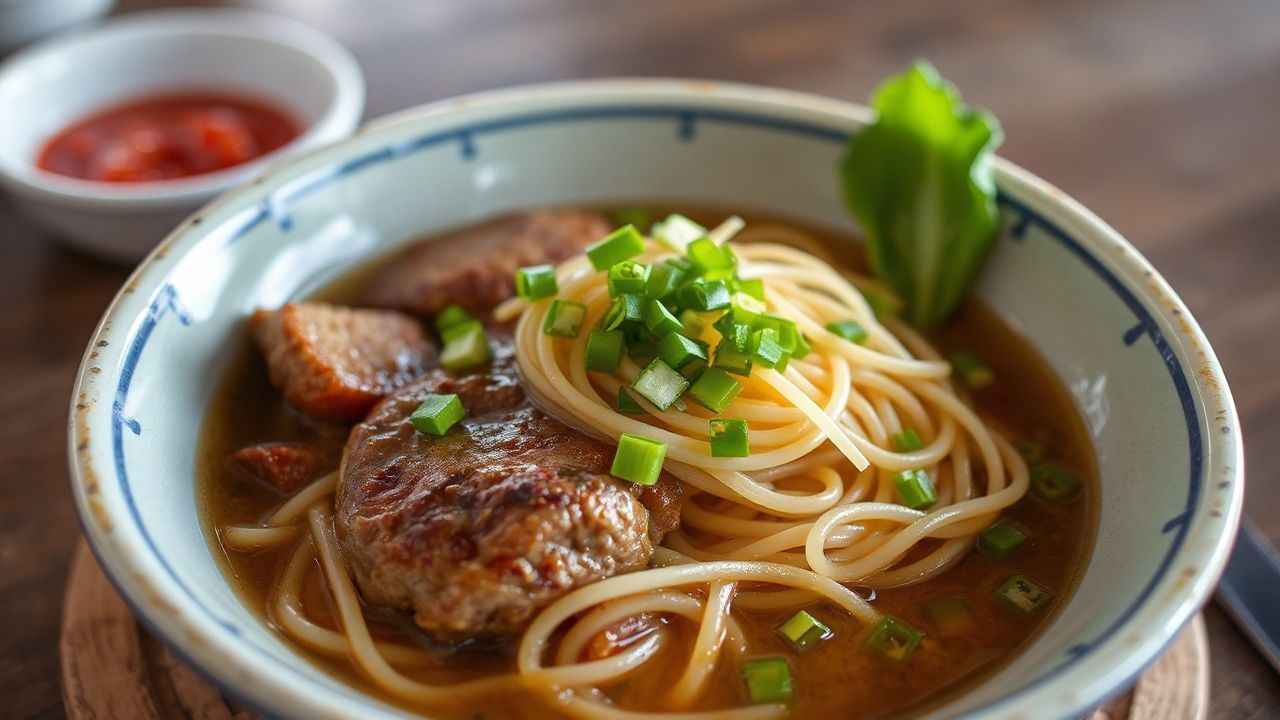
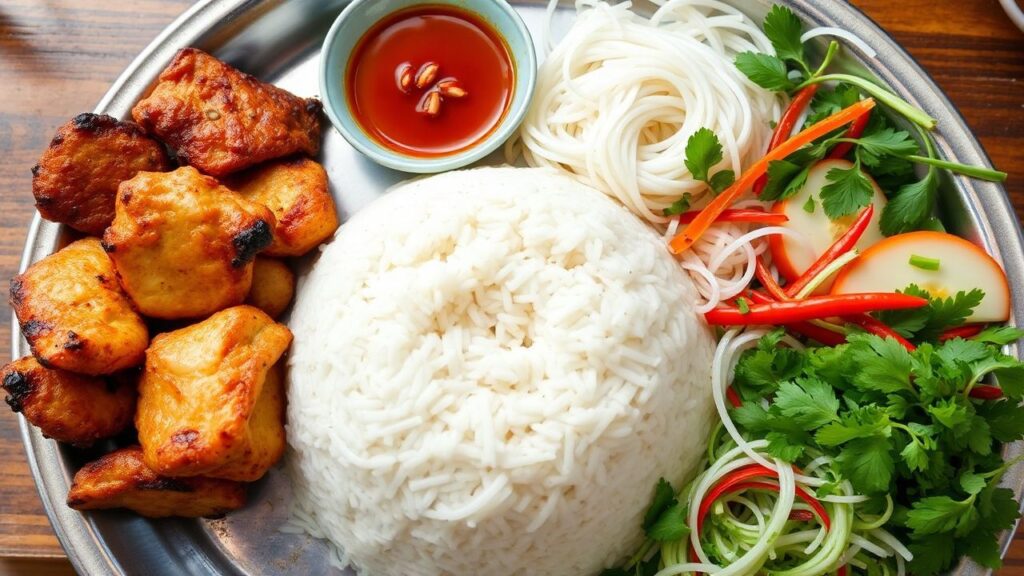
At its core, Bun Cha is a tripartite masterpiece: the grilled pork, the dipping sauce, and the noodles, all brought together by an array of fresh herbs and greens. Each element matter significantly, and the harmony achieved when they are combined is what elevates Bun Cha from a simple meal to an unforgettable gastronomic event. The pork, typically a blend of shoulder and belly, is minced and formed into small, dense patties (cha vien) and often accompanied by thicker slices of marinated pork belly (cha mieng). These are then grilled over charcoal, imparting a smoky depth that is utterly irreplaceable.
The dipping sauce, known as nuoc cham, is the soul of Bun Cha. It is a delicate balance of sweet, sour, salty, and umami, a liquid symphony that binds the other elements together. Unlike the more common fish sauce-based dipping sauces found in other Vietnamese dishes, Bun Cha’s nuoc cham is typically lighter, often incorporating a touch of caramelized sugar for depth and a subtle sweetness. The inclusion of julienned green papaya and carrot adds a delightful crunch and a hint of freshness, while slivers of garlic and fiery chilies provide a welcome kick.
Finally, the rice vermicelli noodles (bun) serve as the neutral canvas, absorbing the flavors of the sauce and the char of the pork. These are not to be mistaken for thick rice noodles; they are delicate, almost ethereal strands that offer a refreshing contrast to the richness of the meat. The accompanying platter of fresh herbs – mint, cilantro, perilla leaves, Thai basil, and lettuce – is not merely a garnish but an integral part of the experience, allowing diners to customize each bite, adding bursts of coolness and aromatic complexity.
The Quintessential Components: A Chef’s Perspective
The success of any Bun Cha, whether at a Michelin-starred restaurant or a humble street stall, hinges on the meticulous preparation of its foundational elements. It’s a culinary equation where each variable must be precisely calibrated.
Marinating the Pork: The Foundation of Flavor
The pork marinade is where the magic begins. A well-executed marinade imbues the meat with layers of flavor, tenderizes it, and helps it achieve that perfect char. The key is to use a combination of aromatics and seasonings that complement, rather than overpower, the inherent sweetness of the pork.
- Pork Cuts: A blend of pork shoulder (boston butt) for its richness and fat content, and pork belly for its succulent texture is ideal. The fat renders during grilling, keeping the patties moist and adding incredible depth.
- Aromatics: Freshly minced garlic and shallots are non-negotiable. Their pungent aroma is the backbone of the marinade.
- Seasoning: Fish sauce provides the essential umami and saltiness. A touch of sugar (often palm sugar for its caramel notes) balances the saltiness and helps with caramelization on the grill. Black pepper adds a gentle warmth.
- Binder and Texture: A small amount of cornstarch or rice flour can help bind the minced pork patties, ensuring they hold their shape during grilling and develop a pleasingly tender texture.
Crafting the Nuoc Cham: The Soul of the Dish
The nuoc cham for Bun Cha is distinct. It’s a delicate dance of sweet, sour, and salty, with just enough funk from the garlic and heat from the chili. The ratio is crucial, and while personal preference plays a role, a well-balanced nuoc cham is the hallmark of a great Bun Cha.
- Base: A good quality fish sauce is paramount. Look for brands from Vietnam or Thailand known for their purity and rich flavor.
- Sweetener: Sugar, preferably caramelized sugar (nuoc mau), adds a beautiful depth and a subtle roasted note that elevates the sauce beyond simple sweetness. To make caramelized sugar, gently heat sugar in a dry pan until it melts and turns an amber color, then carefully add a small amount of hot water to stop the cooking process.
- Acidity: Rice vinegar or lime juice provides the necessary tang. Lime juice offers a brighter, fresher acidity, while rice vinegar offers a more mellow sweetness.
- Aromatics: Finely minced garlic and thinly sliced bird’s eye chilies are essential. For the classic Bun Cha nuoc cham, these are often added *after* the initial simmering of the sauce base, allowing their fresh pungency to shine.
- Dilution: Water is used to achieve the desired consistency. The sauce should be neither too thick nor too thin, a luscious liquid that coats the noodles and pork beautifully.
- Garnishes: Julienne green papaya and carrots, along with additional garlic and chili slices, are typically added to the individual servings of nuoc cham just before serving.
The Noodles and Greens: The Supporting Cast
The humble rice vermicelli and fresh herbs are the essential supporting players that complete the Bun Cha ensemble.
- Rice Vermicelli (Bun): Choose thin, fresh rice vermicelli noodles. They should be cooked until just tender, then rinsed in cold water to prevent them from sticking and to maintain their delicate texture.
- Herbs and Greens: A generous assortment is key. Mint, cilantro, Thai basil, perilla leaves (tia to), lettuce, and sometimes bean sprouts are common. The freshness and variety of these greens provide a vital counterpoint to the richness of the pork and sauce.
A Culinary Pilgrimage: The Obama Effect and Bun Cha’s Global Ascent
The global recognition of Bun Cha received a significant boost in 2016, when former U.S. President Barack Obama famously dined at a street-side Bun Cha restaurant in Hanoi alongside celebrity chef Anthony Bourdain. This seemingly simple act of sharing a meal with a local vendor propelled the dish into the international spotlight, sparking a surge of curiosity and culinary exploration. The photograph of Obama and Bourdain perched on small plastic stools, savoring bowls of Bun Cha, became an iconic image, symbolizing cultural exchange and the universal appeal of authentic, well-crafted food. This event, often referred to as the “Obama effect” on Bun Cha, led to a demonstrable increase in tourism to Vietnam with Bun Cha as a culinary destination and a newfound appreciation for the dish among food enthusiasts worldwide. It underscored how a single, genuine experience can powerfully influence global perceptions and appetites.
The Art of Preparation: A Step-by-Step Guide to Authentic Bun Cha
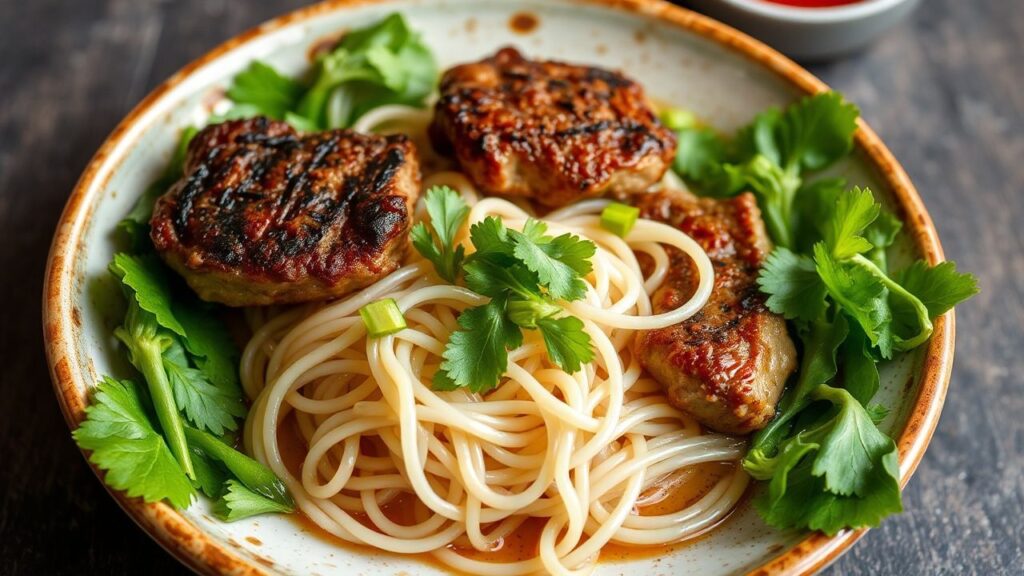
Mastering Bun Cha at home is an achievable endeavor, requiring attention to detail and a respect for the traditional techniques. This recipe aims to capture the essence of the dish, allowing you to recreate its magic in your own kitchen.
Ingredients
For the Grilled Pork (Cha Vien and Cha Mieng):
- 500g (1.1 lbs) ground pork (preferably a mix of shoulder and belly)
- 200g (0.44 lbs) pork belly, thinly sliced (about 0.5 cm / 0.2 inch thick)
- 3 large shallots, finely minced
- 4 cloves garlic, finely minced
- 2 tablespoons fish sauce
- 1 tablespoon sugar (or palm sugar)
- 1 teaspoon freshly ground black pepper
- 1 tablespoon cornstarch or rice flour
- 1 tablespoon cooking oil (for marinade)
For the Nuoc Cham Dipping Sauce:
- 200ml (about 7 fl oz) warm water
- 4 tablespoons fish sauce
- 3 tablespoons sugar (or 2 tablespoons sugar + 1 tablespoon caramelized sugar)
- 3 tablespoons rice vinegar (or lime juice)
- 3 cloves garlic, finely minced
- 2 bird’s eye chilies, thinly sliced (or to taste)
- 1/4 cup julienned green papaya (optional, for soaking in sauce)
- 1/4 cup julienned carrot (optional, for soaking in sauce)
For Serving:
- 500g (1.1 lbs) fresh rice vermicelli noodles (bun)
- A large platter of fresh herbs: mint, cilantro, Thai basil, perilla leaves, lettuce
- Optional: bean sprouts, cucumber slices
Preparation Method
Step 1: Marinate the Pork
In a large bowl, combine the ground pork, shallots, garlic, fish sauce, sugar, black pepper, cornstarch, and cooking oil. Mix thoroughly with your hands until all ingredients are evenly distributed and the mixture is slightly sticky. For the sliced pork belly, toss it with 1 tablespoon of fish sauce, 1 teaspoon of sugar, and 1/2 teaspoon of black pepper.
Step 2: Prepare the Nuoc Cham
In a saucepan, combine the warm water, fish sauce, sugar, and rice vinegar. Heat gently over medium heat, stirring until the sugar is completely dissolved. Do not boil. Remove from heat and let it cool slightly. Once cooled, stir in the minced garlic and sliced chilies. If using, add the julienned green papaya and carrot to the sauce and let them steep for at least 30 minutes to soften slightly.
Step 3: Grill the Pork
Preheat your grill (charcoal is highly recommended for authentic flavor) to medium-high heat. Alternatively, you can use a grill pan or broiler. For the patties (cha vien), form the ground pork mixture into small, bite-sized patties, about 2-3 cm (1 inch) in diameter. For the sliced pork belly (cha mieng), arrange the slices on the grill.
Grill the pork patties for about 3-4 minutes per side, or until cooked through and nicely charred. Grill the pork belly slices until golden brown and slightly crispy. Be mindful of flare-ups, especially with the pork belly. If using a broiler, place the pork on a baking sheet lined with foil and broil for 3-5 minutes per side, watching carefully to prevent burning.
Step 4: Prepare the Noodles and Herbs
Cook the rice vermicelli noodles according to package instructions. Drain them thoroughly and rinse under cold water to prevent clumping. Arrange the cooked noodles in individual serving bowls or on a platter. Wash and prepare your assortment of fresh herbs and greens, ensuring they are clean and dry.
Step 5: Assemble and Serve
To serve, place a generous portion of cooked rice vermicelli noodles in a shallow bowl. Add a few grilled pork patties and slices of pork belly to the bowl. Ladle the nuoc cham (with the julienned papaya and carrot, if using) over the pork and noodles. Ensure there is enough sauce to generously coat the noodles and pork. Arrange the platter of fresh herbs and greens alongside the bowls. Diners can then add herbs and greens to their bowls as desired, customizing each bite.
Nutritional Information (Approximate per Serving, excluding optional garnishes)
Serving Size: 1 bowl
| Nutrient | Amount |
|---|---|
| Calories | 450-550 kcal |
| Protein | 25-35g |
| Fat | 20-30g |
| Saturated Fat | 8-12g |
| Carbohydrates | 40-50g |
| Sugar | 15-20g |
| Sodium | 800-1200mg (varies greatly with fish sauce) |
Note: Nutritional values can vary significantly based on the exact ingredients, portion sizes, and the amount of fish sauce used. This is an estimated range.
Elevating Your Bun Cha: Expert Tips for Restaurant-Quality Results
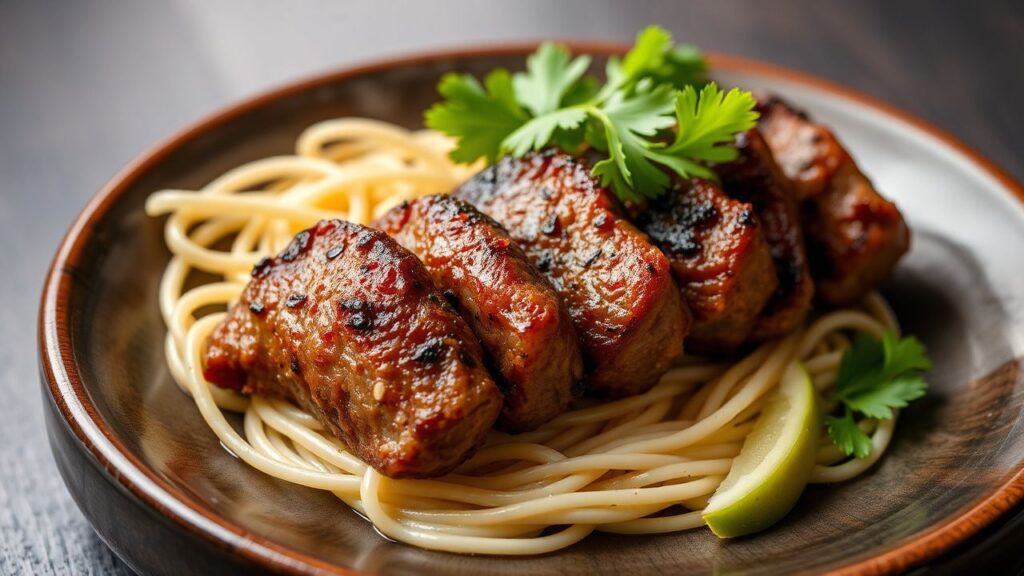
Achieving that elusive restaurant-quality Bun Cha at home is about refining technique and understanding the subtle nuances that make the dish truly exceptional.
Mastering the Charcoal Grill
While a grill pan or broiler can suffice, nothing replicates the smoky depth of charcoal. If you have access to a charcoal grill, use it! The key is to cook over glowing embers rather than open flames. This ensures even cooking and prevents the pork from becoming acrid or burnt. Aim for a medium-high heat, allowing the fat to render and char beautifully without incinerating the meat.
The Art of Caramelized Sugar (Nuoc Mau)
Using pre-made caramelized sugar, or making your own, adds an unparalleled depth of flavor and a beautiful mahogany hue to the nuoc cham. To make it, melt sugar in a dry pan over medium-low heat until it turns a rich amber. Immediately add a small amount of hot water (carefully, as it will steam) to stop the cooking and create a syrup. This step takes practice but is well worth the effort for authentic Bun Cha.
The Role of Fermented Elements
While not strictly traditional in all Hanoi Bun Cha recipes, some Northern Vietnamese cooks incorporate a small amount of fermented shrimp paste (mã tương) into the pork marinade. This ingredient, if used judiciously, adds a profound layer of savory complexity that is difficult to achieve otherwise. It’s a secret weapon that can elevate your Bun Cha to sublime heights, but it requires a discerning palate to balance its potent flavor.
Freshness is Paramount
The quality of your herbs and greens cannot be overstated. Seek out the freshest, most vibrant produce available. A generous handful of fragrant mint, crisp perilla leaves, and peppery Thai basil will transform the dish. Blanching some of the herbs for a few seconds in hot water can also bring out their fragrance and slightly soften their texture, adding another dimension to the sensory experience.
The Enduring Allure of Bun Cha
Bun Cha is more than just a dish; it is a cultural phenomenon, a culinary ambassador for Vietnam that has captured the hearts and palates of people worldwide. Its success lies in its inherent simplicity, its masterful balance of flavors, and its interactive nature. It invites participation, encouraging diners to engage with their food, to customize each bite, and to savor the experience. Whether enjoyed from a street-side cart in Hanoi or recreated in a home kitchen across the globe, Bun Cha remains proof of the enduring power of good food to connect us, to nourish us, and to tell the stories of a rich and vibrant culture. Its appeal is timeless, its flavors unforgettable, making it a true icon of Vietnamese cuisine.
Frequently Asked Questions About Bun Cha
What is the difference between Bun Cha and other Vietnamese noodle dishes?
Bun Cha is distinguished by its specific combination of grilled pork patties and slices served in a nuoc cham-based dipping sauce, accompanied by fresh rice vermicelli noodles and a generous array of fresh herbs. Unlike dishes like Pho, which features a rich broth, or Bun Bo Hue, which has a spicy and complex broth, Bun Cha is characterized by its dry, grilled components and the dipping sauce. The nuoc cham for Bun Cha is also typically lighter and tangier than the dipping sauces used for other grilled meat dishes, often incorporating julienned papaya and carrot.
Can I make Bun Cha without a charcoal grill?
Absolutely. While charcoal grilling imparts a unique smoky flavor, you can achieve delicious Bun Cha using other methods. A cast-iron grill pan on the stovetop is an excellent alternative, allowing for good charring. You can also use your oven’s broiler, placing the pork on a foil-lined baking sheet. For the best results, aim for high heat to achieve caramelization and a slight crispness on the pork. Remember to monitor closely to prevent burning.
How can I make my Bun Cha nuoc cham more authentic?
Authenticity in Bun Cha nuoc cham often comes down to the balance of ingredients and the quality of the fish sauce. Using caramelized sugar (nuoc mau) instead of just plain sugar adds a depth of flavor and color that is characteristic of traditional Hanoian nuoc cham. Finely mincing the garlic and chilies and allowing them to steep in the sauce just before serving preserves their fresh pungency. Some cooks also add a tiny splash of rice wine vinegar or a squeeze of fresh lime juice right before serving for an extra burst of brightness. The optional addition of julienned green papaya and carrot to the sauce itself also contributes to the authentic texture and flavor.
What are the best herbs to serve with Bun Cha?
The ideal herb selection for Bun Cha is crucial for its refreshing contrast. The most traditional and recommended herbs include:
- Mint: Offers a cool, refreshing burst.
- Thai Basil: Provides a distinct anise-like aroma and flavor.
- Perilla Leaves (Tia To): Has a unique, slightly minty and peppery flavor that complements the grilled pork beautifully.
- Cilantro: Adds a fresh, herbaceous note.
- Lettuce: Provides a crisp base for wrapping other ingredients.
Other common additions include bean sprouts for crunch and sliced cucumber for extra coolness. The key is variety and freshness, allowing each diner to create their perfect flavor combination.
See also: Bun Cha