
When Kids Reject Dinner: Creative Tips to Win Mealtime Battles
Dinner time can sometimes feel like a battleground. Tiny forks can become weapons of resistance, and carefully prepared meals might be met with dramatic sighs. When kids reject dinner, it’s more than just food on the plate. It’s a challenge touching on growing independence, fluctuating appetites, and the quest for control.
- When Kids Reject Dinner: Creative Tips to Win Mealtime Battles
- Understanding the Root Causes of Mealtime Resistance
- Creative Strategies to Encourage Eating
- The Power of Presentation: Making Food Fun
- Introducing New Foods with a Playful Approach
- Empowering Choices: Giving Kids a Say
- The Role of Routine and Predictability
- Beyond the Plate: Fostering a Positive Mealtime Environment
- When to Seek Professional Guidance
- A Wholesome Veggie-Packed Mini Frittata Recipe
- Frequently Asked Questions
- Why do kids often reject dinner, even when they’re hungry?
- How can I make dinner more appealing without just resorting to sugary desserts?
- What’s a creative way to introduce new foods?
- How can I handle outright refusal to eat without battles at the table?
- What role does routine play in winning mealtime battles?
- Future Outlook
At a Glance: Winning Mealtime Battles
- Understand the root causes of picky eating, such as control or sensory issues.
- Involve children in meal preparation to foster ownership and excitement.
- Make meals interactive and fun with creative presentation and choices.
- Maintain a calm, pressure-free environment to encourage open-mindedness.
But don’t despair. With a sprinkle of creativity and a dash of patience, mealtime battles can transform into moments of connection and even delight. This article explores inventive and practical strategies to turn “no thanks” into enthusiastic “yes, please,” making dinner a joyful pause in your family’s busy day.
Understanding the Root Causes of Mealtime Resistance
Kids often reject dinner for a multitude of reasons. It’s rarely just about the taste or texture of a specific food. Sometimes, it’s a bid for independence. Children are discovering their own wills, and food choices can be an easy way to exert control.
Other times, it might stem from sensory sensitivities. Certain textures, smells, or even the visual appearance of food can be overwhelming. Boredom with the same old meals or simply testing boundaries can also play a significant role. Recognizing these underlying causes is the first step to finding effective solutions.
Creative Strategies to Encourage Eating
Making mealtime a positive experience requires a proactive approach. Instead of focusing solely on what isn’t being eaten, shift your energy towards making food appealing and the experience enjoyable. This involves a blend of culinary creativity and psychological understanding.
One effective tactic is to involve your children in the cooking process. When they help select ingredients, wash vegetables, or stir the pot, they develop a sense of ownership. This investment often translates into a greater willingness to try the final product.
The Power of Presentation: Making Food Fun
How food looks on the plate can be as important as how it tastes, especially for children. Vibrant colors, interesting shapes, and playful arrangements can transform a regular meal into an exciting adventure.
Consider using cookie cutters to create fun shapes from vegetables or sandwiches. Arrange food to look like faces, animals, or favorite characters. Even simple garnishes like fresh herbs or a drizzle of sauce can make a dish more visually enticing. Remember, a visually appealing meal sparks curiosity and encourages exploration.
Introducing New Foods with a Playful Approach
Introducing new foods can be a delicate dance. Instead of pressuring your child to try something, make it a game. A “taste test” where they describe the texture and flavor using imaginative words can be a fun way to engage them.
Offer new foods alongside familiar favorites. This way, there’s always something they know they can eat, reducing anxiety. Even a tiny taste, a mere nibble, is a victory. Celebrate these small steps rather than focusing on the amount consumed.
A consistent mealtime routine creates a sense of security. Children thrive with predictability. Regular meal times, set places, and family dining rituals can make dinner a smoother experience.
Empowering Choices: Giving Kids a Say
One of the biggest drivers of mealtime resistance is a lack of control. Offering age-appropriate choices can significantly reduce power struggles. This doesn’t mean a free-for-all, but rather guided options.
For example, you can ask, “Would you like broccoli or green beans with your chicken tonight?” or “Do you prefer your carrots steamed or roasted?” This empowers them to make decisions within a framework you provide, making them more likely to accept the meal.
The Role of Routine and Predictability
Children thrive on routine. A consistent mealtime structure helps them understand expectations and feel secure. Knowing when and where meals will happen can alleviate some anxiety around food.
Establish regular mealtimes, even on weekends. Designate a specific family table or area for eating. This predictability signals that it’s time to eat, focus, and connect as a family, away from distractions like screens.
Beyond the Plate: Fostering a Positive Mealtime Environment
The atmosphere at the dinner table matter significantly. Strive to create a calm, relaxed, and positive environment. Avoid nagging, bribing, or punishing your child for not eating.
Focus on conversation and connection. Ask about their day, share your own experiences, and make the meal a time for family bonding. When mealtime is associated with positive interactions, children are more likely to feel comfortable and open to trying new things.
When to Seek Professional Guidance
While most picky eating phases are temporary, there are times when professional help is needed. If your child’s refusal to eat is persistent and affects their growth, energy levels, or overall health, it’s time to consult a pediatrician.
A feeding specialist or a registered dietitian can provide tailored advice and strategies for specific concerns, such as severe food aversions, extreme picky eating, or suspected underlying medical conditions. Early intervention can make a significant difference.
A Wholesome Veggie-Packed Mini Frittata Recipe
Introducing vibrant, tasty dishes like veggie-packed mini frittatas can be a breakthrough. Inspired by Mediterranean flavors and the playful charm of bite-sized portions, these mini frittatas transform reluctant mealtime moments into joyful culinary explorations. Their colorful veggies and fluffy eggs create a comforting texture and familiar taste, making them irresistible even to the pickiest eaters.
Prep and Cook Time
Prep: 15 minutes | Cook: 20 minutes | Total: 35 minutes
Yield
Serves 6 (makes 12 mini frittatas)
Difficulty Level
Easy – Perfect for busy parents looking to win mealtime battles without fuss.
Ingredients
- 6 large eggs, beaten
- 1/2 cup milk (whole or 2%)
- 1 cup finely chopped spinach, fresh
- 1/2 cup bell peppers, diced (mix of red and yellow for color)
- 1/4 cup shredded mild cheddar cheese
- 1/4 cup finely chopped carrot
- 1 small onion, finely diced
- 1 tbsp olive oil
- Salt and pepper to taste
- Optional: pinch of dried oregano or basil
Instructions
- Preheat your oven to 375°F (190°C). Lightly grease a mini muffin tin with olive oil or spray to ensure easy removal.
- Sauté onion and bell peppers in olive oil over medium heat until soft and fragrant, about 4-5 minutes. Stir occasionally to prevent sticking.
- In a mixing bowl, whisk together eggs, milk, salt, pepper, and herbs until the mixture is smooth and pale.
- Add the sautéed veggies, spinach, carrot, and shredded cheese to the egg mixture and fold gently to combine evenly.
- Pour the egg mixture evenly into the mini muffin cups, filling about 3/4 full.
- Bake for 15-18 minutes or until the frittatas are puffed, golden around the edges, and set in the center.
- Allow to cool for 5 minutes before gently removing them with a small spatula or butter knife.
- Serve warm or at room temperature, making these perfect for little hands and quick bites.
Tips for Success
- Try swapping spinach for kale or zucchini for a different veggie profile your child enjoys.
- Make ahead and refrigerate or freeze for up to 3 days or 1 month respectively-simply reheat in the microwave for 30 seconds.
- Use a blend of cheeses like mozzarella or mild gouda for added creaminess without overpowering flavors.
- Keep seasoning mild initially; add more salt or herbs gradually to suit sensitive palates.
Serving Suggestions
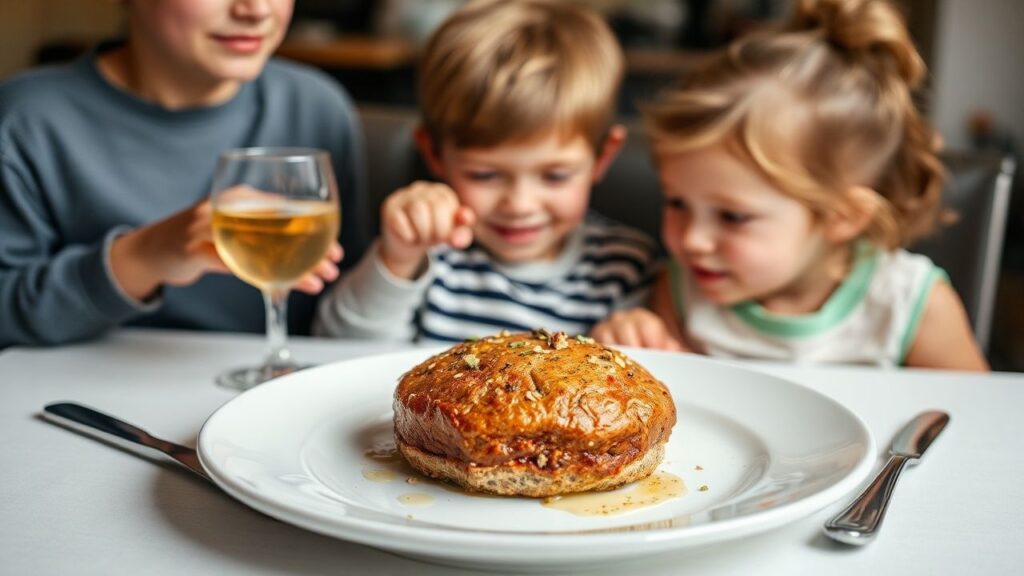
Present these mini frittatas on a colorful plate alongside a small bowl of honey-yogurt dip or ketchup for an interactive experience. Garnish with fresh parsley or chives and pair with sliced avocado or crunchy cucumber sticks. These finger-friendly bites shine as a snack, lunchbox addition, or a side to soup, making mealtime less of a battle and more of a celebration.
| Nutritional Info (per 2 mini frittatas) | Amount |
|---|---|
| Calories | 120 kcal |
| Protein | 8 g |
| Carbohydrates | 4 g |
| Fat | 8 g |
For more creative family-friendly recipes, check out our Kid-Friendly Dinner Ideas. For expert advice on children’s nutrition, visit the Academy of Nutrition and Dietetics.
Frequently Asked Questions
Why do kids often reject dinner, even when they’re hungry?
Kids can be picky eaters for a variety of reasons, including sensory sensitivities, control issues, boredom, or simply testing boundaries. Sometimes, it’s less about hunger and more about mood or wanting to assert independence. Understanding this helps parents approach mealtime with empathy rather than frustration.
How can I make dinner more appealing without just resorting to sugary desserts?
Try turning dinner into a colorful adventure! Use vibrant plates, create food art (like smiley faces with vegetables), or involve your child in food preparation. When kids feel ownership over their meal, they’re more excited to try it. Making food visually engaging can transform a child’s perception of a meal.
What’s a creative way to introduce new foods?
Play a “taste quest” game where each new food is a treasure to discover and describe. Encourage your child to find fun flavors, textures, or even imaginary superpowers in their meal. Making tasting a playful experience reduces pressure and sparks curiosity.
How can I handle outright refusal to eat without battles at the table?
Keep mealtime calm and pressure-free. Offer a variety of foods but don’t force eating. Sometimes, the best tactic is “no thanks” with no drama. Kids often come around when they aren’t stressed, knowing the family eats together happily. A relaxed atmosphere promotes better eating habits.
What role does routine play in winning mealtime battles?
A consistent mealtime routine creates a sense of security and expectation. Children thrive with predictability, so regular meal times, set places, and family dining rituals can make dinner a smooth experience. Routines help manage expectations and reduce mealtime anxiety.

Future Outlook
In the grand adventure of parenting, mealtime battles can feel like formidable quests. However, with a dash of creativity and a sprinkle of patience, they become opportunities for connection and growth. Remember, when kids reject dinner, it’s not just about what’s on the plate, but how we invite them to take part in the story of nourishment.
By transforming meals into playful experiences, involving little hands in the kitchen, and offering choices that empower, we can turn resistance into curiosity and refusals into bites of discovery. So next time the dinner bell rings and the battle lines are drawn, embrace these creative strategies and watch mealtime transform from a battleground into a joyful feast of family togetherness. Embracing a positive and flexible approach is key to fostering a healthy relationship with food for your child.
See also: kids reject dinner