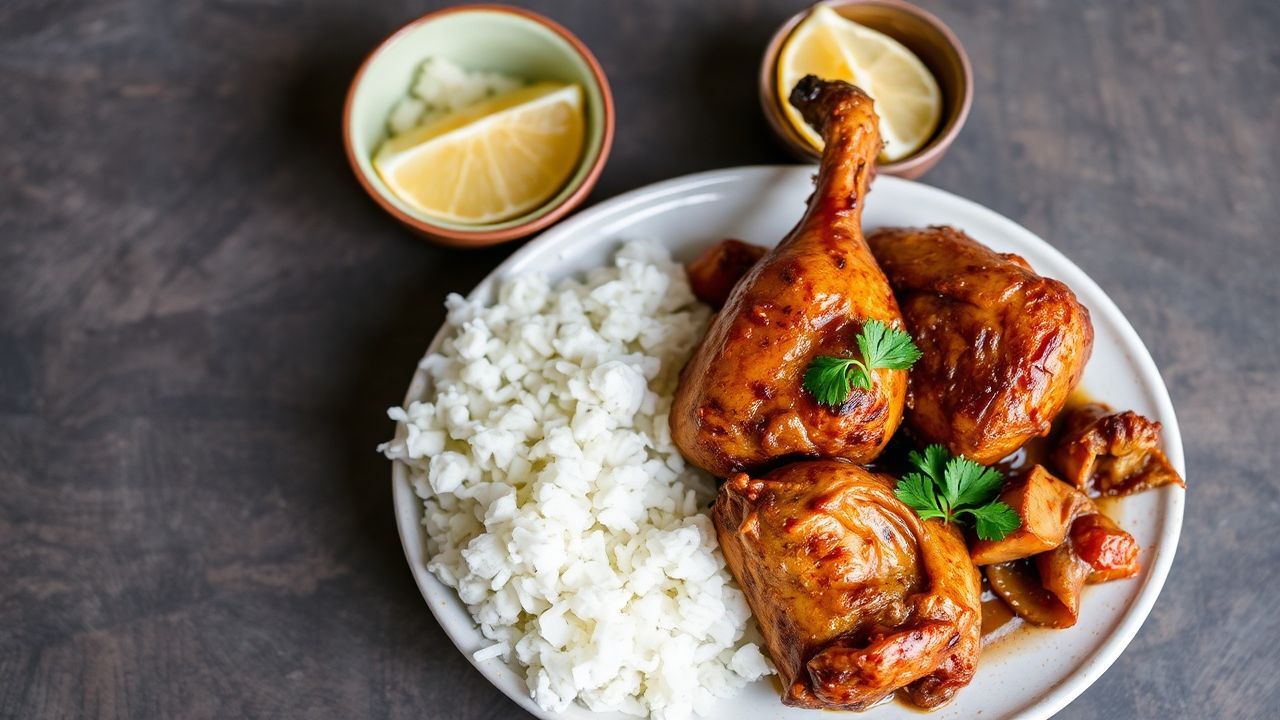

Unlocking the Soul of Senegalese Chicken Yassa
In Senegal, a nation celebrated for its rich culinary tapestry, Chicken Yassa is not just a meal but a profound expression of hospitality and communal joy. This iconic dish, characterized by its bright, tangy marinade and deeply caramelized onions, stands as proof of the country’s vibrant West African heritage. Its aroma, a complex symphony of citrus, garlic, and slow-cooked aromatics, transports one to the bustling markets of Dakar or the tranquil shores of the Atlantic. The sheer prevalence of Chicken Yassa in Senegalese households and restaurants alike highlights its status; it’s estimated that upwards of 60% of Senegalese families prepare some variation of this dish at least once a month, underscoring its deep cultural embedment and widespread appeal.
- Unlocking the Soul of Senegalese Chicken Yassa
- Mastering the Art of Chicken Yassa: A Culinary Blueprint
- The Pillars of Perfection: Essential Ingredients
- The Culinary Alchemy: A Step-by-Step Guide to Chicken Yassa
- Nutritional Profile: A Look at Senegalese Chicken Yassa
- A Culinary Journey Home: The Enduring Appeal of Chicken Yassa
- Frequently Asked Questions About Chicken Yassa
At a Glance: The Essence of Chicken Yassa
- A cornerstone of Senegalese cuisine, celebrated for its distinctive citrus-onion marinade.
- Embodies West African culinary principles of slow cooking and vibrant flavor layering.
- Versatile, adaptable, and a true representation of Senegalese warmth and generosity.
- Offers a unique balance of acidity, sweetness, and savory depth, making it universally appealing.
The genesis of Chicken Yassa is intrinsically linked to the culinary traditions of the Serer people, an ethnic group indigenous to Senegal and Gambia. While its exact origins are debated, the dish’s core elements—marinating protein in acidic liquids and slow-cooking aromatics—are ancient practices found across many West African cultures. The introduction of lemons and onions, likely through trade routes with North Africa and later European influence, provided the specific flavor profile that defines today’s Yassa. It’s a dish that has evolved, adapting to available ingredients while retaining its soul. Understanding this historical context is crucial for appreciating the depth and significance of Chicken Yassa beyond its immediate deliciousness; it’s a culinary narrative woven through centuries of migration, trade, and cultural exchange.
The Anatomy of Flavor: What Makes Chicken Yassa Sing
At its heart, Chicken Yassa is a celebration of contrast and harmony. The primary flavors are driven by a potent marinade, typically featuring a generous amount of lemon juice, which not only tenderizes the chicken but also imparts a bright, zesty counterpoint to the richness of the poultry. This acidity is then balanced by the natural sweetness of slowly caramelized onions, which form the backbone of the sauce. Garlic, mustard, and sometimes a touch of chili pepper contribute further layers of complexity, creating a dish that is simultaneously sharp, sweet, savory, and subtly piquant. The cooking method itself is key, involving a long, slow braise that allows the flavors to meld and deepen, transforming simple ingredients into something extraordinary. This patient approach is a hallmark of many African cuisines, emphasizing the transformation of raw ingredients through time and heat.
The cultural significance of Chicken Yassa cannot be overstated. It is a dish often prepared for guests, family gatherings, and celebrations, symbolizing generosity and a welcoming spirit. The act of sharing a communal platter of Yassa, often served with fluffy rice or couscous, fosters a sense of togetherness. In many Senegalese homes, the preparation itself can be a family affair, with different members contributing to the marination, chopping, or stirring, further cementing its role as a dish that binds people. This communal aspect is a powerful differentiator in a world increasingly focused on individualistic dining experiences.
Mastering the Art of Chicken Yassa: A Culinary Blueprint
To truly appreciate Chicken Yassa, one must understand the meticulous process that elevates it from mere chicken and onions to a culinary masterpiece. This isn’t a dish to be rushed; it’s an exercise in patience, allowing the ingredients to interact and develop their full potential. The quality of the chicken, the freshness of the produce, and the precision of the cooking times all matter significantly in the final outcome.
The Pillars of Perfection: Essential Ingredients
Achieving the authentic flavor of Senegalese Chicken Yassa requires a thoughtful selection of ingredients. While variations exist, a core set of components forms the foundation of this beloved dish. The quality of each element directly impacts the final taste, so sourcing the best available is paramount.
- Chicken: Traditionally, bone-in chicken pieces are preferred, such as thighs and drumsticks, as they lend more flavor and moisture to the dish during the slow cooking process. For a leaner option, boneless, skinless thighs can be used, though they may require slightly shorter cooking times to prevent drying out. Approximately 1.5 kg (3.3 lbs) of chicken pieces is a good starting point for a family-sized meal.
- Onions: This is where Yassa truly shines. A substantial quantity of onions is essential – at least 1 kg (2.2 lbs) of yellow or Spanish onions. They are sliced thinly and are the key to creating the rich, sweet, and savory sauce. The sheer volume of onions may seem daunting, but they cook down significantly, forming the luscious base.
- Lemons: Freshly squeezed lemon juice is non-negotiable. You’ll need about 200-250 ml (about 1 cup) of juice from about 4-6 large lemons. The tartness is critical for balancing the richness of the chicken and the sweetness of the onions.
- Garlic: A generous amount of minced garlic is crucial for that pungent aromatic depth. Expect to use 8-10 cloves, or even more to your preference.
- Dijon Mustard: A good quality Dijon mustard adds a subtle tang and emulsifying properties to the marinade. About 2-3 tablespoons should suffice.
- Vegetable Oil: A neutral-flavoured oil like canola or sunflower oil is needed for sautéing and caramelizing the onions. Approximately 100-150 ml (about ½ to ¾ cup).
- Stock or Water: Chicken or vegetable stock can be used to deglaze the pan and add further depth to the sauce. Plain water is also acceptable if stock is unavailable. About 200-300 ml (1 to 1.5 cups).
- Seasoning: Salt and freshly ground black pepper are essential. Some recipes also incorporate a pinch of chili flakes or a whole chili pepper for a gentle warmth, though this is often served on the side as a condiment. Bay leaves can also add a subtle herbaceous note during simmering.
The Culinary Alchemy: A Step-by-Step Guide to Chicken Yassa
Embarking on the creation of Chicken Yassa is a journey that rewards patience and attention to detail. Each step is designed to build layers of flavor, culminating in a dish that is both comforting and exhilarating.
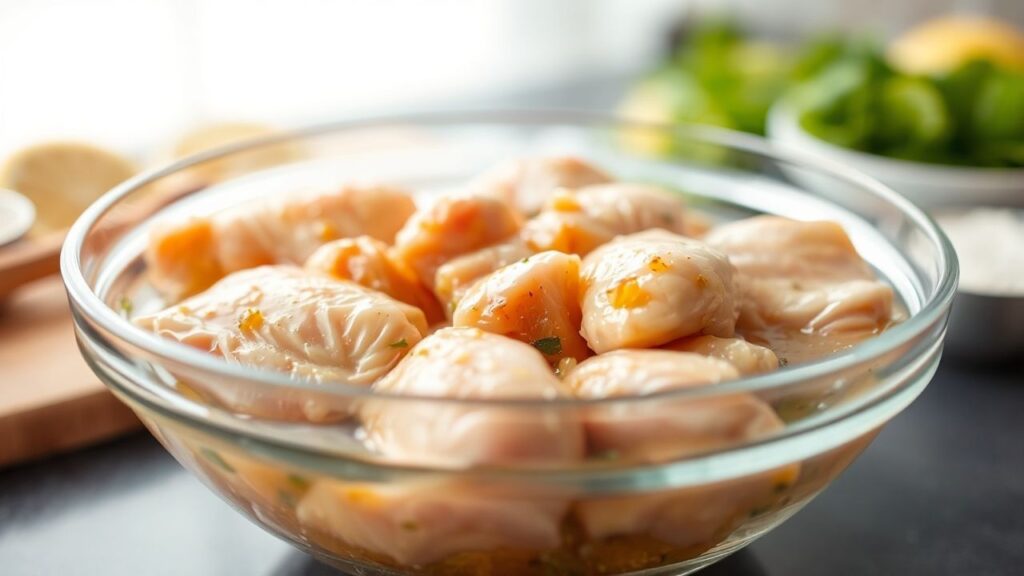
1. Marination is Key (The Foundation): Begin by preparing your chicken. Pat the pieces dry thoroughly. In a large bowl, combine the freshly squeezed lemon juice, minced garlic, Dijon mustard, about a teaspoon of salt, and half a teaspoon of black pepper. Add the chicken pieces, ensuring they are well coated. Cover the bowl and refrigerate for at least 4 hours, or ideally, overnight. This extended marination is crucial for tenderizing the meat and infusing it with the characteristic citrusy tang.
2. The Art of Onion Caramelization (The Soul): This is arguably the most critical and time-consuming step for achieving authentic Chicken Yassa. In a large, heavy-bottomed pot or Dutch oven, heat the vegetable oil over medium-low heat. Add the thinly sliced onions. This is where patience is rewarded: you are not sautéing them quickly, but rather coaxing out their natural sugars through slow, gentle cooking. Stir occasionally, ensuring the onions don’t burn. This process can take anywhere from 30 to 60 minutes, or even longer, until the onions are deeply golden brown, softened, and translucent, forming a rich, sweet paste. If they start to stick, a splash of water can help.
3. Sear the Chicken (Building Depth): Once the onions are beautifully caramelized, remove them from the pot and set them aside in a bowl. Drain the chicken pieces from the marinade, reserving the marinade. Add a little more oil to the pot if necessary, and increase the heat to medium-high. Sear the chicken pieces in batches until they are golden brown on all sides. This searing process creates a delicious crust and locks in moisture. Remove the seared chicken and set aside with the onions.
4. Deglaze and Combine (The Harmony): Pour the reserved marinade into the hot pot. Scrape the bottom of the pot to loosen any browned bits – these are packed with flavor. Let the marinade simmer for a minute to slightly reduce. Return the caramelized onions and the seared chicken pieces to the pot. Add the chicken or vegetable stock (or water) to the pot. It should come about halfway up the sides of the chicken. Bring the liquid to a gentle simmer.
5. Slow Simmering (The Transformation): Cover the pot tightly, reduce the heat to low, and let the Chicken Yassa simmer gently for 45-60 minutes, or until the chicken is cooked through and incredibly tender. The sauce will thicken as it cooks, infused with the flavors of the chicken, onions, and marinade. Stir occasionally to prevent sticking. If the sauce becomes too thick, add a little more stock or water.
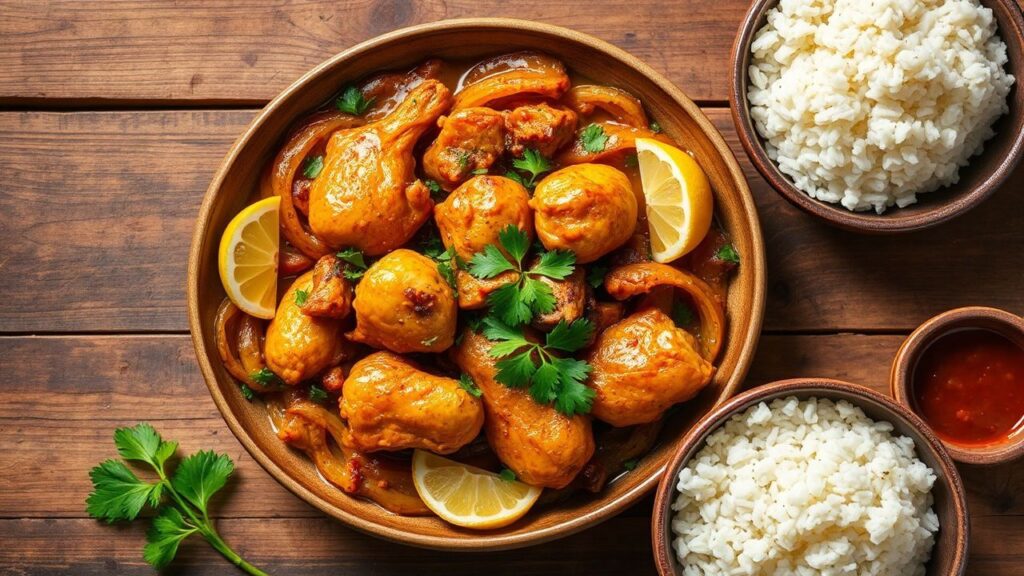
6. Rest and Serve (The Revelation): Once the chicken is tender, remove the pot from the heat and let it rest, covered, for about 10-15 minutes. This resting period allows the juices in the chicken to redistribute, ensuring maximum succulence. Taste the sauce and adjust seasoning if necessary. Serve the Chicken Yassa hot, traditionally spooned over fluffy white rice or couscous. Garnish with fresh parsley and lemon wedges. For those who enjoy a little heat, a side of spicy chili sauce (often made with Scotch bonnet peppers) is a popular accompaniment.
Nutritional Profile: A Look at Senegalese Chicken Yassa
While Chicken Yassa is celebrated for its vibrant flavors and cultural significance, understanding its nutritional composition offers a balanced perspective. The dish is inherently rich due to the generous use of onions and chicken, but its healthfulness can be influenced by preparation methods and portion sizes.
- Calories: A typical serving (approximately 200-250g, including chicken and sauce, excluding rice) can range from 400 to 600 calories, depending on the amount of oil used and the fattiness of the chicken cuts.
- Protein: Chicken is an excellent source of lean protein, with a serving providing roughly 30-40g, essential for muscle repair and growth.
- Fat: The fat content can vary significantly. Using skinless chicken and moderating oil in the caramelization process can reduce this. A serving might contain 20-35g of fat, with a portion of that being saturated fat from the chicken skin if used.
- Carbohydrates: The primary carbohydrate source is the onion, which contains natural sugars. If served with rice or couscous, the carbohydrate count will increase substantially. The onion component itself contributes about 10-20g of carbohydrates per serving.
- Vitamins and Minerals: Onions are a good source of Vitamin C and B vitamins, as well as potassium. Lemons contribute Vitamin C. Chicken provides B vitamins, phosphorus, and selenium.
The cultural context of Chicken Yassa also plays a role in its perception as a meal. It’s often prepared for communal occasions, where the focus is on sharing and enjoyment rather than strict dietary adherence. However, for those mindful of their health, simple modifications can make it a more regular feature in a balanced diet.
Elevating Your Chicken Yassa: Pro Tips for Restaurant-Quality Results
Transforming your home-cooked Chicken Yassa into a dish that rivals those found in the finest Senegalese eateries requires a few expert touches. These nuanced techniques, honed by seasoned chefs, can elevate the dish from good to truly unforgettable.
- The Marinade Matters Most: Don’t skimp on the marination time. Overnight is ideal. For an extra punch, consider adding a teaspoon of whole coriander seeds to the marinade; they can be strained out before cooking. The acidity of the lemon is crucial, but ensure you don’t over-marinate with pure citrus, as it can begin to “cook” the chicken unevenly, giving it a slightly mushy texture. A balance is key.
- Mastering the Onion’s Sweetness: The true secret to an exceptional Yassa sauce lies in the slow, deliberate caramelization of the onions. This is not a step to be rushed. Use a heavy-bottomed pot or Dutch oven to ensure even heat distribution. Stir frequently, but not constantly, allowing the onions to soften and sweeten without scorching. If the onions start to brown too quickly, reduce the heat and add a tablespoon of water to prevent burning. The goal is a deep, rich, mahogany hue, not a burnt, bitter char. This process can take up to an hour, but the resulting depth of flavor is incomparable.
- The Sear for Succulence: Properly searing the chicken pieces before adding them to the sauce is essential. This creates a flavorful crust and locks in juices, preventing the chicken from becoming dry during the long simmering process. Ensure your pot is hot enough before adding the chicken, and sear in batches to avoid overcrowding, which would steam the chicken rather than brown it.
- Balancing the Sauce: After simmering, taste your sauce. The ideal Yassa sauce should have a harmonious balance of tangy, sweet, and savory notes. If it’s too sharp, a touch more sugar or a longer simmer can mellow the acidity. If it’s too sweet, a squeeze of fresh lemon juice can reintroduce that essential brightness. A pinch of sugar added during the onion caramelization stage can help achieve that perfect sweet profile.
- The Power of Resting: Just like with any braised meat, allowing the Chicken Yassa to rest after cooking is vital. This brief period of repose allows the juices to redistribute throughout the chicken, ensuring every piece is succulent and tender. It also allows the flavors of the sauce to meld further, creating a more cohesive and satisfying dish.
A Culinary Journey Home: The Enduring Appeal of Chicken Yassa
Senegalese Chicken Yassa is more than just a recipe; it’s a narrative of culture, community, and culinary artistry. Its journey from the kitchens of West Africa to tables around the globe is proof of its universally appealing flavors. The dish’s ability to adapt, while retaining its core identity, speaks to its resilience and enduring charm. Whether prepared for a festive occasion or a simple weeknight meal, Chicken Yassa offers a profound connection to a vibrant culinary heritage, proving that the simplest ingredients, treated with care and patience, can yield the most extraordinary results.
The dish’s influence is palpable. In culinary circles, Yassa is often cited as an exemplar of West African cuisine’s sophisticated use of aromatics and slow-cooking techniques. It has inspired countless chefs to explore the rich and diverse flavors of the region, bringing dishes like Chicken Yassa to a wider audience. Its popularity has also led to numerous interpretations, from spicy variations to healthier baked versions, demonstrating its adaptability.
The core of Yassa’s appeal lies in its comforting yet exciting flavor profile. The interplay between the sharp lemon, the sweet onions, and the tender chicken creates a symphony on the palate that is both familiar and exotic. It’s a dish that satisfies the soul as much as the stomach, making it a beloved classic for a reason.
Frequently Asked Questions About Chicken Yassa
What is the best type of chicken to use for Yassa?
For authentic Senegalese Chicken Yassa, bone-in chicken pieces such as thighs and drumsticks are highly recommended. The bones contribute significant flavor and richness to the sauce as it simmers, and these cuts are more forgiving during the long cooking process, staying moist and tender. While boneless, skinless thighs can be used as a quicker alternative, they may not yield the same depth of flavor or succulence. If using boneless cuts, be mindful of the cooking time to prevent them from drying out. The skin, while often removed for health reasons, adds a wonderful richness and helps in achieving a beautifully browned exterior during searing.
How long should I marinate the chicken for Chicken Yassa?
The marination period is critical for infusing the chicken with the signature tangy flavor of Chicken Yassa and tenderizing the meat. While a minimum of 4 hours is recommended to allow the lemon juice and other marinade ingredients to penetrate the chicken, overnight marination (12-24 hours) is considered ideal by many culinary experts for achieving the deepest flavor and optimal tenderness. Ensure the chicken is fully submerged in the marinade and stored in the refrigerator during this time. Avoid marinating for much longer than 24 hours, as the acidity from the lemon juice can start to break down the protein too much, leading to a mushy texture.
Can I make Chicken Yassa ahead of time?
Yes, Chicken Yassa can absolutely be made ahead of time, and in fact, many find that its flavors meld and improve with a day or two of resting in the refrigerator. After cooking, allow the Yassa to cool completely. Store it in an airtight container in the refrigerator. When ready to serve, gently reheat it on the stovetop over low heat, adding a splash of water or chicken stock if the sauce has thickened too much. This dish is often even more delicious the next day, making it an excellent option for meal prep or for entertaining guests, as you can prepare it in advance and focus on other aspects of your meal.
What are some common side dishes served with Chicken Yassa?
The quintessential accompaniment to Senegalese Chicken Yassa is fluffy white rice, cooked plain to absorb the rich sauce without overpowering the dish. Another popular option is couscous, which offers a lighter texture. Some variations also include fufu or millet for a more traditional West African starch. Beyond starches, a fresh, crisp green salad can provide a refreshing contrast to the richness of the Yassa. For those who enjoy a bit of heat, a small dish of finely chopped chili peppers (often Scotch bonnets) marinated in lemon juice and oil, known as ‘piment fort’, is a common and highly recommended condiment to add a fiery kick to each bite.
See also: Chicken Yassa