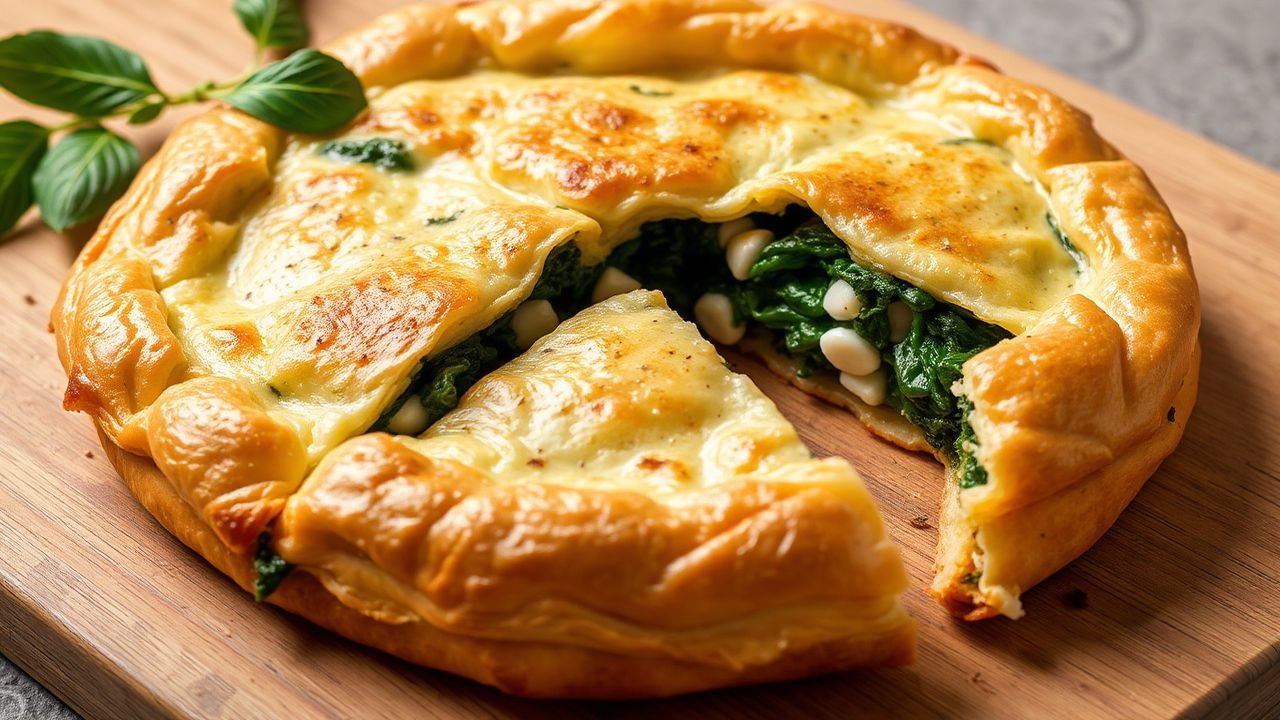

Spanakopita, a culinary icon of Greece, transcends mere sustenance; it embodies a heritage of resourcefulness and celebration.
- The Enduring Allure of Spanakopita
- Deconstructing the Quintessential Spanakopita: Ingredients and Their Roles
- The Verdant Heart: Spinach and its Companions
- The Creamy Counterpoint: Feta and Other Dairy
- The Golden Wrapper: Phyllo Dough Mastery
- The Art of Preparation: Crafting Your Spanakopita
- Step 1: Preparing the Flavorful Filling
- Step 2: Assembling the Spanakopita
- Step 3: Baking to Golden Perfection
- Nutritional Insights: A Wholesome Indulgence
- Elevating Your Spanakopita: Pro-Tips for Restaurant-Quality Results
- Regional Variations: A Taste of Greece’s Diverse Palates
- Conclusion: The Enduring Legacy of Spanakopita
- Frequently Asked Questions About Spanakopita
Key Takeaways:
- The soul of authentic Spanakopita lies in balancing fresh, vibrant spinach with the creamy tang of feta.
- Mastering the crisp, golden layers of phyllo dough is paramount to achieving a truly exceptional Spanakopita.
- Regional variations offer a fascinating glimpse into the diverse culinary tapestry of Greece.
- This dish is proof of the Mediterranean diet’s emphasis on fresh, seasonal ingredients.
The aroma of baking phyllo, mingling with the earthy scent of spinach and the sharp piquancy of feta, is an olfactory prelude to a Hellenic feast. For many, the first encounter with Spanakopita is a revelation – a deceptively simple yet profoundly satisfying savory pie that speaks volumes about Greek culinary philosophy. It’s a dish that graces humble family tables and festive celebrations alike, a constant thread woven through the fabric of Greek life. This article demystifies its creation, offering not just a recipe, but an understanding of the nuances that elevate it from good to sublime. We will explore the essential components, the techniques that build its characteristic texture, and the subtle variations that reflect Greece’s diverse regional palates.
The Enduring Allure of Spanakopita
Spanakopita, at its heart, is a celebration of humble ingredients transformed into something extraordinary. Its origins are deeply rooted in the agrarian traditions of Greece, where resourceful cooks utilized readily available produce and preserved dairy to create nourishing meals. The use of wild greens, a common practice in ancient times, laid the groundwork for the spinach-centric filling we know and love today. The phyllo dough, proof of meticulous pastry artistry, likely evolved from earlier forms of unleavened breads and flatbreads, gradually becoming the delicate, multi-layered wrapper that defines the modern Spanakopita.
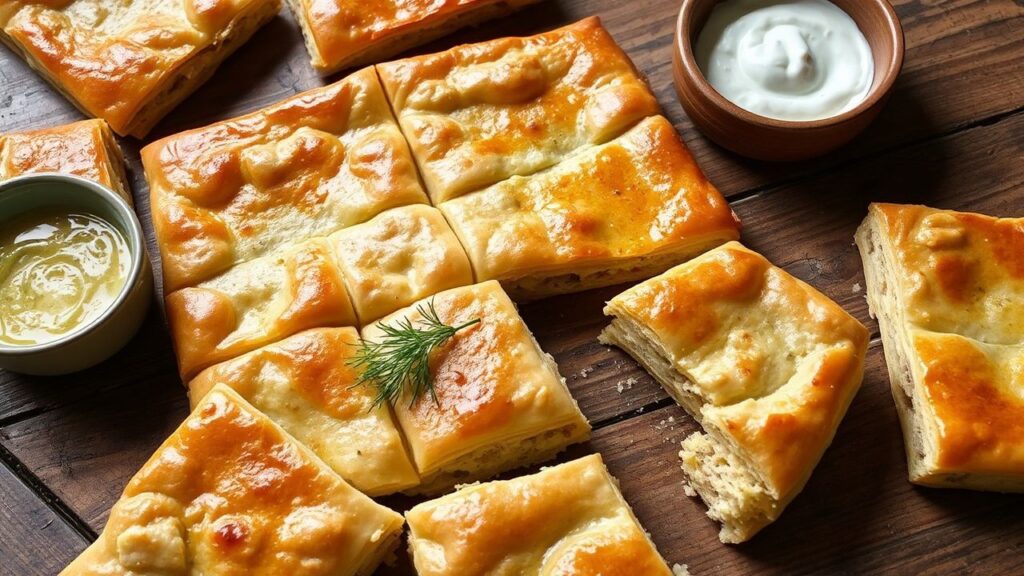
The pie’s enduring popularity stems from its remarkable versatility. It functions equally well as a light lunch, a substantial appetizer, or a comforting main course. Its inherent portability makes it an ideal picnic or travel food, proof of its practical design. Furthermore, the interplay of textures – the shattering crispness of the phyllo against the tender, flavorful filling – creates a sensory experience that is both exciting and deeply comforting. This duality is a hallmark of many beloved Greek dishes, where simplicity belies complexity.
Deconstructing the Quintessential Spanakopita: Ingredients and Their Roles
Achieving an exceptional Spanakopita hinges on the quality and thoughtful combination of its core components. Each element matter significantly in the final symphony of flavors and textures.
The Verdant Heart: Spinach and its Companions
The star of the show, spinach, must be fresh and vibrant for optimal flavor. While frozen spinach can be a convenient substitute, it requires careful thawing and thorough squeezing to eliminate excess moisture, which can otherwise render the filling soggy. The volume of spinach used is substantial; it wilts down considerably during cooking. A typical recipe might call for 1 kilogram (about 2.2 pounds) of fresh spinach.
Beyond spinach, other aromatics and herbs are vital for building depth. Onions, finely chopped and sautéed until translucent, provide a sweet, foundational base. Scallions (spring onions), with their milder, fresher bite, add another layer of herbaceousness and a pleasing crunch. Fresh dill is almost indispensable, its distinctive anise-like aroma cutting through the richness of the cheese and spinach. Fresh parsley offers a brighter, greener note, and sometimes a hint of mint can be introduced for an unexpected, refreshing twist.
The Creamy Counterpoint: Feta and Other Dairy
Feta cheese is the undisputed king of the Spanakopita filling. Its salty, tangy profile is essential for balancing the earthy spinach. Opt for a good quality Greek feta, preferably from sheep’s milk or a sheep and goat milk blend, for the most authentic flavor and creamy texture. Crumbled, it should be incorporated generously.
While feta is primary, some cooks introduce a small amount of other dairy to enhance creaminess and bind the filling. A dollop of ricotta cheese or a spoonful of Greek yogurt can add a subtle richness without overwhelming the feta’s character. An egg or two often serves as the binder, helping to meld the ingredients into a cohesive mass that holds its shape during baking.
The Golden Wrapper: Phyllo Dough Mastery
The ethereal layers of phyllo dough are what give Spanakopita its signature crispness. Phyllo, meaning “leaf” in Greek, is a painstakingly thin unleavened dough, stretched to near transparency. Working with phyllo requires patience and a light touch. It dries out quickly, so it’s imperative to keep the unused sheets covered with a damp, clean kitchen towel.
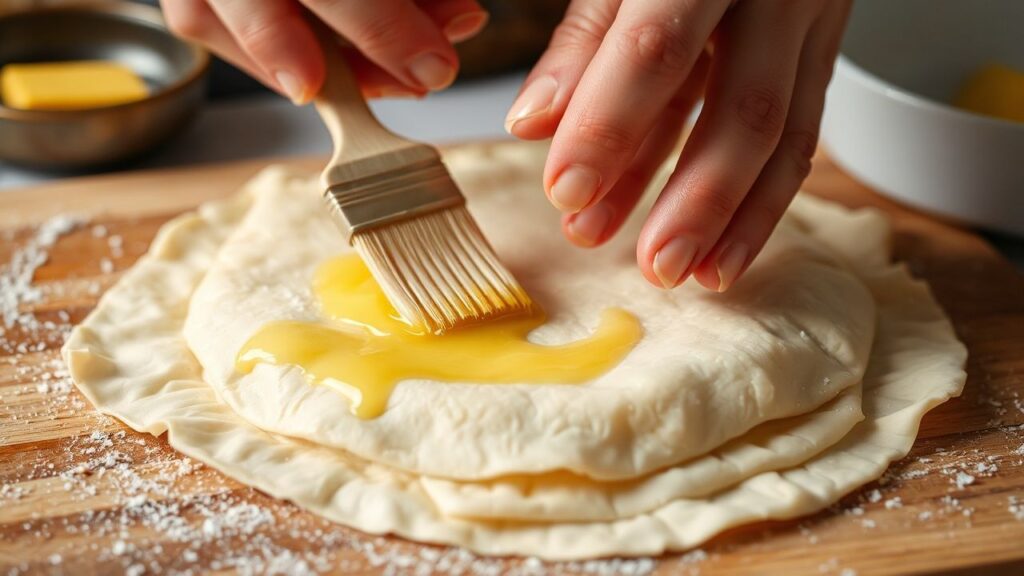
Each layer of phyllo is typically brushed with melted butter or a mixture of melted butter and olive oil. This fat is crucial for achieving the characteristic golden hue and shattering crispness. The number of phyllo layers varies; a common approach involves laying a substantial number of sheets (often 8-10) at the bottom of the pan, followed by the filling, and then another set of layers (another 8-10) on top. The bottom layers provide a sturdy base, while the top layers create the iconic flaky crust.
The Art of Preparation: Crafting Your Spanakopita
The process of making Spanakopita can be divided into three main stages: preparing the filling, assembling the pie, and baking it to perfection. Each step requires attention to detail for the best results.
Step 1: Preparing the Flavorful Filling
Begin by thoroughly washing and drying the fresh spinach. If using frozen, ensure it is completely thawed and squeezed dry to remove as much liquid as possible. Roughly chop the spinach.
In a large skillet, heat a generous amount of olive oil over medium heat. Add the finely chopped onions and sauté until softened and translucent, about 5-7 minutes. Add the chopped scallions and cook for another 2-3 minutes until slightly softened.
Introduce the chopped spinach to the skillet. Cook, stirring frequently, until the spinach has wilted down significantly and any excess moisture has evaporated. This step is crucial for preventing a watery filling. Stir in the chopped fresh dill and parsley (and mint, if using). Cook for an additional minute until fragrant. Remove the skillet from the heat and allow the spinach mixture to cool slightly.
Once cooled, transfer the spinach mixture to a large bowl. Add the crumbled feta cheese, ricotta cheese (if using), and eggs. Season with salt and freshly ground black pepper to taste. Remember that feta is salty, so season judiciously. Stir everything together until well combined.
Step 2: Assembling the Spanakopita
Preheat your oven to 190°C (375°F). Lightly grease a baking dish, typically a 9×13 inch (23×33 cm) rectangular pan or a large round pie dish, with melted butter or olive oil.
Unroll the phyllo dough. Keep the sheets covered with a damp towel at all times. Lay one sheet of phyllo into the prepared baking dish, allowing the excess to overhang the sides. Brush it generously with melted butter. Repeat this process with about 8-10 sheets, brushing each layer with butter and allowing the overhang to build up around the edges. This forms the base of your Spanakopita.
Pour the prepared spinach and feta filling evenly over the layered phyllo dough. Spread it out to create a smooth, even surface.
Now, begin layering the phyllo for the top crust. Take one sheet of phyllo, brush it with melted butter, and place it over the filling. Trim any excess that extends too far beyond the dish. Repeat with another 8-10 sheets, brushing each with butter. Once all the top layers are in place, tuck the overhanging phyllo from the bottom layers over the top layers, creating a neat, sealed edge. Brush the very top layer generously with melted butter.
To ensure even cooking and a beautiful presentation, score the top layers of phyllo lightly with a sharp knife, making sure not to cut all the way through to the filling. This will guide your cuts after baking and help steam escape.
Step 3: Baking to Golden Perfection
Place the assembled Spanakopita in the preheated oven. Bake for approximately 40-50 minutes, or until the top is a deep golden brown and the phyllo is crisp and appears puffed. The exact baking time will depend on your oven and the depth of your baking dish.
Once baked, remove the Spanakopita from the oven and let it rest for at least 10-15 minutes before cutting. This resting period is crucial, allowing the filling to set and preventing the pie from falling apart when sliced. Cut along the scored lines to serve.
Nutritional Insights: A Wholesome Indulgence
Spanakopita, while undeniably delicious, also offers a surprisingly robust nutritional profile, particularly when prepared with quality ingredients. A typical serving (assuming 12 servings from a 9×13 inch pie) provides:
- Calories: Approximately 350-450 kcal
- Protein: 15-20g (primarily from feta cheese and eggs)
- Fat: 20-30g (depending on the amount of butter/oil used)
- Carbohydrates: 20-25g (from phyllo dough and vegetables)
- Fiber: 4-6g (from spinach and other vegetables)
- Vitamins & Minerals: Rich in Vitamin A, Vitamin C, Vitamin K, folate, iron, calcium, and magnesium, largely due to the high spinach content.
The abundance of spinach contributes significant amounts of vitamins and minerals, making Spanakopita a vehicle for essential nutrients. The feta cheese provides protein and calcium, while the eggs add further protein and healthy fats. The phyllo dough, while primarily carbohydrates, is used in thin layers, contributing to the overall balance. It’s proof of the Mediterranean diet’s ability to marry flavor and nutrition without compromise.
Elevating Your Spanakopita: Pro-Tips for Restaurant-Quality Results
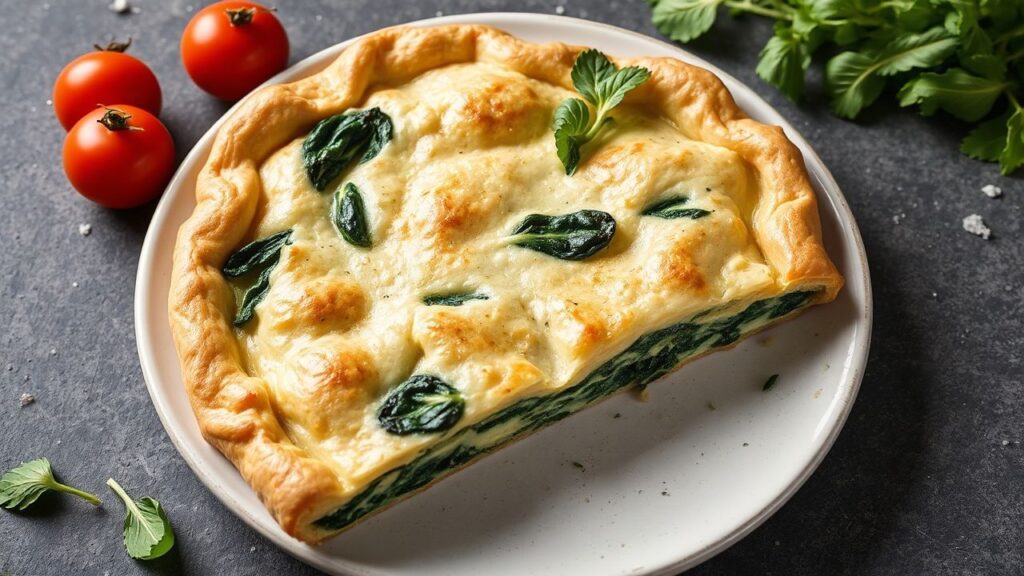
To truly capture the essence of a Greek taverna’s Spanakopita, a few expert techniques can make all the difference. These are the subtle refinements that transform a homemade pie into a culinary masterpiece.
- The Power of Fresh Herbs: Don’t be shy with the fresh dill and parsley. Their vibrant, green flavor is a cornerstone of authentic Spanakopita. Consider adding a small amount of fresh mint for an unexpected lift.
- Moisture Management is Key: This cannot be stressed enough. Squeeze every last drop of moisture from your spinach, whether fresh or frozen. A damp filling is the enemy of crisp phyllo.
- Quality Feta Matters: Invest in a good quality Greek feta. The flavor difference is palpable. Avoid pre-crumbled feta, which can be dry and less flavorful.
- Butter, Butter, Butter (and Olive Oil): While tempting to reduce, the butter is what creates the shatteringly crisp, golden layers. A blend of butter and good quality olive oil can offer a richer flavor and slightly higher smoke point.
- Resting is Not Optional: Allow the Spanakopita to rest after baking. This allows the internal structure to set, making it easier to slice cleanly and preventing a messy presentation.
- The Art of the Phyllo Brush: Use a good quality pastry brush to apply butter evenly. Avoid overloading any single layer, which can lead to greasiness. The goal is a thin, consistent coating that encourages crisping.
- Consider a “Spanakopita Triangle” Variation: For appetizer portions or a more visually striking presentation, you can make individual Spanakopita triangles. This involves cutting the phyllo sheets into smaller rectangles, filling them, and folding them into triangles, similar to a savory pastry.
Regional Variations: A Taste of Greece’s Diverse Palates
While the classic Spanakopita remains a beloved standard, Greece’s rich culinary landscape offers fascinating regional variations. These adaptations reflect local produce, traditions, and preferences, showcasing the adaptability of this iconic dish.
On the islands, particularly in Crete, you might encounter Kalogeropies (monk’s pies), which often incorporate wild greens and herbs unique to the island’s terrain. These can sometimes include ingredients like *stamnagathi* (a type of wild chicory) or *marathos* (wild fennel), lending a more complex, slightly bitter or anise-like flavor profile. The pastry might also be thicker or made with a different flour blend depending on local availability.
In other regions, bakers might experiment with adding a touch of nutmeg to the filling, a subtle warmth that complements the spinach and feta beautifully. Some versions might incorporate leeks alongside or instead of onions, offering a milder, sweeter onion flavor. The ratio of feta to other cheeses can also vary, with some preferring a more pronounced feta tang, while others opt for a creamier, milder blend. The inclusion of pine nuts or sesame seeds in the filling or sprinkled on top can also add textural interest and a nutty depth. These variations underscore the fact that Spanakopita is not a static recipe but a living tradition, constantly being reinterpreted.
Conclusion: The Enduring Legacy of Spanakopita
Spanakopita is more than just a recipe; it’s an edible narrative of Greek culture, proof of the beauty of simple ingredients skillfully prepared. From its humble agrarian roots to its status as a global culinary ambassador, this savory spinach pie continues to captivate palates worldwide. Mastering its creation is a rewarding journey, unlocking layers of flavor and texture that speak of tradition, warmth, and the enduring generosity of Hellenic cuisine. Whether enjoyed as a casual bite or the centerpiece of a grander meal, Spanakopita remains an undisputed champion of the savory pie world, a dish that truly nourishes the soul.
Frequently Asked Questions About Spanakopita
Can I make Spanakopita ahead of time?
Yes, Spanakopita can be prepared ahead of time, but with careful consideration for texture. You can assemble the entire pie and refrigerate it for up to 24 hours before baking. However, it’s crucial to bring it to room temperature for about 30-60 minutes before baking to ensure even cooking. Alternatively, you can bake the Spanakopita and then reheat it. Reheating is best done in a moderate oven (around 160°C/325°F) for 15-20 minutes to restore crispness. Avoid microwaving, as it will make the phyllo soggy.
What can I serve with Spanakopita?
Spanakopita is wonderfully versatile and pairs well with a variety of accompaniments. A simple Greek salad with tomatoes, cucumbers, olives, and a light vinaigrette offers a refreshing contrast. Tzatziki, the classic yogurt-cucumber dip, is another excellent pairing, providing a cool, creamy counterpoint to the warm, savory pie. For a more substantial meal, it can be served alongside grilled meats or fish, or as part of a larger meze platter with other Greek appetizers like dolmades, olives, and dips.
Is Spanakopita suitable for vegetarians?
Yes, traditional Spanakopita is inherently vegetarian, as its core ingredients are spinach, feta cheese, onions, herbs, eggs, and phyllo dough. The key is to ensure that the phyllo dough itself does not contain any animal fats (like lard), which is typically the case for commercial phyllo. Always check the ingredient list of your phyllo dough to be certain. For individuals following a vegan diet, a vegan version can be made by substituting the feta with a firm, crumbled tofu or a vegan feta alternative, and using olive oil or vegan butter for brushing the phyllo layers, and omitting the eggs or using a vegan binder.
See also: Spanakopita