
The Allure of Salt and Pepper Shrimp: A Culinary Enigma
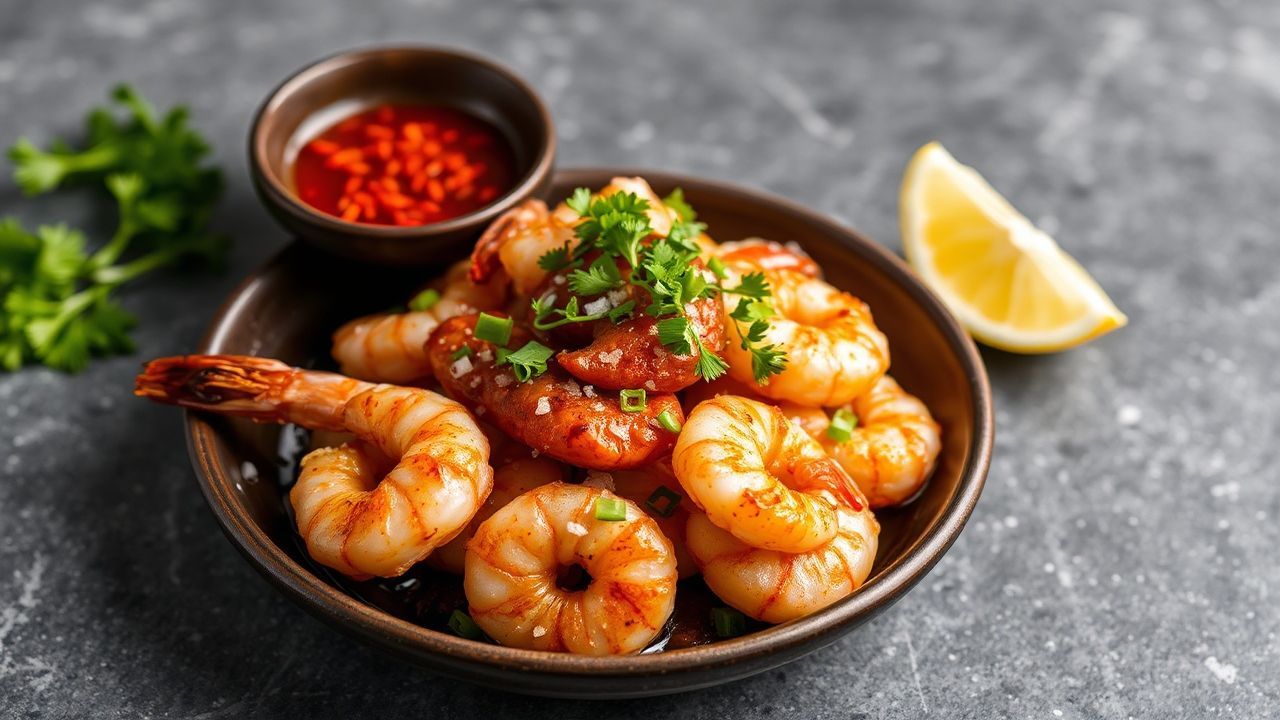
Have you ever encountered a dish that, in its apparent simplicity, possesses an almost alchemical power to captivate the palate? Salt and Pepper Shrimp, a beloved staple across Chinese culinary traditions, presents precisely such a paradox. It’s a dish that, on the surface, seems merely to be shrimp tossed with salt and pepper. Yet, the true magic lies not in the austerity of its name, but in the nuanced execution, the precise layering of textures, and the subtle interplay of aromatics that transform humble ingredients into an unforgettable experience. This is not just a recipe; it’s an exploration into the very soul of Cantonese-inspired stir-frying, a technique that has perfected the art of coaxing maximum flavor and inimitable texture from even the most common of proteins.
- The Allure of Salt and Pepper Shrimp: A Culinary Enigma
- The Anatomy of Perfection: Essential Ingredients
- The Art of the Fry: Mastering the Technique for Crispy Shrimp
- Nutritional Insights: A Savory Indulgence
- Elevating the Dish: Expert Tips for Restaurant-Quality Shrimp
- FAQs: Unraveling the Mysteries of Salt and Pepper Shrimp
- Frequently Asked Questions About Salt and Pepper Shrimp
At a Glance: Mastering Salt and Pepper Shrimp
- Texture is Paramount: The ideal Salt and Pepper Shrimp boasts a duality of crisp exterior and succulent, tender interior. Achieving this requires careful attention to the frying technique and the marinade.
- Aromatic Foundation: Beyond salt and pepper, a judicious blend of aromatics—garlic, ginger, chilies—is crucial for building depth and complexity.
- The Umami Boost: While not always explicitly listed, a whisper of soy sauce or fish sauce in the marinade can elevate the savory notes without overpowering the delicate shrimp flavor.
- Serving Suggestion: This dish is best enjoyed immediately, its crispness a fleeting, precious quality.
The genesis of Salt and Pepper Shrimp, like many iconic dishes, is somewhat nebulous, with roots firmly planted in the bustling kitchens of Cantonese restaurants. It’s proof of the ingenuity of chefs who, working with readily available ingredients, developed a method to elevate the everyday shrimp into something extraordinary. This dish embodies the principles of contrast and balance that are so fundamental to Chinese cooking: the crunch against the yielding flesh, the sharp spice against the inherent sweetness of the shrimp, and the savory depth against the bright, fresh notes of the aromatics. Its global appeal, from the streets of Hong Kong to the most discerning tables in New York, speaks volumes about its enduring culinary merit. Understanding its nuances is akin to deciphering a culinary cipher, unlocking a deeper appreciation for the craft.
The Anatomy of Perfection: Essential Ingredients
Crafting exceptional Salt and Pepper Shrimp hinges on the quality and preparation of its components. The shrimp themselves are the protagonists, and their selection is paramount. Opt for large or jumbo shrimp, preferably shell-on and deveined. The shells, when fried, contribute a delightful crispness and a subtle, briny essence that permeates the entire dish. If using pre-peeled and deveined shrimp, ensure they are of good quality and not overly processed. The marinade, deceptively simple, is where the foundational flavors are laid. A touch of Shaoxing wine (a Chinese cooking wine) or dry sherry is essential for tenderizing and imparting a subtle aroma, while a hint of cornstarch ensures a light, crisp coating when fried. The true stars of the “salt and pepper” moniker are, of course, sea salt and freshly ground white pepper, but their impact is magnified by a supporting cast of aromatics.
The supporting players in this culinary drama are just as critical. Finely minced garlic and ginger form the aromatic bedrock, their pungent notes awakening the senses. Fresh red chilies, sliced thinly, provide a welcome kick of heat, their vibrancy adding a visual as well as gustatory appeal. Some variations might include a whisper of Sichuan peppercorn, not for heat, but for its unique citrusy, numbing sensation, a hallmark of Sichuan cuisine that can add an unexpected layer of complexity. The final flourish often includes chopped scallions or chives for a burst of freshness and a garnish of toasted sesame seeds for a nutty aroma and a textural counterpoint. The interplay of these elements, carefully balanced, creates the signature flavor profile that defines this beloved dish.
Shrimp Selection and Preparation
- Shrimp: 1 pound (450g) large or jumbo shrimp, preferably shell-on and deveined. If using shell-off, leave the tail on for better handling and presentation.
- Marinade:
- 1 tablespoon Shaoxing wine (or dry sherry)
- 1 teaspoon light soy sauce
- 1 teaspoon cornstarch
- ½ teaspoon white pepper
Aromatic Ensemble
- Aromatics:
- 4-6 cloves garlic, minced
- 1-inch piece fresh ginger, minced
- 1-2 fresh red chilies (e.g., bird’s eye or serrano), thinly sliced (seeds removed for less heat)
- 2 scallions, white and green parts separated, thinly sliced
- Optional: ½ teaspoon Sichuan peppercorns, toasted and ground (for a numbing sensation)
- For Frying:
- 2-3 cups neutral oil (e.g., vegetable, canola, peanut), for deep-frying
- ½ cup cornstarch or potato starch, for dusting
- Seasoning:
- 1 teaspoon sea salt
- ½ teaspoon freshly ground white pepper
- Optional: A pinch of sugar to balance the flavors
The Art of the Fry: Mastering the Technique for Crispy Shrimp
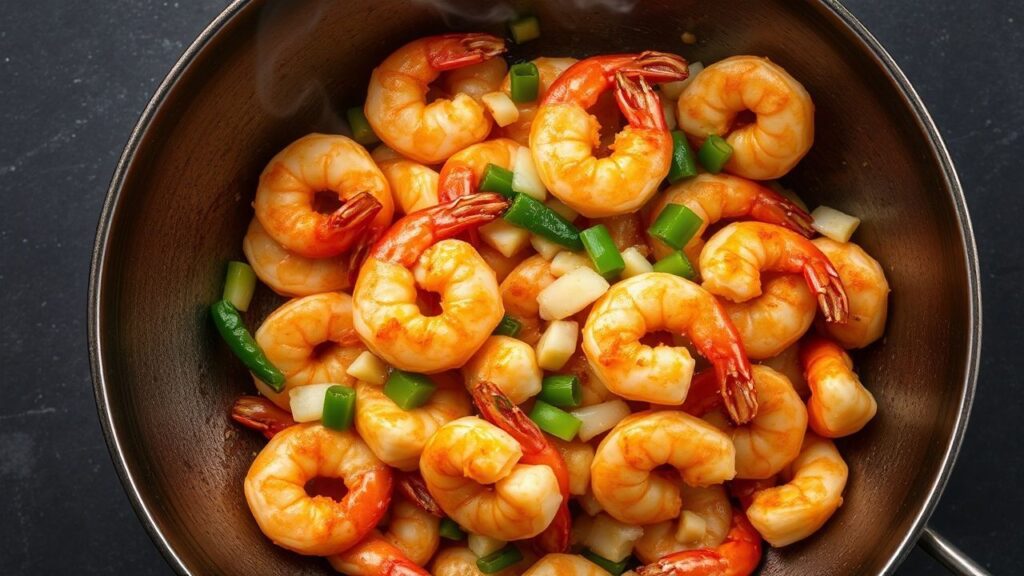
The transformative power of the wok, or indeed any suitable heavy-bottomed pan, is never more evident than in the preparation of Salt and Pepper Shrimp. The technique involves a two-stage frying process, crucial for achieving that coveted dual texture: a shatteringly crisp exterior and a perfectly cooked, tender interior. The shrimp are first lightly dusted with cornstarch, which creates a delicate, almost lacy coating when fried. This initial fry should be brief, just enough to set the coating and impart a pale golden hue. This step is not about cooking the shrimp through, but about creating a foundation for the final crispness.
The second frying stage is where the magic truly happens, and it’s here that precision is key. Once the aromatics have been stir-fried to release their fragrance, the partially fried shrimp are returned to the blazing hot wok, along with the salt, pepper, and any optional spices. The intense heat and rapid tossing ensure that the coating becomes gloriously crisp without overcooking the delicate shrimp. This rapid cooking method, a hallmark of Chinese stir-frying, requires constant motion and vigilance. The goal is to achieve a deep golden brown, not burnt, and a texture that crackles with every bite. This technique, when mastered, elevates the humble shrimp to a delicacy.
Step-by-Step Preparation Method
- Prepare the Shrimp: If using shell-on shrimp, ensure they are thoroughly rinsed and patted completely dry with paper towels. This is a critical step for achieving crispiness. In a medium bowl, combine the shrimp with Shaoxing wine, light soy sauce, cornstarch, and ½ teaspoon of white pepper. Toss gently to coat each shrimp evenly. Let marinate for at least 15 minutes at room temperature.
- Prepare the Aromatics: While the shrimp marinates, mince the garlic and ginger. Thinly slice the red chilies, removing seeds if you prefer less heat. Thinly slice the scallions, separating the white parts from the green. If using Sichuan peppercorns, toast them in a dry skillet over medium heat until fragrant, then grind them finely.
- First Fry: Heat the neutral oil in a wok or a large, heavy-bottomed skillet over medium-high heat to approximately 350°F (175°C). The oil should be hot enough that a drop of cornstarch sizzles immediately. Working in batches to avoid overcrowding the pan, dust the marinated shrimp lightly with cornstarch. Carefully add the shrimp to the hot oil, ensuring they don’t touch each other. Fry for 1-2 minutes, or until the coating is lightly golden and set. Do not overcook. Remove the shrimp with a slotted spoon and drain on paper towels. Discard most of the frying oil, leaving about 2 tablespoons in the wok.
- Stir-Fry Aromatics: Return the wok to medium-high heat. Add the minced garlic, ginger, and sliced red chilies. Stir-fry for about 30 seconds until fragrant, being careful not to burn the garlic. If using ground Sichuan peppercorns, add them now and stir briefly.
- Second Fry and Seasoning: Add the white parts of the scallions to the wok and stir-fry for another 15 seconds. Return the partially fried shrimp to the wok. Sprinkle with sea salt and the remaining ½ teaspoon of white pepper (and a pinch of sugar, if using). Toss everything vigorously for 1-2 minutes, ensuring the shrimp are evenly coated with the seasoning and become deeply golden and crisp.
- Finish and Serve: Stir in the green parts of the scallions. Taste and adjust seasoning if necessary. Serve immediately.
Nutritional Insights: A Savory Indulgence
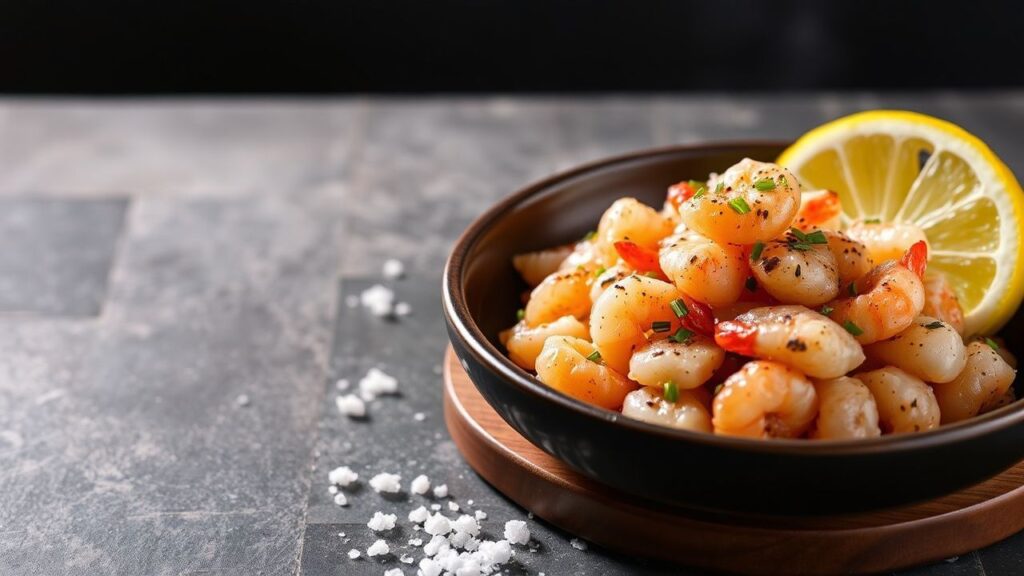
While Salt and Pepper Shrimp is undeniably a dish to be savored for its textural and flavor profiles, understanding its nutritional composition allows for informed enjoyment. The primary nutritional contribution comes from the shrimp itself, which is an excellent source of lean protein, selenium, and vitamin B12. Selenium is a potent antioxidant, vital for immune function, and vitamin B12 is crucial for nerve health and the formation of red blood cells. However, the frying process, especially when using a substantial amount of oil, does increase the fat and calorie content. The cornstarch coating also adds carbohydrates.
The accompanying aromatics, while used in smaller quantities, offer their own nutritional benefits. Garlic is renowned for its potential immune-boosting properties and its allicin content, while ginger is celebrated for its anti-inflammatory and digestive aid qualities. The chilies contribute capsaicin, which can boost metabolism and has pain-relieving effects. When prepared with mindful portion control and, ideally, using a moderate amount of oil, Salt and Pepper Shrimp can be a satisfying part of a balanced diet. A typical serving, assuming moderate oil usage and standard ingredient quantities, might look something like this:
| Nutrient | Amount |
|---|---|
| Calories | 350-450 kcal |
| Protein | 25-30g |
| Fat | 15-25g (depending on oil absorption) |
| Saturated Fat | 2-4g |
| Carbohydrates | 15-20g |
| Fiber | 1-2g |
| Sodium | 600-900mg (can vary significantly with added salt) |
It’s crucial to note that these are estimates. The exact nutritional values will depend heavily on the size of the shrimp, the amount of oil absorbed during frying, and the precise quantity of salt used. For a healthier rendition, one might consider air-frying or pan-frying with minimal oil, although this will alter the characteristic crispness.
Elevating the Dish: Expert Tips for Restaurant-Quality Shrimp
Achieving the elusive perfect crispness in Salt and Pepper Shrimp is not a matter of luck, but of understanding the fundamental principles of temperature control and moisture management. The initial drying of the shrimp is non-negotiable. Any residual moisture will steam the shrimp rather than fry it, leading to a flabby texture. Furthermore, ensuring the oil is at the correct temperature before introducing the shrimp is paramount. Too cool, and the shrimp will absorb excess oil and become greasy; too hot, and the coating will burn before the shrimp is cooked through. A thermometer is a valuable tool here, but experienced cooks can gauge it by dropping a small piece of cornstarch into the oil—it should sizzle vigorously.
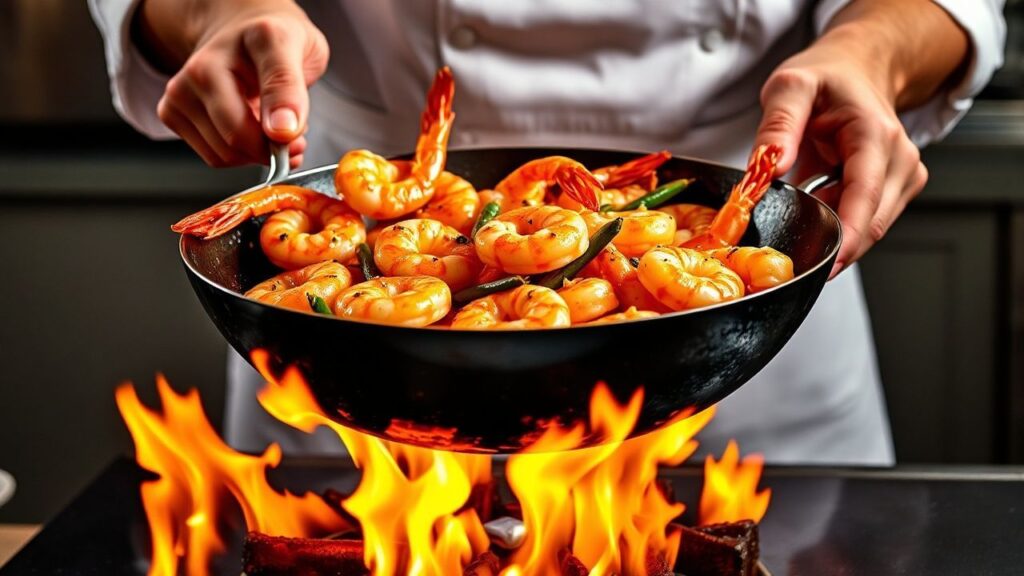
The seasoning itself is an art. While salt and white pepper are the cornerstones, the quality and freshness of your spices matter. Freshly ground white pepper offers a more pungent and nuanced flavor than pre-ground varieties. For those seeking an authentic Sichuanese nuance, the judicious use of toasted and ground Sichuan peppercorns can introduce a delightful tingling sensation that complements the other flavors. The key is to use them sparingly; their unique profile is potent and should be an accent, not a dominant force. The final toss in the wok should be swift and decisive, ensuring every piece of shrimp is coated in the fragrant, savory mixture.
Serving this dish immediately is not merely a suggestion, but a directive for the optimal experience. The crispness of the coating is ephemeral, a fleeting quality that diminishes rapidly as the shrimp sits. This dish is best enjoyed straight from the wok, perhaps with a side of steamed rice to absorb any residual fragrant oil. The vibrant interplay of textures and flavors is at its peak when hot and fresh, making it an ideal dish for communal dining where it can be shared and enjoyed as it’s made.
For those who find deep-frying daunting, alternative methods exist, though they may not replicate the exact texture. Air-frying at a high temperature can yield a reasonably crisp result, but the characteristic “wok hei” or breath of the wok, the smoky aroma imparted by high-heat stir-frying, will be absent. Pan-frying with minimal oil is another option, but requires careful attention to prevent sticking and ensure even browning.
FAQs: Unraveling the Mysteries of Salt and Pepper Shrimp
Frequently Asked Questions About Salt and Pepper Shrimp
H3: What is the best type of shrimp to use for Salt and Pepper Shrimp?
For the most authentic and texturally satisfying Salt and Pepper Shrimp, large or jumbo shrimp are ideal. The larger size provides a substantial bite and ensures they remain succulent even after frying. Opting for shrimp that are still in their shells is highly recommended. The shells, when fried, contribute a delightful crispness and a subtle, briny essence that infuses the dish. If you must use shell-off shrimp, ensure they are of high quality and leave the tail on for easier handling and presentation. The key is to select shrimp that are fresh and firm, indicating a good protein structure that will hold up well to the high-heat cooking process.
H3: How can I achieve a truly crispy coating on my Salt and Pepper Shrimp?
Achieving a truly crispy coating involves a combination of precise techniques. Firstly, thoroughly drying the shrimp is paramount. Any residual moisture will cause the shrimp to steam rather than fry, resulting in a soggy texture. Secondly, the two-stage frying method is crucial. The initial fry at a moderate temperature sets the coating, and the second, more intense fry at a higher temperature renders it perfectly crisp. Ensuring your frying oil is at the correct temperature (around 350-375°F or 175-190°C) is also vital; too cool and the shrimp will absorb excess oil, too hot and the coating will burn. Finally, avoid overcrowding the wok; frying in batches allows for even heat distribution and optimal crisping for each piece of shrimp.
H3: Can I make Salt and Pepper Shrimp without deep-frying?
While the signature crispness of Salt and Pepper Shrimp is best achieved through deep-frying, there are alternative methods that can yield a satisfying result, albeit with a slightly different texture. Air-frying is a popular option. Toss the marinated and lightly dusted shrimp with a tablespoon or two of oil and air fry at a high temperature (around 400°F or 200°C) for 6-10 minutes, flipping halfway through, until golden and crisp. Pan-frying with minimal oil is another possibility. Heat a tablespoon or two of oil in a wok or skillet over medium-high heat and cook the shrimp in batches, tossing frequently, until they are golden brown and cooked through. While these methods may not replicate the exact shatteringly crisp exterior of deep-fried shrimp, they can still produce a delicious and flavorful dish. For instance, a study published in the Journal of Food Science highlighted how varying cooking methods significantly impact the texture and moisture content of seafood, underscoring the textural differences one might expect.
See also: Shrimp