
The Art of the Quick Chicken Stir Fry: Elevating the Everyday
In the relentless rhythm of modern life, few dishes embody the spirit of efficiency and vibrant flavor quite like the chicken stir fry with vegetables. It’s a dish that promises speed, health, and a kaleidoscope of textures and tastes, often conjuring images of busy kitchens and hurried meals. Yet, beneath this veneer of simplicity lies a profound culinary technique, one that, when mastered, transforms humble ingredients into a symphony of gastronomic delight. The wok, that iconic curved pan, is not merely a vessel; it’s an instrument, and the rapid, high-heat cooking it facilitates is a dance of precision and intuition. This article will delve beyond the basic recipe, exploring the nuanced techniques, ingredient alchemy, and fundamental principles that elevate a quick chicken stir fry from mere sustenance to a truly memorable culinary experience.
- The Art of the Quick Chicken Stir Fry: Elevating the Everyday
- The Foundation: Selecting and Preparing Your Ingredients
- The Alchemy of Flavor: Crafting the Perfect Stir Fry Sauce
- The Dance of the Wok: Mastering the Technique
- The Visual and Nutritional Payoff
- Elevating Your Stir Fry to Restaurant Quality
- The Importance of ‘Wok Hei’
- Ingredient Quality Matters
- The Power of a Finishing Touch
- Sauce Customization: Beyond the Basics
- Conclusion: The Enduring Appeal of the Stir Fry
- Frequently Asked Questions
At a Glance: Mastering the Stir Fry
- Precision in Prep: Uniformity in ingredient size is paramount for even cooking.
- Heat is King: A fiercely hot wok is non-negotiable for achieving the coveted ‘wok hei’.
- Layered Flavor: Building the sauce and adding ingredients in stages is crucial for depth.
- Don’t Overcrowd: Cook in batches to maintain optimal temperature and crispness.
The Genesis of the Stir Fry: A Culinary Evolution
While often perceived as quintessentially Chinese, the stir fry method has roots that stretch back through centuries of Asian culinary history, evolving across various cultures and regions. Its development is intrinsically linked to the availability of fuel and cooking implements. In ancient China, where fuel was scarce, cooks developed techniques to cook food quickly over high heat. The use of a wok, with its curved bottom, allowed for efficient heat distribution and minimal oil usage. This method not only conserved fuel but also preserved the nutrients and vibrant colors of vegetables, making it an inherently healthy cooking style. Over time, as culinary traditions traversed borders, the stir fry adapted, incorporating local ingredients and flavor profiles, yet retaining its core principle: rapid cooking over intense heat. Today, the chicken stir fry with vegetables is a global phenomenon, proof of its adaptability and enduring appeal, embraced by home cooks and professional chefs alike for its speed and versatility. For a deeper understanding of its origins, one can explore the rich history of stir-fry cooking.
The Foundation: Selecting and Preparing Your Ingredients
The success of any stir fry hinges on meticulous preparation. Unlike slow-cooked dishes, where ingredients have ample time to meld and tenderize, stir-frying demands that each component be ready to cook at a moment’s notice. This means not only having everything chopped and measured *before* you even think about turning on the heat, but also understanding how different ingredients react to high temperatures.
Chicken: The Protein Pivot
For a quick chicken stir fry, lean cuts are your best friend. Boneless, skinless chicken breasts or thighs are ideal. Thighs offer a more forgiving texture and richer flavor, while breasts cook even faster but can become dry if overcooked. The key to tender, succulent chicken lies in uniform slicing. Aim for pieces about ¼-inch thick and 1-2 inches long, cut against the grain. This ensures the chicken cooks through quickly and evenly, without developing toughness.
The Vegetable Ensemble: A Symphony of Textures and Colors
The beauty of a chicken stir fry lies in its adaptability to seasonal produce. Aim for a balance of colors and textures for visual appeal and a complex palate.
- Crunchy Elements: Broccoli florets, snap peas, bell peppers (various colors), carrots (thinly sliced or julienned), water chestnuts, bamboo shoots.
- Softer Textures: Mushrooms (shiitake, cremini), bok choy (stems and leaves separated), zucchini, snow peas.
- Aromatics: Garlic (minced), ginger (minced or grated), scallions (white parts for cooking, green parts for garnish).
Crucial Preparation Tip: Ensure all vegetables are cut into bite-sized, uniform pieces. This is non-negotiable for an even cook. For instance, cut broccoli florets to a similar size as your chicken pieces. Carrots and bell peppers should be julienned or sliced thinly so they cook in roughly the same time as other vegetables. This foresight prevents some ingredients from becoming mushy while others remain stubbornly raw.
The Alchemy of Flavor: Crafting the Perfect Stir Fry Sauce
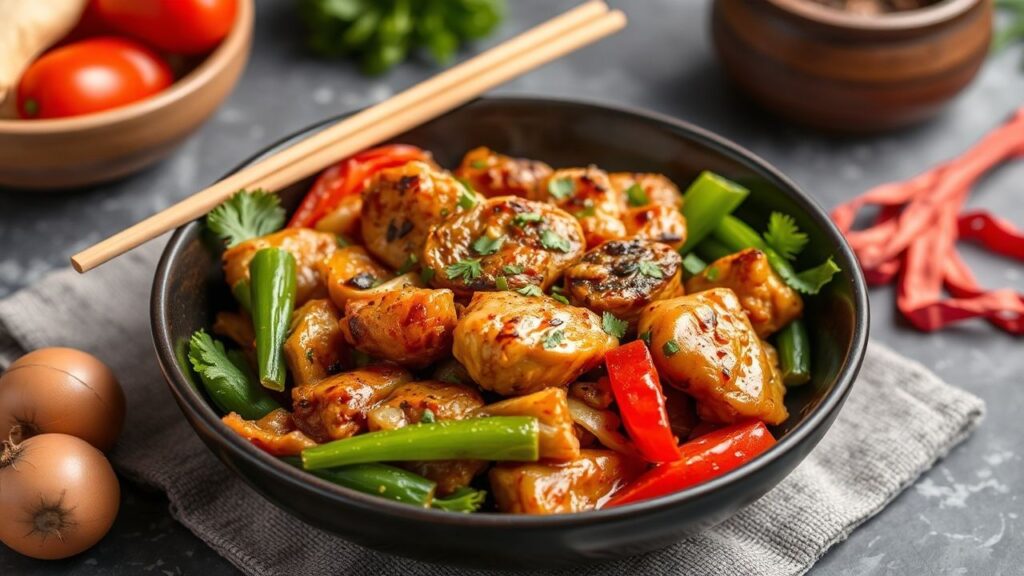
The sauce is the soul of the stir fry, binding all the elements together. A well-balanced sauce should offer a harmonious interplay of salty, sweet, sour, and umami. Avoid the temptation to simply dump a pre-made sauce; crafting your own allows for unparalleled control and depth.
The Essential Components
A classic stir fry sauce typically includes:
- Soy Sauce (or Tamari for gluten-free): The salty, umami backbone.
- Oyster Sauce: Adds richness, sweetness, and a complex umami depth. If unavailable or for a vegetarian option, hoisin sauce or a mushroom-based sauce can be substituted.
- Rice Vinegar: Provides a bright, tangy counterpoint to the savory elements.
- Sesame Oil: Adds a nutty aroma and flavor, best added towards the end of cooking or as a finishing drizzle.
- Sugar (or Honey/Maple Syrup): Balances the saltiness and acidity.
- Cornstarch (or Arrowroot Powder): Acts as a thickener, creating a glossy sauce that clings to the ingredients.
The Proportional Blueprint
A good starting ratio for a basic sauce, which can then be customized, is:
- 3 tablespoons soy sauce
- 2 tablespoons oyster sauce
- 1 tablespoon rice vinegar
- 1 teaspoon sugar
- 1 teaspoon sesame oil
- 1 tablespoon cornstarch mixed with 2 tablespoons water (this slurry will thicken the sauce)
Chef’s Note: Whisk all sauce ingredients together in a bowl *before* you begin cooking. This ensures everything is incorporated and ready to be added at the precise moment. For an extra layer of complexity, consider adding a dash of fish sauce for more umami, a pinch of red pepper flakes for heat, or a tablespoon of hoisin sauce for sweetness and depth.
The Dance of the Wok: Mastering the Technique
This is where the magic truly happens. The stir fry is a dynamic process, demanding constant motion and attention. The high heat of the wok is crucial for achieving the characteristic ‘wok hei’ – a smoky, slightly charred flavor that is the hallmark of expertly stir-fried food.
Heat Management is Paramount
1. Preheat the Wok: Place your wok over the highest heat your stove can provide. Let it heat up until it just begins to smoke. This is the critical first step. A cold wok will steam your ingredients rather than sear them, leading to a soggy, unappealing result.
2. Add Oil: Add a high smoke point oil, such as peanut oil, canola oil, or grapeseed oil. Swirl it around the wok to coat the surface. The oil should shimmer, but not smoke excessively.
3. Sear the Aromatics: Add your minced garlic, ginger, and the white parts of your scallions. Stir-fry rapidly for about 15-30 seconds until fragrant. Be careful not to burn them, as this will impart a bitter taste.
4. Cook the Chicken: Add the sliced chicken in a single layer if possible. Let it sear undisturbed for about 30-60 seconds to develop a golden crust, then stir-fry until it is mostly cooked through, about 80-90%. Remove the chicken from the wok and set aside. This prevents overcooking.
5. Stir-Fry the Vegetables: Add a little more oil if needed. Add the harder vegetables first (e.g., broccoli, carrots, bell peppers). Stir-fry for 2-3 minutes until they begin to soften but still retain a slight crunch. Then, add the softer vegetables (e.g., mushrooms, bok choy stems). Continue to stir-fry for another 1-2 minutes.
6. Reintroduce Chicken and Add Sauce: Return the cooked chicken to the wok. Pour in your pre-mixed sauce. Stir continuously as the sauce heats and thickens, coating all the ingredients. The cornstarch slurry will create a glossy, emulsified sauce that clings beautifully. Cook for another 1-2 minutes until the chicken is fully cooked and the sauce has reached your desired consistency.
7. Finish with Greens and Sesame Oil: If using leafy greens like bok choy leaves, add them in the last 30 seconds of cooking. Stir in the green parts of the scallions and a drizzle of toasted sesame oil just before serving for maximum aroma.
The Visual and Nutritional Payoff
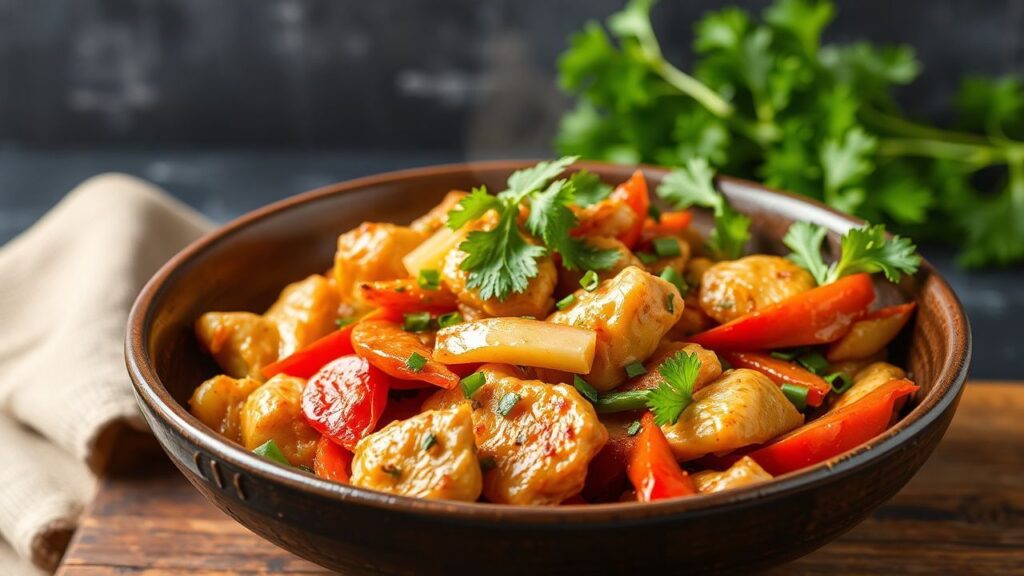
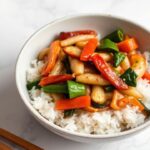
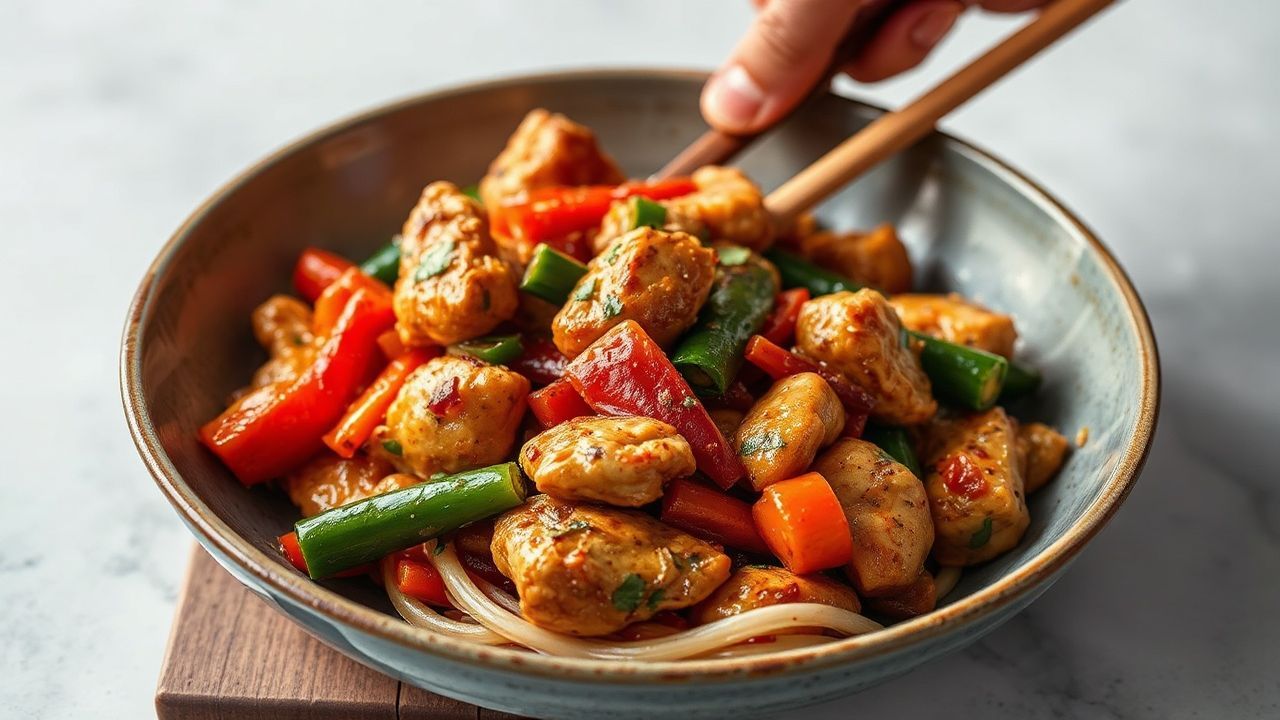
A well-executed quick chicken stir fry is a feast for the eyes, a vibrant mosaic of colors. The tender-crisp vegetables, glistening with a perfectly thickened sauce, alongside succulent pieces of chicken, create an appealing presentation that belies its rapid preparation.
Nutritional Snapshot (Approximate per serving, based on a recipe for 4 servings)
- Calories: 350-450 kcal (depending on oil and sauce sweetness)
- Protein: 30-40g
- Fat: 10-15g (primarily from healthy oils)
- Carbohydrates: 15-25g (from vegetables and a small amount from sauce)
- Fiber: 3-5g
- Vitamins and Minerals: Rich in Vitamin C, Vitamin A, potassium, and various B vitamins, depending on the vegetable selection.
This dish is an excellent example of a balanced meal, offering lean protein, complex carbohydrates from vegetables, and healthy fats. It’s a far cry from many processed convenience meals, providing essential nutrients without excessive sodium or saturated fat, especially when homemade. For those seeking to control sodium intake, using low-sodium soy sauce is a straightforward adjustment.
Elevating Your Stir Fry to Restaurant Quality
While the basic technique is straightforward, a few expert touches can transform your home-cooked stir fry into something truly exceptional, rivaling that of your favorite Asian restaurant.
The Importance of ‘Wok Hei’
Achieving true ‘wok hei’ is challenging without a professional-grade, high-BTU burner, but you can emulate its essence. This involves high heat, quick cooking, and allowing ingredients to char slightly. Don’t be afraid of a little bit of browning on your chicken and vegetables. This charring is where the smoky depth comes from.
Ingredient Quality Matters
Using fresh, high-quality ingredients makes a noticeable difference. Opt for vibrant, firm vegetables. For the chicken, trimming any excess fat from thighs or ensuring breasts are free of any sinew will contribute to a cleaner, more enjoyable texture.
The Power of a Finishing Touch
A drizzle of toasted sesame oil right at the end, rather than cooked into the sauce, preserves its delicate, nutty aroma. Garnish with fresh cilantro, sliced chilies, or toasted sesame seeds for an added layer of flavor and visual appeal. Consider serving with perfectly cooked jasmine rice or brown rice for a complete meal. For inspiration on side dishes that complement a stir fry beautifully, explore resources like dinnercook.com.
Sauce Customization: Beyond the Basics
Experimentation is key. For a spicier kick, incorporate chili garlic sauce or Sriracha. For a sweeter, more complex flavor, a touch of hoisin or even a spoonful of peanut butter can be revolutionary. Think about regional variations: a Thai-inspired stir fry might incorporate fish sauce, lime juice, and Thai chilies, while a Korean twist could involve gochujang. The versatility of the stir fry is its greatest strength, allowing it to adapt to almost any flavor profile. If you’re looking for more adventurous flavor combinations, whimrecipes.com offers a wealth of creative ideas.
Conclusion: The Enduring Appeal of the Stir Fry
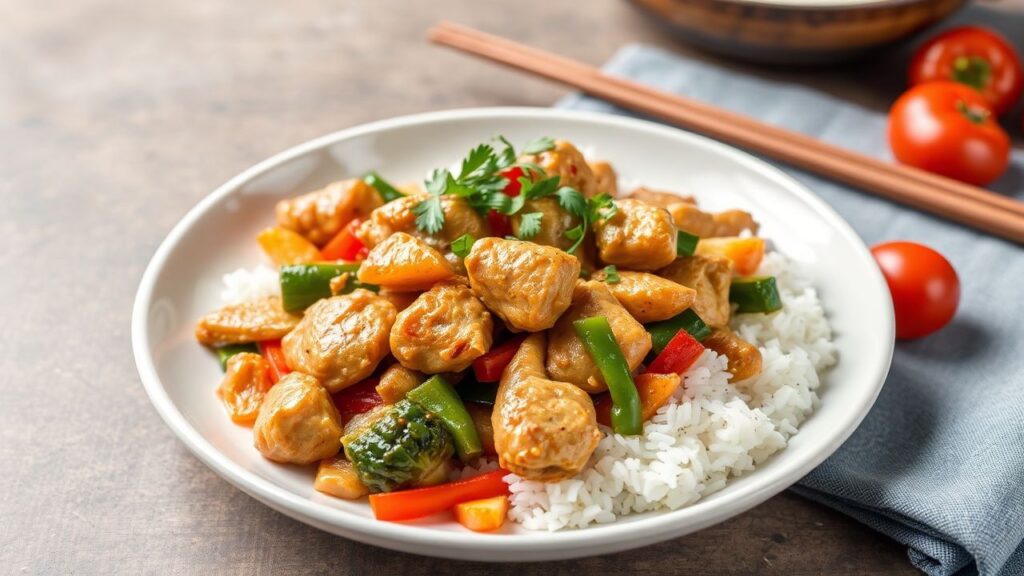
The quick chicken stir fry with vegetables is more than just a recipe; it’s a culinary philosophy. It champions efficiency, celebrates fresh ingredients, and rewards precise technique with vibrant flavors and satisfying textures. By understanding the fundamentals of ingredient preparation, heat management, and sauce construction, any home cook can elevate this seemingly simple dish to an art form. It’s proof of how a few core principles, applied with care and attention, can unlock extraordinary results, proving that even the quickest meals can be the most profoundly delicious. Whether you’re a seasoned chef or a novice in the kitchen, the stir fry offers an accessible yet deeply rewarding culinary journey. For those seeking to refine their skills further, resources like recipesfoodie.com provide a wealth of knowledge and inspiration.
Frequently Asked Questions
What kind of vegetables are best for a quick chicken stir fry?
The best vegetables for a quick chicken stir fry are those that cook relatively fast and maintain a pleasant crisp-tender texture. Excellent choices include broccoli, snap peas, snow peas, bell peppers (any color), carrots (thinly sliced or julienned), mushrooms (shiitake, cremini), zucchini, and bok choy. It’s crucial that all vegetables are cut into uniform, bite-sized pieces to ensure they cook evenly. Avoid very dense vegetables like large chunks of potato or sweet potato, as they will require longer cooking times than the chicken and other vegetables, leading to an unbalanced dish.
How can I prevent my chicken from becoming tough or dry in a stir fry?
Tough, dry chicken is a common issue, but easily preventable with a few key techniques. Firstly, slice your chicken thinly and against the grain. This breaks down the muscle fibers, making it more tender. Secondly, marinating the chicken, even for just 15-20 minutes, can make a significant difference. A marinade containing soy sauce, cornstarch, and a touch of acid (like rice vinegar or Shaoxing wine) helps to tenderize and retain moisture. Thirdly, and perhaps most importantly, do not overcook the chicken. Stir-fry it until it’s about 80-90% cooked, then remove it from the wok. Add it back in towards the end of the cooking process when you add the sauce, allowing it to finish cooking through without becoming tough.
What is ‘wok hei’ and how can I achieve it at home?
‘Wok hei’ (鑊氣) is a Chinese culinary term that translates literally to “breath of the wok.” It refers to the unique smoky, slightly charred aroma and flavor imparted to food cooked in a wok over very high heat. Achieving true ‘wok hei’ is challenging in a typical home kitchen because most domestic stovetops cannot reach the intense temperatures of professional restaurant burners. However, you can emulate its essence by:
- Maximizing your stove’s heat: Use the highest heat setting available.
- Preheating the wok thoroughly: Ensure the wok is smoking hot before adding oil.
- Using high smoke point oils: Peanut, canola, or grapeseed oil are good choices.
- Not overcrowding the wok: Cook in small batches to maintain high heat.
- Allowing ingredients to char slightly: Don’t be afraid of a bit of browning on the edges of your chicken and vegetables.
While you may not achieve the full depth of flavor found in restaurant stir-fries, these steps will bring you significantly closer to that authentic, smoky essence. For further exploration of wok cooking techniques, spaceofcooking.com offers valuable insights.
See also: Stir fry