
“Adobo is not just a dish; it is a culinary philosophy, proof of resourcefulness and the inherent deliciousness of simple, well-balanced ingredients.” – Felice Sta. Maria, Philippine Culinary Historian
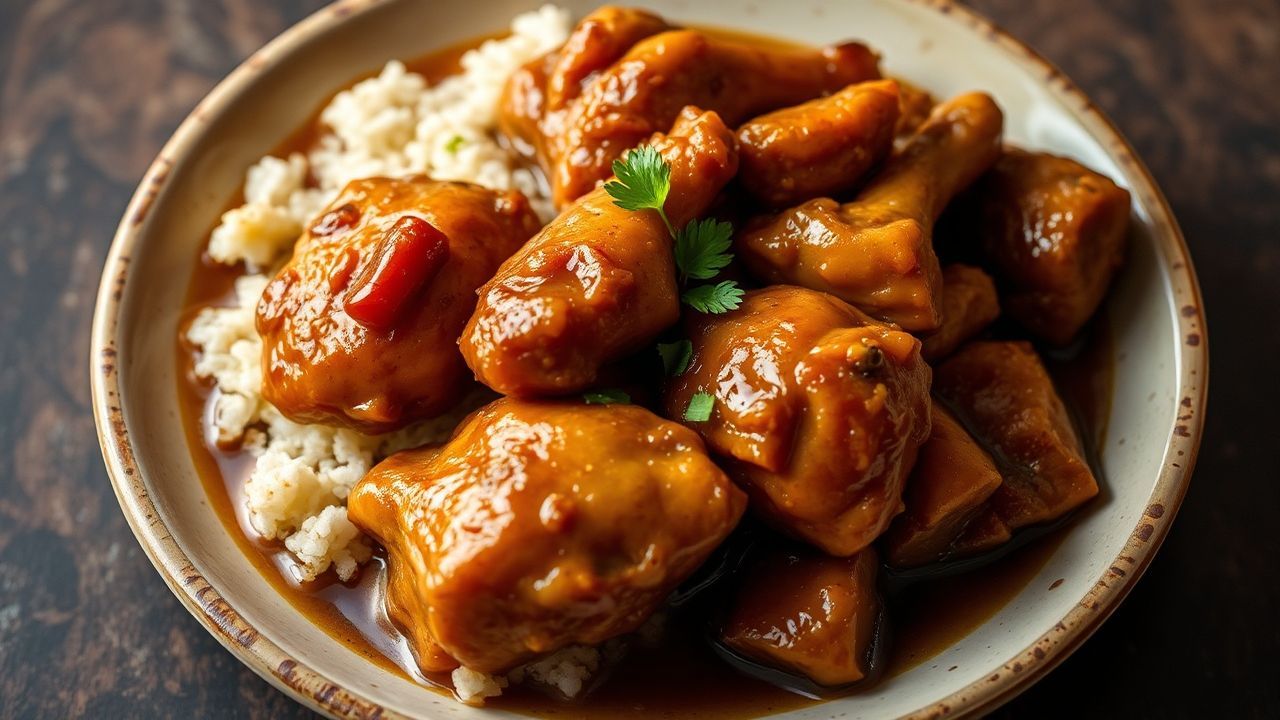
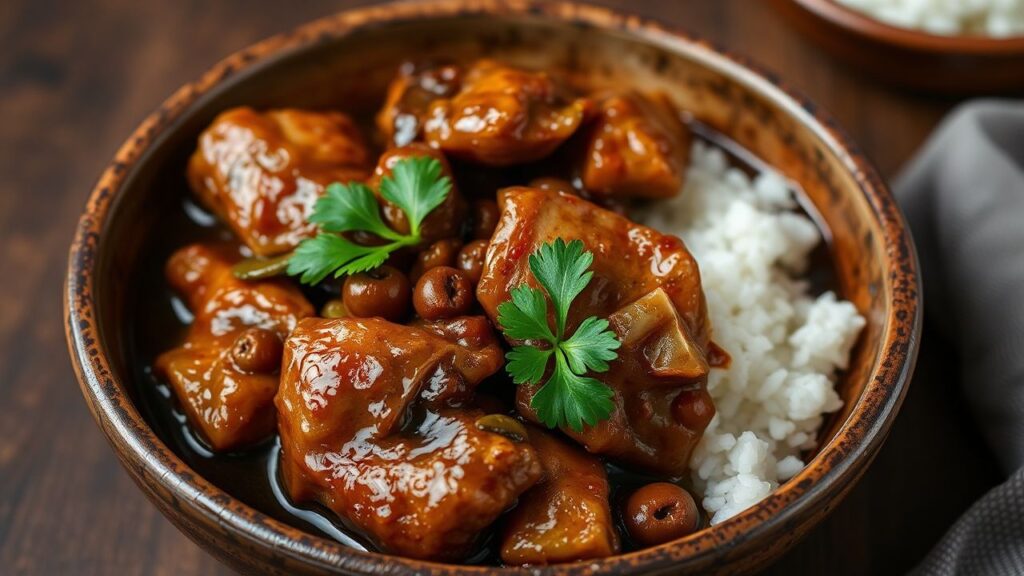
The aroma of simmering vinegar, soy sauce, garlic, and peppercorns is more than just a scent; it’s a portal to the heart of Filipino cuisine. Filipino chicken adobo, a dish so ubiquitous it’s often considered the unofficial national dish, is proof of the archipelago’s rich history and ingenious culinary practices. Its genesis lies not in a single, codified recipe, but in a fundamental cooking technique: *adobar*, a Spanish term meaning “to marinate.” However, the Filipino interpretation predates Spanish colonization, evolving from indigenous methods of preserving meat in vinegar and salt. The introduction of soy sauce by Chinese traders, and later, the adaptation of sugar and other aromatics, cemented adobo’s iconic status. This dish whispers stories of trade routes, cultural exchange, and the enduring power of a perfectly balanced savory, sour, and slightly sweet profile. It transcends socioeconomic boundaries, found on humble home tables and in celebrated restaurant menus alike, each iteration a unique reflection of its maker.
At a Glance: Key Insights into Filipino Chicken Adobo
- The Foundation: Adobo’s core lies in its braising liquid – a harmonious blend of soy sauce, vinegar, garlic, and black peppercorns, creating its signature tangy and savory depth.
- Versatility as a Virtue: While chicken is classic, pork, seafood, and even vegetables can be transformed by the adobo marinade, showcasing its adaptability.
- Regional Nuances: Variations abound, from the addition of coconut milk for richness in some regions to a drier, more caramelized finish in others, demonstrating adobo’s dynamic nature.
- A Labor of Love: True adobo develops its profound flavor through patient simmering, allowing the ingredients to meld and the proteins to tenderize beautifully.
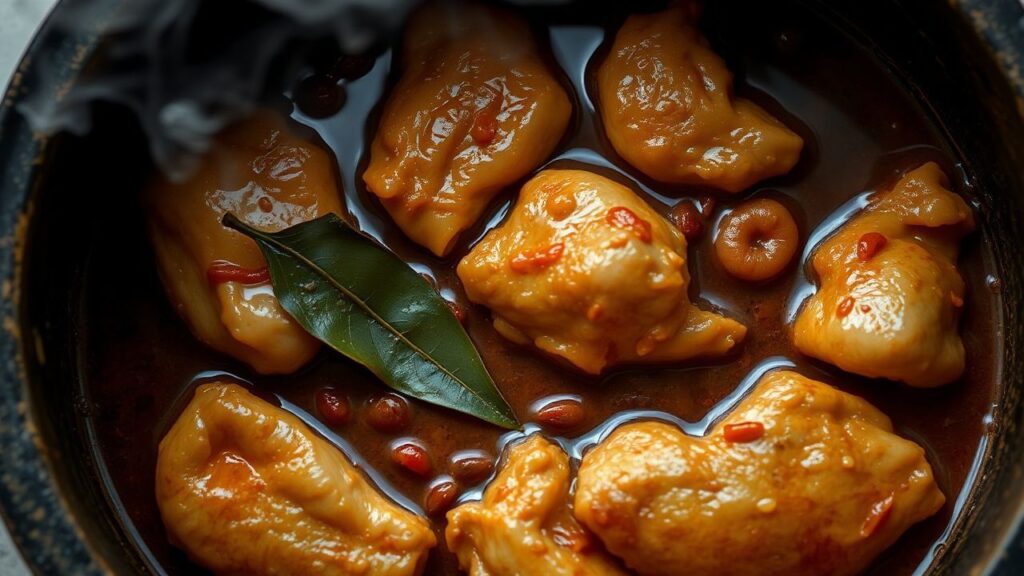
Understanding Filipino chicken adobo requires delving beyond a mere ingredient list. It’s about appreciating the interplay of fundamental elements. The primary flavor drivers – vinegar and soy sauce – create a complex umami and acidic foundation. The vinegar, typically cane or white vinegar, cuts through richness and provides the signature tang, while the soy sauce contributes saltiness and a deep, savory backbone. Garlic, in copious amounts, is non-negotiable, its pungent aroma transforming into a sweet, mellow depth as it cooks. Black peppercorns, often whole, release their aromatic oils slowly, adding a gentle warmth rather than overt heat. Bay leaves, when used, impart a subtle herbal note that complements the other assertive flavors. The magic of adobo, however, lies in the *balance*. Too much vinegar can render the dish harsh; too little leaves it flat. Similarly, an imbalance of soy sauce can lead to an overly salty experience. Achieving this delicate equilibrium is the hallmark of a masterful adobo.
The very essence of adobo is its inherent flexibility, a characteristic that has allowed it to adapt and thrive across generations and regions. While chicken remains the most widely recognized protein, the adobo method has been applied to a vast array of ingredients. Pork belly, with its rich fat content, renders into an incredibly succulent adobo, its fat melting into the sauce to create an even more decadent experience. Beef, when slow-cooked, becomes fork-tender and infused with the adobo brine. Even seafood, like squid or shrimp, can be adobo-ed, though their cooking times require careful management to avoid overcooking. Beyond proteins, vegetables such as kangkong (water spinach) or even unripe papaya can be transformed into flavorful adobo dishes, showcasing the technique’s remarkable versatility. This adaptability is proof of the Filipino spirit of resourcefulness, turning readily available ingredients into something extraordinary. The iconic adobo preparation method, in its various guises, has become a cornerstone of Filipino culinary identity.
This recipe aims to capture the spirit of a classic Filipino chicken adobo, emphasizing a deep, nuanced flavor profile achievable through careful technique. It’s a starting point, an invitation to explore the vast landscape of adobo variations.
- Chicken: 1.5 kg (approx. 3.3 lbs) bone-in, skin-on chicken pieces (thighs and drumsticks are ideal for flavor and moisture).
- Garlic: 1 whole head, cloves peeled and smashed.
- Soy Sauce: 240 ml (1 cup) Filipino soy sauce (e.g., Silver Swan or Datu Puti), or a good quality, low-sodium soy sauce.
- Vinegar: 120 ml (1/2 cup) Filipino cane vinegar or white vinegar.
- Water: 120 ml (1/2 cup).
- Black Peppercorns: 1 tablespoon, whole.
- Bay Leaves: 3-4 large.
- Brown Sugar: 1-2 tablespoons (optional, adjust to taste for sweetness).
- Cooking Oil: 2 tablespoons.
1. Marination (Optional but Recommended): In a large non-reactive bowl, combine the chicken pieces with half of the smashed garlic, soy sauce, and bay leaves. Cover and refrigerate for at least 30 minutes, or ideally, for 2-4 hours. This step allows the flavors to penetrate the chicken more deeply.
2. Searing the Chicken: Heat the cooking oil in a heavy-bottomed pot or Dutch oven over medium-high heat. Remove the chicken from the marinade (reserve the marinade) and pat it dry with paper towels. Sear the chicken pieces in batches until golden brown on all sides. This step is crucial for developing a rich base flavor and a pleasing texture. Remove the seared chicken and set aside.
3. Aromatics and Deglazing: Add the remaining smashed garlic to the pot and sauté for about 1 minute until fragrant, being careful not to burn it. Pour in the reserved marinade, vinegar, and water. Bring to a simmer, scraping up any browned bits from the bottom of the pot with a wooden spoon. This process, known as deglazing, captures all the flavorful fond.
4. Braising the Adobo: Return the seared chicken pieces to the pot. Add the whole black peppercorns and brown sugar (if using). Ensure the chicken is mostly submerged in the liquid. Bring the mixture to a gentle simmer, then reduce the heat to low, cover the pot, and let it braise for 45-60 minutes, or until the chicken is tender and cooked through. Stir occasionally to prevent sticking and ensure even cooking.
5. Reducing the Sauce (Optional): For a thicker, more concentrated sauce, remove the chicken from the pot and set aside. Increase the heat to medium-high and let the sauce simmer uncovered until it has reduced by about one-third to one-half, becoming richer and slightly syrupy. This process caramelizes the sugars and intensifies the flavors. Be vigilant to prevent burning.
6. Finishing Touches: Return the chicken to the reduced sauce and toss to coat. Garnish with fresh garlic chips or sliced scallions, if desired.
This is a general estimate and can vary significantly based on exact ingredient quantities and chicken cuts.
| Nutrient | Amount | Unit |
|---|
| :————— | :——– | :——– |
| Calories | 350-450 | kcal |
|---|
| Protein | 30-40 | g |
| Fat (Total) | 20-30 | g |
|---|
| Saturated Fat | 5-8 | g |
| Carbohydrates | 5-10 | g |
|---|
| Sodium | 800-1200 | mg |
| Cholesterol | 100-150 | mg |
|---|
Achieving a truly transcendent adobo is an art form that goes beyond simply following a recipe. It involves understanding the subtle nuances that can transform a good dish into an exceptional one. One of the most impactful techniques is double-cooking the chicken. After the initial braise, some chefs remove the chicken, pan-fry or broil it until the skin is crisped, and then return it to the reduced sauce. This creates a delightful textural contrast between the tender interior and the crispy exterior, adding another dimension to the experience. Another key element is the quality of ingredients. Using freshly minced garlic rather than pre-minced, for instance, will yield a more vibrant and pungent flavor. Similarly, opting for a good Filipino soy sauce, with its distinct fermentation profile, can make a noticeable difference.
Furthermore, the balance of sweet and savory is often a point of personal preference and regional variation. While this recipe includes optional brown sugar, some traditionalists omit it entirely. Experimentation is key. A small amount of sugar can round out the acidity of the vinegar and enhance the caramelization during the sauce reduction. Consider adding a teaspoon of fish sauce (patis) along with the soy sauce for an extra layer of umami, a common practice in some Filipino households. Finally, the resting period for adobo is paramount. Like many braised dishes, adobo often tastes even better the next day. The flavors have more time to meld and deepen, creating a more harmonious and satisfying taste. If possible, prepare your adobo a day in advance.
Adobo’s enduring popularity is deeply intertwined with Filipino culture and history. Its simplicity, affordability, and adaptability have made it a staple across all social strata. From bustling city kitchens to remote island villages, adobo is a unifying culinary thread. The dish’s history is a microcosm of the Philippines’ own story of trade, conquest, and cultural fusion. Indigenous preservation techniques, predating Spanish arrival, laid the groundwork. The Spanish introduced the term “adobo” and likely influenced the use of vinegar more broadly. Chinese traders brought soy sauce, which, as noted, became a pivotal ingredient. Over time, regional variations emerged, reflecting local ingredients and preferences. For example, in parts of the Visayas, adobo might be prepared with *gata* (coconut milk), resulting in a creamier, richer sauce, a stark contrast to the drier, more intensely reduced versions found elsewhere. This evolution underscores adobo’s status not as a static recipe, but as a living culinary tradition, constantly being reinterpreted and reimagined.
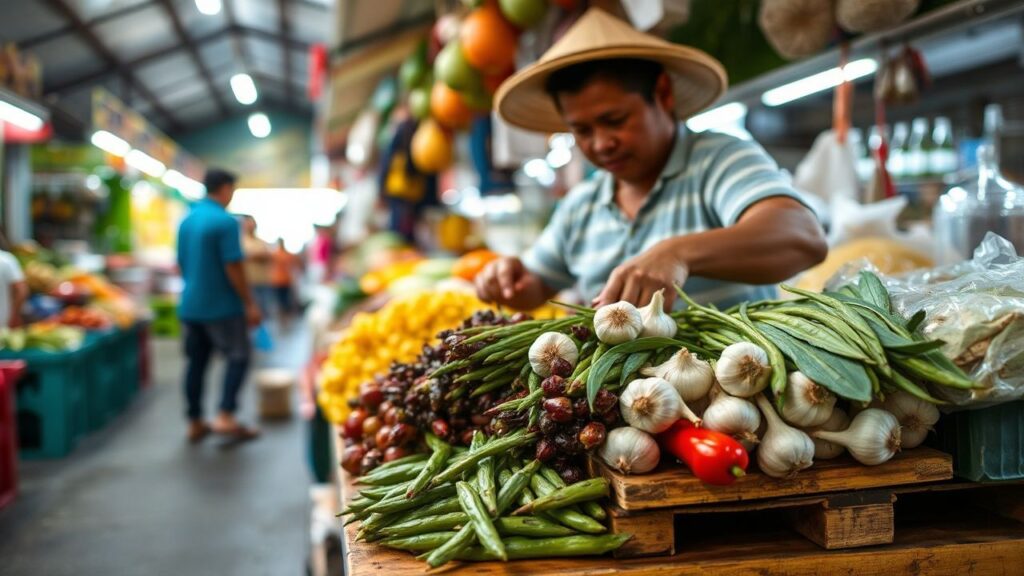
The presence of adobo in Filipino diaspora communities worldwide further highlights its cultural importance. It serves as a potent reminder of home, a tangible connection to heritage, and often, the first dish Filipino children learn to cook. The ubiquitous nature of adobo has led to countless personal variations and “secret family recipes,” each considered the “best” by its creator. This deeply personal connection to the dish is proof of its profound impact on Filipino identity. Whether it’s the quick weeknight version or the slow-cooked weekend feast, chicken adobo embodies the warmth, resilience, and flavorful soul of the Philippines.
The term “adobo” is used globally for various dishes, but Filipino adobo is distinct. While Spanish adobo often involves dry rubs or marinades with paprika and oregano, and Mexican adobo sauce typically features chilies and spices, Filipino adobo is characterized by its core braising liquid of soy sauce, vinegar, garlic, peppercorns, and bay leaves. The balance of savory and sour is its defining feature, and while other adobo preparations might exist, the Filipino version is a specific and well-recognized culinary preparation.
A thin adobo sauce often means it hasn’t been reduced sufficiently. The simplest way to thicken it is to remove the chicken pieces and simmer the sauce uncovered over medium-high heat until it reaches your desired consistency. Be watchful to prevent burning. For an even richer sauce, some chefs may remove the chicken, reduce the sauce, and then pan-fry or broil the chicken pieces separately until slightly crispy before returning them to the thickened sauce. This not only thickens the sauce but also adds a pleasing textural contrast.
Absolutely, and it’s often recommended! Adobo flavors meld and deepen beautifully when allowed to rest, making it taste even better the next day. Once cooled, store the adobo in an airtight container in the refrigerator for up to 3-4 days. When reheating, gently warm it on the stovetop over low heat, adding a splash of water or broth if it seems too dry. Freezing is also an option; it can be frozen for up to 2-3 months. Ensure it’s properly thawed before reheating.
See also: Adobo