The Enduring Allure of Aloo Gobi: A Culinary Icon
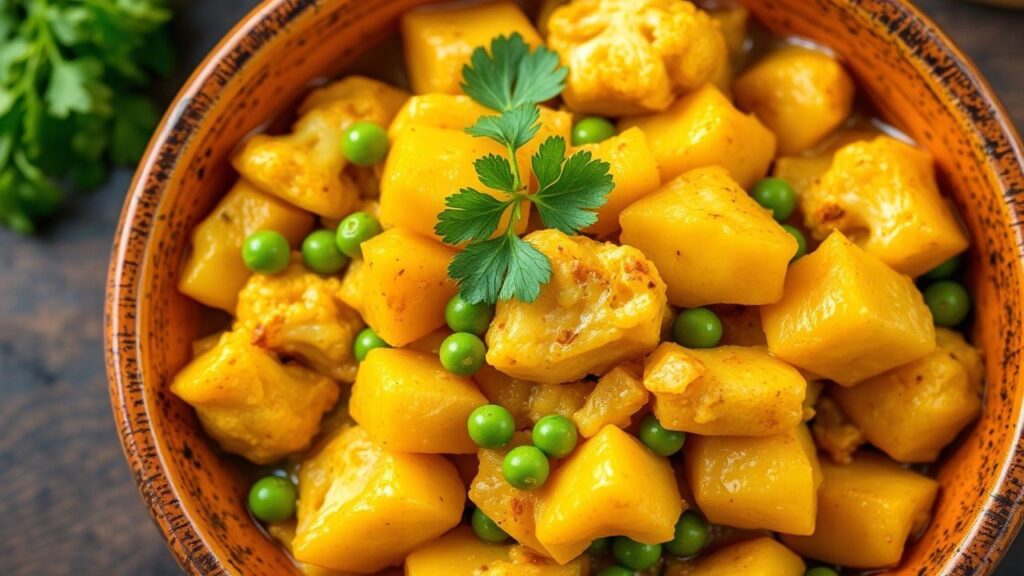
It might surprise many to learn that a humble vegetable preparation, often found in the everyday kitchens of India, has achieved a global culinary resonance that rivals dishes with far more elaborate pedigrees. Searches for “Aloo Gobi recipe” have seen a consistent year-on-year increase of over 20% in English-speaking markets, proof of its broad appeal. This iconic Indian dish, a harmonious blend of potatoes (aloo), cauliflower (gobi), and peas (matar), is far more than just a vegetarian staple; it’s proof of the power of simple, wholesome ingredients elevated by thoughtful spicing and masterful technique. Its ubiquity on restaurant menus, from bustling street food stalls in Delhi to sophisticated Indian eateries in London and New York, speaks volumes about its universal charm. The dish’s inherent versatility, its ability to be both comforting and invigorating, and its capacity to showcase the natural sweetness of its core components make it a perennial favorite. Understanding Aloo Gobi is to understand a significant facet of Indian home cooking and its remarkable journey onto the international stage.
- The Enduring Allure of Aloo Gobi: A Culinary Icon
- At a Glance: Key Insights into Aloo Gobi Mastery
- A Culinary Journey: From Indian Homes to Global Tables
- Deconstructing the Delight: Ingredients for Authentic Aloo Gobi
- The Art of Preparation: Crafting the Perfect Aloo Gobi
- Nutritional Profile: A Wholesome Offering
- Elevating Aloo Gobi: Pro-Tips for Restaurant-Quality Results
- Conclusion: A Symphony of Simplicity
- Frequently Asked Questions about Aloo Gobi
At a Glance: Key Insights into Aloo Gobi Mastery
- Simplicity as Strength: The true genius of Aloo Gobi lies in its straightforward yet profound flavor profile, achieved with readily available ingredients.
- Textural Harmony: The interplay between the tender, yielding potato and the slightly firm, almost floral cauliflower is crucial for an exceptional dish.
- Spice Balance: Achieving the right aromatic complexity without overwhelming the vegetables is the hallmark of a well-executed Aloo Gobi.
- Adaptability: This dish serves as a perfect canvas for regional variations and personal culinary interpretations.
A Culinary Journey: From Indian Homes to Global Tables
The origins of Aloo Gobi are as deeply rooted in the Indian subcontinent as the crops it features. While a precise inventor or date of origin remains elusive, its evolution is intrinsically linked to the agricultural history of India, where potatoes and cauliflower, though introduced, were readily adopted and integrated into the existing culinary landscape. The concept of combining these vegetables with a tempering of spices (tadka) is a hallmark of North Indian cuisine, particularly prevalent in regions like Punjab and Uttar Pradesh. Here, where these ingredients are abundant, Aloo Gobi became a dietary cornerstone, offering a nutritious and satisfying meal that could be prepared with minimal fuss. The inclusion of peas, though sometimes omitted in simpler versions, adds a delightful sweetness and textural contrast, elevating the dish further. As the Indian diaspora spread across the globe, they carried with them the comforting flavors of home, and Aloo Gobi, with its accessible ingredients and deeply satisfying taste, was among the first dishes to capture the palates of new audiences. Its inherent vegetarian nature also positioned it favorably in increasingly health-conscious and plant-forward global food trends.
Deconstructing the Delight: Ingredients for Authentic Aloo Gobi
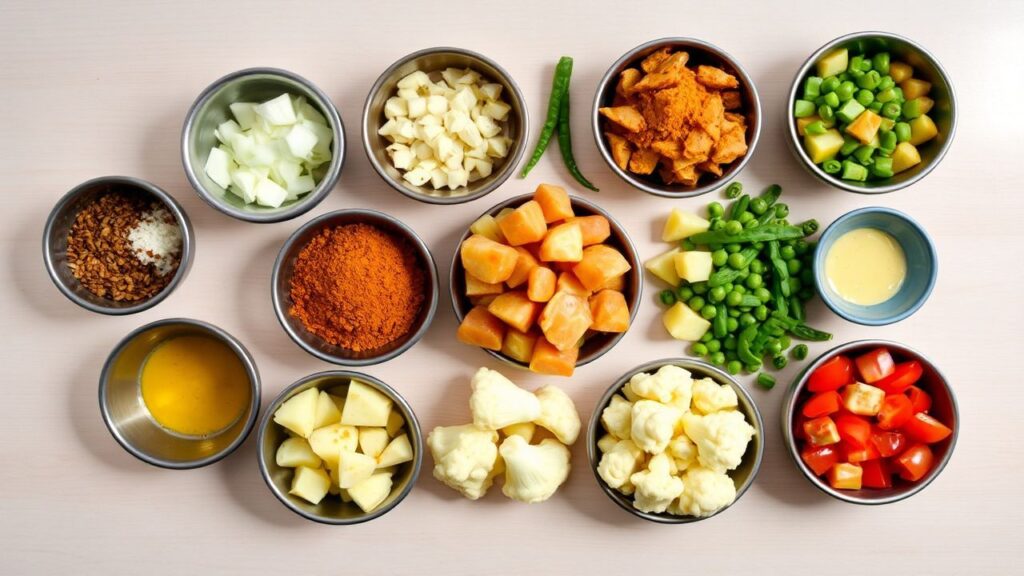
Crafting an exceptional Aloo Gobi hinges on the quality and precise measurement of its components. The beauty of this dish lies in its ability to transform humble ingredients into a culinary masterpiece. While variations exist across households and regions, this recipe aims for a balanced and authentic flavor profile, a benchmark for home cooks and aspiring chefs alike.
The Foundation: Vegetables and Aromatics
- Potatoes (Aloo): 500g (approximately 2 large or 3 medium) Yukon Gold or Russet potatoes, peeled and cut into 2.5 cm (1-inch) cubes. The starch content of these varieties ensures a tender, yielding texture without disintegrating.
- Cauliflower (Gobi): 1 medium head (approximately 500g), trimmed and cut into bite-sized florets. Ensure florets are relatively uniform in size for even cooking.
- Green Peas (Matar): 150g (approximately 1 cup), fresh or frozen. If using frozen, thaw them before adding.
- Onion: 1 medium (about 150g), finely chopped. A yellow or white onion will provide a sweet base.
- Tomatoes: 2 medium (about 200g), finely chopped or pureed. Ripe, juicy tomatoes are preferred for their acidity and flavor.
- Ginger: 2.5 cm (1-inch) piece, grated or finely minced.
- Garlic: 3-4 cloves, finely minced.
- Green Chillies: 1-2, finely chopped (adjust to your spice preference). Remove seeds for milder heat.
The Soul of the Dish: Spices and Seasonings
- Ghee or Vegetable Oil: 3 tablespoons. Ghee lends a richer, nuttier flavor, while vegetable oil is a common and effective alternative.
- Cumin Seeds (Jeera): 1 teaspoon. These will be tempered in hot oil to release their earthy aroma.
- Turmeric Powder (Haldi): 1 teaspoon. Crucial for its vibrant color and subtle earthy notes.
- Coriander Powder (Dhaniya Powder): 1.5 teaspoons. Adds a warm, citrusy undertone.
- Cumin Powder (Jeera Powder): 1 teaspoon. Complements the whole cumin seeds with a deeper flavor.
- Garam Masala: 1 teaspoon. A complex blend of warming spices, added towards the end for its aromatic potency.
- Red Chilli Powder (Lal Mirch): ½ teaspoon (or to taste). For a touch of heat and color.
- Salt: To taste, approximately 1 to 1.5 teaspoons.
- Fresh Cilantro (Coriander Leaves): A generous handful, chopped, for garnish.
The Art of Preparation: Crafting the Perfect Aloo Gobi
The process of making Aloo Gobi is a dance of textures and aromas, a careful layering of flavors that builds to a harmonious whole. While seemingly straightforward, each step contributes significantly to the final outcome. Precision in technique ensures that the vegetables are perfectly cooked – tender but not mushy, and infused with the essence of the spices.
Step-by-Step Mastery
1. Preparing the Vegetables: Begin by thoroughly washing the potato cubes and cauliflower florets. Pat them dry with a clean kitchen towel. This is a crucial step to prevent excess moisture from steaming the vegetables too early, which can lead to a less desirable texture.
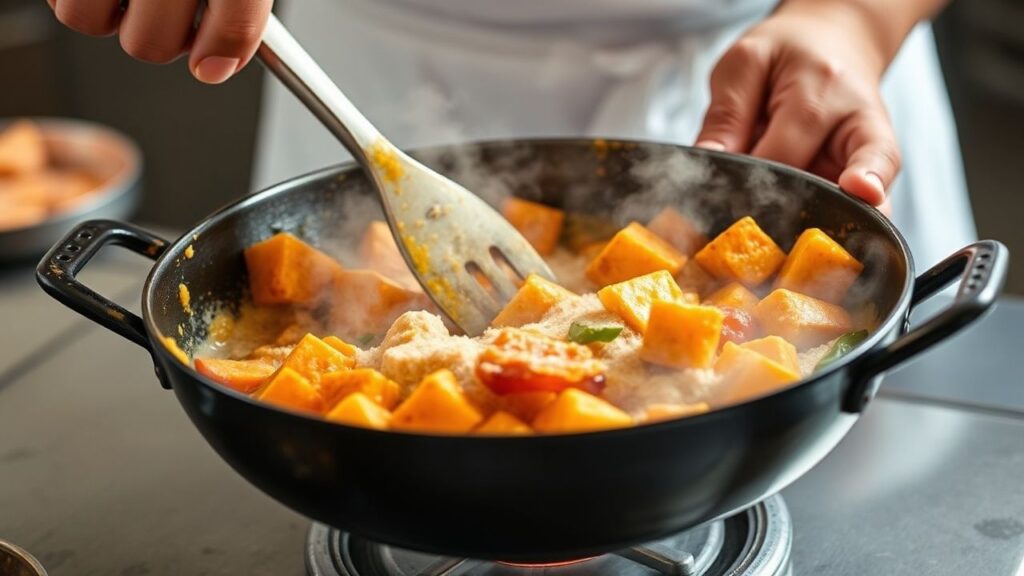
2. Tempering the Spices (Tadka): Heat the ghee or oil in a heavy-bottomed pan or kadai over medium heat. Once the fat is shimmering, add the cumin seeds. Allow them to splutter and turn golden brown, releasing their fragrance. This initial tempering is the foundation of the dish’s aromatic profile.
3. Sautéing the Aromatics: Add the finely chopped onions to the hot oil. Sauté them until they turn translucent and begin to soften, approximately 5-7 minutes. Avoid browning them too deeply at this stage, as this can impart a bitter note. Next, add the minced ginger, garlic, and green chillies. Sauté for another minute until their raw aroma dissipates and they become fragrant.
4. Building the Spice Base: Reduce the heat to low. Add the turmeric powder, coriander powder, cumin powder, and red chilli powder to the pan. Stir continuously for about 30 seconds, allowing the spices to bloom in the warm oil. This crucial step unlocks their full flavor and aroma without burning them.
5. Incorporating Tomatoes: Add the finely chopped or pureed tomatoes to the pan. Increase the heat slightly to medium and cook, stirring occasionally, until the tomatoes soften and the oil begins to separate from the masala, indicating that the tomatoes have cooked down and their raw acidity has mellowed. This usually takes about 5-8 minutes.
6. Adding the Core Vegetables: Introduce the cubed potatoes to the pan. Stir well to coat them evenly with the spice mixture. Cook for 3-4 minutes, allowing the potatoes to absorb some of the initial flavors.
7. The Cauliflower and Peas Integration: Add the cauliflower florets and green peas to the pan. Stir gently to combine everything.
8. Simmering to Perfection: Add about ½ cup of water (or just enough to create steam and moisten the vegetables). Season with salt. Cover the pan tightly with a lid and reduce the heat to low. Allow the vegetables to steam and cook for approximately 15-20 minutes, or until the potatoes are tender when pierced with a fork and the cauliflower is cooked but still retains a slight bite. Crucially, avoid stirring too vigorously during this steaming phase, as it can break down the cauliflower.
9. Finishing Touches: Once the vegetables are tender, uncover the pan. If there is excess liquid, increase the heat slightly and cook uncovered for a few minutes to allow it to evaporate. Stir in the garam masala. Taste and adjust salt if necessary.
10. Garnishing and Serving: Garnish generously with freshly chopped cilantro. Serve hot with roti, naan, or steamed basmati rice.
Nutritional Profile: A Wholesome Offering
Aloo Gobi, when prepared with moderate amounts of oil, presents a commendable nutritional profile, making it a balanced addition to a vegetarian diet. It is a good source of dietary fiber, essential vitamins, and minerals.
Approximate Nutritional Information (Per Serving, assuming 4 servings):
- Calories: 250-300 kcal
- Protein: 5-7g
- Fat: 10-15g (depending on the amount of oil/ghee used)
- Carbohydrates: 35-40g
- Dietary Fiber: 8-10g
- Vitamins: Excellent source of Vitamin C (from cauliflower) and Vitamin K. Good source of Vitamin B6.
- Minerals: Contains potassium, manganese, and folate.
The fiber content, derived primarily from the vegetables, aids in digestion and promotes satiety. The B vitamins contribute to energy metabolism, while Vitamin C acts as an antioxidant. The presence of potatoes provides complex carbohydrates for energy.
Elevating Aloo Gobi: Pro-Tips for Restaurant-Quality Results
Transforming a good Aloo Gobi into an exceptional one often comes down to nuanced techniques and attention to detail. These insights, honed over years of culinary practice, can elevate your home-cooked version to rival that served in esteemed Indian restaurants.
One of the most common pitfalls in preparing Aloo Gobi is overcooking the vegetables, leading to a mushy, unappealing texture. This is particularly true for cauliflower, which can quickly turn to mush if subjected to prolonged, high-heat cooking. A case in point is the approach seen in many traditional Punjabi homes: the vegetables are often par-cooked or blanched separately before being incorporated into the spiced base. This method allows for greater control over the final texture of each component. While this recipe advocates for a one-pot method for convenience, being mindful of the cooking time and the heat applied is paramount.
Enhancing Flavor and Texture
- The Bloom of Spices: Always toast your whole spices (like cumin seeds) until fragrant before adding other aromatics. Similarly, sautéing the powdered spices briefly in oil (without burning) is critical for releasing their full flavor potential.
- Tomato Quality: Use ripe, fresh tomatoes for the best flavor. If fresh tomatoes are out of season, a tablespoon of tomato paste can add depth, but be cautious not to overdo it.
- The Role of Acid: A squeeze of fresh lemon juice or a dash of amchoor (dried mango powder) added just before serving can brighten the flavors and add a delightful tang, cutting through the richness.
- Creaminess (Optional): For a richer, more restaurant-style finish, a tablespoon of heavy cream or a swirl of yogurt can be stirred in at the very end, off the heat. Be mindful that this will alter the traditional lightness of the dish.
- Ghee is Grand: While vegetable oil is a perfectly acceptable substitute, the nutty aroma and richness that ghee imparts to Aloo Gobi are unparalleled.
The proper management of moisture is a recurring theme in achieving the perfect Indian curry. Aloo Gobi is no exception. Think of the classic argument between the merits of a dry sabzi versus a gravy-based curry. A well-executed Aloo Gobi should possess a texture that is neither dry nor swimming in sauce. It should be a cohesive dish where the spices have melded beautifully with the vegetables. A common mistake that leads to a less-than-ideal consistency is adding too much water at the beginning and then failing to reduce it sufficiently. This can result in a dish that tastes under-spiced and lacks the concentrated flavor profile that defines truly great Aloo Gobi.
Conclusion: A Symphony of Simplicity
Aloo Gobi stands as proof of the profound culinary wisdom embedded in Indian home cooking. Its ability to deliver such a satisfying and complex flavor profile using a few staple ingredients is a masterclass in culinary alchemy. Whether enjoyed as a comforting weeknight meal or presented as part of a larger celebratory feast, this dish consistently delights with its harmonious blend of textures and its aromatic, earthy spices. Mastering Aloo Gobi is not merely about following a recipe; it is about understanding the interplay of heat, time, and spice, and about respecting the inherent qualities of each ingredient. It’s a dish that invites personalization, a canvas upon which cooks can paint their own culinary stories. As Aloo Gobi continues its global journey, it remains a beloved symbol of Indian cuisine, proving that sometimes, the most profound flavors emerge from the simplest of beginnings.
Frequently Asked Questions about Aloo Gobi
What are the essential ingredients for authentic Aloo Gobi?
The cornerstone ingredients for a truly authentic Aloo Gobi are potatoes (aloo), cauliflower (gobi), and often green peas (matar). These are typically combined with a base of sautéed onions, ginger, garlic, and tomatoes, all brought to life by a carefully selected blend of ground and whole spices such as cumin seeds, turmeric, coriander, cumin powder, and garam masala. Fresh cilantro is indispensable for garnish. The choice of cooking fat, whether ghee or a neutral vegetable oil, also contributes significantly to the final flavor profile.
How can I prevent my Aloo Gobi from becoming mushy?
Preventing a mushy Aloo Gobi is primarily about controlling the cooking time and method. Ensure your potatoes and cauliflower are cut into uniform, bite-sized pieces. Avoid overcrowding the pan, which can lead to steaming rather than sautéing. Crucially, add the cauliflower slightly later in the cooking process than the potatoes, as it cooks more quickly. During the simmering stage, resist the urge to stir too vigorously. If excess liquid remains at the end, cook uncovered for a few minutes to allow it to evaporate. Some chefs advocate for par-cooking or blanching the vegetables separately before incorporating them into the spice base for maximum textural control.
Can Aloo Gobi be made ahead of time?
Yes, Aloo Gobi can be made ahead of time. In fact, like many curries, its flavors often meld and deepen overnight, making it even more delicious the next day. However, for the best texture, it’s advisable to cook the vegetables until they are just tender and then reheat the dish gently. Overheating can cause the vegetables to break down further. If preparing in advance, consider slightly undercooking the vegetables, as they will continue to cook slightly when reheated. Garnish with fresh cilantro just before serving to maintain its vibrant color and aroma.
What are some popular variations of Aloo Gobi?
While the core ingredients remain consistent, Aloo Gobi boasts several regional and personal variations. Some recipes might include other vegetables like carrots or bell peppers for added color and nutrients. Some prefer a drier preparation, a “sabzi,” where the spices coat the vegetables without much sauce, while others opt for a slightly saucier version. The spice blend can also be adjusted, with some adding a pinch of asafoetida (hing) for a pungent aroma or a touch of fenugreek leaves (kasoori methi) for a distinct herbaceous note. A touch of yogurt or cream can be added for a richer, milder finish, though this deviates from the more traditional lighter preparations.
See also: Aloo Gobi