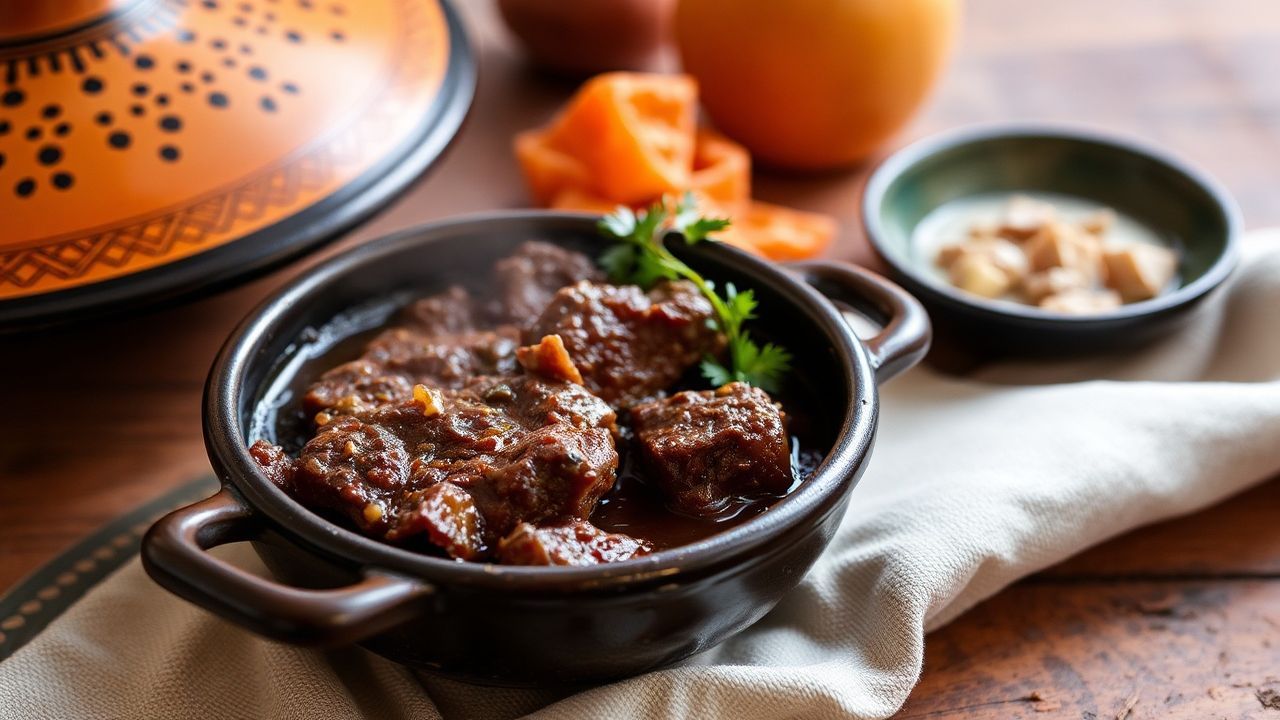

Unearthing the Soul of the Tagine: A Journey into Moroccan Beef’s Aromatic Depths
The scent of a slow-simmering tagine is more than just a culinary aroma; it’s an olfactory narrative of North African history, trade routes, and the intimate art of coaxing profound flavor from humble ingredients. At its heart, the beef tagine represents a pinnacle of this culinary tradition, transforming tough cuts of beef into impossibly tender morsels bathed in a symphony of spices. Consider this: a recent study on the Maillard reaction, the complex browning process crucial to developing rich flavors in slow-cooked meats, found that low-and-slow cooking, characteristic of tagine preparation, maximizes the formation of over 600 aroma compounds, far surpassing quicker cooking methods.
- Unearthing the Soul of the Tagine: A Journey into Moroccan Beef’s Aromatic Depths
- The Foundation: Selecting the Right Beef and Aromatics
- The Essential Recipe: Slow-Cooked Beef Tagine with Apricots and Almonds
- Ingredients:
- Equipment:
- Preparation Method:
- Nutritional Information (per serving, approximate, based on 6 servings):
- Elevating Your Beef Tagine: Expert Insights and Pro-Cautions
- Frequently Asked Questions About Beef Tagine
At a Glance: The Essence of a Masterful Beef Tagine
- Slow-Cooked Perfection: The tagine’s conical lid traps steam, creating a moist, self-basting environment that tenderizes beef over hours.
- Spice Alchemy: A masterful blend of sweet, savory, and warming spices is the bedrock of authentic flavor.
- Versatile Canvas: From dried fruits to preserved lemons, the tagine readily embraces complementary ingredients, showcasing regional variations.
- Cultural Significance: More than a dish, it’s a communal experience, often served from the cooking vessel itself, symbolizing hospitality and shared tradition.
This exploration guides you through the nuanced philosophy behind crafting an exceptional beef tagine, exploring the interplay of ingredients, the science of slow cooking, and the cultural context that elevates this dish from mere sustenance to a profound gastronomic experience. We will explore selecting the right cut of beef, understanding the soul-stirring spice blends, and mastering the techniques that ensure a truly unforgettable result.
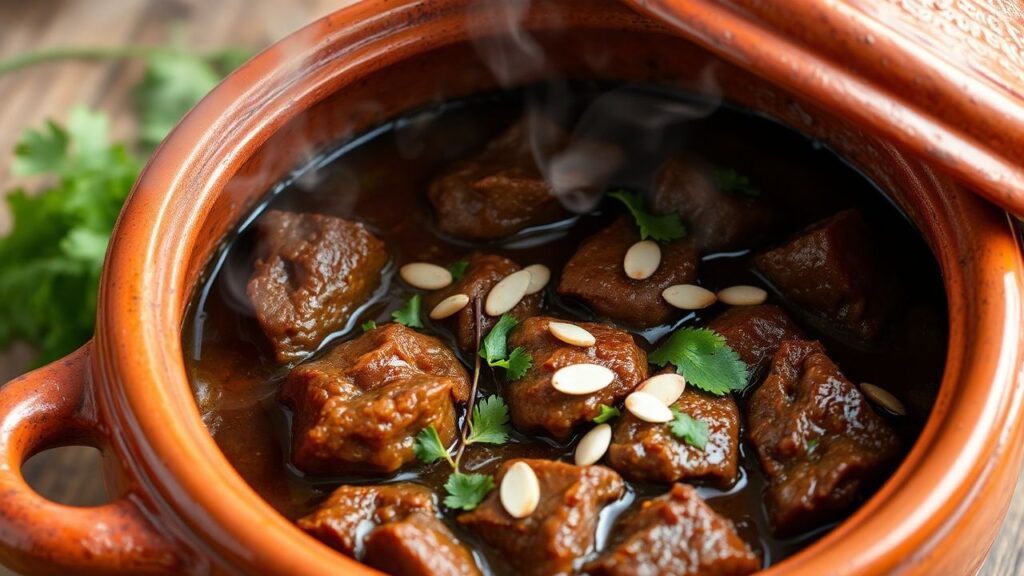
The Foundation: Selecting the Right Beef and Aromatics
The success of any beef tagine hinges significantly on the initial choice of protein. While lean cuts might seem appealing for health reasons, they are ill-suited for the extended, moist cooking required. The magic of the tagine lies in its ability to break down connective tissues, transforming tougher, more economical cuts into fork-tender delights. Cuts like chuck roast (or ‘beef chuck’ in the UK), brisket, or even shin (or ‘osso buco’ cut) are ideal. These possess ample marbling and collagen, which melt during the slow cooking process, lending a luxurious texture and deep, beefy flavor to the sauce.
The supporting cast of aromatics is equally crucial. The traditional foundation often begins with onions, garlic, and a generous amount of ginger. These form the savory bedrock upon which the spices build. The quality of these base aromatics matters; freshly minced garlic and grated ginger will always yield a more vibrant flavor profile than pre-packaged alternatives. The subtle sweetness of caramelised onions, achieved through patient sautéing, provides a counterpoint to the assertive spices and the richness of the beef. This initial sautéing phase is not merely about softening; it’s about coaxing out latent sugars and developing complex volatile compounds that will permeate the entire dish.
The Spice Symphony: Crafting the Heart of the Tagine
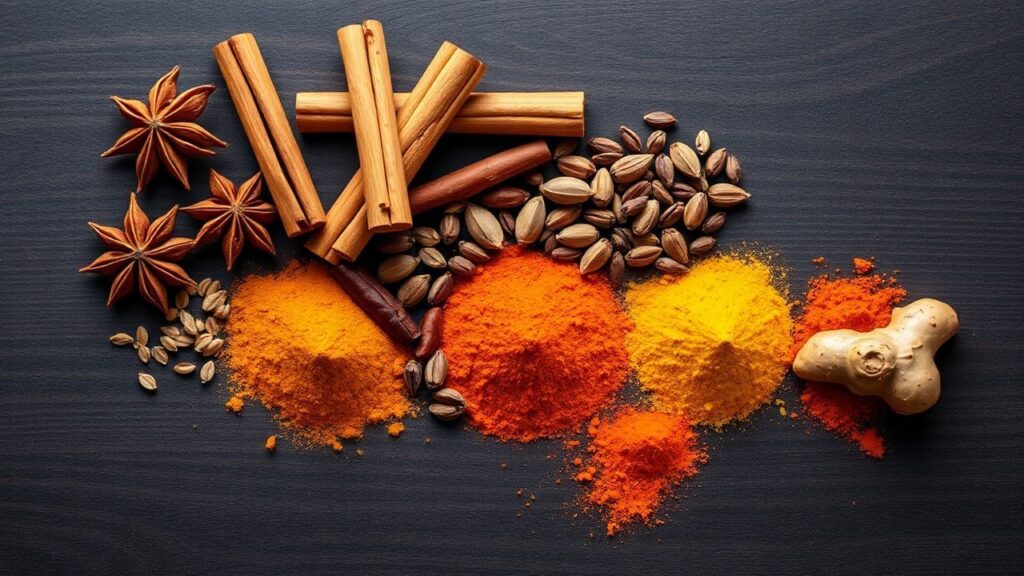
The spice blend is where the soul of the beef tagine truly resides, proof of the historical spice trade routes that crisscrossed North Africa. While regional variations abound, a core quartet of spices often forms the backbone: turmeric for its earthy hue and subtle bitterness, cumin for its warm, nutty depth, coriander for its citrusy, floral notes, and paprika for a touch of sweetness and color. Beyond this, a master tagine often incorporates cinnamon, which lends a surprising but harmonious warmth and sweetness, and ginger, both fresh and ground, for a zesty kick.
The art lies not just in the selection of spices, but in their preparation and integration. Toasting whole spices briefly in a dry pan before grinding releases their essential oils, intensifying their aroma and flavor. This is a critical step that many home cooks overlook. Furthermore, the order in which spices are added can influence their impact. Some are bloomed in hot oil at the beginning to infuse the cooking fat, while others are added later to retain their brighter notes. Understanding this nuanced approach allows for a more layered and complex flavor profile.
The Essential Recipe: Slow-Cooked Beef Tagine with Apricots and Almonds
This recipe aims to capture the quintessential flavors of a Moroccan beef tagine, balancing savory depth with a delicate sweetness. It’s a dish designed for patience, rewarding the cook with unparalleled tenderness and aromatic complexity.
Ingredients:
- Beef: 1.2 kg (approx. 2.6 lbs) boneless beef chuck roast or brisket, cut into 4-5 cm (approx. 1.5-2 inch) cubes
- Olive Oil: 4 tablespoons
- Onions: 2 large, finely chopped
- Garlic: 4-6 cloves, minced
- Fresh Ginger: 2 tablespoons, grated
- Spices:
- 2 teaspoons ground cumin
- 1 ½ teaspoons ground coriander
- 1 teaspoon ground turmeric
- 1 teaspoon sweet paprika
- ½ teaspoon ground cinnamon
- ¼ teaspoon ground black pepper
- Pinch of cayenne pepper (optional, for a hint of heat)
- Tomatoes: 1 x 400g (14 oz) can of chopped tomatoes, undrained
- Beef Broth: 500 ml (approx. 2 cups)
- Honey: 2 tablespoons (or to taste)
- Dried Apricots: 150 g (approx. 1 cup), halved
- Almonds: 50 g (approx. ⅓ cup) blanched or slivered, toasted for garnish
- Fresh Coriander (Cilantro): ½ cup, chopped, for garnish
- Salt: To taste
Equipment:
A traditional earthenware tagine pot is ideal for its slow, even heat distribution. Alternatively, a heavy-bottomed Dutch oven or casserole dish with a tight-fitting lid will suffice.
Preparation Method:
- Prepare the Beef: Pat the beef cubes thoroughly dry with paper towels. This is crucial for achieving a good sear. Season generously with salt.
- Sear the Beef: Heat 2 tablespoons of olive oil in your tagine base (or Dutch oven) over medium-high heat. Working in batches to avoid overcrowding, sear the beef cubes on all sides until deeply browned. This browning is essential for flavor development. Remove the seared beef and set aside.
- Sauté Aromatics: Reduce the heat to medium. Add the remaining 2 tablespoons of olive oil to the pot. Add the chopped onions and sauté for 8-10 minutes, stirring occasionally, until softened and beginning to caramelize. This slow caramelization is key to sweetness.
- Infuse with Garlic and Ginger: Add the minced garlic and grated ginger to the pot and cook for another 1-2 minutes until fragrant, being careful not to burn the garlic.
- Bloom the Spices: Stir in the ground cumin, coriander, turmeric, paprika, cinnamon, black pepper, and cayenne pepper (if using). Cook for 1 minute, stirring constantly, until the spices are fragrant. This “blooming” process intensifies their flavor.
- Deglaze and Combine: Pour in the chopped tomatoes and scrape the bottom of the pot to loosen any browned bits. Return the seared beef to the pot. Add the beef broth and honey. Stir to combine, ensuring the beef is mostly submerged.
- Simmer and Slow Cook: Bring the mixture to a gentle simmer. Cover the tagine pot with its conical lid (or the lid of your Dutch oven). Transfer to a preheated oven at 160°C (320°F) or reduce the stovetop heat to the lowest setting. Cook for 2.5 to 3 hours, or until the beef is exceptionally tender and easily pulls apart with a fork. Check periodically and add a splash more broth or water if it appears too dry.
- Add Apricots: In the last 30 minutes of cooking, stir in the halved dried apricots. This allows them to soften and release their sweetness into the sauce without becoming mushy.
- Rest and Garnish: Once the beef is tender, remove the tagine from the oven (or heat). Let it rest, covered, for at least 15-20 minutes before serving. This allows the flavors to meld and the meat to reabsorb some of the juices.
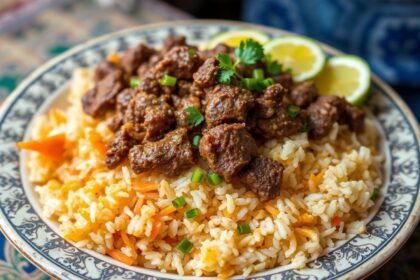
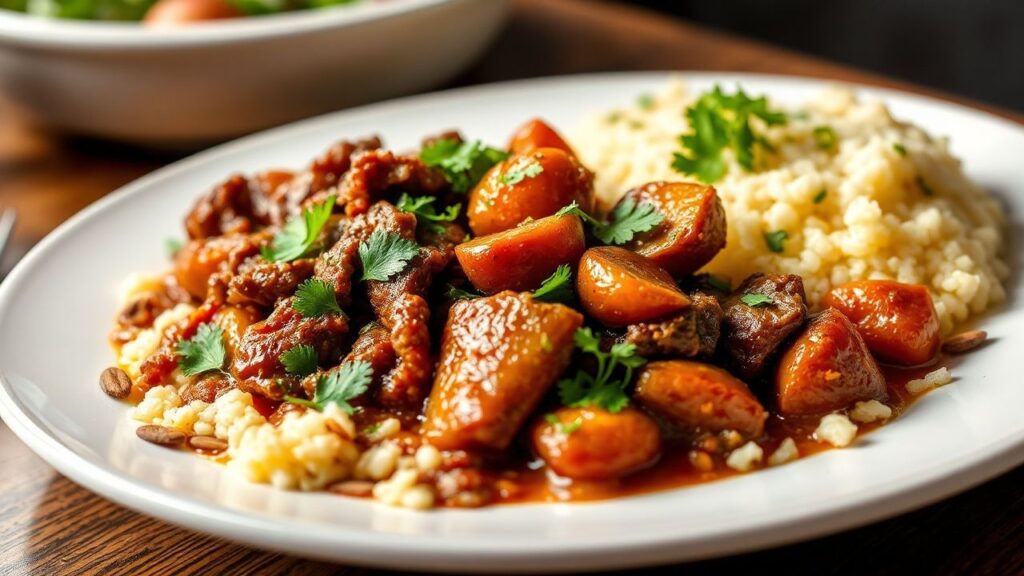
- Serve: Ladle the beef tagine into shallow bowls. Garnish generously with toasted almonds and fresh chopped coriander. Serve hot with couscous, crusty bread, or rice.
Nutritional Information (per serving, approximate, based on 6 servings):
This is an estimate and can vary based on exact ingredients and portion sizes.
| Nutrient | Amount |
|---|---|
| Calories | ~650 kcal |
| Protein | ~50 g |
| Fat | ~35 g |
| Saturated Fat | ~12 g |
| Carbohydrates | ~30 g |
| Fiber | ~5 g |
| Sugar | ~15 g |
| Sodium | ~400 mg (will vary greatly with added salt and broth) |
Elevating Your Beef Tagine: Expert Insights and Pro-Cautions
Achieving truly exceptional beef tagine goes beyond simply following a recipe. It involves understanding the subtle nuances that transform a good dish into a memorable one. One of the most impactful techniques is the meticulous browning of the beef. While it might seem time-consuming, this Maillard reaction is non-negotiable. It creates a depth of flavor, a savory complexity that cannot be replicated by simply simmering raw meat. Imagine the difference between a pale, boiled piece of beef and a deeply bronzed, crusty cube that promises richness; this is the power of a proper sear.
The liquid ratio is another area where expertise shines. While the recipe calls for a specific amount of beef broth, the actual liquid needed can vary depending on the pot, the heat intensity, and the moisture content of the ingredients. The goal is a rich, unctuous sauce, not a watery stew. Too little liquid, and the tagine will dry out; too much, and the flavors will be diluted. It’s a delicate balance that requires vigilance during the cooking process.
The inclusion of dried fruits, such as apricots or dates, is a hallmark of many tagine variations. They provide a natural sweetness and a delightful textural contrast to the tender beef. However, their addition requires timing. Adding them too early can result in them disintegrating into the sauce, losing their distinct identity. Introducing them in the final stages ensures they retain a pleasant chewiness and release their sugars gradually.
The choice of spices, as mentioned, is paramount. While the provided blend is a classic, don’t be afraid to experiment. A pinch of saffron, bloomed in warm water, can add a luxurious aroma and a golden hue. A touch of ras el hanout, a complex Moroccan spice blend, can introduce a whole new dimension of flavor. The key is to understand the role of each spice and how they interact, creating a harmonious whole rather than a jumble of individual notes. For instance, the warmth of cinnamon and ginger matter significantly in counterbalancing the earthiness of cumin and turmeric. The subtle sweetness of paprika and the gentle heat of cayenne add further complexity.
The textural element provided by nuts, typically almonds, is another vital component of a well-executed beef tagine. Toasted almonds offer a delightful crunch that contrasts beautifully with the yielding tenderness of the beef and the soft texture of the dried fruit. The toasting process, whether done in a dry pan or briefly in the oven, is crucial. It awakens the nutty oils and enhances their flavor, transforming them from raw to roasted perfection. The quality of the almonds matters; freshly toasted, good-quality blanched or slivered almonds will offer a superior experience.
Finally, consider the serving. A beef tagine is often a communal dish, traditionally served directly from the tagine pot at the center of the table. This presentation enhances the sensory experience, allowing the aromatic steam to rise and envelop diners. Accompanying it with fluffy couscous is classic, as the small grains are perfect for soaking up the rich, flavorful sauce. Crusty bread is another excellent choice for a similar reason. The vibrant green of fresh coriander, sprinkled liberally just before serving, provides not only a visual appeal but also a fresh, herbaceous counterpoint to the richness of the dish.
The history of the tagine itself is fascinating, deeply intertwined with the Berber people of North Africa and their nomadic lifestyle. The distinctive conical lid was ingeniously designed to trap steam, which rises, condenses on the cool lid, and then drips back down onto the food, creating a self-basting effect that keeps the meat incredibly moist and tender over long cooking times, often over low charcoal fires. This ancient wisdom is the very principle emulated in modern ovens and stovetops, demonstrating the enduring efficacy of time-tested culinary techniques. This slow, moist cooking method is also exceptionally efficient for breaking down tougher cuts of meat, making them succulent and palatable, a vital consideration in regions where prime cuts might be less accessible or affordable. The tagine, therefore, is not just a cooking vessel but a symbol of resourcefulness and culinary ingenuity.
When considering the evolution of this dish, it’s important to note the influence of various cultures that have passed through North Africa. The arrival of Arabs brought new spices and techniques, while trade routes introduced ingredients like dried fruits and nuts. The Spanish influence, particularly from Andalusia, also played a role, as many Moorish chefs fled to North Africa after the Reconquista, bringing with them their culinary traditions. This diverse mix of influences is what makes the beef tagine such a complex and rewarding dish to explore, with countless regional variations adding their unique character. The introduction of ingredients like preserved lemons, for instance, adds a distinct salty, tangy, and slightly bitter dimension that is utterly captivating.
Frequently Asked Questions About Beef Tagine
What is the best way to achieve tender beef in a tagine?
The absolute key to tender beef in a tagine is using the correct cut of meat and employing a slow, moist cooking method. Opt for tougher, collagen-rich cuts like chuck roast, brisket, or shin. These cuts have the connective tissue that breaks down over extended periods of low heat, transforming into gelatin and yielding that signature unctuous, fall-apart texture. Sear the beef thoroughly before slow cooking to develop flavor, and ensure there is sufficient liquid in the pot, replenishing it with broth or water if it evaporates too quickly. A cooking time of at least 2.5 to 3 hours at a low temperature (around 160°C/320°F) is generally recommended.
Can I make beef tagine without a traditional tagine pot?
Absolutely. While a traditional earthenware tagine pot is designed to facilitate slow, even cooking and moisture retention, it is by no means essential. A heavy-bottomed Dutch oven or a sturdy casserole dish with a tight-fitting lid will work exceptionally well. The critical elements are the ability to maintain a low, consistent heat and to trap steam effectively. Ensure your chosen pot is oven-safe if you opt for oven cooking, and that the lid creates a good seal to prevent excessive moisture loss.
How can I adjust the spice level of my beef tagine?
Adjusting the spice level in a beef tagine is straightforward and allows for personalization. The primary spice responsible for heat is typically cayenne pepper. For a milder tagine, omit the cayenne pepper entirely or use just a tiny pinch. If you prefer a spicier dish, you can increase the amount of cayenne pepper, or add a pinch of red pepper flakes along with the other ground spices. Additionally, some recipes incorporate fresh chili peppers, which can be added alongside the onions and garlic for a more integrated heat. Always taste and adjust seasonings towards the end of the cooking process.
See also: beef