
Biryani, a dish steeped in centuries of culinary evolution, is far more than just a fragrant rice pilaf; it’s a narrative of conquest, culture, and communal celebration. Its journey from the royal kitchens of the Mughal Empire to humble homes across India and the globe is proof of its enduring appeal. While meat-based versions often steal the spotlight, the Indian vegetable biryani, a symphony of earthy flavors and vibrant textures, deserves its own dedicated exploration. This is not merely a vegetarian substitute; it is a dish that stands proudly on its own merits, offering a complex and deeply satisfying experience.
At a Glance: The Essence of Exceptional Vegetable Biryani
* Layered Aromatics: The soul of biryani lies in its meticulously layered spices and aromatics, creating depth without overpowering.
* Rice as a Canvas: Long-grain Basmati rice, perfectly cooked al dente, is crucial for the distinct texture and absorption of flavors.
* Vegetable Harmony: A judicious selection and preparation of vegetables ensure each component retains its integrity and contributes to the overall palate.
* The ‘Dum’ Technique: The slow-cooking method, known as ‘dum’, is indispensable for infusing the rice and vegetables with the fragrant steam, a hallmark of authentic biryani.
The very act of preparing biryani is a ritual, a mindful engagement with ingredients that culminates in a dish that speaks of home, comfort, and festivity. Imagine a monsoon evening, the scent of rain mingling with the first wisps of cardamom and clove escaping a sealed pot. This is the sensory prelude to the magic that unfolds with a well-executed vegetable biryani. It’s a dish that invites sharing, a centerpiece that brings people together around the table, each spoonful a discovery of nuanced flavors.
The Anatomy of an Exquisite Vegetable Biryani
At its core, a truly remarkable vegetable biryani is a balancing act. It’s about coaxing out the inherent sweetness of vegetables, the subtle warmth of spices, and the delicate perfume of basmati rice, all harmonized through a precise cooking process. This dish is an edible tapestry, woven with threads of diverse textures and aromas. The selection of vegetables is paramount, moving beyond mere filler to integral components that contribute their unique character. Think of the earthy depth of mushrooms, the slight sweetness of carrots, the tender bite of cauliflower florets, and the creamy richness of potatoes, perhaps even the subtle crunch of peas. Each must be treated with respect, often par-cooked or sautéed to achieve the perfect consistency, preventing them from becoming mushy during the final steaming.
The rice, of course, is the canvas upon which this culinary artwork is painted. High-quality, aged Basmati rice is non-negotiable. Its long, slender grains, when cooked properly, remain separate and fluffy, absorbing the complex marinade and infused steam without becoming clumpy. The initial preparation of the rice, often par-boiled to about 70-80% doneness, is a critical step. This ensures that it will finish cooking perfectly within the sealed pot, absorbing all the layered flavors without becoming overcooked or mushy.
Ingredients: The Palette of Flavors
The foundation of any great biryani lies in the quality and proportion of its ingredients. For a vegetarian rendition, this translates to a thoughtful selection of aromatics, spices, and fresh produce.
For the Rice:
- 2 cups (approx. 400g) Aged Basmati Rice
- 4 cups (approx. 950ml) Water, for boiling rice
- 1 tsp Salt
- 2-3 Green Cardamom Pods
- 2-3 Cloves
- 1 Bay Leaf
- 1-inch piece Cinnamon Stick
For the Vegetable Marinade & Base:
- 2 tbsp Ghee or Vegetable Oil
- 1 large Onion, thinly sliced
- 2 medium Tomatoes, finely chopped
- 1 tbsp Ginger-Garlic Paste
- 1/2 cup (approx. 120ml) Plain Yogurt (full-fat recommended)
- 1/4 cup (approx. 60ml) Fresh Mint Leaves, chopped
- 1/4 cup (approx. 60ml) Fresh Coriander Leaves, chopped
- 1-2 Green Chilies, slit or finely chopped (adjust to spice preference)
- 1/2 tsp Turmeric Powder
- 1 tsp Red Chili Powder (Kashmiri for color, regular for heat)
- 1.5 tsp Coriander Powder
- 1 tsp Cumin Powder
- 1/2 tsp Garam Masala
- 1/4 tsp Nutmeg Powder (optional, but adds depth)
- Salt to taste
For the Vegetable Medley:
- 1 cup (approx. 150g) Cauliflower florets
- 1 cup (approx. 150g) Carrots, cut into bite-sized pieces
- 1 cup (approx. 150g) Potatoes, cut into bite-sized pieces
- 1/2 cup (approx. 75g) Green Peas (fresh or frozen)
- 1/2 cup (approx. 75g) French Beans, trimmed and halved
- 1 cup (approx. 150g) Mushrooms, quartered (optional, for umami)
For Layering & Garnish:
- 2 tbsp Ghee or Butter
- A pinch of Saffron Strands, soaked in 2 tbsp warm milk
- Fried Onions (Birista) for garnish
- A few whole Cashews or Almonds, lightly fried (optional)
The Art of Preparation: A Step-by-Step Symphony
The creation of vegetable biryani is a process that demands patience and precision, a culinary dance of tempering spices, layering ingredients, and finally, the transformative ‘dum’ cooking.
Step 1: Preparing the Rice – The Foundation
Begin by rinsing the Basmati rice under cold running water until the water runs clear. This removes excess starch, crucial for preventing the grains from clumping. In a large pot, bring 4 cups of water to a rolling boil. Add the whole spices (cardamom, cloves, bay leaf, cinnamon stick) and salt. Once the water is vigorously boiling, add the rinsed rice. Cook for approximately 5-7 minutes, or until the rice is about 70-80% cooked. You should be able to break a grain with slight pressure, but it should still have a firm bite. Drain the rice immediately in a colander and set aside. Discard the whole spices, or leave a few for visual appeal if desired.
Step 2: Crafting the Vegetable Base – The Aromatic Core
In a heavy-bottomed pot or Dutch oven, heat the ghee or oil over medium heat. Add the thinly sliced onions and sauté until golden brown and caramelized. This step is crucial for building the sweet, savory foundation of the biryani. Next, add the ginger-garlic paste and sauté for a minute until fragrant. Stir in the chopped tomatoes and cook until they soften and the oil begins to separate from the masala.
Introduce the powdered spices: turmeric, red chili powder, coriander powder, cumin powder, garam masala, and nutmeg powder (if using). Sauté for another minute, allowing the spices to bloom and release their aromas. Be careful not to burn them. Reduce the heat to low and whisk in the plain yogurt, ensuring it incorporates smoothly without curdling. Cook for 2-3 minutes, stirring continuously, until the yogurt is well incorporated and the mixture thickens slightly.
Step 3: Marinating and Incorporating the Vegetables
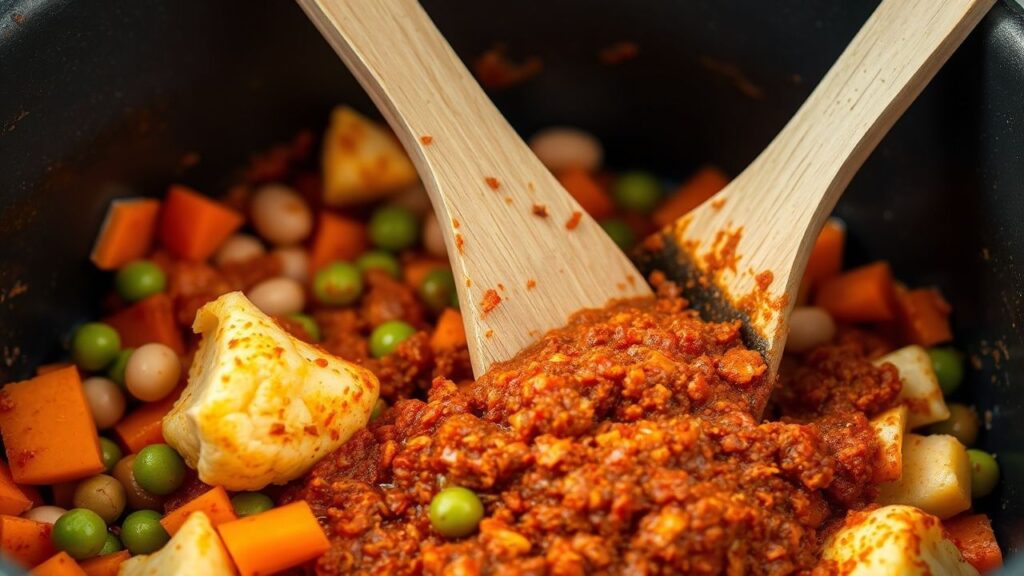
Add the prepared vegetables (cauliflower, carrots, potatoes, peas, beans, and mushrooms if using) to the pot. Gently fold them into the spice mixture. Add the chopped mint and coriander leaves, and slit green chilies. Season with salt to taste. Stir well to ensure all vegetables are coated with the aromatic masala. Cook on low heat for about 5-7 minutes, allowing the vegetables to soften slightly and absorb the flavors. This par-cooking is essential to ensure they are tender but not mushy by the end of the ‘dum’ process.
Step 4: Layering the Biryani – The Art of Assembly
Now comes the meticulous layering, the hallmark of a true biryani. Take half of the partially cooked rice and spread it evenly over the vegetable mixture in the pot, creating the first layer. Drizzle half of the melted ghee or butter over this rice layer. Sprinkle half of the saffron-infused milk and a portion of fried onions.
Repeat the process with the remaining rice, spreading it evenly to form the second layer. Drizzle the rest of the ghee/butter, saffron milk, and fried onions over the top. If using fried cashews or almonds, scatter them now. The goal is to create distinct layers of rice interspersed with the flavorful vegetable base, ensuring each grain of rice absorbs the aromatics.
Step 5: The ‘Dum’ – The Transformative Cook
This is where the magic happens. To seal the pot effectively for the ‘dum’ process, you can use a dough seal (flour and water mixed to a pliable dough, pressed around the rim of the pot and the lid) or tightly cover the pot with aluminum foil before placing the lid. This ensures that no steam escapes, allowing the rice to cook gently in its own steam, infusing it with the flavors from the base.
Place the sealed pot on a very low heat. If using a gas stove, you can place a flat griddle (tawa) beneath the pot to ensure even heat distribution and prevent scorching. Cook on ‘dum’ for approximately 20-25 minutes. The aroma that gradually fills your kitchen during this time is simply intoxicating.
Step 6: Resting and Serving – The Grand Reveal
Once the ‘dum’ cooking is complete, turn off the heat and let the biryani rest, undisturbed, for at least 10-15 minutes. This resting period allows the flavors to meld and the rice grains to firm up perfectly.
To serve, gently fluff the biryani with a fork, taking care not to break the rice grains. Start by gently scooping from the sides, ensuring you get a mix of rice and the vegetable layer from the bottom. Serve hot, garnished with fresh coriander, mint, and the reserved fried onions. A side of raita (yogurt dip) or a simple salad complements the richness of the biryani beautifully.

Nutritional Information (Per Serving – Approximate)
This is a general estimate and can vary based on specific ingredients and portion sizes.
- Calories: 450-550 kcal
- Protein: 12-18g
- Fat: 20-28g
- Saturated Fat: 8-12g
- Carbohydrates: 50-65g
- Fiber: 6-10g
- Sodium: 400-600mg
Elevating Your Biryani: Pro-Tips from the Kitchen
Transforming your homemade vegetable biryani from good to exceptional involves a few nuanced techniques and an understanding of flavor profiles that seasoned chefs employ. It’s about adding layers of complexity and ensuring every element sings.
One of the most impactful ways to elevate your biryani is through the quality of your spices. Freshly ground spices possess a far more vibrant aroma and flavor than pre-ground ones. Consider toasting whole spices like cardamom, cloves, and cinnamon lightly before grinding them to release their essential oils. This adds an unparalleled depth to the spice blend. Furthermore, the use of saffron is not merely for color; its delicate floral notes contribute significantly to the biryani’s characteristic perfume. Ensure you use good quality saffron and soak it in warm milk for at least 15-20 minutes before adding it during the layering stage. This allows its flavor and color to fully infuse.
Another critical aspect is achieving the perfect texture for both the rice and the vegetables. For the rice, the par-boiling stage is paramount. Aim for that 70-80% doneness meticulously. If the rice is too soft at this stage, it will disintegrate during the ‘dum’. Conversely, if it’s too hard, it may not cook through, resulting in unevenly cooked grains. For the vegetables, consider how each one cooks. Root vegetables like carrots and potatoes might need a slightly longer initial sauté than softer vegetables like peas or cauliflower. Some chefs also advocate for lightly pan-frying certain vegetables, like cauliflower florets or potato cubes, before adding them to the masala. This not only enhances their texture but also imparts a subtle nutty flavor, adding another dimension to the dish.
The ‘dum’ cooking itself can be perfected. While a heavy-bottomed pot is essential, the heat control is paramount. A consistent, very low heat is key. If your stove has hot spots, a cast-iron griddle (tawa) placed between the flame and the pot acts as an excellent diffuser, ensuring even heat distribution and preventing the bottom from scorching. The dough seal, traditional in many households, is remarkably effective. It creates an airtight environment, trapping all the fragrant steam, which is the essence of the ‘dum’ cooking method. This slow steaming process allows the flavors to meld and the rice to absorb the aromatic essence of the vegetables and spices. The final resting period after cooking is as important as the cooking itself. It allows the flavors to settle and the moisture to distribute evenly, resulting in a perfectly cohesive and flavorful biryani.
A final flourish that distinguishes restaurant-quality biryani is the careful addition of subtle aromatics and garnishes. A few drops of kewra water or rose water, added judiciously towards the end of the ‘dum’ cooking or just before serving, can impart a delicate floral fragrance that is characteristic of fine biryani. The fried onions, or ‘birista’, are not just for garnish; their sweet, crispy texture provides a delightful contrast to the soft rice and vegetables. Ensuring they are uniformly golden brown and not burnt is crucial, as burnt onions will lend a bitter note to the entire dish.
The Enduring Legacy of Biryani
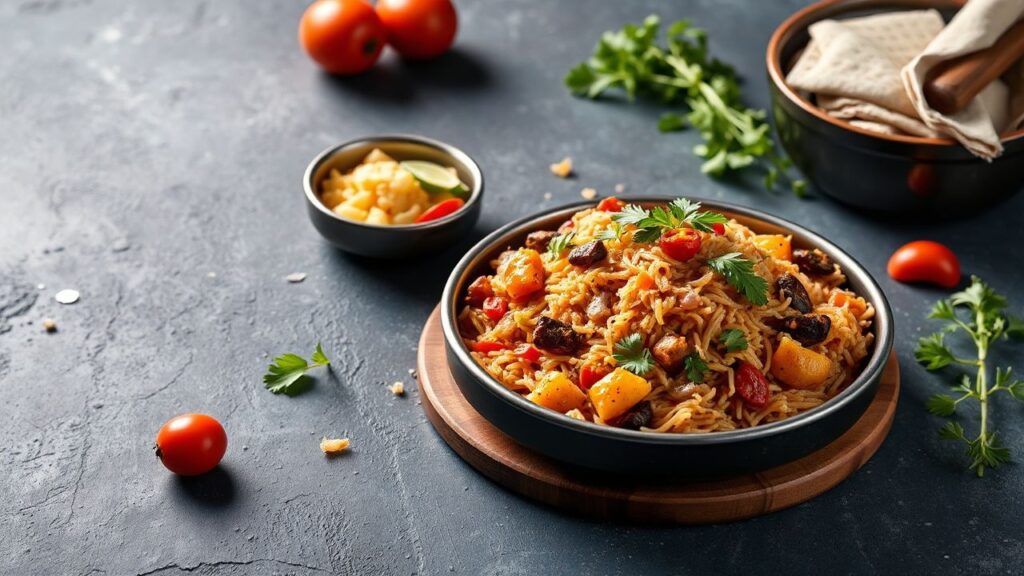
The Indian vegetable biryani is proof of the adaptability and richness of Indian cuisine. It’s a dish that can be as simple or as elaborate as one desires, a culinary chameleon that adapts to regional ingredients and personal preferences. Its journey through history, from royal feasts to everyday meals, underscores its universal appeal. The meticulous layering, the fragrant spices, and the transformative ‘dum’ cooking process combine to create a dish that is not just food, but an experience. It’s a celebration of vegetables, elevated to an art form, proving that vegetarian cuisine can be as complex, satisfying, and celebratory as any other. The next time you find yourself craving a dish that is both comforting and sophisticated, turn to the humble yet magnificent vegetable biryani, a true jewel in India’s culinary crown.
Frequently Asked Questions (FAQ)
Why is my vegetable biryani mushy?
A mushy biryani is typically a result of one or a combination of factors. Firstly, the rice might have been overcooked during the par-boiling stage. It should be at least 70-80% cooked, retaining a firm bite. Secondly, the vegetables might have been cooked for too long before the ‘dum’ process, rendering them overly soft. Thirdly, the ‘dum’ cooking itself might have been at too high a heat, or for too long, causing the rice to break down. Finally, insufficient resting time after cooking can also contribute to a softer texture as the moisture hasn’t had time to settle.
How can I make my vegetable biryani more flavorful?
To enhance the flavor of your vegetable biryani, focus on the quality and freshness of your spices. Using freshly ground spices, especially whole spices like cardamom, cloves, and cinnamon, makes a significant difference. A good quality yogurt for the marinade is crucial for creaminess and depth. Don’t skimp on aromatics like ginger, garlic, mint, and coriander. Caramelizing onions deeply for the base adds a natural sweetness. Consider adding a touch of saffron for its unique aroma and color, and a few drops of kewra or rose water towards the end of cooking for a subtle floral note. The quality of your ghee or oil also plays a role in the overall flavor profile.
What are the best vegetables to use in a vegetable biryani?
The beauty of vegetable biryani lies in its versatility. However, a balanced mix is key. Excellent choices include:
- Root Vegetables: Carrots, potatoes (cut into cubes or wedges).
- Cruciferous Vegetables: Cauliflower florets, broccoli florets.
- Legumes: Green peas (fresh or frozen), green beans (trimmed and halved).
- Umami Boosters: Mushrooms (quartered or sliced), paneer cubes (lightly fried).
- Aromatic Additions: Bell peppers (capsicum) can add a different texture and subtle sweetness.
It’s important to consider the cooking times of different vegetables and prepare them accordingly, often par-cooking or lightly sautéing them before adding to the biryani base to ensure they are tender but not mushy in the final dish.
See also: Biryani